‘Finally’: LGBTQ+ Charlotteans say this month’s Supreme Court decision was overdue
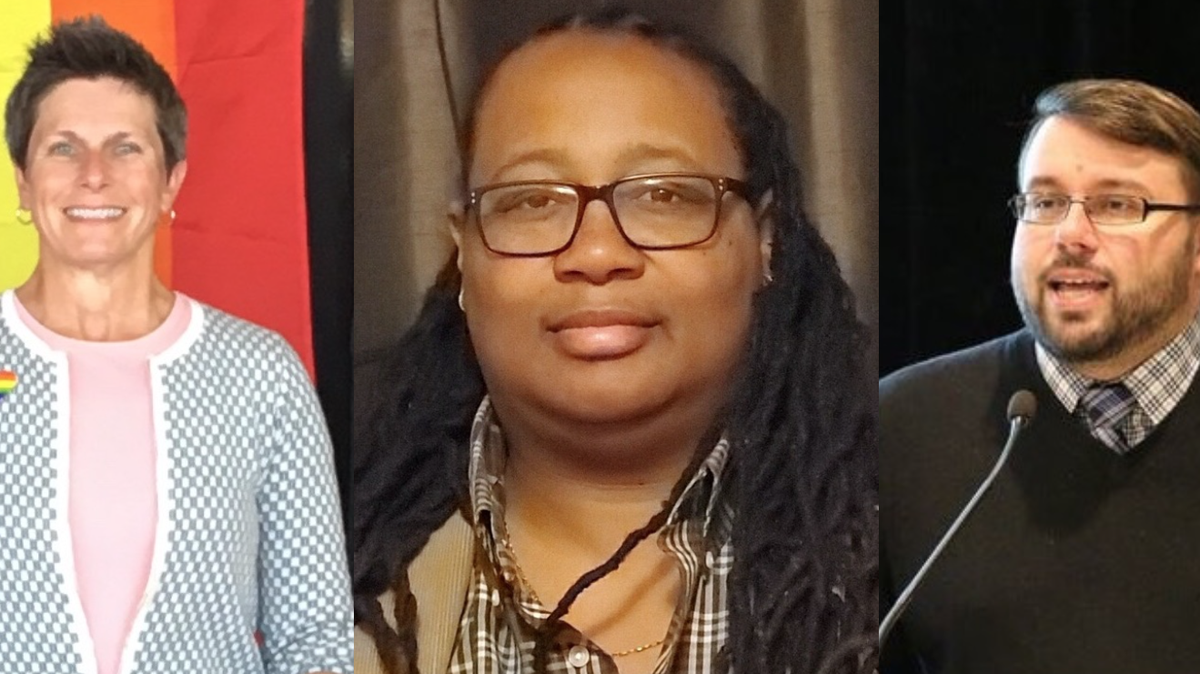
Linda Lawyer’s first reaction to last week’s surprise Supreme Court decision was, “Oh, finally,” — a sentiment shared by many in Charlotte’s LGBTQ+ community.
The 72-year-old Charlottean, who identifies as a lesbian, said she’s been waiting for this ruling for decades.
The Supreme Court ruled June 15 that the Civil Rights Act of 1964, which prohibits sex discrimination, also protects LGBTQ+ workers from workplace discrimination. Before the decision, it was legal in more than half of the country — including North Carolina — to fire workers for being gay, bisexual or transgender.
People who believe they were discriminated against in the workplace on the basis of sexual orientation and gender identity can now successfully file lawsuits.
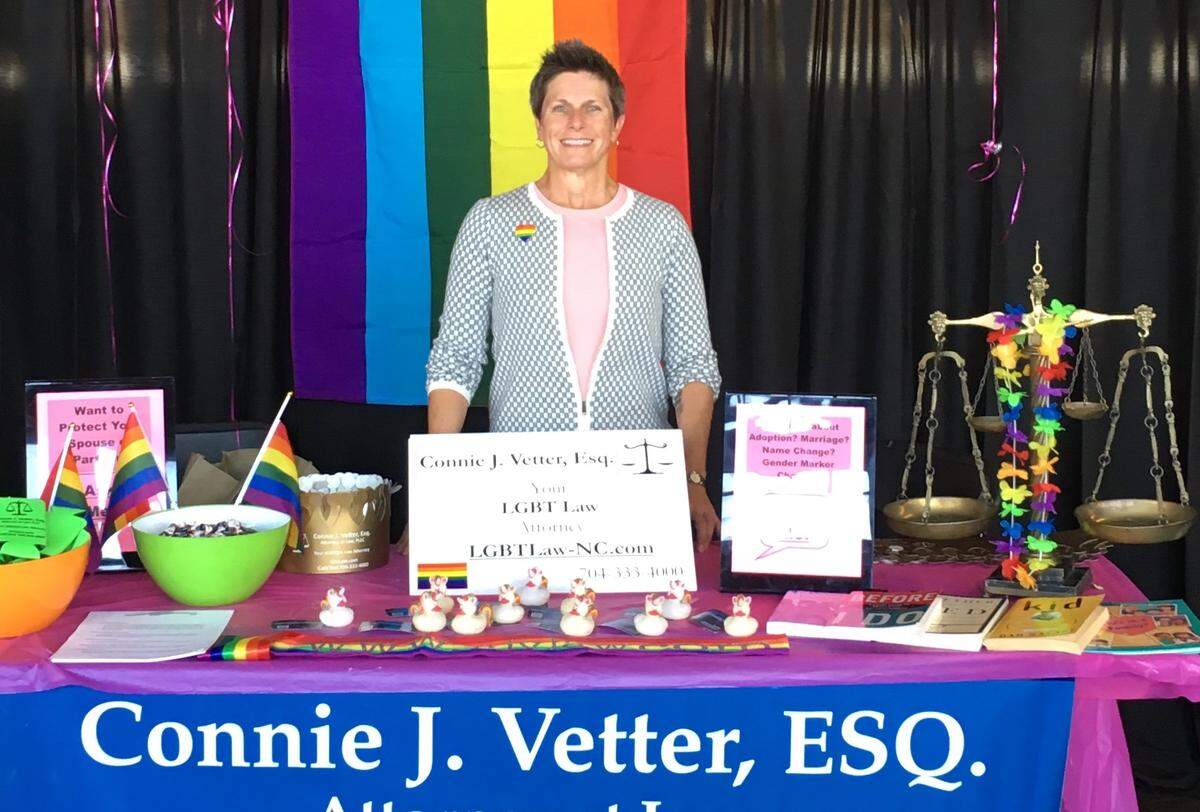
In the past, LGBTQ+ attorney Connie Vetter said consultations about discrimination cases have been very short because there’s not much people could do.
“The answer never feels good. The truth is, if they were discriminated against because of gender identity or sexual orientation, the case would never get very far,” she said.
“There were no protections until last week for someone being threatened at work or terminated for being LGBT, so this is a huge and wonderful change.”
Living a double life
A 2018 Human Rights Campaign report shows that half of LGBTQ+ workers are closeted at work. Lawyer didn’t come out for decades at her job at Duke Energy. She feared being outed in a hostile environment and then subsequently harassed or fired.
“I came to Duke Energy in 1982, and that was everybody’s biggest fear — being outed in the place you worked,” she said. “The No. 1 rule among LGBT people was ‘Don’t out anyone.’”
For most of her 31-year career at the company, Lawyer said she lived a double life, as did most LGBT-identifying people.
“Most people didn’t talk about their personal life, or they made up stories,” she said. “You had to be so careful. And you didn’t have pictures at your desks, which looked so different from someone else’s desk who was straight.”
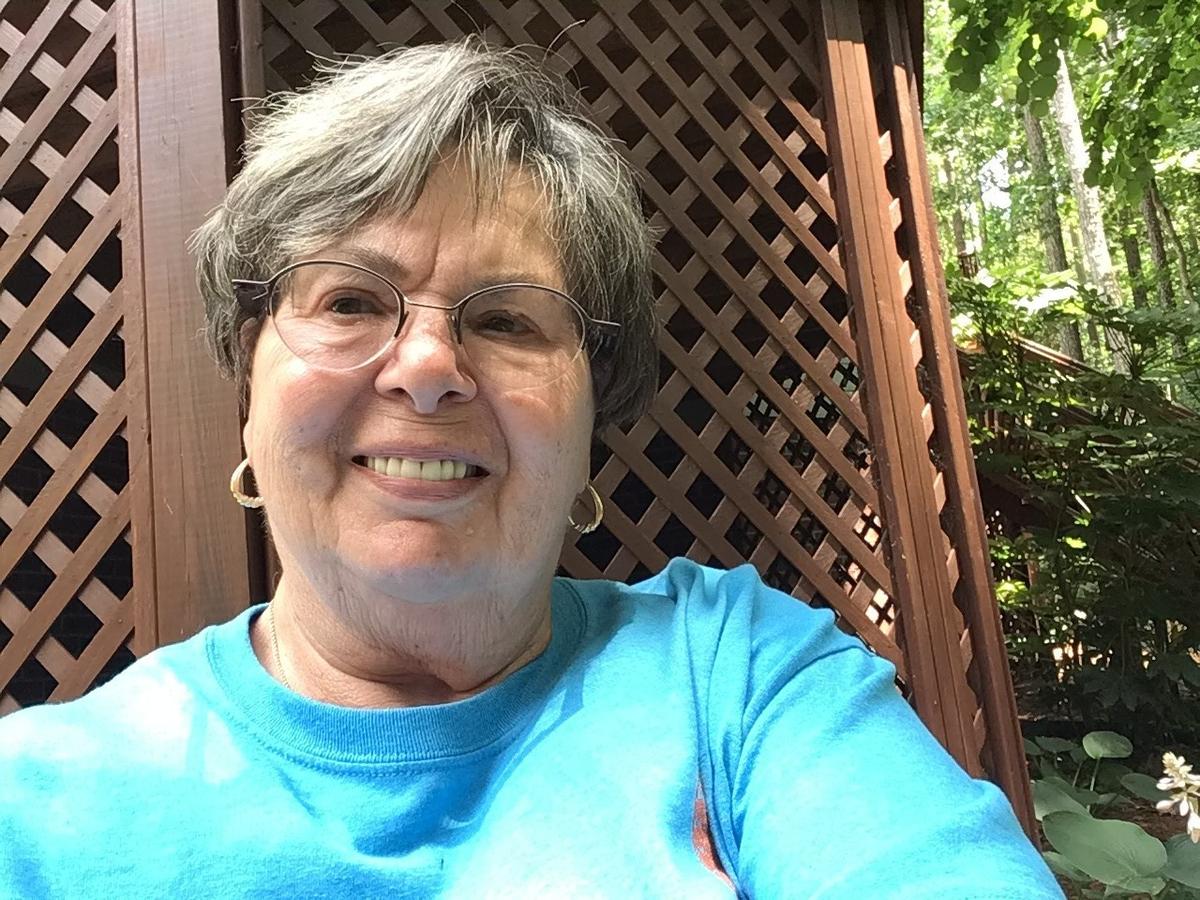
D Evans never came out at work.
Evans, who identifies as a lesbian biracial woman, did social work and provided medical support to people infected with HIV and AIDS for three years. At her former job, she felt uncomfortable giving presentations to the nearly all-white room. She said she felt like her colleagues already didn’t pay attention to her because she was a person of color. Evans decided she didn’t want to come out as a lesbian in a workplace that was already hostile.
“I knew I couldn’t be out at work. I know of things that work said in the workplace, that being gay was wrong,” Evans said. “It was very difficult.”
Evans said this also meant having to hide the identity of her partner, never able to share who she was spending time with on the weekends.
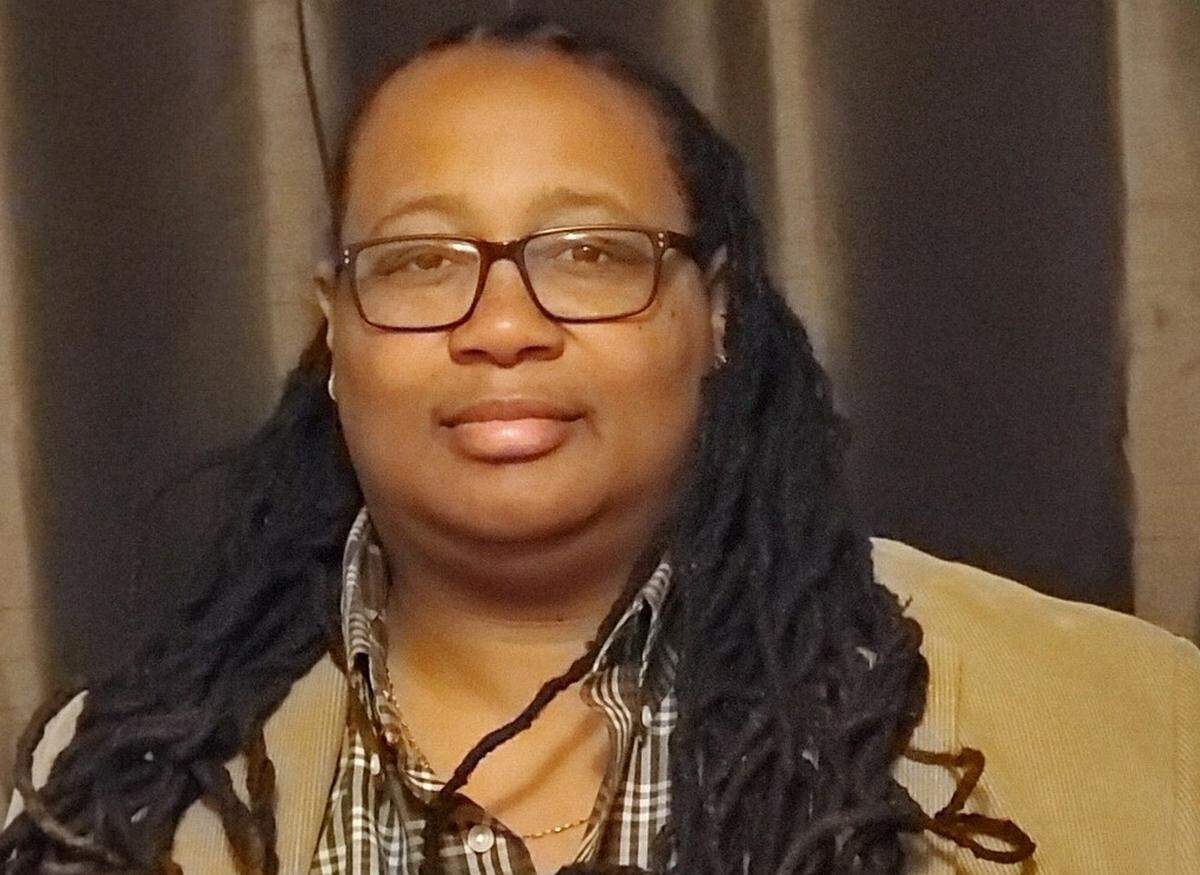
Co-chair of Charlotte Black Pride Gelisa Stitt, who works in information technology and finance at Wells Fargo, said that she, too, has never felt discriminated against at work, and was surprised at the decision made by the majority-conservative Supreme Court.
“It is interesting that we’re getting marriage equality before the opportunity to be safe at our jobs,” she said. “But I’m happy that things are turning out for the better.”
Darryl Logsdon, who works at Wells Fargo, has always been out at his workplace, even though he knew he wasn’t protected by law. Though his experience was largely positive, he said he “can’t stress enough what an exception” his case was.
Though he’s pleased about the ruling, Logsdon believes it’s overdue.
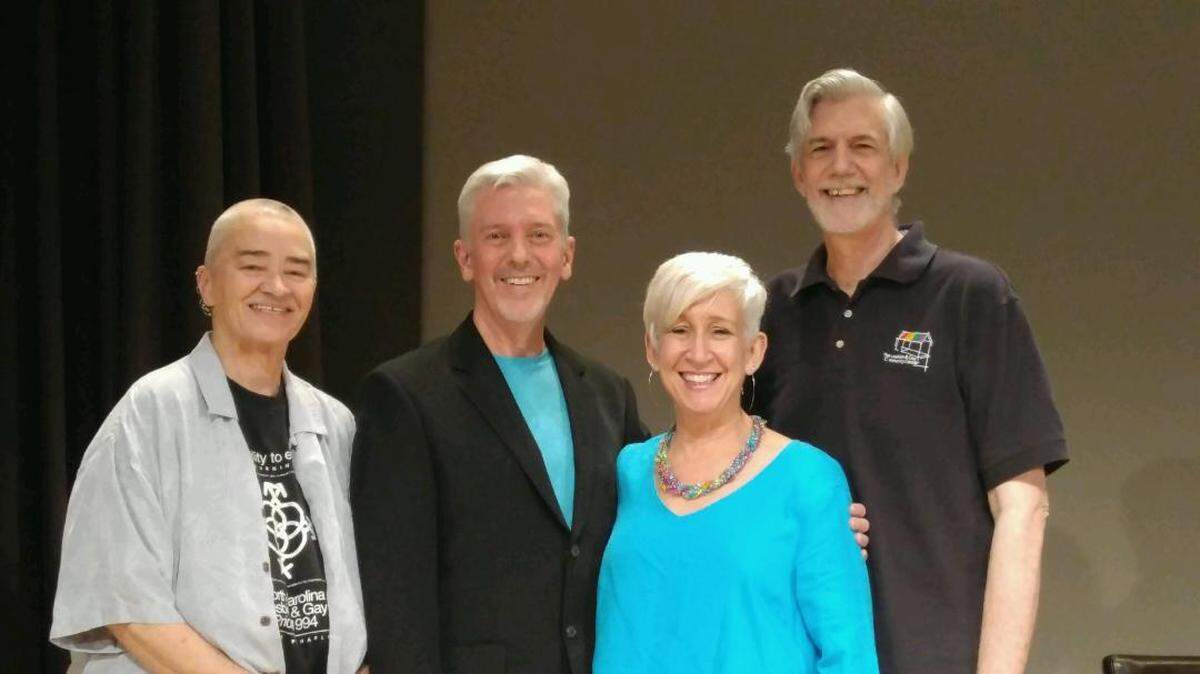
“While I welcome it, it’s so strange it happened in this order. If you had told me back then it was going to take 50 years to achieve job protections, I would have never believed that,” he said. “Conversely, if you had told me we’d have marriage equality in my lifetime, I’d think that’s impossible. In the early days, we thought job protections were going to come first, and then it would change society.”
‘A domino effect’
Logsdon said one of the big dynamics of this fight for equality in the workplace was that many people already believed LGBTQ+ people were protected under the law.
“That was maddening over the years — all the pain and suffering for such a basic civil right, and people think you already have it,” he said.
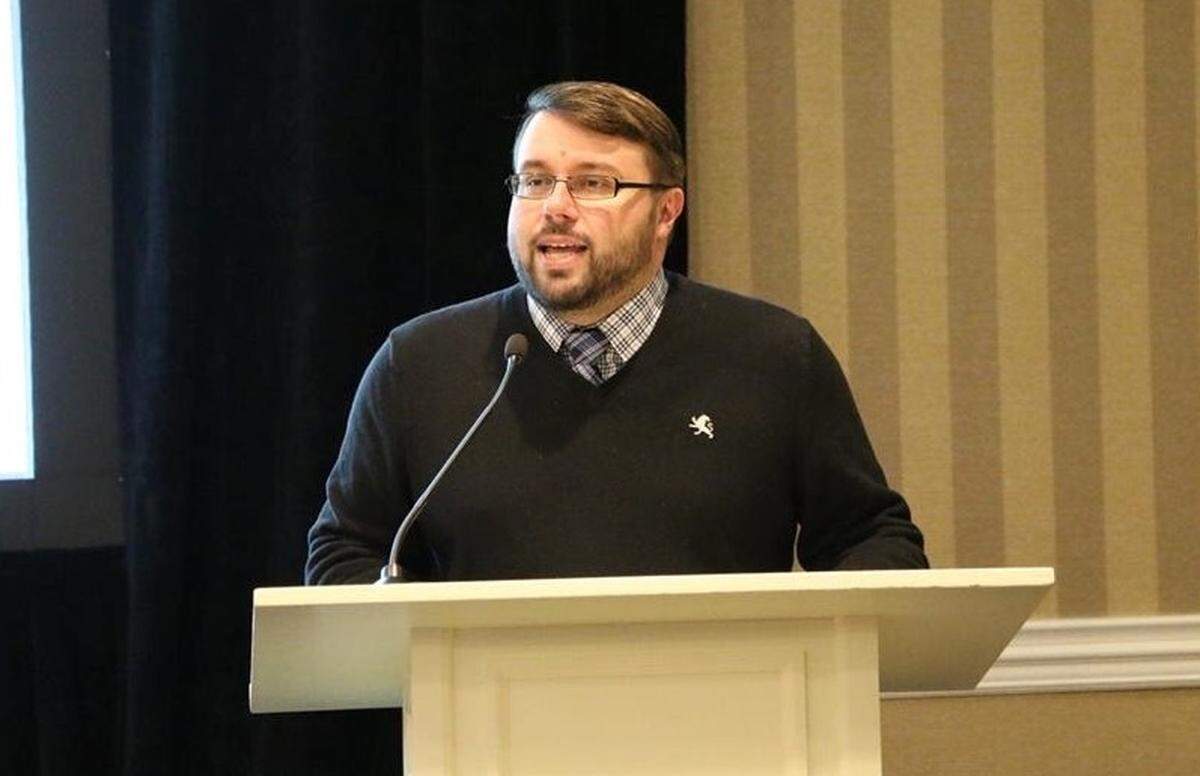
Though he also expressed confusion at the order in which LGBTQ+ rights were granted in recent years, Charlotte LGBT Chamber of Commerce President Chad Turner described last week’s decision as the “single most important ruling for LGBTQ+ people in my lifetime.”
“The Civil Rights Act affects every aspect of our daily lives,” he said. “There’s going to be a domino effect of challenges in other areas.”
And activists say there’s still work to be done. Though LGBTQ+ rights are now protected in the workplace by federal law, state law in North Carolina bans local governments from enacting anti-discrimination policies for groups not explicitly mentioned in the Civil Rights Act.
There have been several Charlotte lawsuits related to LGBTQ+ discrimination in recent years. In 2017, a Charlotte-based Bojangles’ was ordered to pay $15,000 to settle a sexual harassment and retailiation lawsuit from a transgender former employee, and a North Carolina man filed a lawsuit in 2018 after reportedly being harassed at work after his boss learned he was gay.
“This ruling is so important because people get to bring their whole selves to work and not have to try to maintain that closet, which is exhausting,” Vetter said. “They can focus on doing their job and solely be judged by the job they’re doing.”