‘He’s going to kill.’ Half of 2019 murder suspects had prior gun charges dismissed
READ MORE
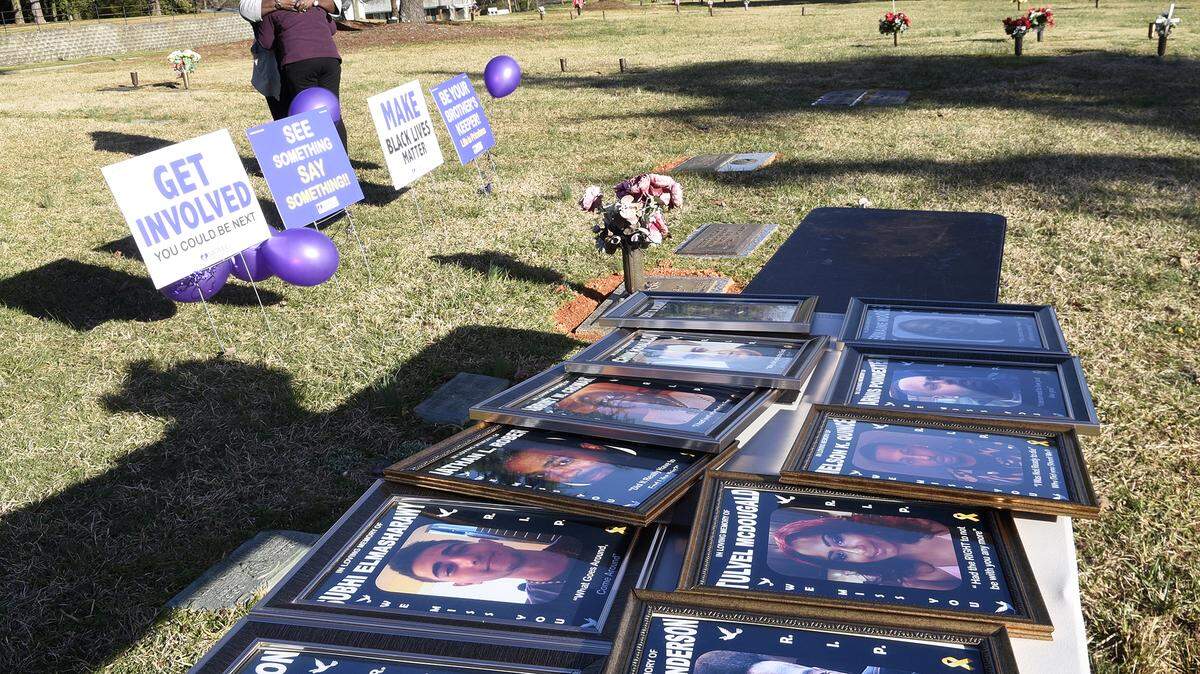
A Deadly Year in Charlotte
2019 ended with 107 people in Charlotte killed, the highest number of homicides in a single year for the city since 1993. Charlotte’s homicide rate is the highest it’s been in more than a decade.
Expand All
In a particularly deadly year for Charlotte, Jamarkus Crawford’s story was not unusual.
The west Charlotte man was charged with dozens of crimes — including 10 weapons charges — in the decade leading up to 2019. Prosecutors dismissed six of those weapons charges, including a felony assault charge that followed a 2016 shooting.
A conviction on that charge would have landed him in prison for more than five years. But a prosecutor dismissed the charge, largely because of conflicting statements by the shooting victim and a witness.
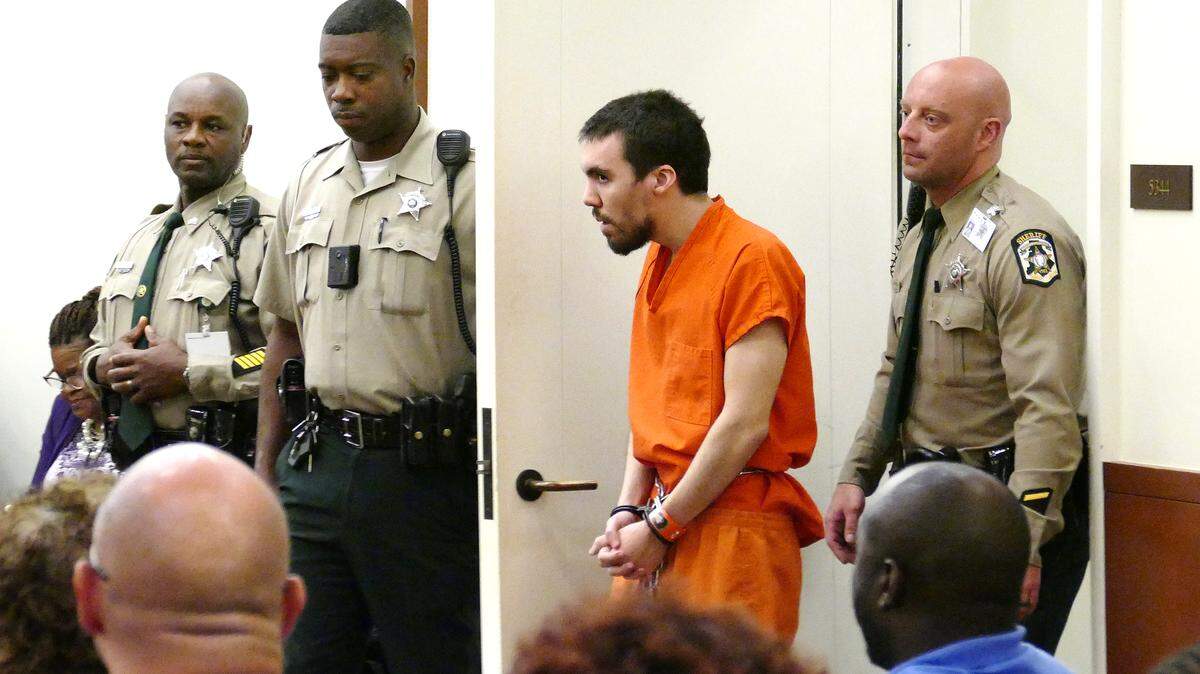
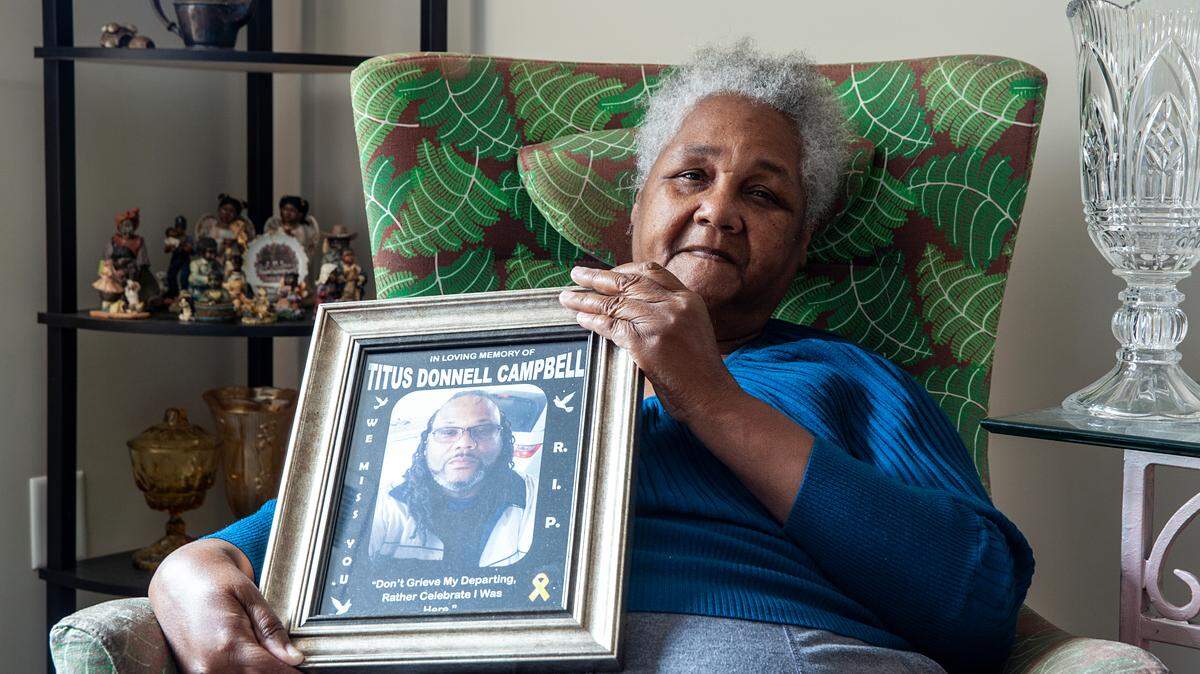
So Crawford was free on Feb. 20, 2019. That was the day he shot and killed an unarmed man twice his age — Titus Campbell, a 52-year-old Marine veteran and father of five.
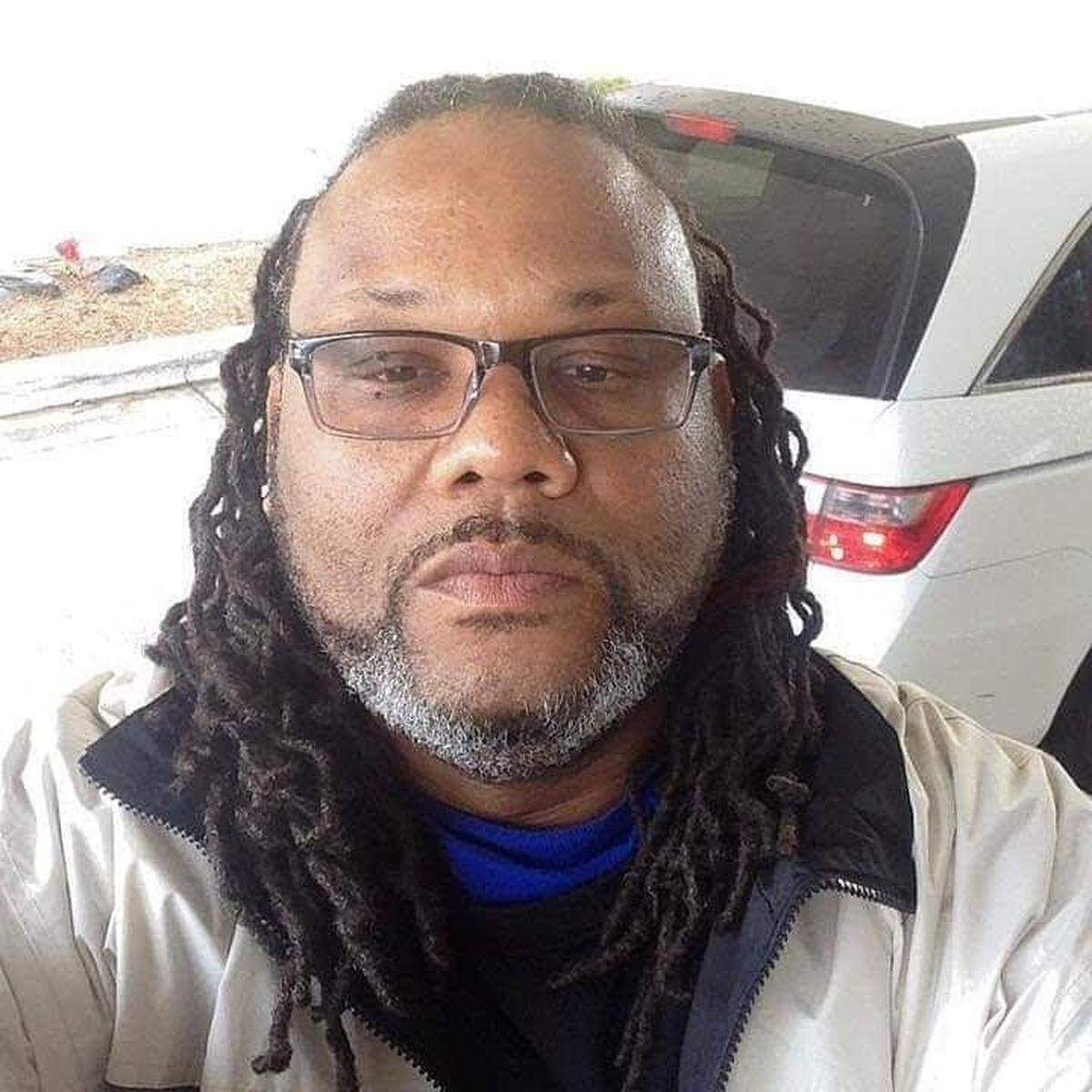
Crawford is one of more than 75 people who were charged with murder in Charlotte in 2019 — and one of about 40 murder suspects that year who had prior weapons charges dismissed. That trend, first revealed in a Charlotte Observer investigation last year, comes as the city recorded 107 homicides last year — its highest number since 1993.
The Observer examined the criminal records of all the suspects charged with murder in Mecklenburg County last year. More than half of them were charged previously with weapons crimes in Mecklenburg. Most of those charges were dismissed.
For 13 of those suspects, a conviction on an earlier charge — rather than a dismissal — would have put them behind bars at the time of the killing they have been charged with. All of those suspects were charged with murder, and most of them are awaiting trial.
Titus Campbell’s older sister, Bunny Gregory, says all the dismissals send criminals a message: that they can’t be touched.
“It absolutely puts lives at risk,” Gregory said. “At some point, you have to say, ‘This is what this person does. He’s going to kill somebody if we keep letting him go.’ ”
When gun suspects avoid punishment
In September, the Charlotte Observer published a four-part investigation showing that prosecutors in Mecklenburg County dismissed more than two-thirds of weapons charges from 2014 through 2018 — more than any other urban county in the state. The Observer identified about 60 weapons crimes, including armed robbery, assault with a deadly weapon and possession of a stolen firearm.
Mecklenburg’s high dismissal rate means that defendants who commit crimes have a greater chance of avoiding punishment than those in other N.C. counties. Defendants who get away with crimes often move on to worse offenses, including murder, experts say.
That pattern has frustrated police officers and angered relatives of those killed by guns.
Charlotte-Mecklenburg Police Det. Sue Martin, who investigates violent crimes in northwest Charlotte, previously told the Observer that she keeps a mental list of people arrested for using guns who she thinks may one day kill somebody.
“This person is going to be next. He’s going to be killed or kill somebody. He keeps getting off,” she said.
Former prosecutors said they had little choice but to plea bargain or dismiss most charges. That’s because prosecutors shoulder heavy caseloads and operate in a state-funded court system that is so overburdened that less than 1% of felony cases go to trial.
Mecklenburg’s prosecutors say they work hard to get people who commit weapons crimes off the street. But they say cases are often hampered by poor evidence and by witnesses who can’t be found, can’t be trusted or refuse to testify.
When asked to explain why Mecklenburg’s dismissal rate exceeds those of other urban counties, District Attorney Spencer Merriweather told the Observer last year that the county suffers from more big-city problems, including more poverty and violent crime. As a result, he said, Mecklenburg has more people who distrust police and prosecutors — and fewer people who are willing to cooperate with authorities after they witness or become victims of crimes.
“In every single case ... we’re trying to determine whether we can prove it, and if we can prove someone committed an act of violence with a gun, then we will do everything we can within the confines of the Constitution to make sure that person goes to prison,” said Merriweather, who became Mecklenburg’s top prosecutor in November 2017.
Merriweather wouldn’t comment for this story. Ethical obligations prevent prosecutors from commenting on pending cases, a spokesperson for Merriweather’s office said.
Suspect left jail days before murder
Time after time, Merriweather’s office has been faced with suspects like Corey Vega. In October 2019, about two months after he was released from prison on a charge of conspiracy to commit armed robbery, Vega was back in the Mecklenburg County jail.
This time, police said he used a handgun to rob a woman of an iPhone.
But on Oct. 28, Mecklenburg prosecutors dismissed the charges.

“The victim in this case gave officers a statement that was not corroborated by any other evidence,” wrote a prosecutor explaining why the charges were being dismissed. “In fact, her boyfriend, the other victim, refused to cooperate with police and left the scene. There were no independent witnesses.”
Vega, 23, walked out of jail a free man on Nov. 14.
Three days later, police said he shot and killed Ebony Harrison, 27, during an argument. Charged with murder, Vega is awaiting trial.
Harrison’s sister Takela Sanders, 42, said she got the call at 2:50 a.m. that morning. Harrison’s death still hasn’t sunk in, she said.
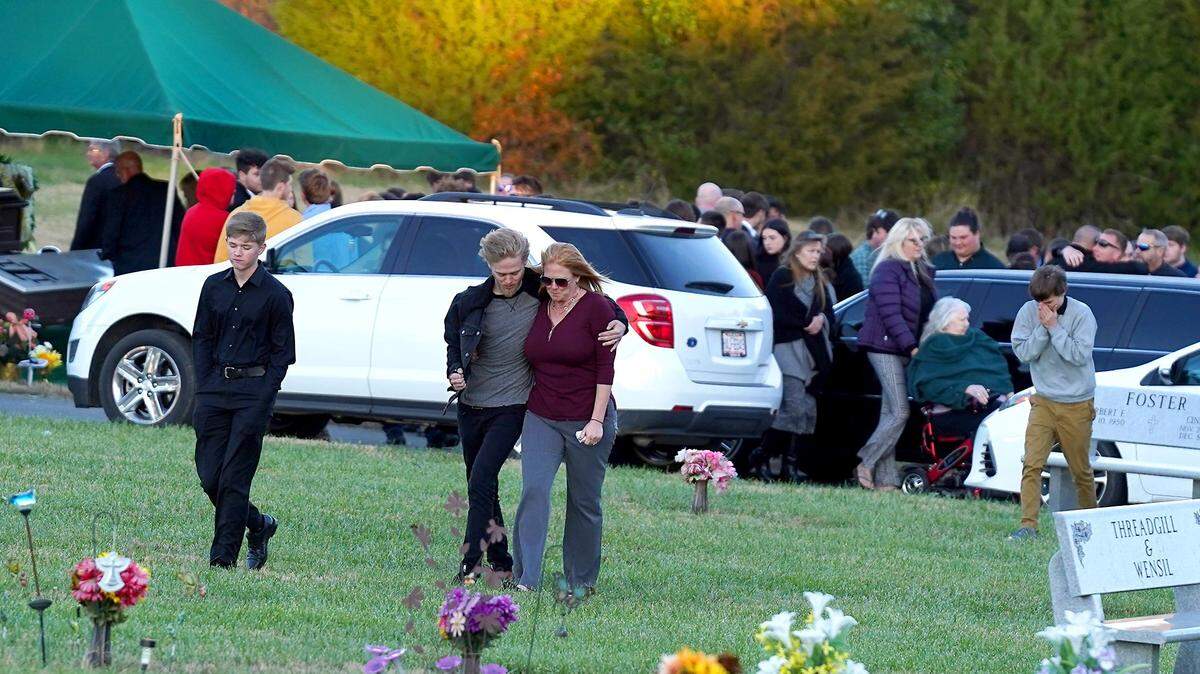
“I did the funeral, I have seen my sister in a casket. I buried my sister,” Sanders said. “But I’m still in shock.”
Sanders questioned why Vega was free. He had seven prior weapons charges, data show. Prosecutors dismissed six of them, including armed robbery charges in 2017 and 2019. Had he been convicted on either of those charges, he would have been imprisoned for more than three years.
“I put the blame on the justice system,” Sanders said. “If he would have been locked up, my sister would be here today. They really failed my family.”
Problem stems from underfunded courts
For years, North Carolina’s courts have been among the nation’s most poorly funded, an Observer investigation found.
North Carolina spent less per resident on its courts than any other state-funded system, according to the most recent review of budget data, collected in 2012 by the National Center for State Courts.
And Mecklenburg and Wake counties have fewer prosecutors than almost any other urban county their size nationally, an Observer survey found.
Processing more than 2 million cases a year, North Carolina’s courts have more crime than they can effectively handle, many involved in the criminal justice system say. Prosecutors, facing overwhelming caseloads, dismiss or plea bargain most charges, sending many suspects free.
In an October interview, N.C. Gov. Roy Cooper contended the state courts need more funding to successfully prosecute gun criminals.
“I think there is a need for more prosecutors and judges, particularly in our urban areas,” the Democratic governor and former attorney general said. “...There is no question that we need more to handle the workload.”
Democratic lawmakers have argued that the legislature has failed to provide adequate funding to the courts in the state’s largest urban counties.
Some Republicans have also said the courts need more resources.
But Sen. Danny Britt, a Robeson County Republican, argued that Mecklenburg’s high dismissal rate has less to do with funding than with what he sees as the county’s drift to the political left.
Merriweather, a Democrat, disputes that. He said his office dismisses cases only when there is insufficient evidence for a conviction.
‘He’s going to kill somebody’
Publicly available documents don’t shed light on what Jamarkus Crawford and Titus Campbell were fighting about the day Campbell was killed.
But Campbell’s girlfriend told police she came out of the home’s bathroom to find Campbell and Crawford fighting. She said Campbell had Crawford in a bear hug. Then, she said, she saw Crawford point a handgun toward Campbell’s rib cage and shoot.
Paramedics were unable to revive him.
Crawford fled the scene but was later arrested and questioned by police.
Initially, Crawford denied being involved in the shooting, but later said he shot in self defense, a prosecutor told the judge at the sentencing hearing. Crawford contended Campbell had put him in a choke hold and that he couldn’t breathe.
In October, Crawford pleaded guilty to voluntary manslaughter in Campbell’s death. Crawford, now 27, was sentenced to more than seven and a half years in prison.

But Campbell’s family members question why Crawford was free in February, given the many other charges that had been filed against him.
“It’s teaching kids that you don’t have to be respectful in this life,” Campbell’s mother, Pearl, said. “You can just go out and do pretty much what you want to do.”
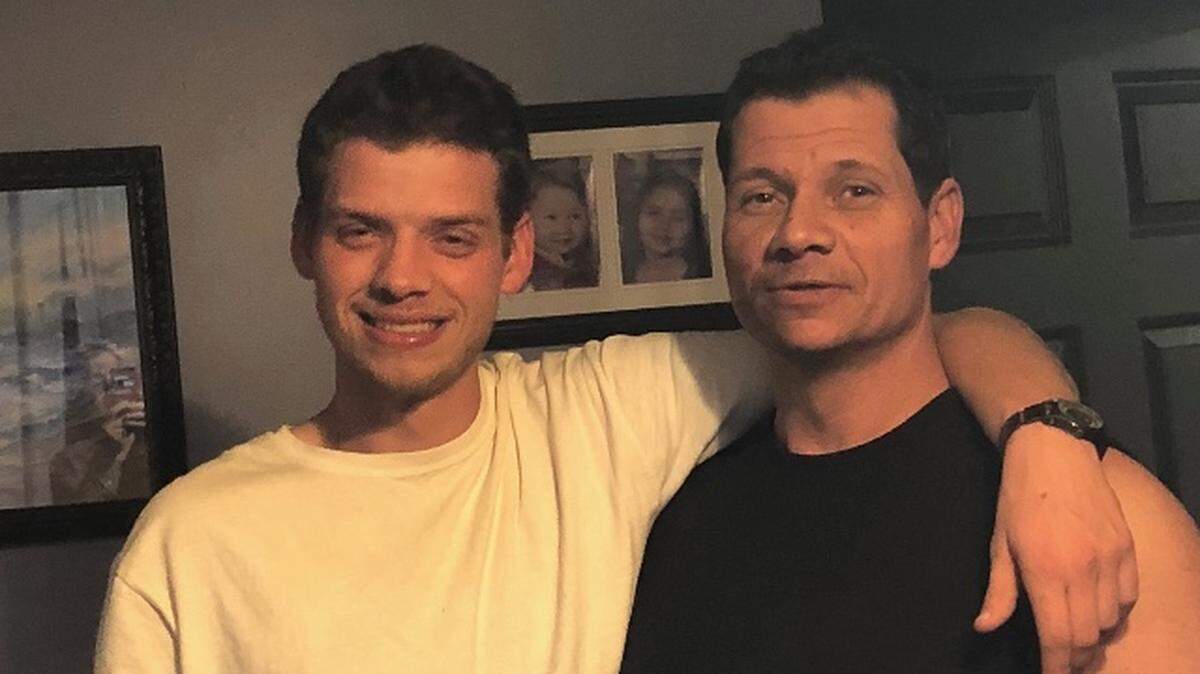
Campbell’s relatives remember how he loved to sing gospel hymns, tease his relatives and play practical jokes. Sometimes, they said, he’d pretend he’d cut off his finger in the kitchen — or that someone had run over his foot while backing up their car.

Despite his size — 6’3’’ and about 280 pounds — Campbell didn’t start fights, Gregory said.
“He was always willing to walk away,” she said.
This story was originally published January 15, 2020 at 5:00 AM.
.JPG)



.jpg)