New bill — called ‘Logan’s Law’ —would create a national criminal database. What to know
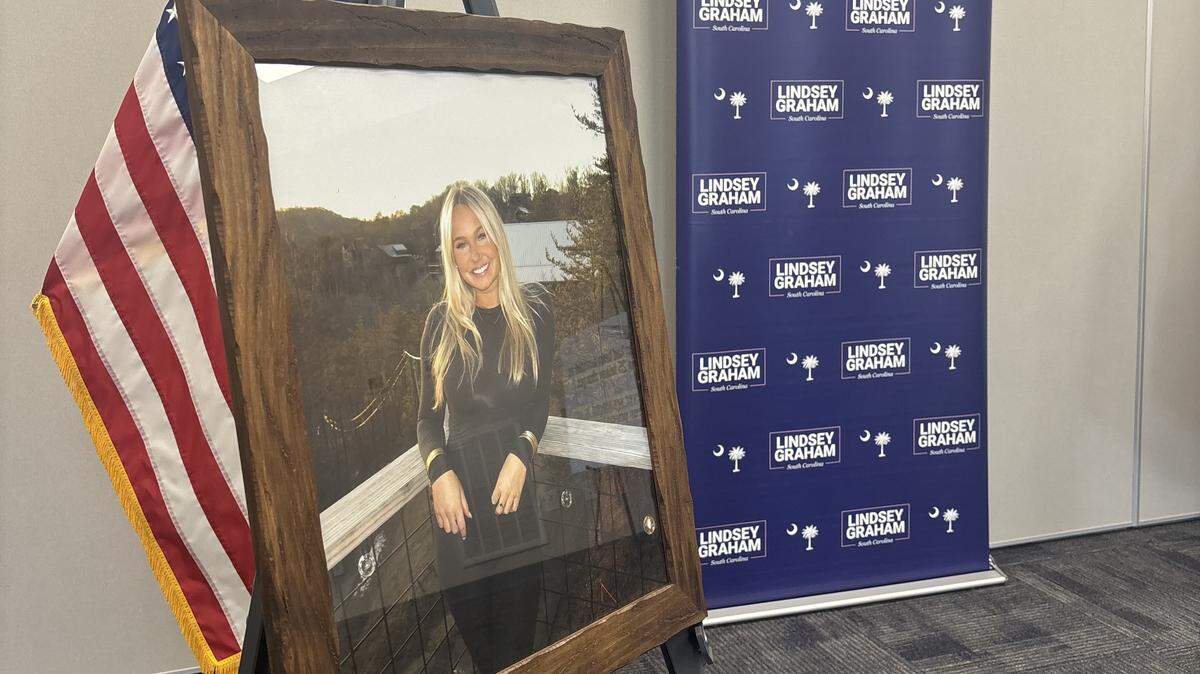
Federal lawmakers announced in Myrtle Beach Wednesday they were proposing a new bill aimed at creating a “violent criminal offender database” in response to the killing of a 22-year-old North Carolina woman in Columbia last May.
“Logan’s Law” is named after Logan Federico, who was shot and killed in a home robbery while visiting friends in Columbia. The bill, created by U.S. Sen. Lindsey Graham and U.S. Rep. Russel Fry, would create a public database of people who have been convicted of violent crimes.
The push for legislation came after questions arose as to why Federico’s killer — Alexander Dickey — had been released from jail and put on probation despite his criminal history. In the months following Federico’s death, the focus turned towards the Lexington County Sheriff’s Department after it was discovered the agency had a documentation error regarding Dickey, The State Newspaper previously reported.
“If the information had been available about (Dickey’s) prior felonies and his prior convictions for burglary, he would still be in jail and (Federico) would be alive,” Graham said. “We’re trying to create a solution to a problem that’s begging for a solution.”
How would the criminal database work?
The bill, if passed, would have all states send data to the U.S. Attorney General regarding people who have been convicted of a violent crime and had to spend more than six months in jail.
The database would include both state and federal convictions and would make them searchable with different categories, such as name, nationality, citizenship status, type of conviction. In order for the crime to be considered “violent,” it would have to have been “violence or attempted violence against a person or property.”
If a state chooses to not participate, it could lose U.S. Department of Justice grants, Graham said. Both Graham and Fry told reporters on Wednesday that the bill is also intended to hold prosecutors and judges accountable.
Dickey had previously been charged with burglary and larceny when he was arrested in 2014. The Lexington County Sheriff’s Department failed to re-enter Dickey’s fingerprints upon realizing he had additional charges, leading them to not appear on his rap sheet, according to previous reporting by The State Newspaper.
When Dickey was charged with burglary again in 2023, prosecutors believed that to be his first burglary-related offense, and he was then released on probation after he was convicted. Fry told reporters that Dickey should have never been out on the street.
“What I think you see in this case is not just that the system failed — it did — it’s that you have no accountability in the system for prosecutors or judges on actions that they take that impact real people,” Fry said.
The second part of “Logan’s Law” would also require the U.S. Attorney General to submit a report to Congress that would identify problems concerning how fast states share criminal data with the federal government.
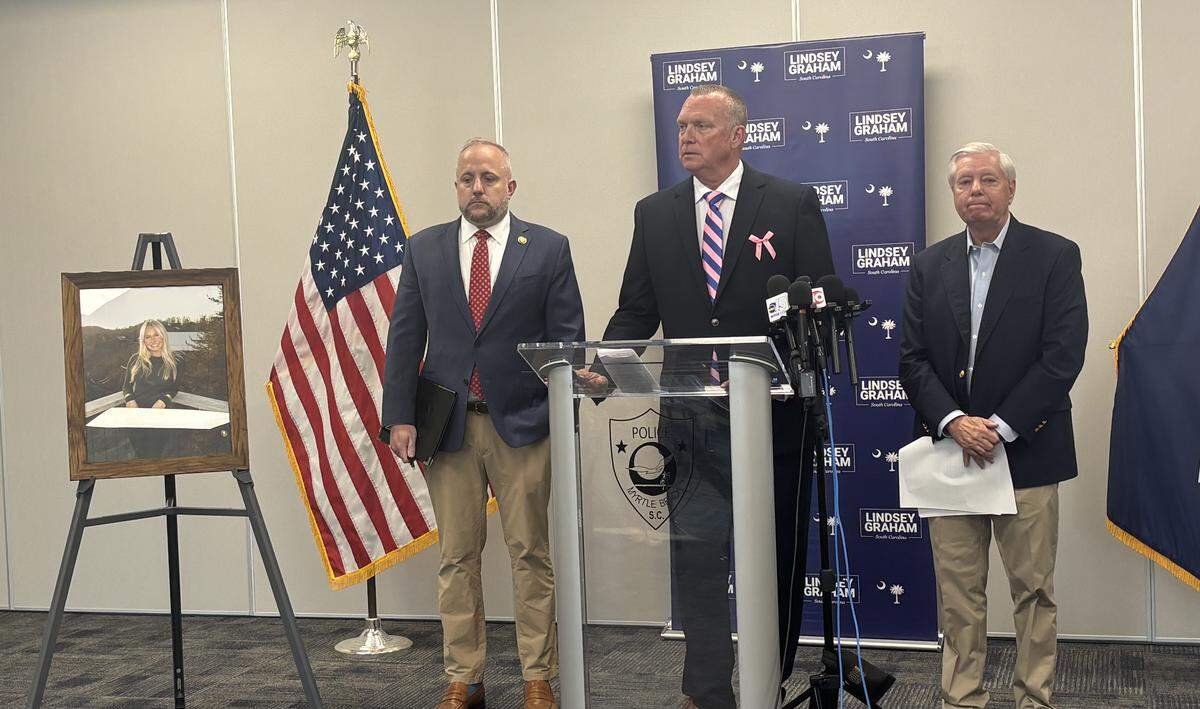
One year since Logan Federico’s death
Sunday marked a year since Federico was killed. Her father, Steve Federico, who was in attendance Wednesday, told reporters they’ve worked to cope with Logan’s death.
Federico said he’s been working with Graham and Fry on the legislation for the past year.
“There is no recovering from this,” Federico said. “There’s hope for a better future and a safer society for the innocent people that we see leave our homes every day and expect to come back.”
Graham said the bill will be sent to the Senate Judiciary Committee in hopes to get a vote on the bill by the end of 2026.
This story was originally published May 6, 2026 at 4:55 PM with the headline "New bill — called ‘Logan’s Law’ —would create a national criminal database. What to know."