
Invasive wasp from Asia found in North Carolina for the first time, state reports
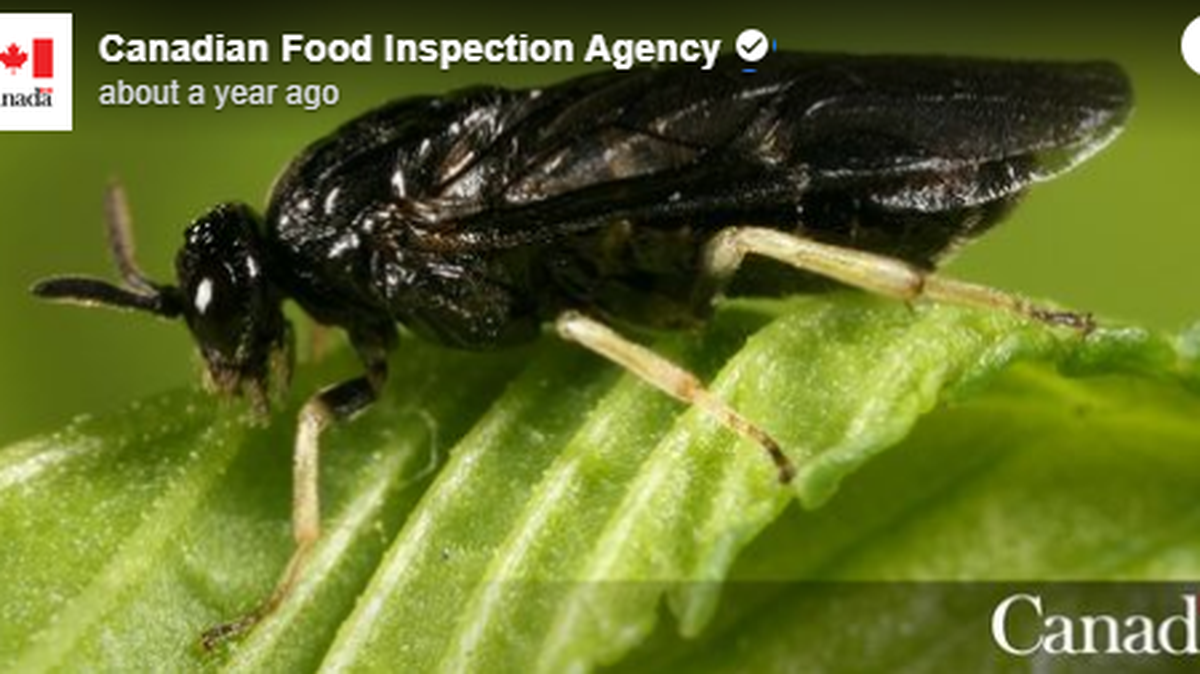
A invasive wasp from Asia has been discovered in two counties along North Carolina’s Virginia border — and that could mean big trouble for the state’s beloved elm trees, according to the N.C. Department of Agriculture.
Called the elm zigzag sawfly, the species doesn’t sting, but reproduces so rapidly that it could overwhelm native trees, the department said in a news release.
The discovery of the infestation in Surry and Stokes counties comes just one year after the pest turned up in Virginia, officials said.
Elm zigzag sawflies are native to Asia, but were detected in Quebec, Canada, in 2020, and have continued to spread south.
“Although small, the elm zigzag sawfly can cause significant damage to elm trees due to their ability to rapidly increase population size,” according to forest health specialist Brian Heath of the N.C. Forest Service. “Elm zigzag sawflies can have multiple generations per year, as females reproduce without mating, which accelerates their population growth.”
It’s not uncommon for native insects to eat their way through tree leaves in the spring and fall, foresters say, but it typically “does not result in long-term health impacts to a tree.”
That may not be the case with zigzag sawflies. Trees forced to endure repeated defoliation by the pest can easily become stressed and die, Heath warns.
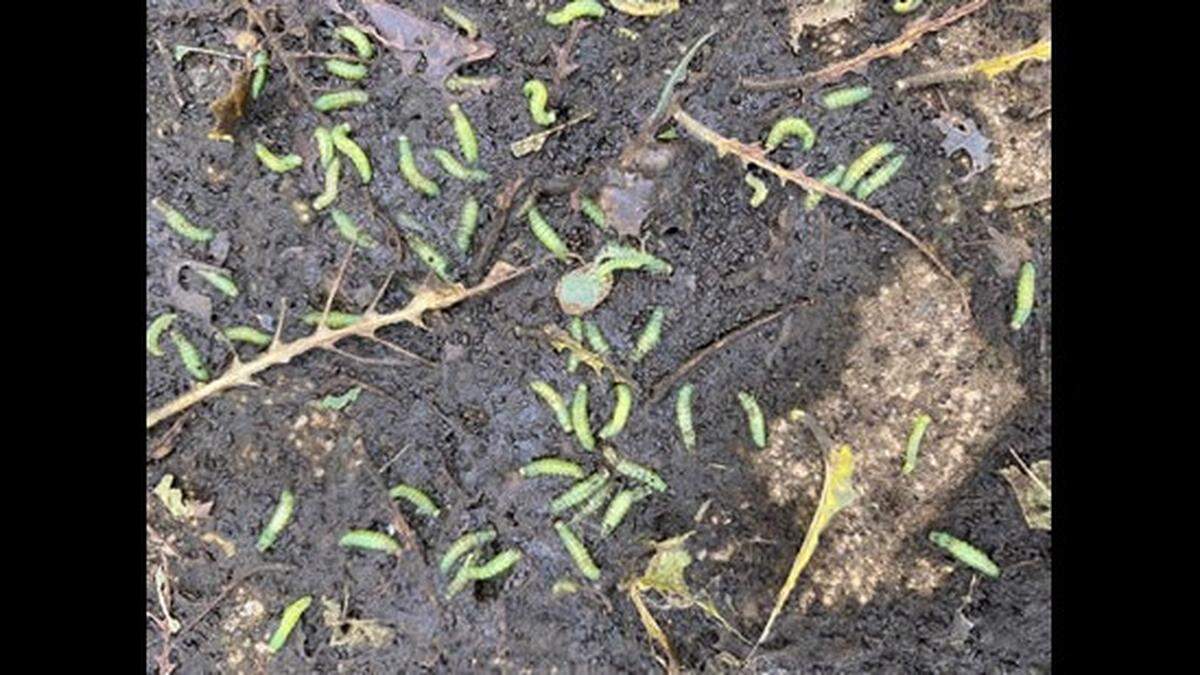
“Like other sawflies, adults are strong flyers which can lead to further spread from these established sites,” the state says. “Homeowners within infested areas should take caution to prevent spreading the sawfly as they can hitchhike on plants or soil, or as cocoons attached to various objects.”
The species is considered harmless to humans and animals.
Defining characteristics include a “zigzag” pattern left in leaves when the larvae feed.
“It is a small, green, caterpillar-like larva less than half an inch long and feeds exclusively on the leaves of elm trees,” the state reports.
“If you see a defoliating elm tree that you suspect is being impacted by this new invasive pest, note the location, try to safely photograph the insect and the leaves that have been eaten upon, and contact your local NCFS county ranger,” N.C. Agriculture Commissioner Steve Troxler said in the release.
Sightings can be reported at https://www.ncforestservice.gov/contacts.
This story was originally published September 7, 2022 at 3:56 PM.