
Want to compensate victims of lawfare, President Trump? Start here. | Opinion
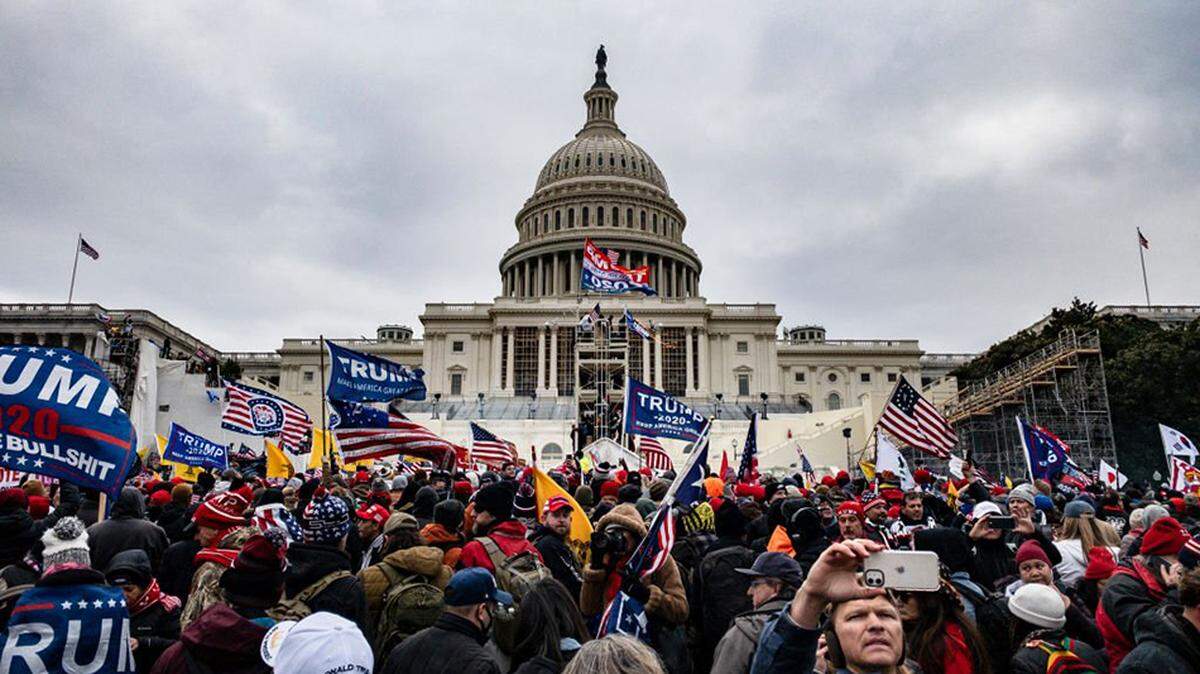
This month, President Trump negotiated a settlement with his own Justice Department in the lawsuit he filed against the IRS. The settlement included a $1.8 billion taxpayer-funded anti-weaponization fund which will pay for a “systematic process to hear and redress claims of others who suffered weaponization and lawfare.” Acting Attorney General Todd Blanche explained “The machinery of government should never be weaponized against any American, and it is this Department’s intention to make right the wrongs that were previously done while ensuring this never happens again.” The first seeking compensation? Individuals who broke into the United States Capitol on Jan. 6, 2021, brutally beat police officers, smeared feces on the walls and threatened to execute the vice president, all in an attempt to prevent congress from certifying the results of the presidential election.
Whenever folks talk about lawfare and the weaponization of the criminal justice system, I think of a young Latino man in the congregation I served in Boston many years ago. He was arrested when he was 17. He did not know his father and his mother had recently died; his church family was all he had. So I met with his court-appointed lawyer and showed up when he had court dates. It was an education.
Before my friend was arrested, he was living in a foster care group home. His charges related to an attempted robbery, a stunt related to a gang initiation. He was looking for community, for belonging, for identity. No one was hurt in his crime, but it wasn’t cute.
On the day of his first appearance I sat in the gallery with his lawyer. We waited and waited while case after case was called. Young white men, students of Boston College and Boston University, walked up from the gallery when their names were called with their private attorneys. The charges were read: possession of a narcotic, possession with intent to distribute, vehicular manslaughter. These charges were not cute.
We sat there as the young men’s names were called. They rose from their seats in the gallery, they walked to the front in their suits and ties, they said, “yes, your honor” and “no, your honor” and they were dismissed back to their classes, back to their lives to await their next court dates.
And the court started bringing men in from the back. These men wore orange prison jumpsuits. These men walked in handcuffed and shackled. These men were served by court-appointed attorneys. These men were Black. These men were Latino. There were some drug charges. There were shoplifting charges. One man was walked in by bailiffs, in chains, and the charge against him was shoplifting two packs of diapers from a CVS. I looked at my friend’s attorney because I thought I misheard. I asked him if that man was in jail and going back to jail for stealing diapers. The lawyer said, “Of course.”
These young, white college boys were moving through the process while charged with much more serious crimes without spending a day in jail. But the Black men and the people of color were moving through the same process, sometimes on much lesser charges, in jail.
Our system says everyone is innocent until proven guilty. For some people that looks like navigating a multi-year process while carrying on with school and job and life. For other people, innocent until proven guilty looks like serving your sentence before you even go to trial. It looks like losing your job, your housing and sometimes even your children.
A cash bail system that keeps some people incarcerated awaiting trial and allows others to go free solely because they have more access to money and social capital is lawfare. If you sit and watch a day in a court you’ll see the difference runs right down the color line. We have two criminal justice systems in this country. As Bryan Stevenson says, you get better outcomes in America if you are rich and guilty than if you are poor and innocent. White people and Black people commit crimes at the same rate, but they are incarcerated at wildly different rates. As a person of faith, I think that makes Jesus weep and the devil dance.
If we want to compensate victims of lawfare, let’s start there.
In his first sermon, Jesus announced that he was inaugurating the Kingdom of God, and it was good news for the poor and oppressed and release for the prisoners. I think Christians have gotten really comfortable with that being a metaphor, but I think Jesus actually meant it.
The young man who was so precious to so many of us died a few years ago. He fought the good fight, but his addiction eventually overcame him. He had many traumas to carry in his life, but the time he spent in jail so soon after the loss of his mother — it didn’t rehabilitate him. He got out of prison and worked hard to build his life from the ground up. He always had a church family who loved him, and he always had systems working to swallow him whole. He was a bright light. I miss him.
I know if he had been a young white man attending Boston College, he never would have spent a night in jail.
Kate Murphy is pastor at The Grove Presbyterian Church in Charlotte.