
The 'tragic gap' is where it's at
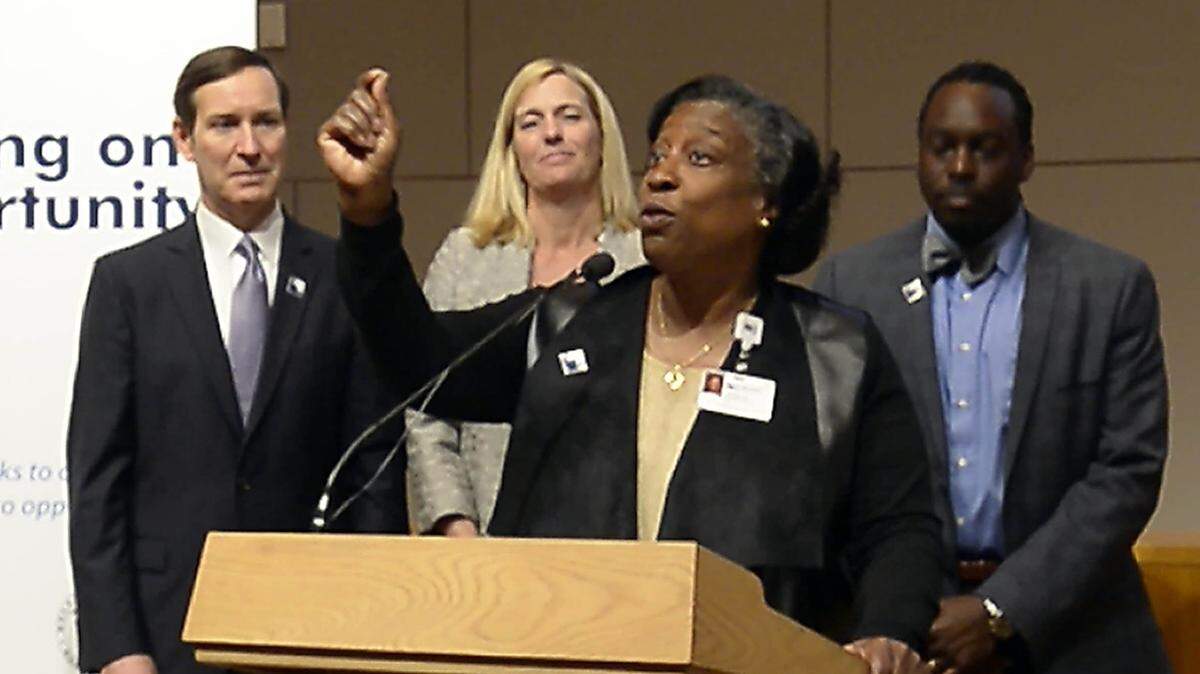
We should all stand in the tragic gap.
Parker Palmer, writer and founder of the Center for Courage and Renewal, describes the tension between reality and possibility as “standing in the tragic gap.” He writes that focusing too much on reality breeds cynicism but that focusing too much on possibility leads to an irrelevant idealism. In order to find inner peace, we must learn to stand in the tragic gap between reality and possibility.
Charlotte experiences constant tension between reality and possibility. The reality is that this city is not a great place for everyone to live. The possibility is that it could be.
Everywhere we look, there is tension between Charlotte residents' realities and the city's sales pitch. We were caught off-guard by a few unflattering reports that offered a stark look at economic mobility in Charlotte. These reports were reinforced by protests following the shooting of Keith Lamont Scott. Concurrently, we had a public debate on LGBTQ rights that cost our state millions of dollars in economic opportunity. The circumstances that create challenges for upward mobility and economic development have been exacerbated by rapid growth and short-sighted policy from the Republican-led North Carolina legislature.
Whenever something negative happens, some of our leaders instinctively want to fix the image problem. They work to restore the possibility of being “open for business” and a “great place to live” as quickly as they can. They indulge in community conversations as part of the restoration process, but it often feels like a means to an end. More often than not, the result is an event with a logo and a tagline to paper over the blemish.
On the other hand, as frustrations grow over insensitivity to reality, other community leaders are quick to organize protests. In the past year alone, we have seen protests and rallies for increasing teacher pay, sensible gun policy, protecting women’s rights, acknowledging science, and now compassionate immigration policies. The discomfort resulting from a confrontation with reality can spur action, if used selectively. We risk fostering apathy through protest-exhaustion if we misuse this tactic.
The conversation between these two types of community leaders often feels combative and competitive. It doesn’t have to be. Our best self, or in this case, best city, will manifest when they work together and learn to collaborate in the tragic gap.
Last week, Charlotte was one of 10 cities that received the All-American City award from the National Civic League for demonstrating “civic engagement practices that are inspirational, inclusive and promising in their ability to unite members of the community to collectively and collaboratively help solve our country’s most pressing and complex issues.” The City of Charlotte was recognized for engaging thousands of residents in one-on-one conversations and community meetings following reports showing economic inequity in the city, and a police shooting in late 2016. These conversations resulted in Project P.I.E.C.E., LEVEL UP, and the North End Smart District.
These projects reflect a multi-year commitment to sustained and intentional engagement, but this work was accelerated by a sense of urgency created by public protests. As a result we have programs and development projects that were co-created with residents and meet their needs. As a bonus, we received national recognition and respect.
There’s more work ahead, but we have multiple models for success that work for our city in these three projects. Kudos to the leaders who dream of more and the leaders who keep us honest for standing together in the tragic gap.
This story was originally published June 29, 2018 at 2:29 PM.