Trump tax break stirs interest in blighted parts of Charlotte. Who really benefits?
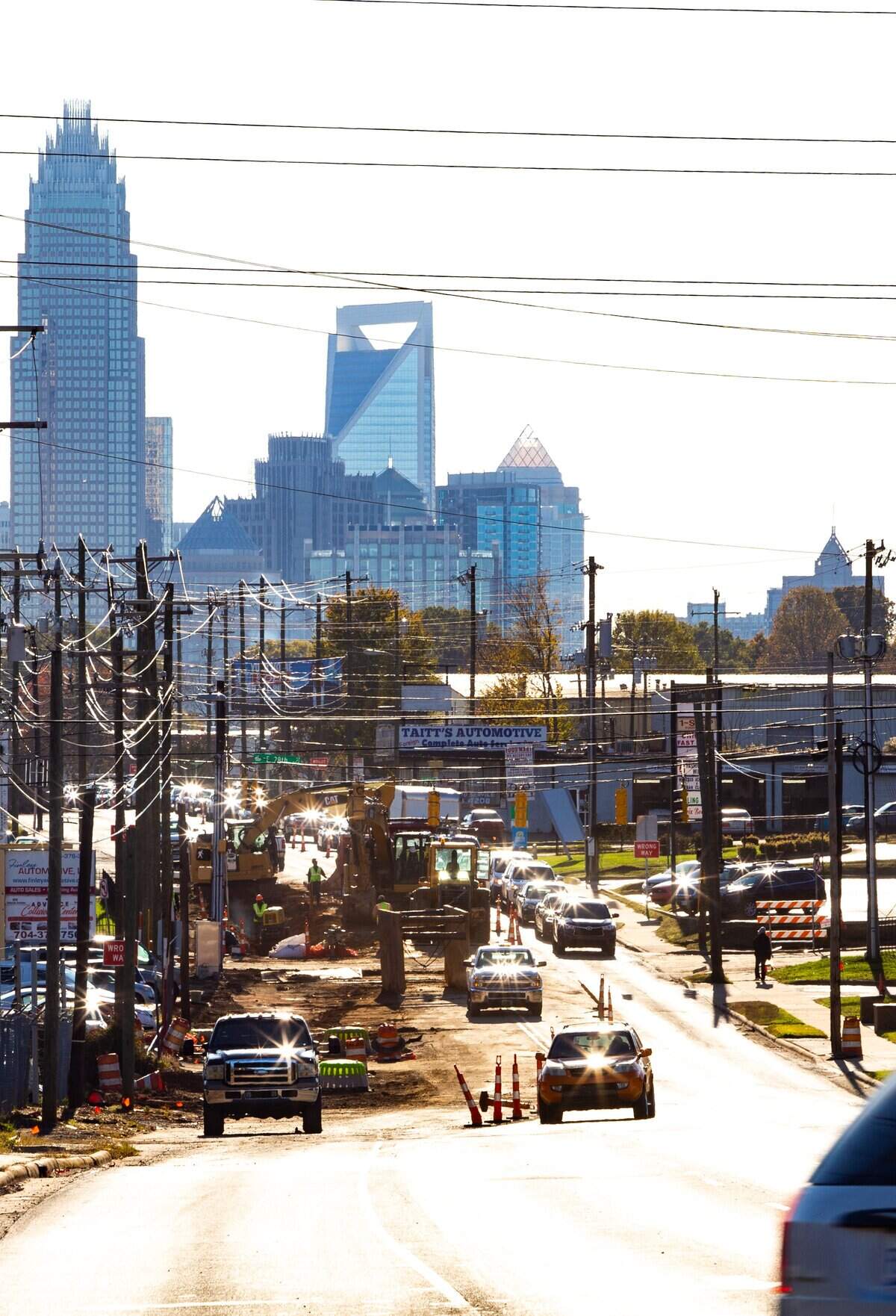
A few miles from the towers of uptown Charlotte, overgrown grass covers empty lots along North Tryon Street. Barbed wire surrounds industrial buildings, which sit near boarded-up businesses.
It’s some of the hottest real estate in town.
That’s thanks in part to a new federal program called opportunity zones, championed by President Donald Trump. It gives tax breaks to investors who plow money into projects in thousands of low-income neighborhoods across the country.
The initiative aims to spark investment in communities that historically have not had access to capital. Charlotte’s opportunity zones are in neighborhoods the government and businesses have long neglected, community activists and local leaders say.
But at the same time, they fear that opportunity zones could accelerate gentrification in areas close to the city center that are already seeing new development and rising property values.
Others worry the program could repeat previous government-led redevelopment efforts, which led to mass displacement of black residents.
Those policies furthered segregation and created “pockets of poverty,” said the Rev. Willie Keaton Jr., a community advocate. He’s concerned that opportunity zones will push black people out of the very areas they were forced to relocate to after their neighborhoods were demolished.
“So where do we go from here? Where do our churches go? Our black businesses?” he asked.
How it works
Opportunity zones, which initially drew bipartisan support, were created as part of the tax overhaul that Congress passed in 2017.
The incentive allows investors to defer their capital gains tax — levied after someone sells an asset like land, a business or stock — in exchange for putting money into a “Qualified Opportunity Fund.”
Those funds are used to make investments in real estate or businesses in the country’s 8,764 opportunity zones. The longer investors hold their money in the fund, the more of a tax break they receive. Any new profits from the project are not taxed if the investment is held for at least 10 years.
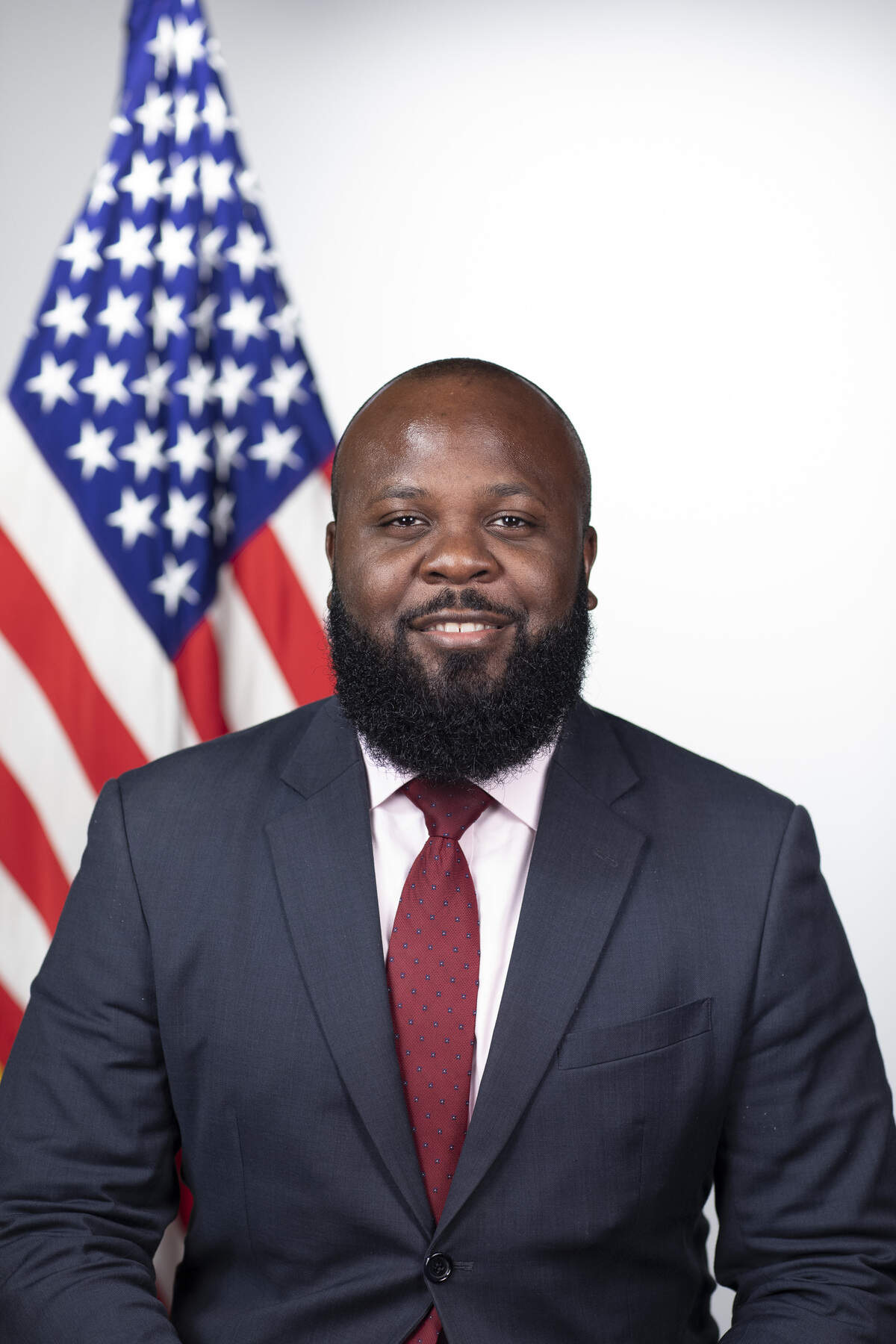
“The tool unleashes our ability to access capital that’s literally been on the sidelines,” said Ja’Ron Smith, deputy assistant to the president for the White House Office of American Innovation.
Because the law does not include public reporting requirements, it is hard to tell how much capital is pouring into communities as a result of opportunity zones. And the program does not require a specific type of investment, such as in affordable housing, which could help alleviate gentrification worries.
Charlotte’s 17 opportunity zones are spread out from just east of North Tryon up to Interstate 85 through much of West Charlotte. Three zones are near the old Eastland Mall, another area the city has long sought to revive economically.
In Mecklenburg County, people who reside in opportunity zones earn less than half of the county’s median household income of $61,600, according to an Observer analysis of census data. The zones’ population includes 65% black, 14% Hispanic and 14% white residents.
The New York Times and other media outlets have reported that some wealthy Americans — including people connected to Trump — are using the tax break to invest in hotels, office towers, luxury apartments and other projects benefiting the rich. Many of those developments were already in the works before the law took effect, the reports found.
“They talk about opportunity zones as a way to revitalize our communities,” Democratic Charlotte Mayor Vi Lyles said at an affordable housing forum in August. “Opportunity zones are a tax shelter for high-wealth individuals and trust funds.”
Projects underway
Several projects that are using the tax break already have been announced in Charlotte, including:
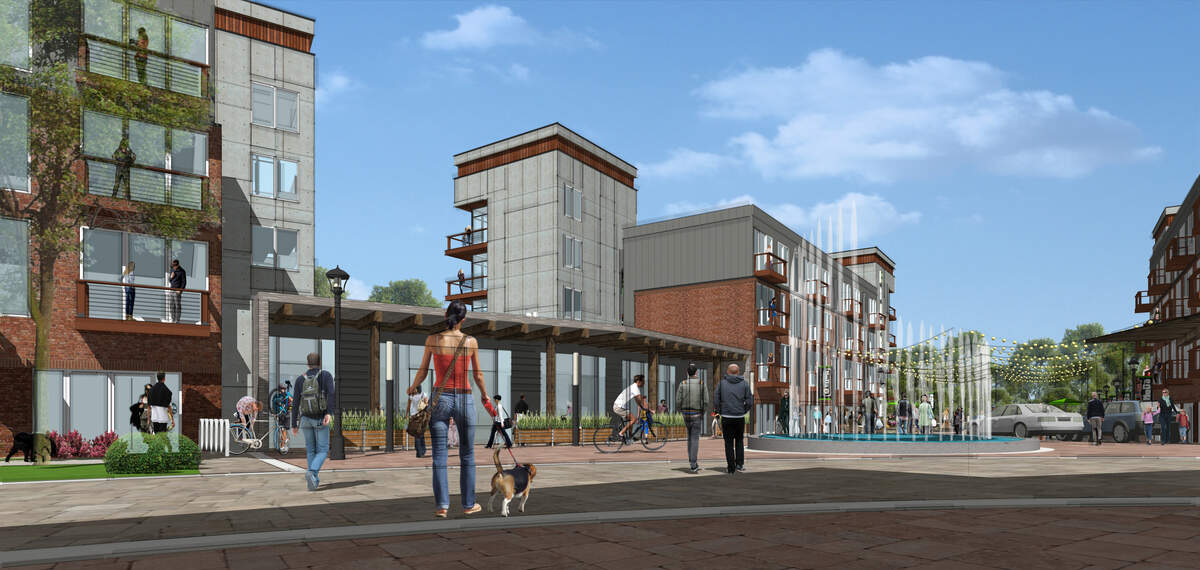
- Charlotte-based Flywheel Group is partnering with Origin Investments of Chicago to build around 1,000 market-rate multifamily housing units in a mixed-use development near the Sugar Creek light rail station.
In 2018, Artesia Real Estate, a Texas firm, bought the former City North Business Center on North Tryon Street, which previously housed around 120 small businesses. Artesia is refurbishing it for offices and retail.
Charlotte developer Grubb Properties wants to build up to 140 multifamily units in west Charlotte’s Seversville neighborhood, according to a rezoning petition. Half of the units will be priced for people earning 80% or less of the area median income.
For Charlotte’s real estate industry, the program is a boon for areas like North Tryon Street, which historically haven’t seen the economic growth the rest of the city has enjoyed.
“SouthPark is never going to have trouble getting investors interested,” said Charles McAlpine, CEO of Charlotte-based real estate firm CitiSculpt. “But Eastland Mall may. So if you can create a tool that encourages positive development at Eastland Mall, you start to balance that playing field for everybody.”
Greg Godley has been working as a commercial real estate broker in the North Tryon area since 2005 and has seen properties languish on the market for awhile. Now, he has more demand than supply, although he acknowledges there was momentum before the opportunity zone provision passed.
Developing strategies
Some developers say they understand gentrification concerns, and are working with communities on their opportunity zone projects.
For its work in the Historic West End near Johnson C. Smith University, Grubb Properties will cap its returns at 10%. Anything above that will be given to community groups.
Grubb hopes its efforts will combat the skepticism around opportunity zones, said Clark Spencer, the company’s opportunity zone fund manager. “We wanted to really be seen as a positive actor in the program,” he recently told the Observer.
Other developers are looking into incorporating affordable housing, though it’s unclear whether they will include units that the poorest residents could afford.
The Trump administration doesn’t want investors to just park their money in an opportunity zone without making any improvements, said Smith, with the White House. It’s up to cities to prevent displacement, he said, and to encourage projects that include affordable housing or other public goals.
“Without a local strategy, you don’t have social impact,” Smith said.
Still, there’s little that city officials can mandate unless a project is up for rezoning.
“Sometimes we don’t even know (the projects) are happening until they’re already done,” said Justin Harlow, who recently left the City Council. He represented many west-side areas that are in opportunity zones.
Charlotte is exploring how it can act as a conduit between developers and the community for opportunity zone projects, said Todd DeLong, the city’s assistant director of economic development.
His office is also looking to align city initiatives with opportunity zones — such as a revitalization program that offers grants to businesses, property owners and developers for projects along North Tryon Street and other areas Charlotte is seeking to redevelop.
The goal, DeLong said, is to lift up existing businesses without displacing them.
‘Opportunity for who?’
Darryl Gaston’s modest blue house with red trim looks much as it did when his grandparents were among the first black residents to buy a home in Druid Hills in the 1950s.
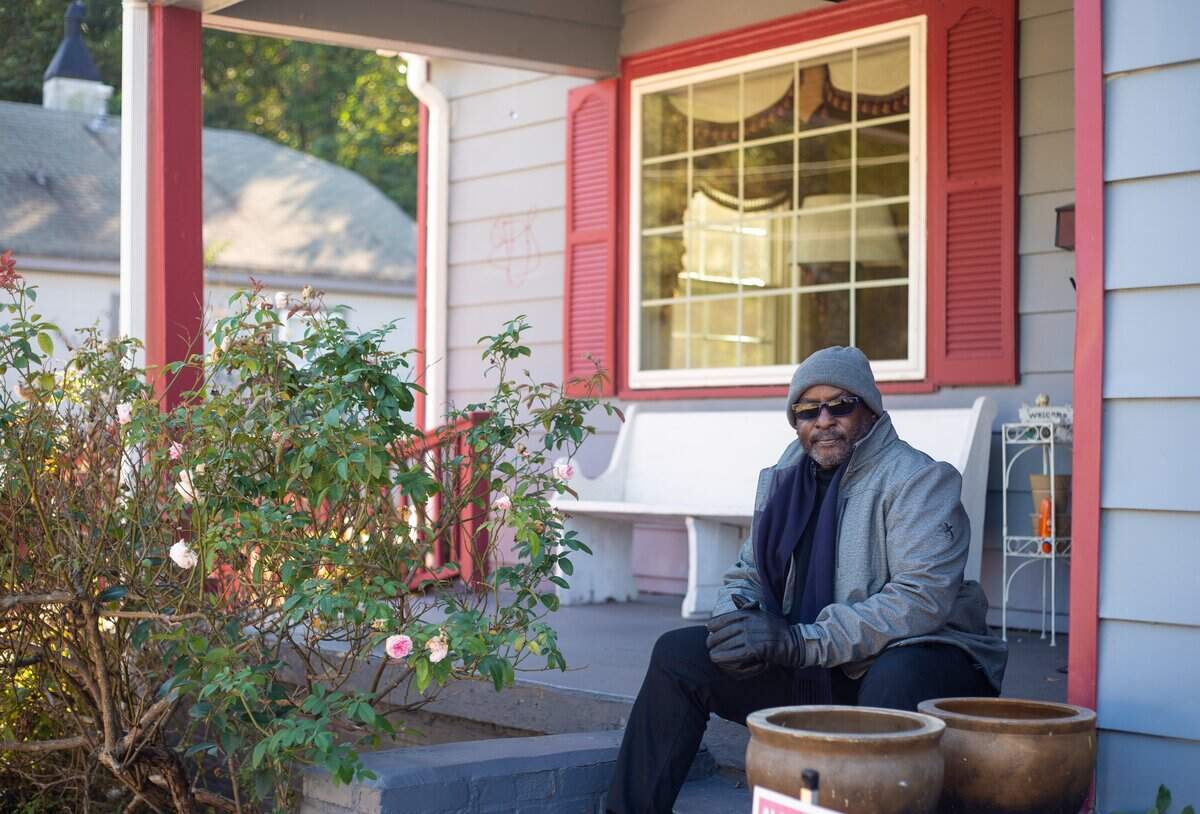
But on the other side of a chain link fence at the edge of his North Charlotte property, weeds and overgrown grass cover the front lawn of the next house over. It’s owned by an investment company, records show. So is the house after that. And the house after that.
Gaston, president of the Druid Hills Neighborhood Association, has seen increasing rents and property values push long-time businesses and residents out of his neighborhood. He and others worry that opportunity zones will only hasten that trend.
“It’s an opportunity zone, but it’s an opportunity for who?” asked Keaton, the community activist. “It’s not an opportunity for us.”
For Keaton and other local advocates, opportunity zones resemble a familiar government strategy aimed at revitalizing black neighborhoods.
In the 1960s and ’70s, under urban renewal, Charlotte demolished more than 1,400 homes, businesses, churches and other buildings in Brooklyn, which was once the city’s largest black neighborhood.
The federal program became a way for the government to remove black residents from valuable real estate near downtown business districts. As a result, many who were displaced from Brooklyn flocked to West Charlotte neighborhoods.
Citing that history, City Council member Braxton Winston said Charlotte has a responsibility to be clear about its priorities for opportunity zone projects. Otherwise, he worries the program will lead to more of the same developments that have driven up rents and contributed to an affordable housing crisis.
The price of a skyline
Near North Tryon Street, a pair of Tennessee developers are building several hundred gated apartments in an opportunity zone in Tryon Hills. The site sits across from the low-income Dillehay Courts housing complex.
Rents for the new project, from Neyland Apartment Associates and Stonehenge Real Estate Group Consulting, will range from $850 to $1,200 a month for a one-bedroom unit, the firms have said. Todd Jackovich, a principal with Stonehenge, said the project will benefit the community by offering lower rents than many complexes in popular areas like NoDa.
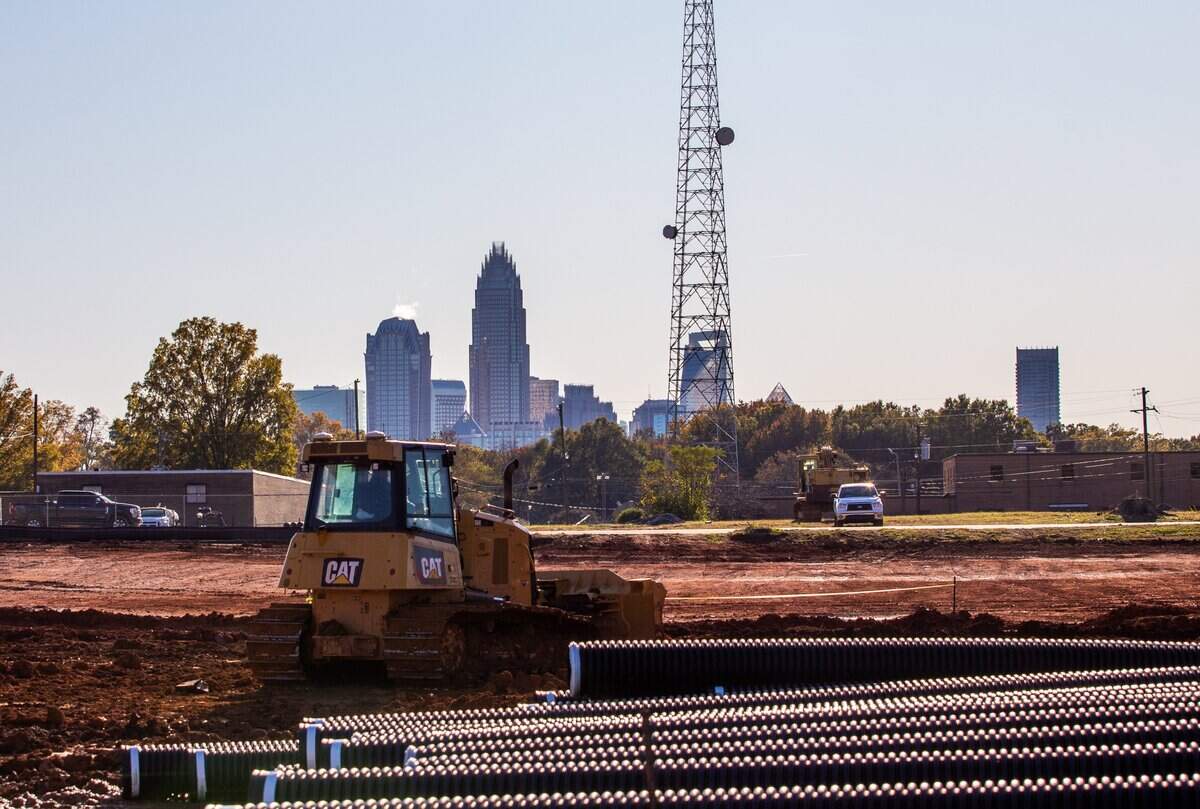
Even so, those prices remain well out of reach for people like Cathis Watson, who pays $75 a month for her three-bedroom, subsidized apartment in Dillehay Courts.
Back in November, Watson stood outside her home with her sister, Shonda, looking at the site where the new apartments were rising.
The Charlotte skyline, visible behind the mounds of red dirt, is a symbol that the city’s rapid development is coming for the neighborhood.
“They’re going to push the poor people out,” Shonda Watson said.
Database editor Gavin Off contributed to this report.
This story was originally published January 23, 2020 at 5:30 AM with the headline "Trump tax break stirs interest in blighted parts of Charlotte. Who really benefits?."