A park on top of I-277? Here are the proposals to reshape Charlotte’s center city.
A Central Park in Charlotte. Open space built on top of Interstate 277. A new high school in Second Ward, where decades ago, city leaders wiped out a Black community.
Those are some of the big ideas in the upcoming 2040 Center City Vision Plan, a document that will help guide growth for uptown and the neighborhoods within about a two-mile radius for the next two decades. Officials developing the plan, from nonprofit Charlotte Center City Partners, the city and Mecklenburg County, planned to present the draft recommendations to the public Thursday afternoon.
The plan covers nine focus areas, in uptown and neighborhoods to the North, South and West. Those neighborhoods, like Lockwood to the north and Seversville to the west, might not typically be considered the center city, but as Charlotte expands, so does its “nucleus,” said Michael Smith, president and CEO of Charlotte Center City Partners.
Still, leaders are also trying to balance bringing capital to those areas, which have long suffered from disinvestment, without displacing residents.
The planning was well underway when the coronavirus and protests over racial injustice after the death of George Floyd swept Charlotte, like other cities across the country. But the plan’s leaders said those events caused them to pause the process, and go back to the community with conversations about social injustice.
“The plan looks at the need to bring equity to the investment decisions that are made by the powers that be,” said Clay Armbrister, president of Johnson C. Smith University and co-chair of the plan. “Those who have been at the short end of the stick, in the future, should maybe be at the front of the line.”
Highways as barriers
As developers build out uptown, they face a key obstacle: Interstate 277.
The highway separates the approximately two-square-mile area from the surrounding neighborhoods. To connect them, planners are proposing a highway “cap,” or a deck built above the highway with green space on top, stretching from uptown across I-277 into South End.
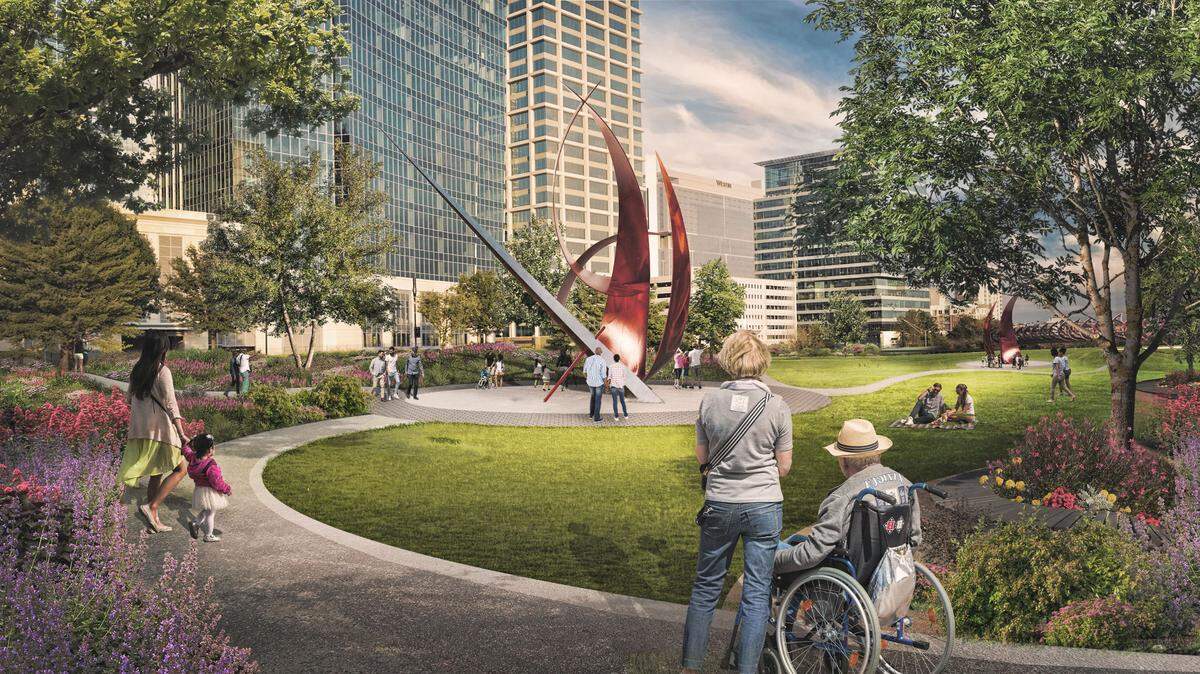
The idea was also laid out in the last Center City plan, but Smith believes it will gain traction this time around, especially as development in South End expands.
And they’re suggesting a similar concept for the northern side of I-277, where the Lynx Blue Line light rail and the proposed Silver Line meet.
“I also think that opportunity to the north, at that intersection of the Silver Line and the Blue Line, is going to trigger incredible intensity of development,” Smith said. “And there’s gonna be more and more desire to spill over 277 into the North End.”
But even if such a costly project doesn’t come to fruition, officials involved with the plan say there are smaller solutions, too, such as adding more lighting along underpasses.
And on the west side, they are proposing a reconfiguration of the cloverleaf exit and entry ramps at I-77 and West Trade Street to free up land. It’s similar to what was done with Stonewall Street and I-277, which has spurred a wave of new development.
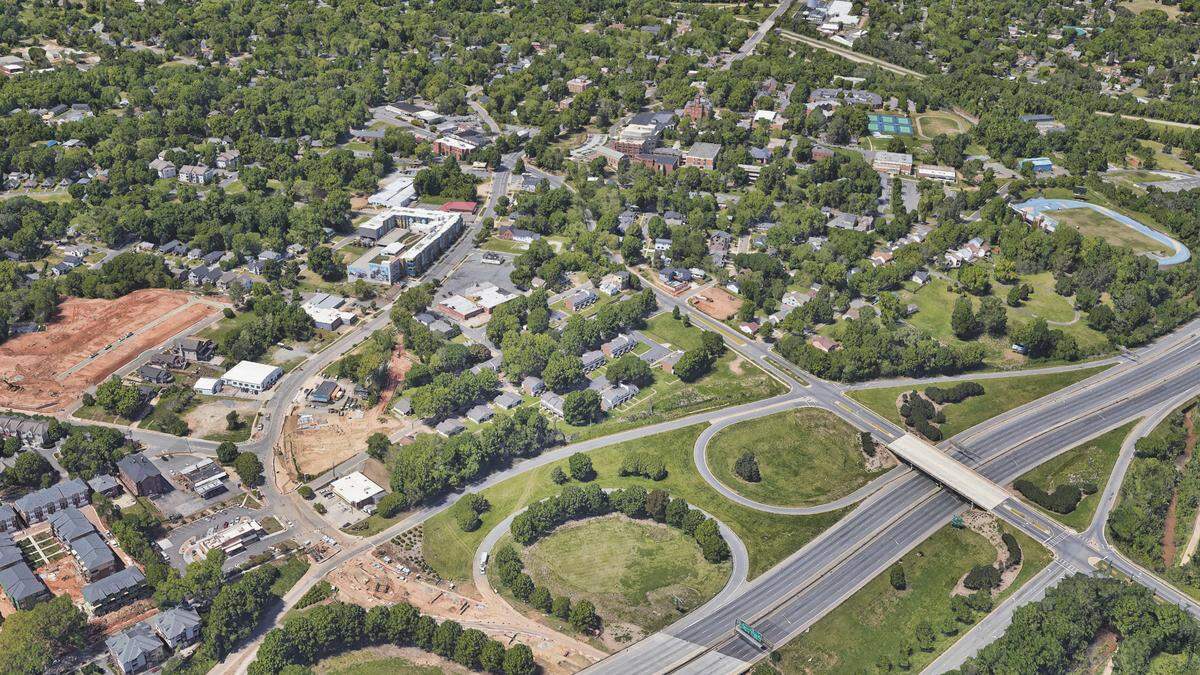
Years ago, highway construction fractured Black communities in Charlotte like those along Beatties Ford Road.
“Those physical barriers mean a lot, because you can just look on the other side of the expressway and see where development has stopped,” Armbrister said. “ And when you break down those physical barriers, all of the other things kind of flow naturally — whether its social, cultural.”
Future of uptown
The plan focuses on several key thoroughfares in uptown: Brevard, Tryon and East Trade streets.
Officials are proposing adding more public artwork along North Tryon Street, to build on the Black Lives Matter mural painted this summer, and the temporary street closure. Earlier this month, Charlotte City Council voted to reopen the street to traffic.
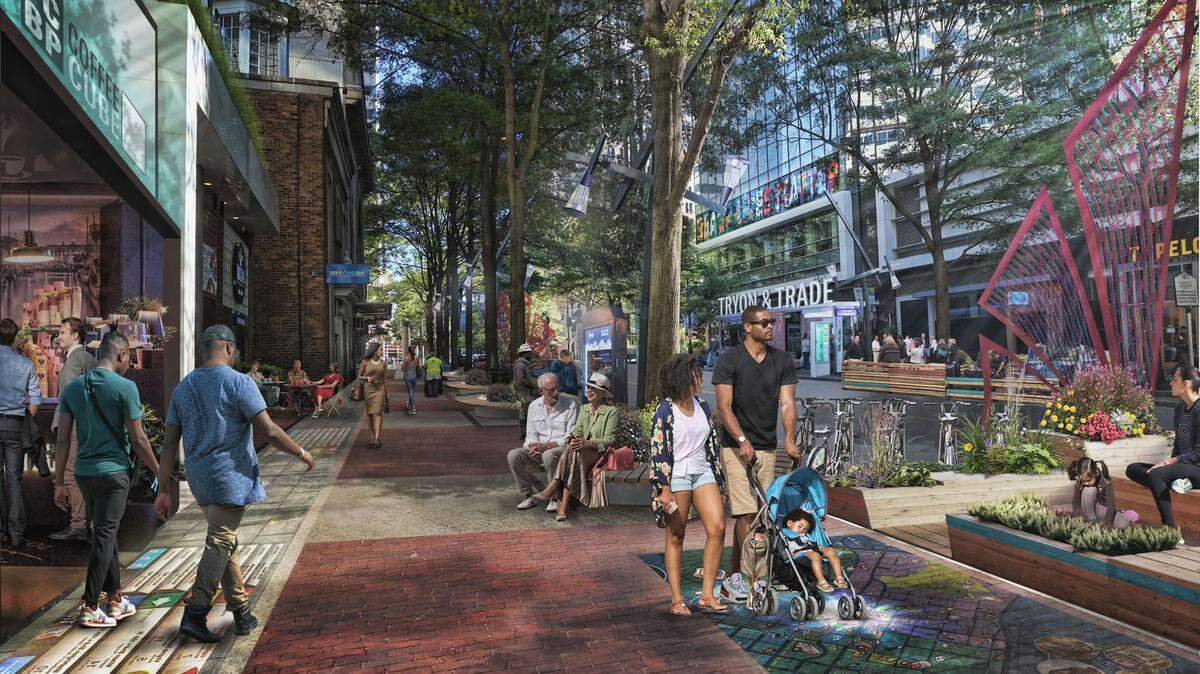
The recommendations also suggest the street sometimes be shut down for cars.
“The Black Lives Matter mural was a remarkable thing that happened for so many reasons but you know it brought people into the center city, we shut down the street, and people were engaged,” said Jennifer Appleby, co-chair of the plan. “How can we re-imagine Tryon Street to be this magnetic, animated, colorful destination?”
Another area of focus is Brevard Street, where planners want to create a more walkable, mixed-use district with shops lining the street. And in the Second Ward, where the former Brooklyn neighborhood was, the architects of the plan are also looking to build a new high school.
Brooklyn was the city’s largest Black neighborhood before it was bulldozed through the federal urban renewal program that sought to remove “blighted” neighborhoods. But most now acknowledge it was a strategy to move Black people off of valuable land near downtown business districts.
Second Ward High School, located in the neighborhood, was the first public school in segregated Charlotte to serve Black people.
Students and residents were told the school would be replaced with a new structure, but that never happened, and instead the school was shuttered.
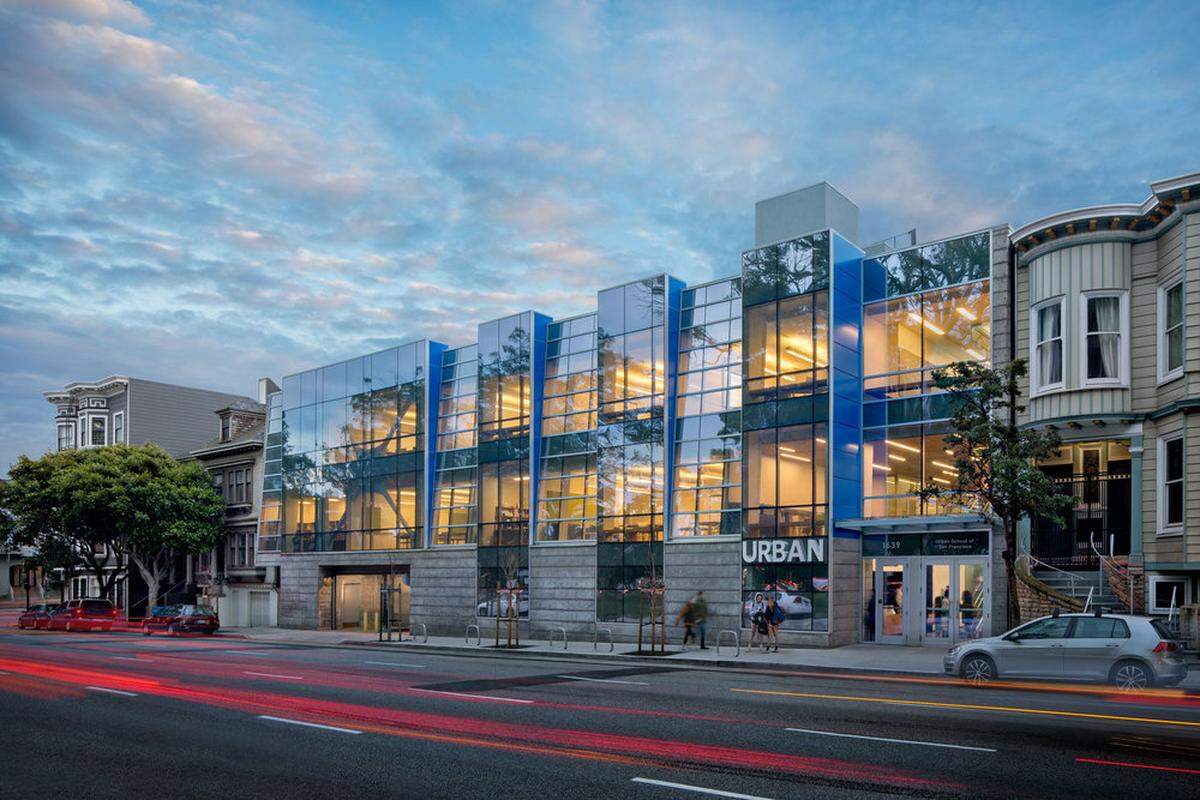
The urban school could also include student housing, said Chris Beynon, project director for the plan and vice president and chief development officer at consultant firm MIG.
“Urban renewal displaced a strong African American neighborhood and population and made promises that have not been fulfilled, one of them was, oh yeah, we will build you a high school,” he said. “And we believe now is absolutely the time. “
Other areas
The recommendations also cover the North End, in the Lockwood neighborhood, West Trade Street from the edge of uptown up to Johnson C. Smith University, Midtown, and the area around Bank of America stadium.
Here are a few of the other proposals.
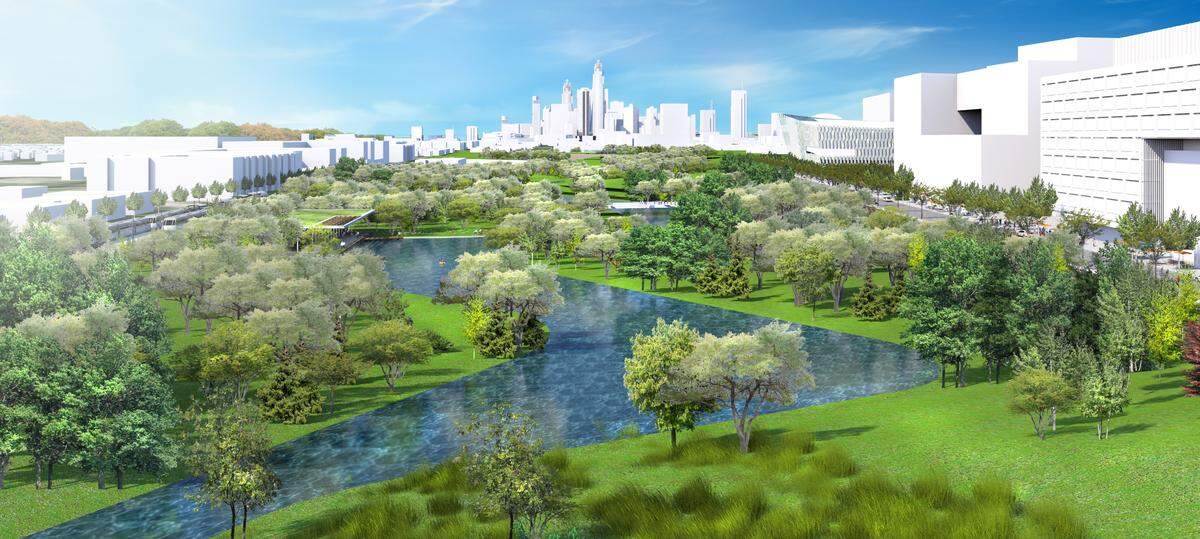
- Transforming the Norfolk Southern rail yard north of uptown into Charlotte’s own Central Park that could be anywhere from 150 to 200 acres, around double the size of Freedom Park. A group of architects, developers and attorneys, who formed a group called the Friends of Queens Park, have been pushing for the project. Still, Norfolk Southern owns the land, and would have to agree to the proposal.
- Building a mixed-use neighborhood around the city’s future medical school. Atrium Health and Wake Forest Baptist Health, including the Wake Forest School of Medicine, officially merged in October, in a partnership that will bring Charlotte its first four-year medical school. No location has been announced for the school, but the 2040 Center City plan envisions a medical campus in the area around East Morehead Street just outside of uptown, near where Atrium’s main facility is located. The plan’s ideas for the area include a teaching hospital, open space, trail connections to uptown and housing.
- Putting an entertainment district around Bank of America Stadium, particularly with the arrival of Major League Soccer. Beynon said one way to help connect the area is by building a pedestrian walkway or bridge over the train tracks, similar to the High Line in New York City. The land owned by Charlotte Pipe and Foundry Company, which recently announced its move to Stanly County thanks to as much as $50 million in incentives, has long been eyed as a potential site for redevelopment, and Carolina Panthers owner David Tepper has pointed to it as a possible location for a new stadium.
Next steps
The presentation of the draft recommendations can be viewed virtually on Center City Partners’ Facebook page.
Smith said through the first quarter, the group will be gathering feedback on the ideas. They will also develop a draft plan that will be unveiled in January or February.
Eventually, the City Council would review and vote to adopt the plan. Because the plan serves as more of a wish-list, no specific cost estimates have been released yet for the major proposals.
This story was originally published November 19, 2020 at 2:02 PM with the headline "A park on top of I-277? Here are the proposals to reshape Charlotte’s center city.."