
What is ‘sober curious’ — and why is it becoming a movement?
Sober.
The term conjures images of blackouts, somber meetings in dark rooms, damaged relationships and coins marking the start of new lives.
However, a new generation of former drinkers is transforming the term sober. For them, the word signals a lifestyle change more akin to becoming a vegetarian or going Keto rather than hitting rock bottom.
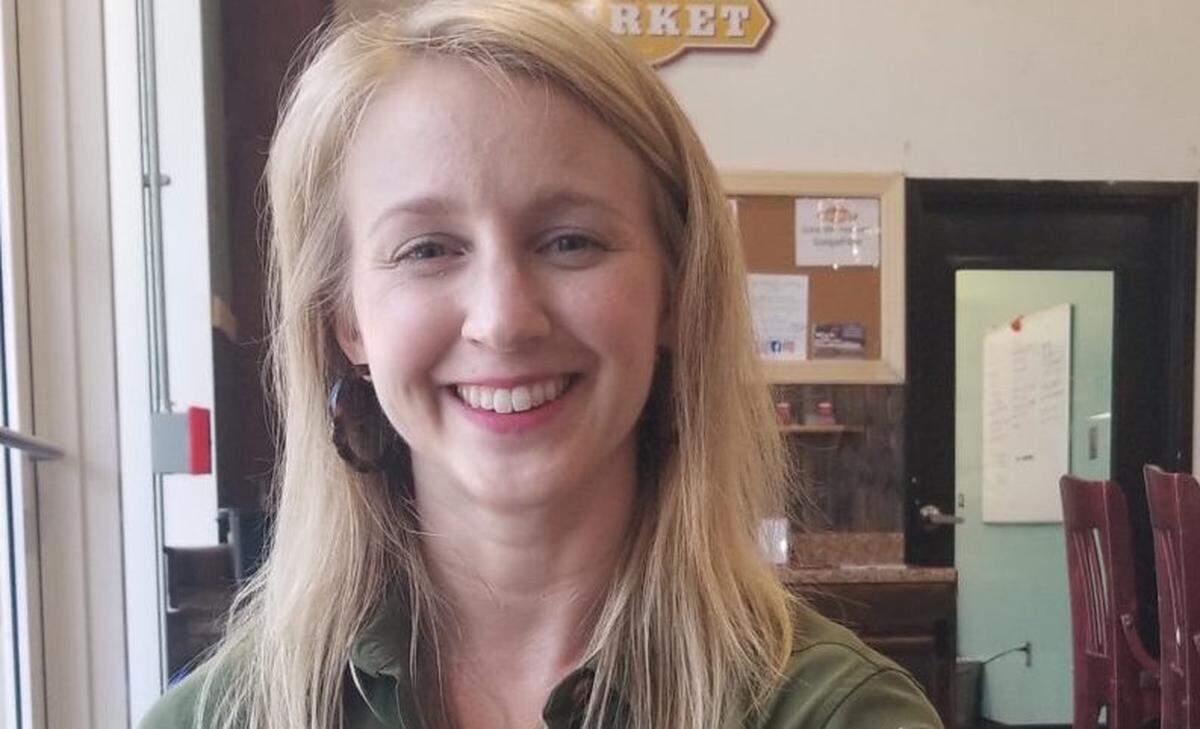
“There’s a connotation to that word that makes people uncomfortable,” said Missi Rossi, 33. “The word sober automatically comes with ‘I have a problem.’”
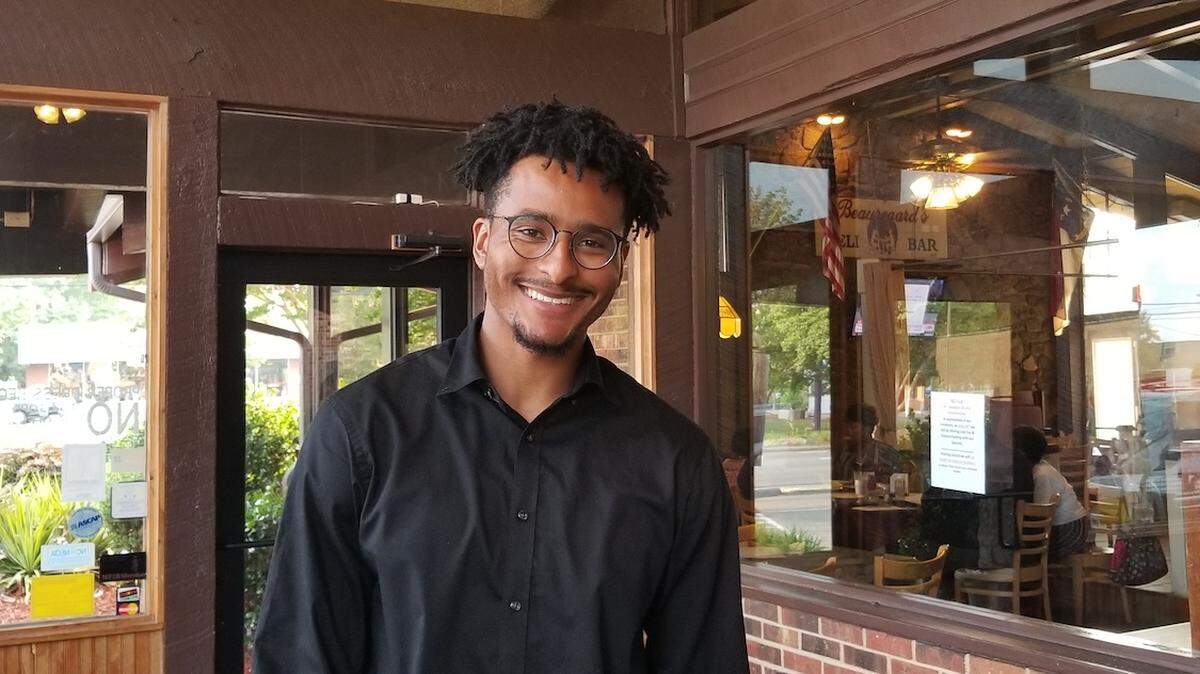
“I don’t know how to break that stigma,” said André Bowens, 25. “You just want a lifestyle change.”
‘Sober curious’
Nationwide, these Charlotteans are part of a growing sober movement that has been coined “sober curious,” thanks to author Ruby Warrington’s 2018 book “Sober Curious: The Blissful Sleep, Greater Focus, Limitless Presence, and Deep Connection Awaiting Us All on the Other Side of Alcohol.”
Going sober sparked the establishment of alcohol-free bars in New York. There’s a digital recovery program called Tempest with its companion blog, Hip Sobriety. The internationally popular morning dance party Daybreaker now lists Charlotte as an event city. Daybreaker co-founder Radha Agrawal was a keynote speaker during Charlotte Shout. She announced that there is interest in bringing Daybreaker here, but it requires 2,500 online sign-ups for a city to host one.
Bon Appetit recently predicted the bottled low- and no-alcohol beverages industry in the U.S. will grow by about 32 percent by 2022. That’s good news to Rossi, a marketing professional, who stopped drinking wine about a year ago.
“We need more mocktails in this town,” she said.
Rossi said she wants more places to go that don’t involve alcohol. She was never a big drinker and would get a hangover after one glass of wine.
In a city where new brewery or bar openings warrant breaking news alerts, it’s hard not to drink. It’s also not surprising that the sober movement is low-key here. It’s tough to maintain friendships when most weekend suggestions involve hanging out at brewery or grabbing drinks somewhere.
“You have to consider the way you move,” Bowens said. “It may change your social circle.”
People looking to stop drinking here are carving individual paths in their lifestyles change.
Less time for breweries, more time for rock climbing
Carrie Berkman, 35, gave up a booze a little over a year ago after she realized that she was leaning on it too often after work. She felt as if she was only operating at 80 percent of her potential and wanted to do better.
“I just quit. I didn’t need treatment. I just said goodbye and left it in my rear view,” she said. “Everything changes. Once you get far enough away from it, you start to see the ways you that you used alcohol.”
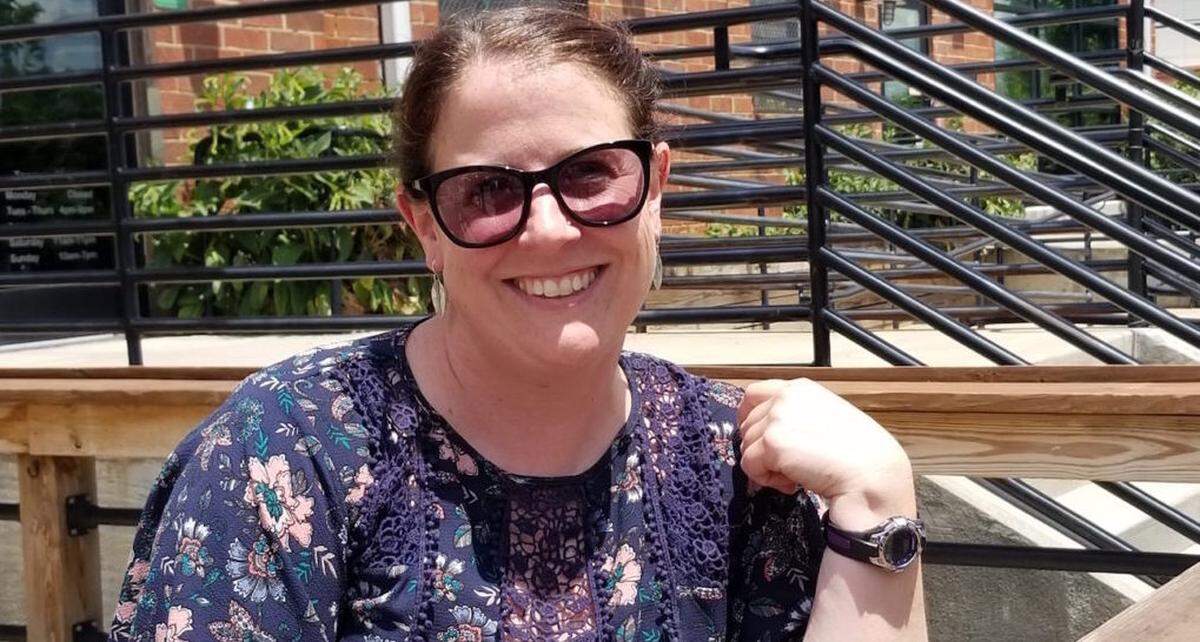
Berkman, a teacher, said she still goes to breweries with friends and orders Shrub soft drinks or other alternatives. Berkman admits however, she spends less time with her old drinking buddies. She has gotten back into indoor rock climbing, and she’s writing more. Berkman is part of a local Facebook community of like-minded women.
Is it worth the money spent going out?
For some, the impact on friendships is one of the biggest challenges of an alcohol-free lifestyle. Hennessey was Bowens’ drink of choice, and on a recent night out with friends, they questioned why he went out with them if he wasn’t drinking. He stopped drinking about a month ago and said he asked himself the same question.
“It can almost turn into a waste of time and money,” he said. “I love saving money. I’m also trying to be a little healthier as I’m getting older.”
It costs about $100 a night to hang out with friends at the bars on a Friday night, and there’s nothing to show for it, he said. Then half of Saturday is gone by the time the effects wear off. On a recent Sunday, Bowens sipped a non-alcoholic drink made with muddled mint, simple syrup, lime and pomegranate juice as he ticked off all of the things that he accomplished that morning — washed his car, hit the gym and prepped for an afternoon meeting.
He said he is excited about his new journey and wants to see how productive he can be. Bowens, an underwriter, said he once stopped drinking for three months after a trip to Las Vegas. He’s aiming to go booze-free for a year.
Reporter’s note: I co-founded the now-defunct nightlife blogs Paid to Party and Sip + Play for the Charlotte Observer. The irony of writing this article is not lost on me.
This story was originally published June 9, 2019 at 10:03 PM.