
Opinion: Looking for hope during COVID? Charlotte’s history shows we’ll pull through.
Hope can be hard to come by these days. We look for it in the smallest things — the sounds of birds outside in springtime, a favorite song or the wave from a stranger passing on the other side of the street as we practice social distancing to limit the spread of COVID-19..
As a historian, I find hope in history. It may seem counterintuitive, but focusing on past pandemics and other hardships gives me solace. These stories remind me of what our city, our state and our society can achieve and what we can overcome. You don’t have to look far to find these stories of endurance.
There’s the story of how the Piedmont region came together to battle the polio epidemic, even as World War II was raging overseas. Hospitals in Charlotte and elsewhere in the region were overwhelmed by patients, so doctors built a new hospital for sick children in Hickory in a matter of weeks. The effort became known nationally as the “Miracle of Hickory” because of its success in saving children from this mysterious and often deadly virus.
Then there’s the story of Army ambulance drivers at Camp Greene during World War I. They worked for days on end without breaks to transport influenza patients to the hospital at the height of the 1918 flu epidemic — herculean efforts that bring to mind the sacrifices of today’s health care workers and first responders. All of this happened just off modern-day Wilkinson Boulevard, between uptown Charlotte and the airport.
Looking further back in time, the people who lived here during the American Revolution, in the then-remote Carolina Backcountry, survived food shortages at the hands of British troops. But they persisted in being a “hornets’ nest of rebellion” in the cause of liberty. All these Charlotte stories, and many more, are symbols of our perseverance in the face of deprivation, disease and sometimes long odds.
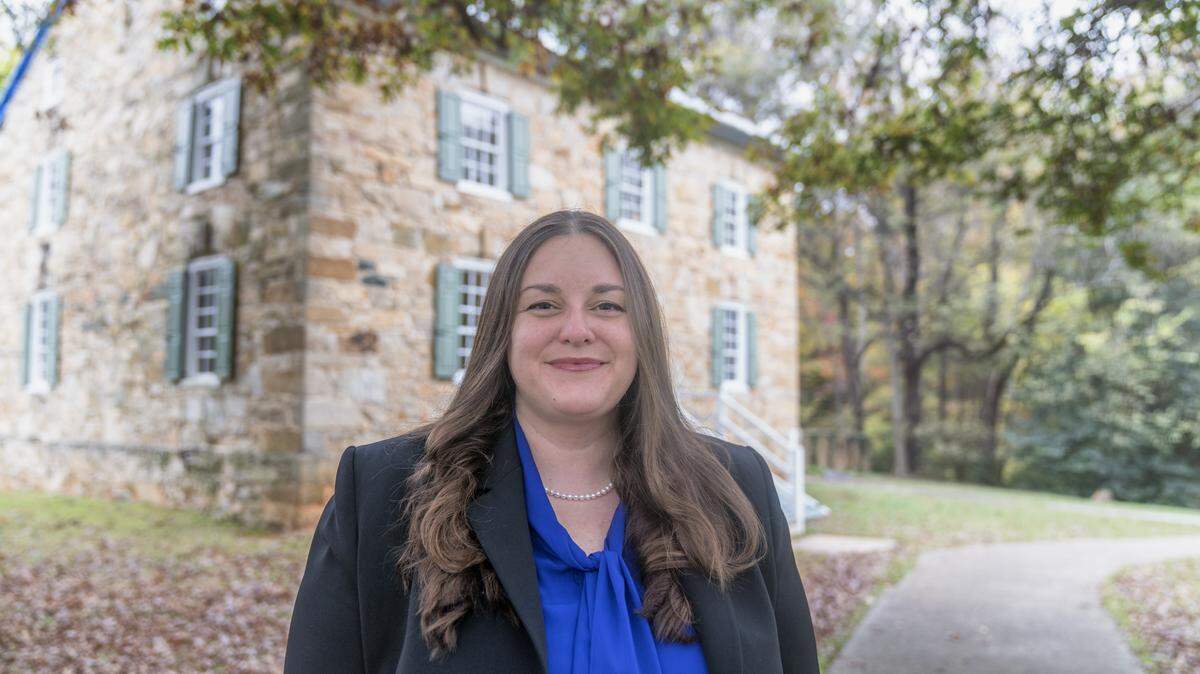
Something else that almost always brings me comfort — our city’s historic buildings. In normal times, my office is a short walk from Charlotte’s oldest home, the 1774 rock house that was home to Hezekiah Alexander and his household. From my window in the modern museum building, I can see the cedar shingle roof of the historic house peeking through the treetops. As one of our museum neighbors put it to me recently: How many wars, recessions and epidemics have those old stone walls seen? At least a dozen; probably more. And yet those walls still stand, and so do we.
That’s one reason, despite the coronavirus pandemic, the museum is moving forward with the 2020 Charlotte Historic Preservation Awards, though the awards ceremony will be digital. We believe it’s important to honor the people who are saving our historic buildings and neighborhoods, keeping our history alive in a tangible way. In times like these, we need this history around us more than ever.
I recently saw a photo in The Charlotte Observer of a completely empty Latta Arcade, as seen from an equally empty Church Street. It was a stark reminder that we don’t save old buildings for history’s sake. We save them so we can work, play and learn in them together. We save them because of what they mean to us today, in good times and bad. I look forward to the day when we can be together again in Latta Arcade and all the other culturally significant spots in our city, as well as the ordinary ones. In the meantime, let’s keep working together during this extraordinary time of COVID-19 to create a history that will make us all proud.
Adria Focht is president and CEO of The Charlotte Museum of History, site of Charlotte and Mecklenburg County’s oldest home, the 1774 Alexander Rock House. Nominations for the 2020 Charlotte Historic Preservation Awards are open until June 30. Find more information at charlottemuseum.org/preservation.