
What’s old is new again: In Charlotte, even the churches aren’t immune from redevelopment
City historians cite the extraordinary influence of churches on the character of communities and the formation of roads. The buildings carry significant property value — majestic spaces constructed of expensive materials in historic neighborhoods. When congregations evolve and move on, the future of these structures is not always religious.
Charlotte churches are rarely torn down, writes Shelia Bumgarner, a historian and librarian with the Charlotte Mecklenburg Library. She lists at least 10 prominent church transformations during the last few decades. A website shows North Carolina churches for sale, suggesting that more are likely.
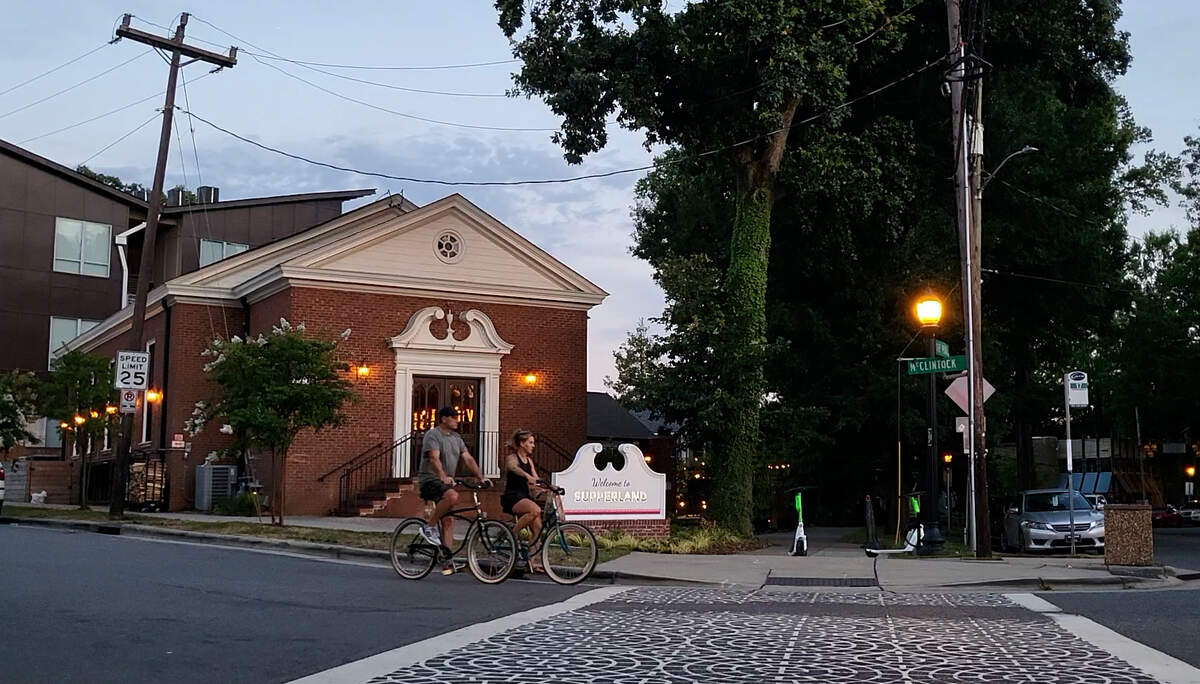
One such transformation — Supperland restaurant — opened in 2021 in the former Plaza Church of Christ in Plaza Midwood. Other repurposed churches include a co-working space, condominiums and another restaurant.
[READ MORE: Here are 10 churches transformed via adaptive reuse in Charlotte.]
The work is often controversial. But as architects and entrepreneurs describe the transformation of Charlotte churches into restaurants, art centers, condos and co-working spaces, the need for respect and reverence occupies an awful lot of their conversational bandwidth.
Jamie Brown, co-owner of Supperland, loves watching the “wow moment” when people walk through the doors.
“That’s what you want churches to feel like,” Brown said. “That’s why they were built this way, to be grand and to reach up to the sky.
“The city has gotten so accustomed to knocking things down and rebuilding new, so I think generally speaking, people were very happy about the idea of salvaging a beautiful building,” she said.
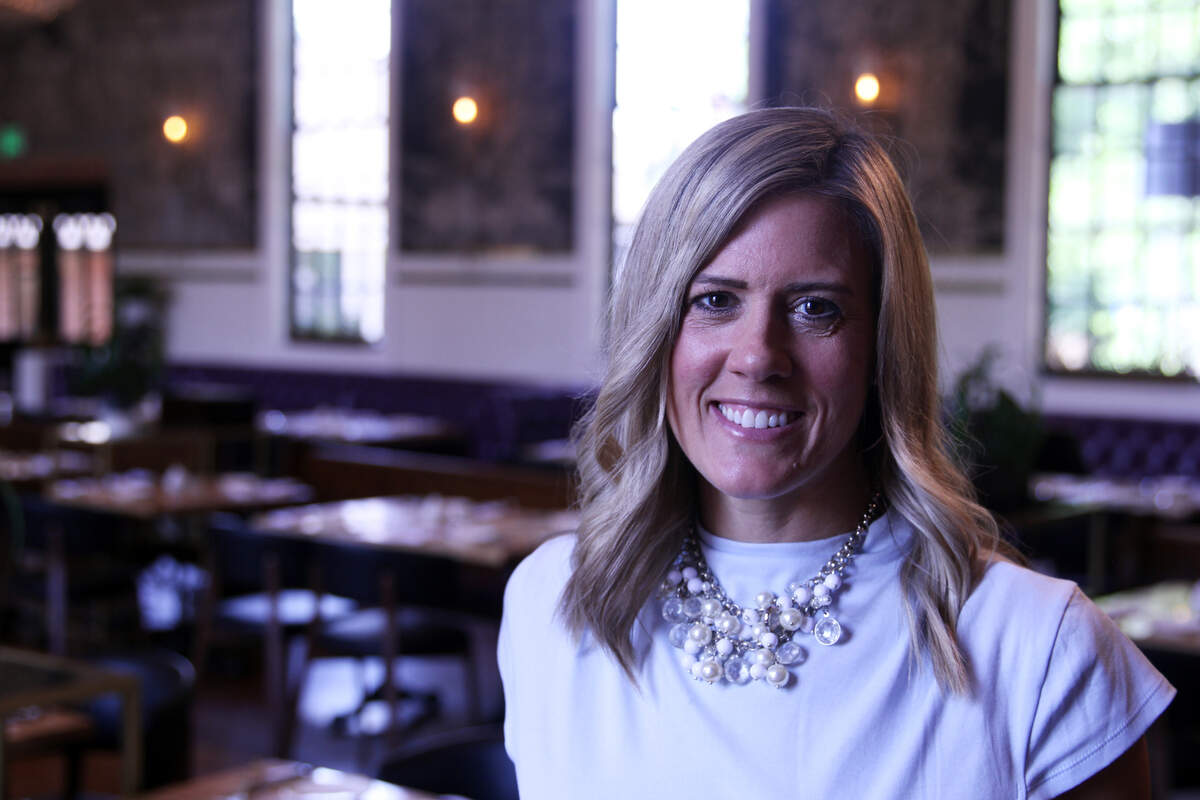
“There are churches all over the city, and they’re so beautiful, and as congregations sometimes dwindle or move on, or whatever it might be, being able to preserve those places is a way of just preserving Charlotte’s history.”
Historian Dan Morrill, former consulting director of the Charlotte-Mecklenburg Historic Landmarks Commission, shares the sentiment.
“So many people are caught up in what they are going to do this weekend, and it’s very much sort of the tyranny of the immediate, but when you have a sense of history, you see yourself as part of an evolving, ongoing story,” Morrill said. Some residents have no idea Providence Road was named for Providence Presbyterian Church, he said, or that Sharon Amity Road drew its name from Sharon Presbyterian Church and Amity Presbyterian Church.
[CHURCH TEARDOWN: Despite neighbors’ attempts to save it, this church in NoDa will be demolished for apartments]
Retaining a church’s symbolic value
One of the city’s pioneering church transformations — the McColl Center on North Tryon Street — may also be its most ambitious.
Churches are essentially religious community centers, said Mark Fishero, managing principal of FMK architects, which led the transformation of the Associated Reformed Presbyterian Church into the McColl Center in the late 1990s. Once a church is no longer used for its originally intended meaning, Fisher said, it has the potential to become a different, secular space.
“They have a variety of space, size, volume and function,” he said. “It’s a much more diverse building type to adaptively reuse than, say, a warehouse or an office building.” Church buildings offer several functions that make them useful for other purposes: an open, theater-like room, classrooms, and kitchen spaces. Early concepts called for “egg-crating” the McColl Center’s large sanctuary space, Fishero said, but his firm argued against dividing up the space.
“When you go in, you go through that first masonry arch, just past the front desk, you notice that there’s a big three-story volume on the southern side of the building. That was our doing,” Fishero said. “Everyone who enters the building will be able to enjoy that volume space.”
In a 2011 historic preservation project for the University of Maryland, Rebecca Lueg wrote that the McColl Center successfully reinstated the building’s symbolic value.
“After having been in ruins, which were reminiscent of the abandonment of the church and the decline of the downtown for over a decade, the building can once again serve as a symbol for the church,” Lueg wrote.
Church as a co-working space
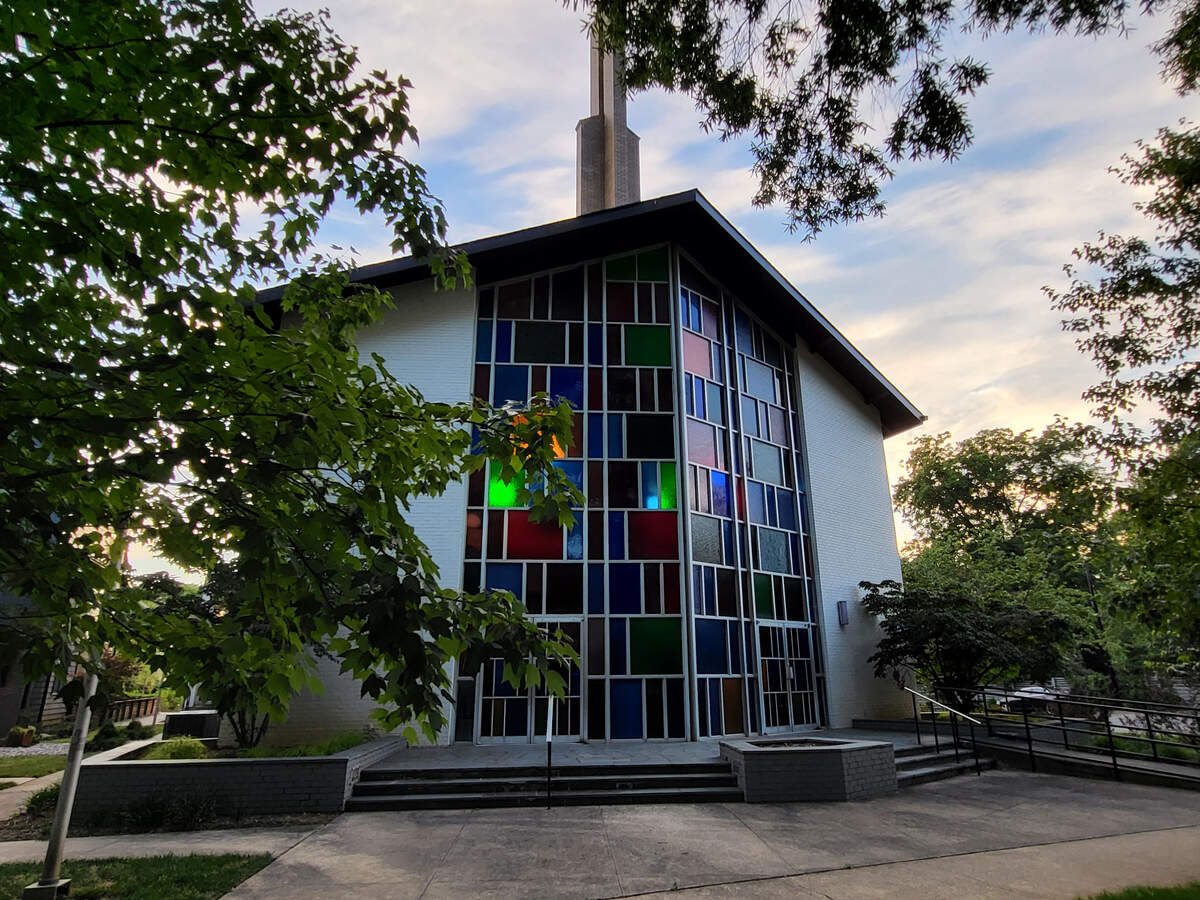
Congregate NoDa is a co-working space in the former Whiting Avenue Baptist Church. Randy Martin, general manager of the space, resurrected the old church in 2019. The building now offers private offices and suites, a flex space, outdoor spaces, and conference rooms.
Church elements, including the original stained glass windows, were preserved to spark inspiration throughout the co-working space, Martin said.
Church as restaurant
Brown and her husband Jeff Tonidandel own Supperland, other restaurants including Haberdish and Ever Andalo, and an upcoming eatery in the former Atherton Methodist Church in Dilworth that recently housed Bonterra.
At Supperland, they wanted to preserve the patina of the original structure, including age-worn cinder block walls and the finish of the wood in the sanctuary’s central aisle. Architect Don Peadon worked with the couple to reimagine and transform the space.
“Churches are a little more difficult because they have a pretty specific identity already,” Peadon said. “You’re essentially giving it a new identity or rebranding that structure. That doesn’t necessarily mean that people don’t have to recognize that it was ever a church. Sometimes that’s part of the kitsch of the whole thing.”
Managing emotions
Repurposing a place of worship also presents emotional challenges, Morrill said.
“There are instances where people are very uncomfortable with having a highly secular use of a formerly religious edifice,” he said, particularly if they were a part of that church. And transforming a church into a nightclub, involving alcohol, frivolity and secular music, can be particularly upsetting, Morrill said.
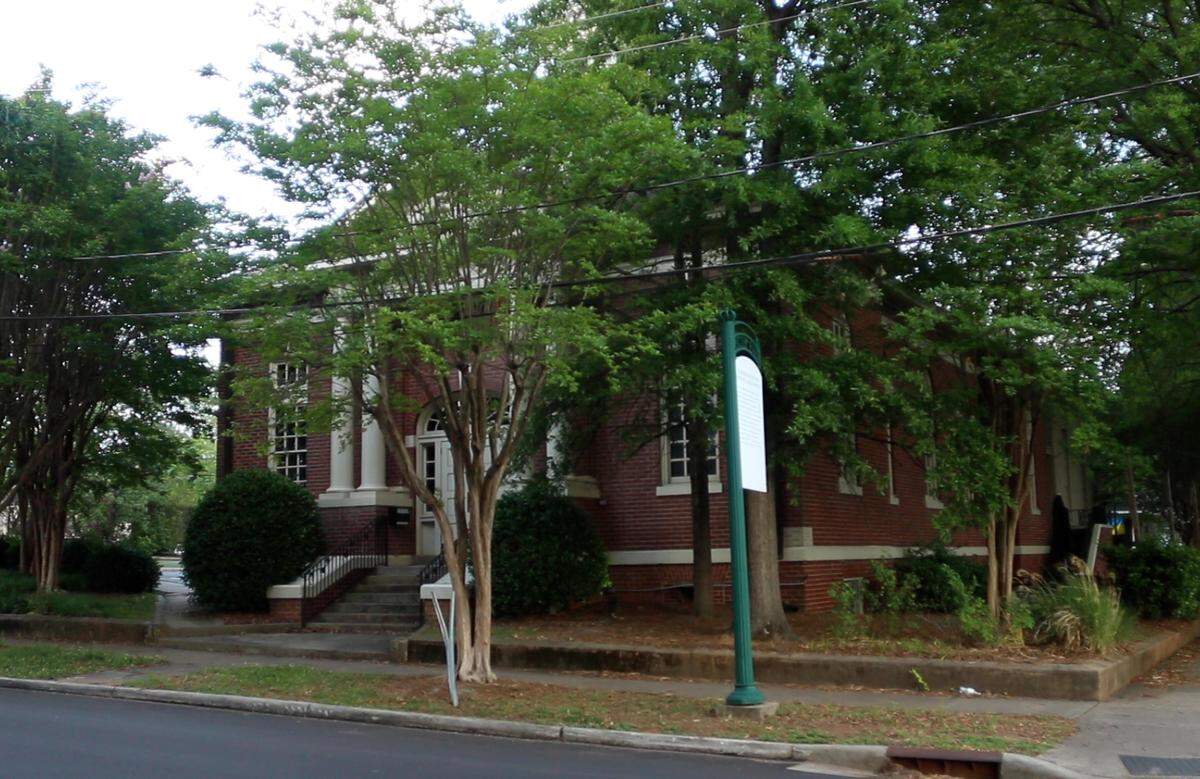
Respecting church architecture is crucial, according to both Brown and Morrill. When The Arches, an upcoming condominium project in the former Wesley Heights Methodist Church, was under review in 2021, Morrill explained that the 1928 structure was designed by Louis Asbury Sr., one of Charlotte’s premiere architects, and that losing the sanctuary space to individual condo units would mark a significant loss. Neighborhood leaders raised concern about how losing this historic center would affect the community.
Brown follows the evolution of congregations when they leave a church structure.
“You always assume that the congregation died, but it didn’t,” Brown said, neither at Supperland, at the former Plaza Church of Christ, nor at the Atherton Methodist Church in Dilworth. “And I think that’s kind of interesting. Here it became the Providence Road Church of Christ. ... And then when a second congregation came through here, they also merged with that church. And then over in Dilworth the church that had originally been there in 1915 became the gigantic church on East Boulevard, Dilworth Methodist Church.
“I like that because the church wasn’t abandoned,” Brown said. “Because what is the church? It’s the congregation itself, right? It’s the people in there, and they continue onward somewhere else.”
This story was prepared for CharlotteFive by Sam Carnes, Palmer Magri and Astrid Bridgwood, students in the James L. Knight School of Communication at Queens University of Charlotte, which provides the news service in support of local community news. Their summer work is supported by the James E. Rogers Research Program.
This story was originally published July 14, 2022 at 6:10 AM.