
Charlotte professor’s new book details Jewish music, survival during the Holocaust
The unlikely story of a Jewish engineer and musician from Ukraine who became a World War II guerilla war hero — and the discovery of resistance songs he left behind — is the latest subject of a book by a UNC Charlotte professor.
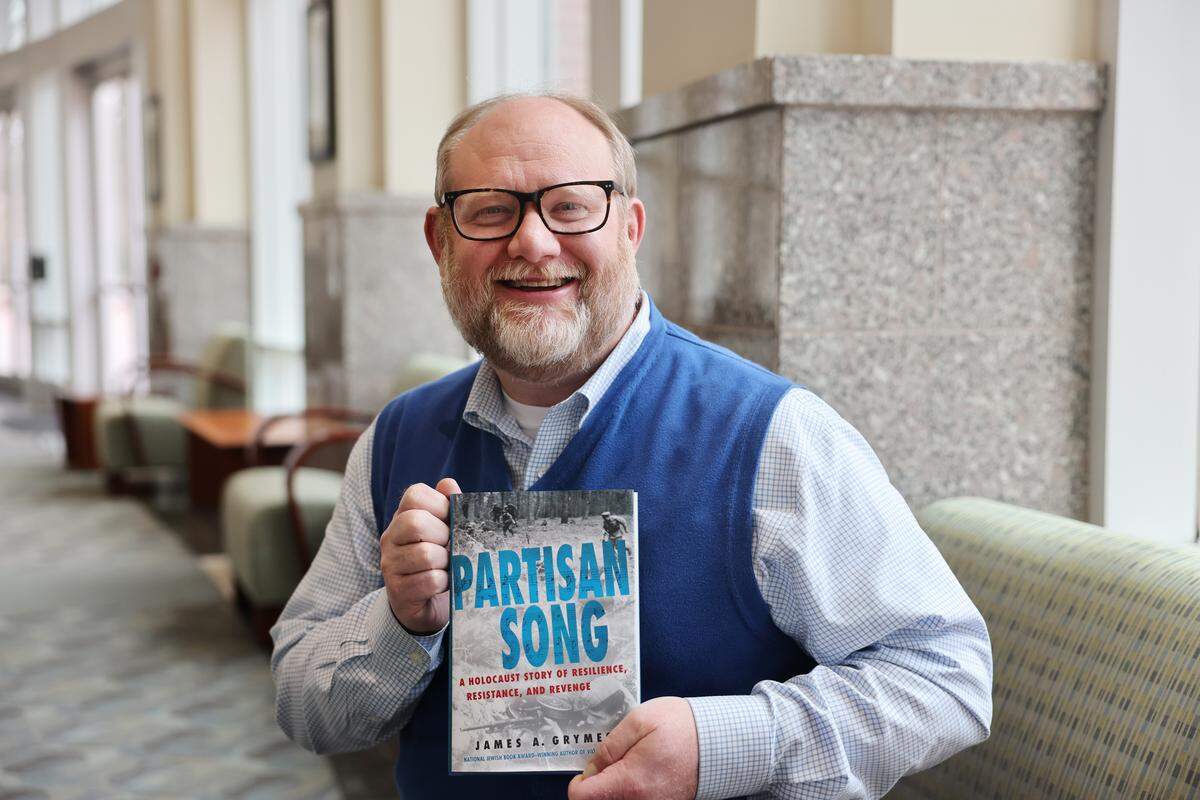
The book by musicology professor James Grymes was released on Tuesday, Jan. 27, to coincide with International Holocaust Remembrance Day. What’s more, you can hear that music next month in Charlotte, including songs that have not been heard publicly since they were written in the midst of the Holocaust over 80 years ago.
Grymes’ book, “Partisan Song: A Holocaust Story of Resilience, Resistance, and Revenge,” focuses on Moshe “Uncle Misha” Gildenman, a civil engineer and musician from the tiny village of Korets, Ukraine. Gildenman led one of the most successful partisan units to help liberate Ukraine from Nazi control during WWII.
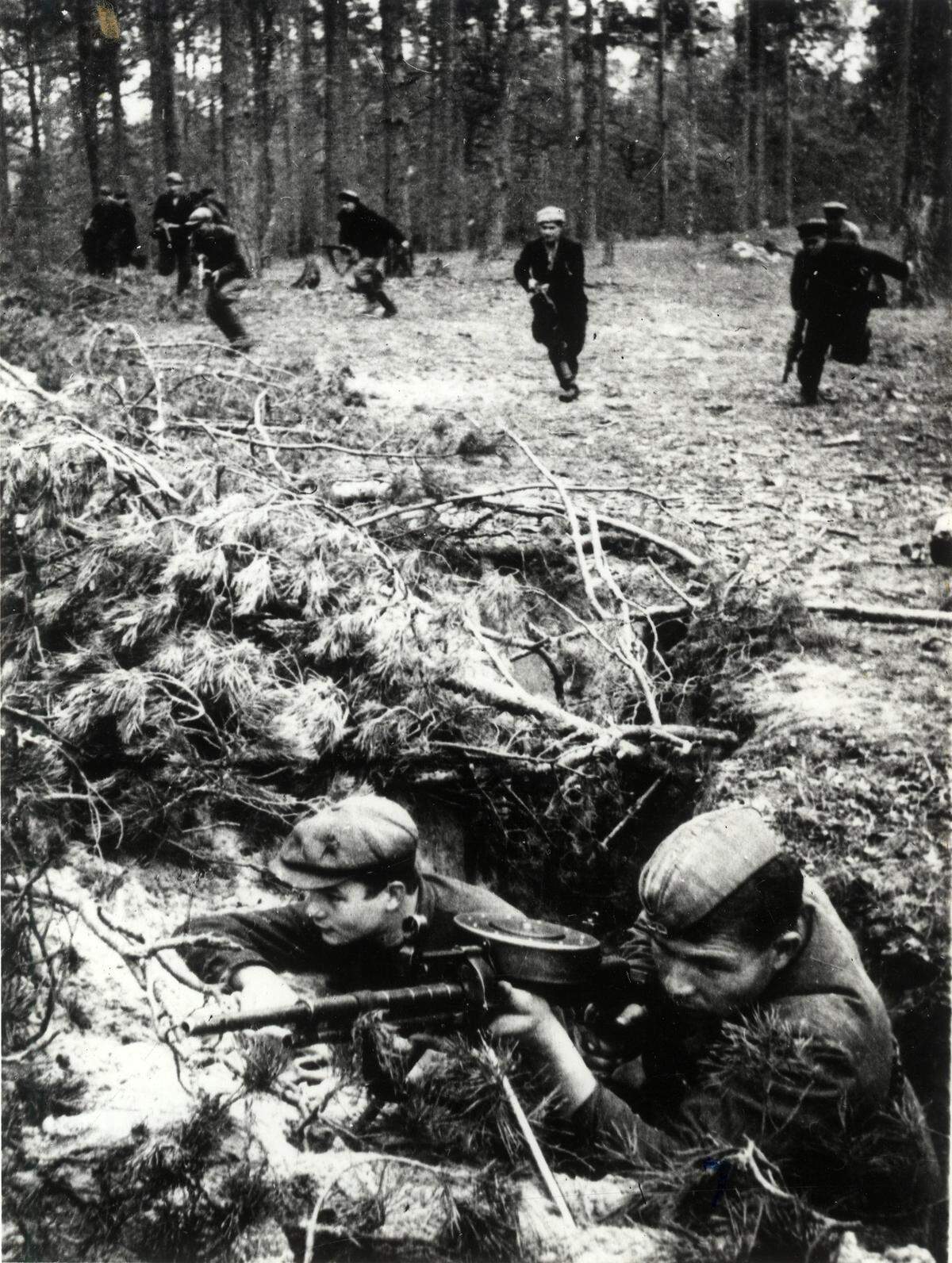
Partisan resistance fighters in WWII, civilians or former military members who were not part of the regular armed forces of the Allies, used guerilla tactics to fight Nazis behind enemy lines.
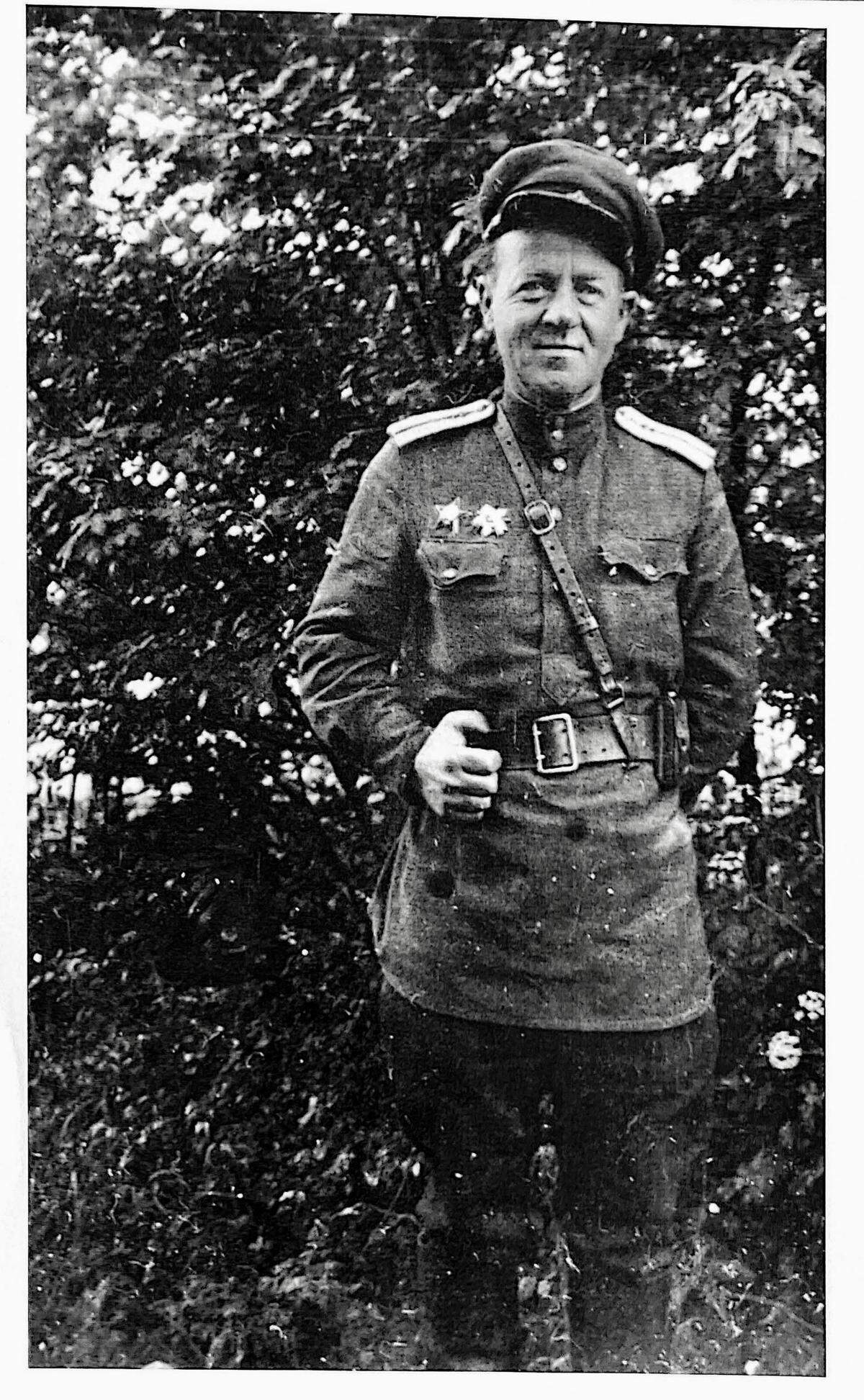
The music that animated Gildenman’s life and that of his fellow partisans is also at the heart of Grymes’ new book.
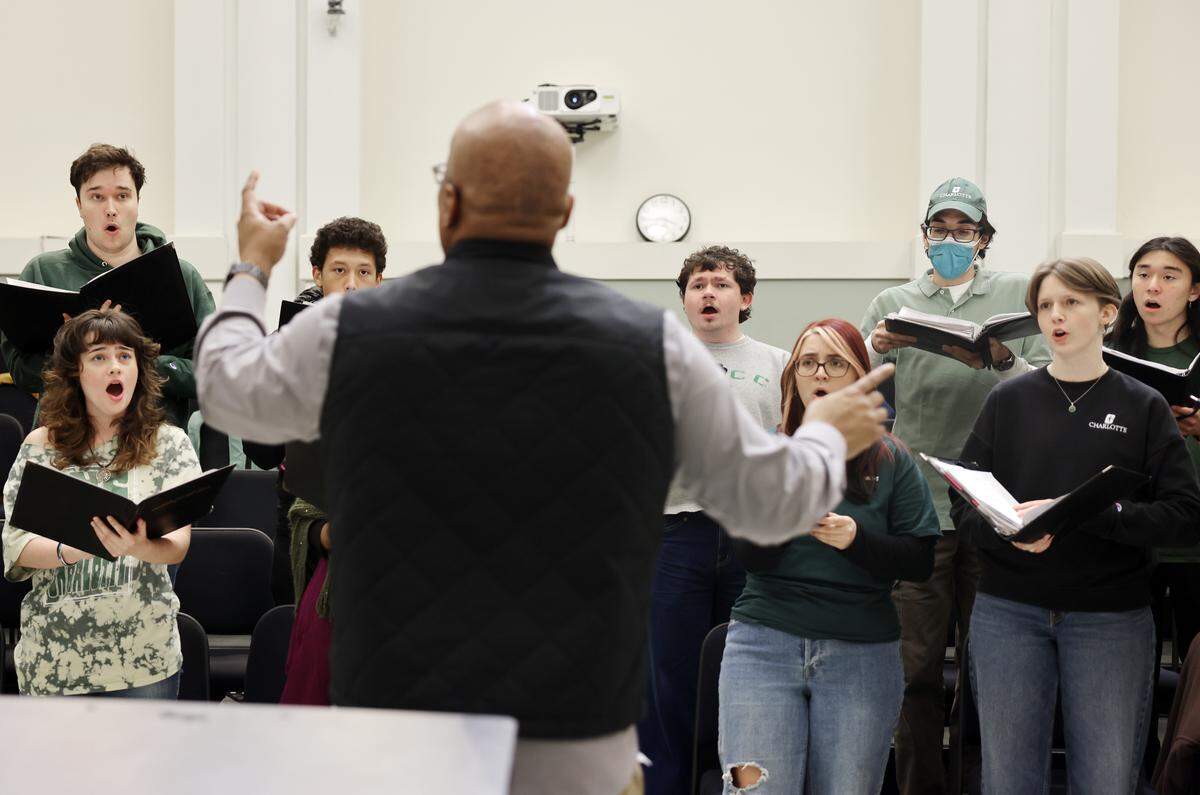
Two nights of storytelling and music inspired by Grymes’ research will take place in the next couple of months. Grymes will share selections from his new book and the University Chorale of UNC Charlotte will perform songs in Yiddish and Russian — including two pieces Gildenman wrote from the ghetto and forest urging others to take up arms against the Nazis.
Grymes reconstructed those works and arranged other popular war songs for the chorale to perform.
The first concert takes place Feb. 26 in Charlotte at Temple Beth El. The event is free; advanced registration is required. The second concert is on March 9 at the Center for Jewish History in New York City.
Grymes spoke to The Charlotte Observer recently about Gildenman, “Partisan Song” and how the book’s themes of hope and perseverance during the darkest of times continue to resonate.

Who was Moshe Gildenman?
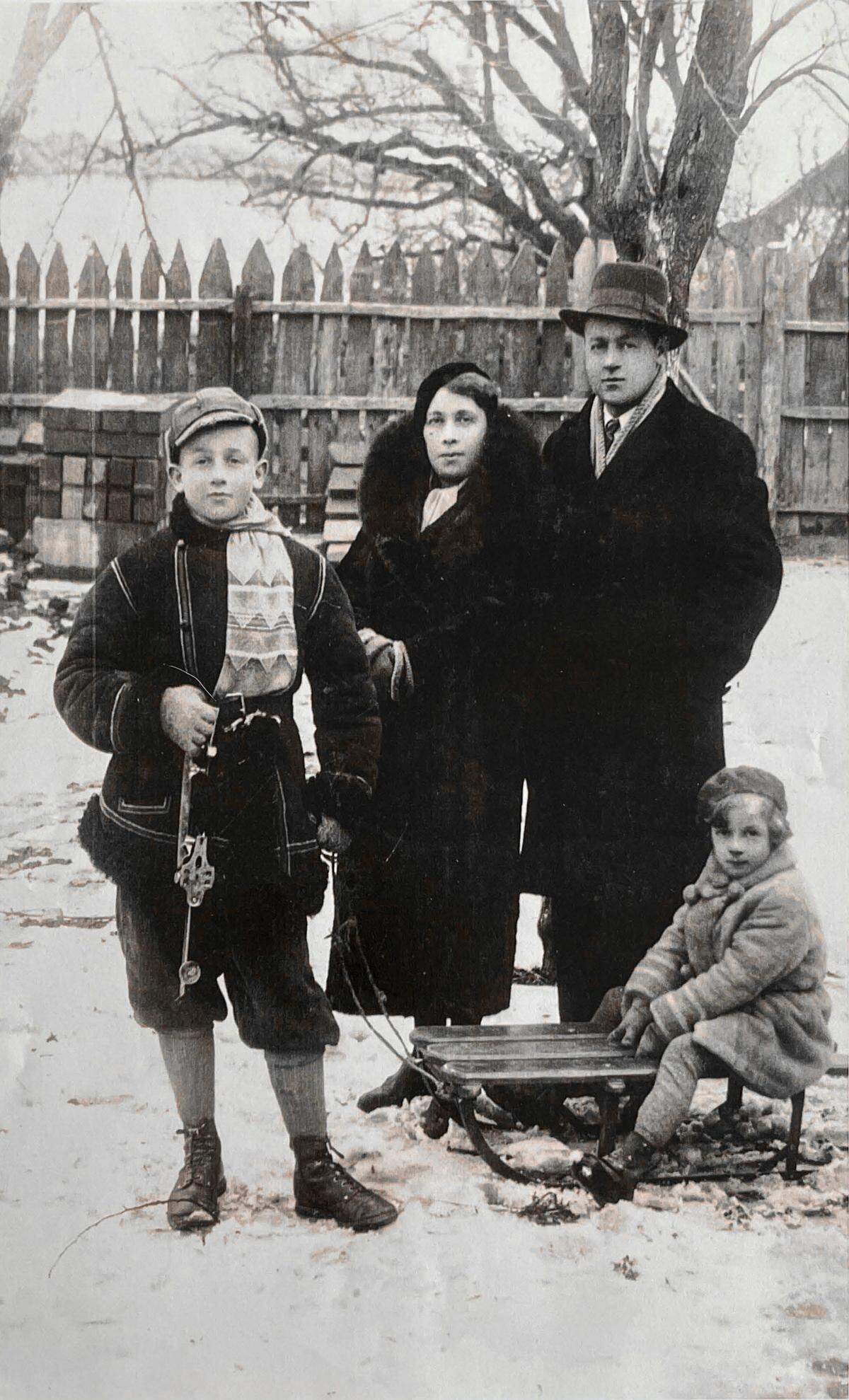
For most of his life, Gildenman (1898-1958) was a pacifist and civic leader in Korets. He wrote operettas and musicals for the local theater group, and conducted the band and orchestra at the village’s Jewish school.
He had never even picked up a weapon before the Nazis invaded his homeland in 1941. Then, on a single day in May 1942, the Nazis murdered 2,200 Jews in his village, including Gildenman’s wife and daughter.
Convinced his own days were numbered, Gildenman vowed revenge.
A few months later, Gildenman managed to escape the ghetto and headed into the forest with a small group of people, including his son and nephew. When they left, the dozen partisans only had one revolver, five bullets and a butcher’s knife between them.
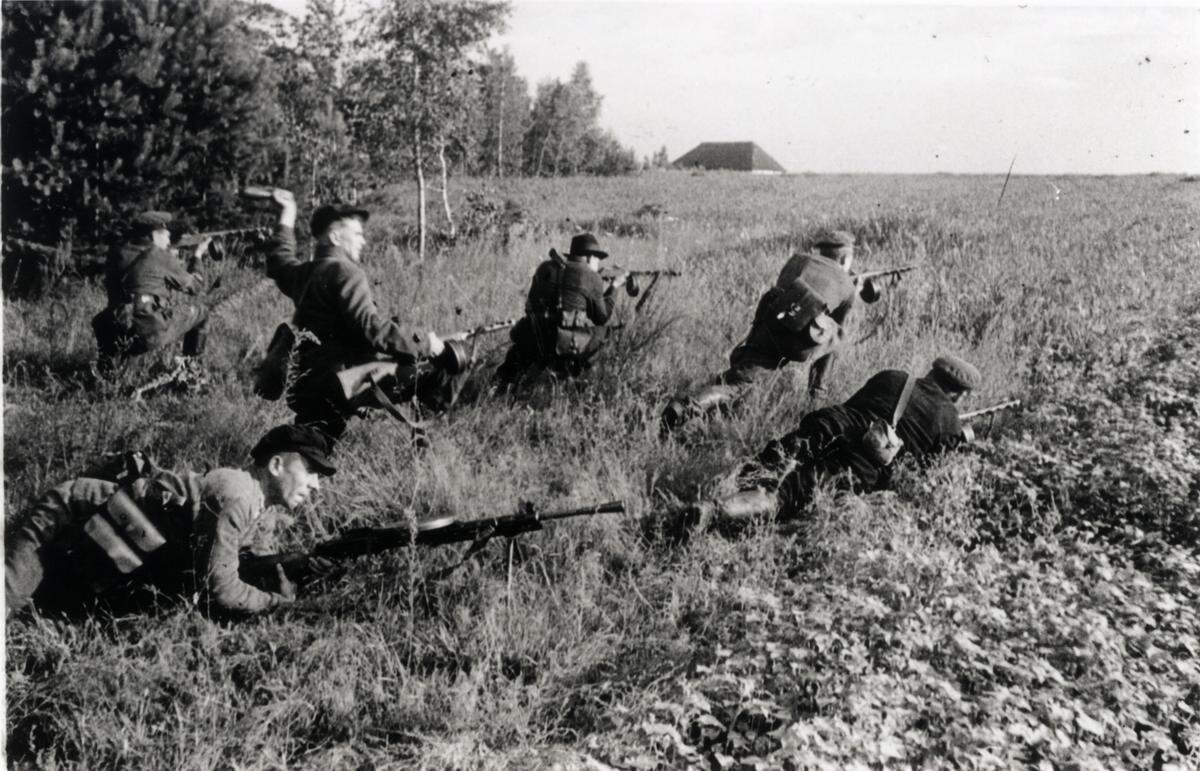
Over time, though, they acquired more weapons through ambushes and attacks. The group grew slightly but gained an outsized reputation because of their successful attacks.
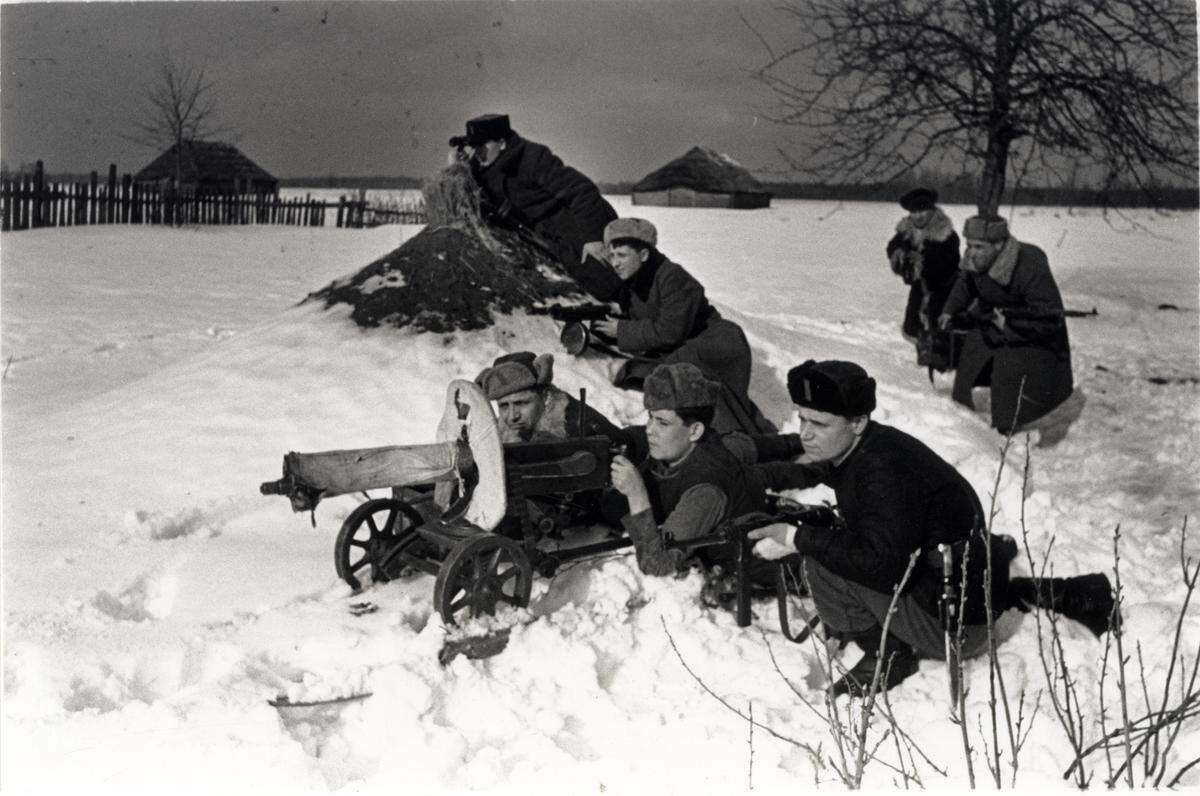
Eventually, the members joined up with Soviet partisans. Gildenman was given his own detachment to command, which became known as Uncle Misha’s Jewish Group. Although the name and separate unit were more likely signs of antisemitism than respect, the group wore the distinction as a badge of honor, Grymes said.
Gildenman’s story, and that of the men, women and children partisans he led during the war are at the center of Grymes’ book. They went on more than 150 combat missions involving sabotage, espionage, propaganda and, later, strategic rebuilding of bridges for the Soviet Army on the way to Berlin.
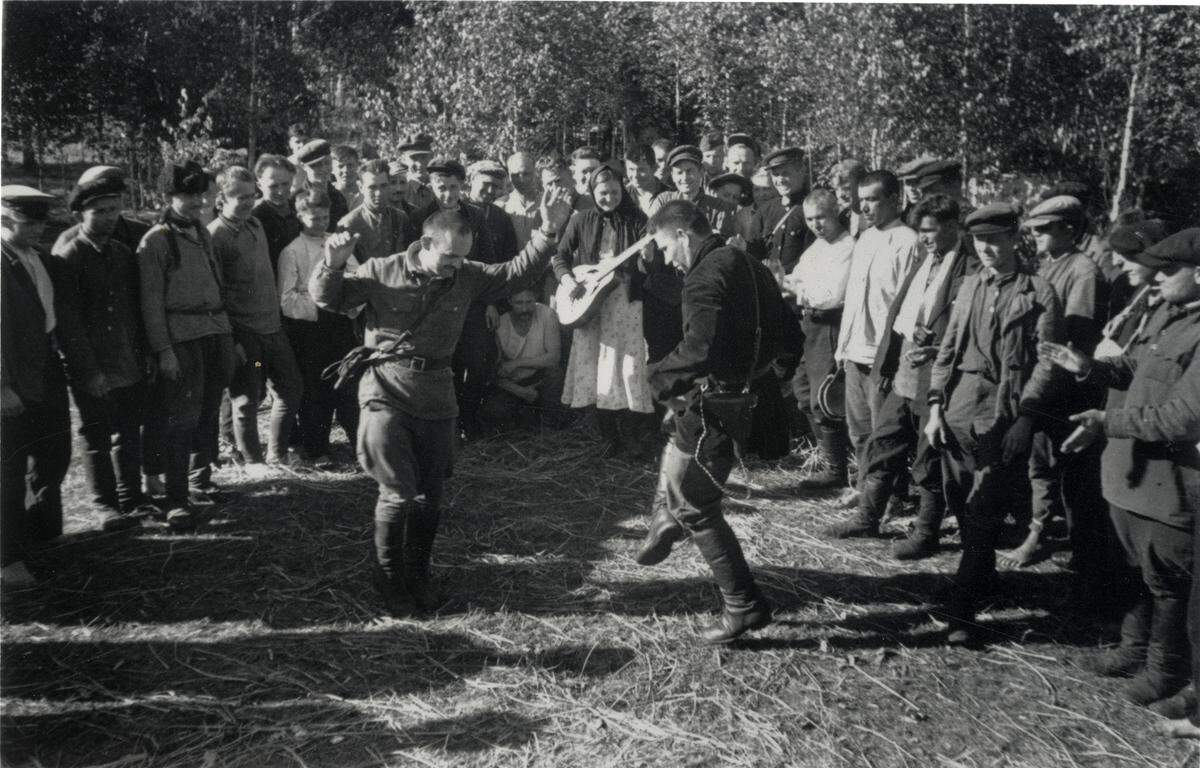
The book is also a look at the enduring power of music: how it inspired and connected Gildenman and the partisans in the forest, how they used it as a form of propaganda and what it signified as an expression of their culture.
Grymes took the title from a famous Jewish resistance song written in Yiddish in 1943 in the Nazi-occupied ghetto town of Vilna, “Zog nit keyn mol.” It means “Never Say That You Are Walking the Final Road” and became known as “The Partisan Song,” an anthem of perseverance and defiance for Jews across Europe.
Discovering Gildenman and the music behind his story
Grymes’ first book also dealt with Jews and music during the Holocaust.
“Violins of Hope: Violins of the Holocaust — Instruments of Hope and Liberation in Mankind’s Darkest Hour” traced six stories of violins and their owners, and what they went through during the Holocaust. It won a National Jewish Book Award when it came out in 2014.
While doing research for “Violins of Hope” Grymes came across Gildenman. That part of the book involved a 12-year-old boy named Motele Schlein.
Motele, whose parents were murdered by the Nazis, escaped into the forest and joined a group of Jewish partisans. A gifted musician, he also turned out to be an excellent saboteur.
Motele infiltrated a Nazi officers’ club, where he was hired to play the violin. After discovering a vacant store room in the basement, he started hiding his violin there following his performances and leaving with his empty violin case. Then each day he’d return, having filled it with a few pounds of explosives.
Bit by bit he assembled a bomb, just as the partisans had taught him. When the time was right, Motele hit the detonator, ran out of the building and the bomb exploded.
As Grymes researched Motele’s story, he discovered more about the partisan group and its commander, Gildenman.
“Motele had become something of a little brother to Gildenman’s son, Simcha, and something of a son to Moshe,” Grymes said.
When Motele died in combat, Gildenman and his son kept the violin. Gildenman’s grandson ultimately brought it to Israeli instrument maker Amnon Weinstein, founder of the Violins of Hope collection. (Motele’s violin is now on permanent display at Yad Vashem, Israel’s Holocaust memorial and museum, right near one of Schindler’s Lists.)
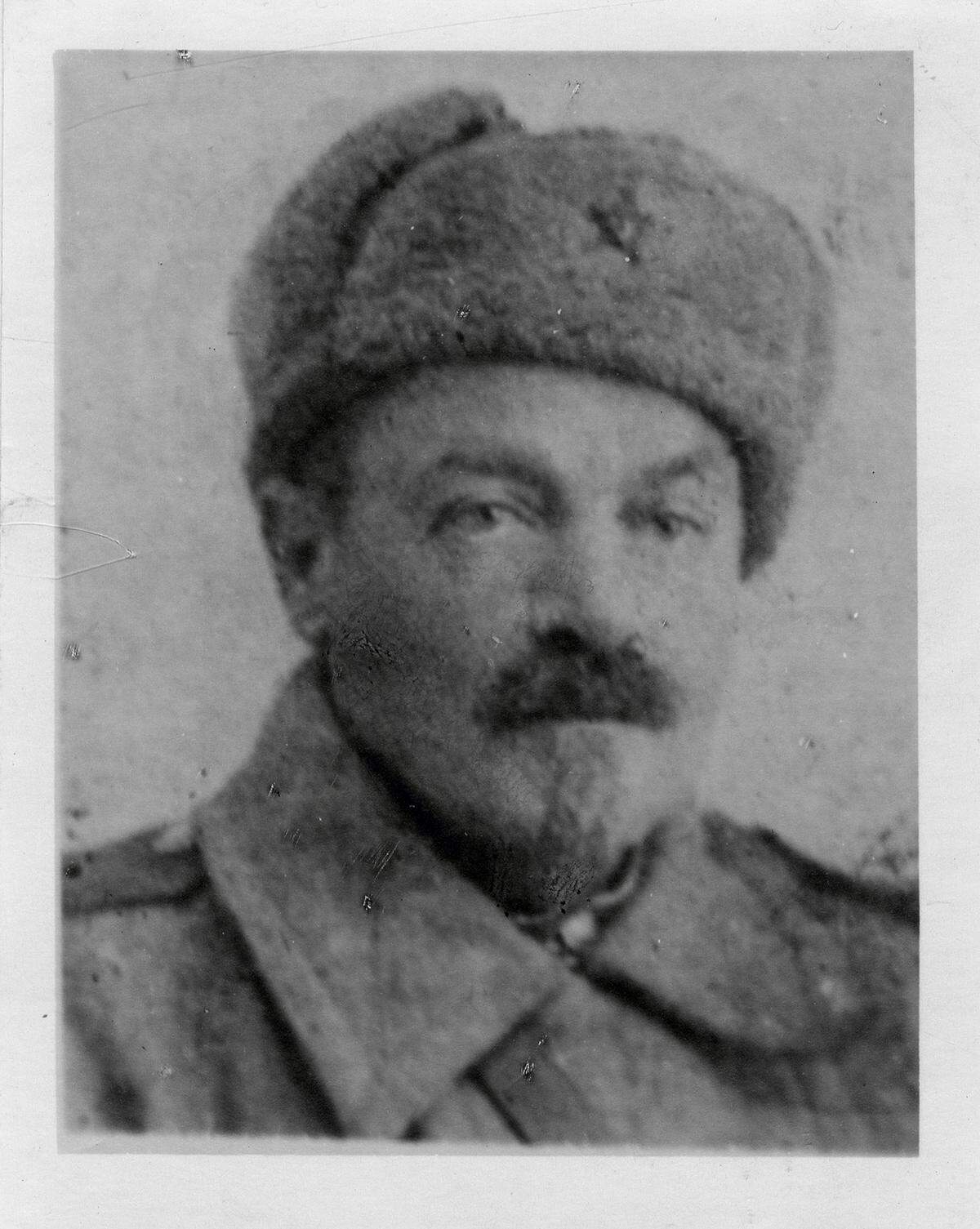
“I was really fascinated by Gildenman’s story,” said Grymes, who spent the next decade collecting more research on him. But it wasn’t until 2022, when he stumbled across a cryptic online reference to a “Songbook of Misha” that Grymes really started to see what he could bring to the project.
Misha is a common nickname in Russia and Eastern Europe, so Grymes knew the chances were slim, but he decided to pursue the lead anyway. He contacted Yad Vashem, and the museum confirmed that the book existed and had belonged to Gildenman.
The importance of song and cultural survival
The book of workers’ songs in Yiddish was among the few items Gildenman took with him into the forest. He had it throughout his partisan experience, and kept it with him for the rest of his life.
The book is in terrible shape, Grymes said. It’s missing pages, had been folded and crudely stitched back together.
.jpg "10B - Partisans Singing (1).jpg")
It ended up in Yad Vashem along with a notebook of war songs scrawled in various handwriting that Gildenman’s son, Simcha, collected near the end of the war. Gildenman’s grandson had donated the items to the museum.
Their existence convinced Grymes this was a story he was meant to tell. Through them, Grymes gained deeper insight into who this man was and what he valued.
The Nazis were known to use a common tactic of warfare, Grymes said, of not just killing people but destroying their culture. That’s why they would attack museums, steal artwork, destroy artifacts.
“For (Gildenman), that songbook was something he really wanted to hold on to. … It wasn’t just a mission to stay alive but also, he knew … he and his fellow Jewish partisans, if they survived their culture would survive with them.”
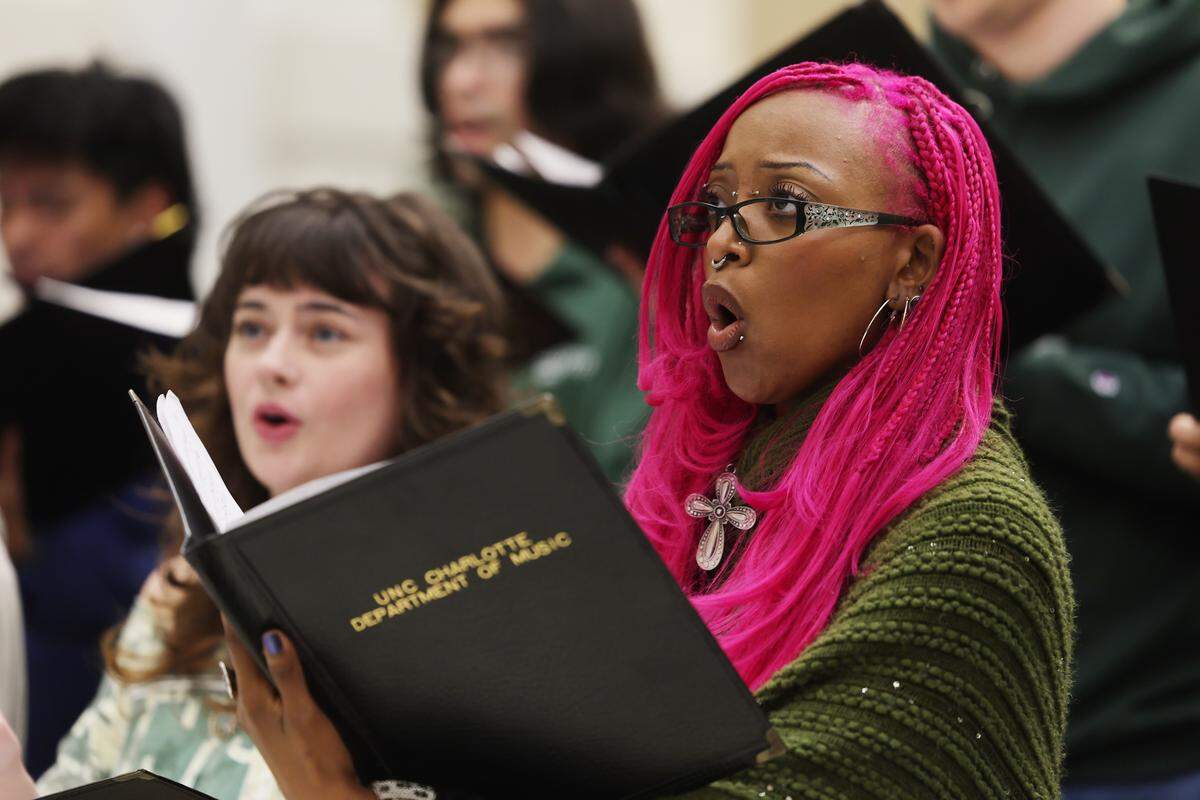
Among the songs students will perform this winter are two that Gildenman wrote during the war. One urged Jews to join the partisans and head to the forest to fight; the other was for non-Jewish, Russian-speaking Poles urging them to join the partisans.
Only the lyrics survived, so Grymes has arranged them with music from other popular songs of the era. It was common for partisans to pair their lyrics with well-known melodies.
Grymes said that to his knowledge, no one has sung the songs since 1943.
A man of peace chronicled his fight for survival
For most of his life, Gildenman was a man of peace, a goal he worked toward after the war, too.
He was a Bundist, a member of a Socialist workers’ organization that advocated for a multicultural, peaceful future that would include Jews in Eastern Europe. He was also part of a group when he lived in Poland for a few years that was trying to find a way to create a single state in Israel that encompassed both Jews and Palestinians.
When Gildenman saw the victorious countries of WWII erecting monuments, writing books and making movies about great war heroes, he didn’t see any tales of Jewish heroism. So Gildenman committed himself to chronicling the stories of the Jews who fought alongside him.
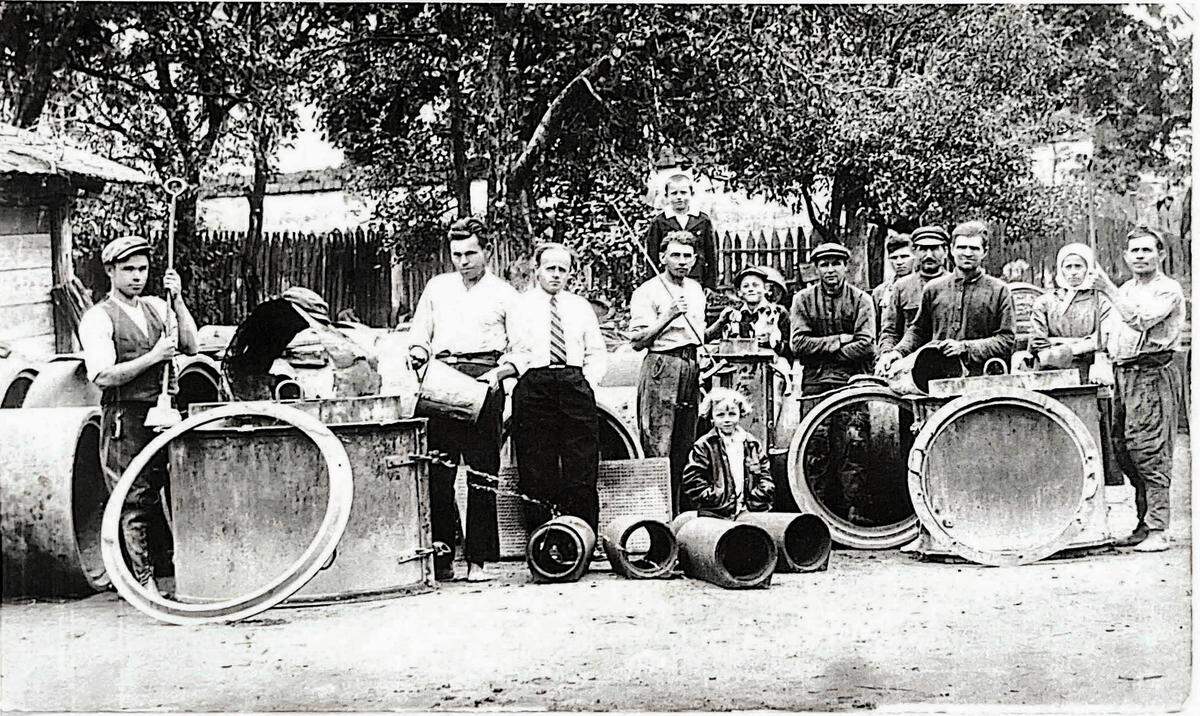
He published four books, including one about Motele and another about female Jewish partisans.
Grymes said Gildenman was not a Zionist but ended up spending the last years of his life in Israel because there simply was no home for him left in Europe.
“He became in that brief period (of the war) a man of revenge and pretty ruthless … There are some stories he told about his own actions that I hesitated to write about because they were so gruesome. But … you can’t pick and choose what’s based on convenience. This is part of the history, and you’d be doing history and him a disservice by trying to filter it or trying to make it nicer.”
The book arrives at a time of surging antisemitism, with antisemitic incidents increasing by 893% across the U.S. between 2014-2024, according to an Anti-Defamation League report.
Earlier this month, Mississippi’s oldest synagogue was fire-bombed, and a little over a week ago, threatening signs displaying a swastika and a noose were found at Shalom Park, home to multiple Jewish organizations in Charlotte.
When “Violins of Hope” came out in 2014, he didn’t receive much push back. But Grymes, who is not Jewish, has noticed a significant uptick in hate speech directed at his social media posts.
“Just the little bit I’ve done so far with ‘Partisan Song,’ there’s a lot of antisemitic comments that end up on my posts,” Grymes said.
The crux of the book, he said, remains how destructive the Nazi regime was. And while it was a different time and environment, “I still think we learn from history… The more we learn from history, the better chance we have of not repeating it.”
More arts coverage
Want to see more stories like this? Sign up here for our free, award-winning “Inside Charlotte Arts” newsletter: charlotteobserver.com/newsletters. You can join our Facebook group, “Inside Charlotte Arts,” by going here: facebook.com/groups/insidecharlottearts. And all of our 2025-26 Fall Arts Guide story can be found here: charlotteobserver.com/topics/charlotte-fall-arts-guide.
This story was originally published January 27, 2026 at 5:00 AM.