Intimidated by wine? Here’s what you need to know
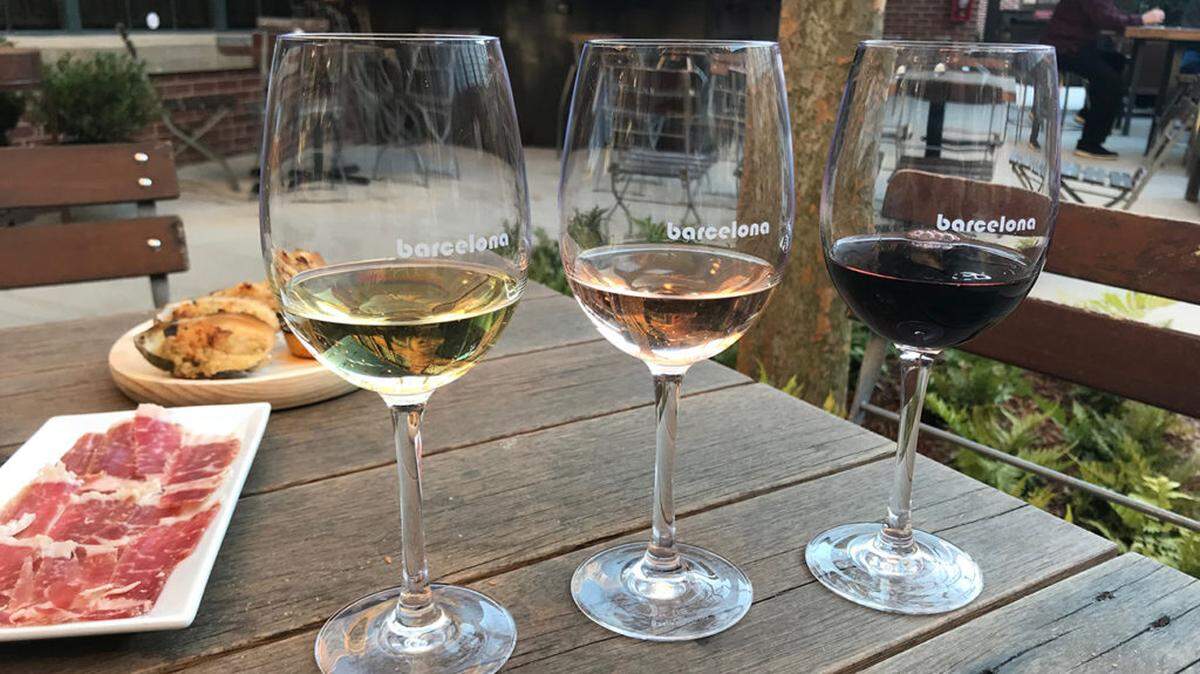
Wine has a certain sophisticated connotation that can sometimes feel intimidating. Words like bouquet and tannin, oaked and structured can leave a wine novice — or even a casual consumer — feeling out of place. However, wine pros unequivocally said to throw those preconceived notions about wine being inaccessible out the window.
“The most important advice I have for someone interested in wine: Relax and don’t take it too seriously. Unless you are studying for a sommelier exam, there’s no reason to get stressed out over fermented grape juice,” said Phil Castelluzzo, certified sommelier and beverage director at Corkbuzz Charlotte.
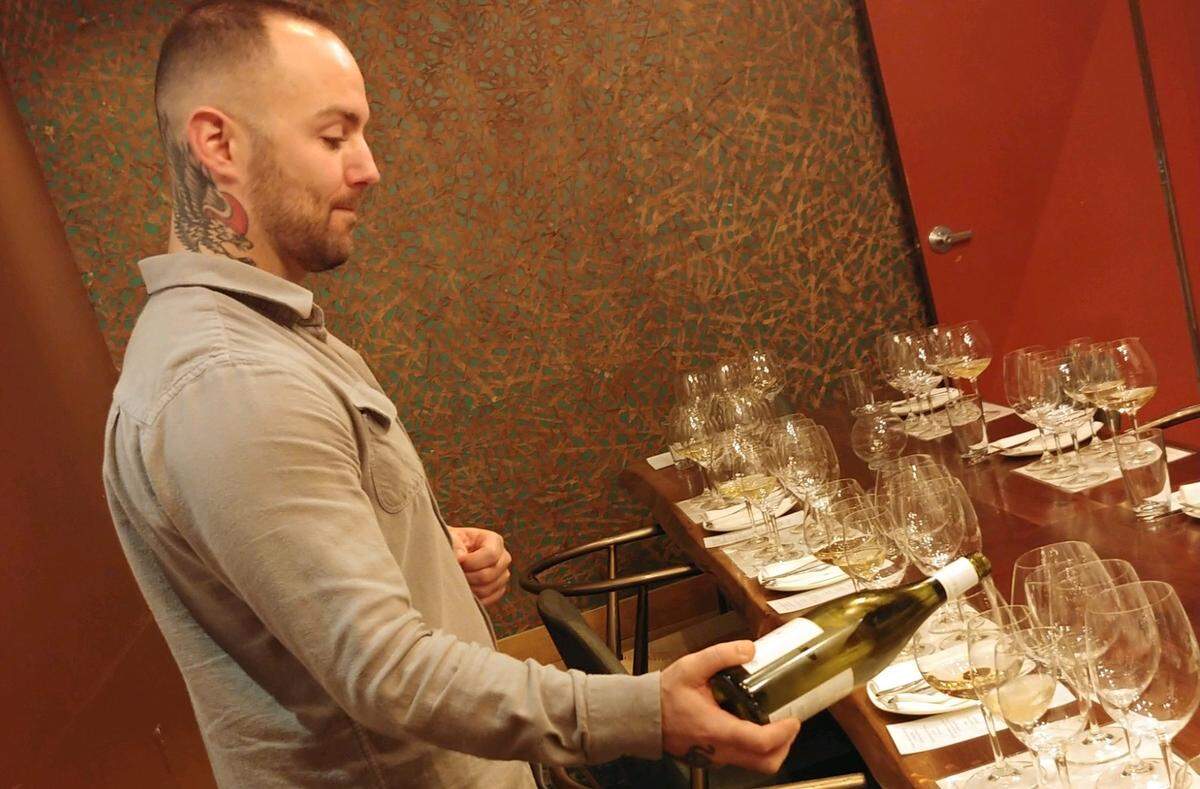
Whether it is a dinner with friends or a business meeting with colleagues, there is no reason to feel “dumb” when it comes to drinking wine.
Here are some basic tips to put you at ease:
Don’t be afraid to ask questions.
“The truth of it is, it’s never embarrassing to not know something about wine. Asking questions and being open is exactly how we all arrive at knowing anything at all,” said Emily Nevin, beverage director at Barcelona Wine Bar.
Don’t be embarrassed — ask your sommelier or server questions. Whether you have a specific type of wine in mind, are interested in learning about some house favorites or just want to have the pressure of selecting a wine off your shoulders, they are resources that should be used without hesitation.

Have an idea of what tastes good to you and what you’re willing to spend.
This doesn’t mean that you need to know the exact brand or even type of wine you like, but have an idea of what flavors you enjoy.
“Be honest in your level of comfort in ordering wine. Ask for the sommelier/ beverage director and let them know what you typically drink, or what you typically eat if you are not a wine drinker. It is their job to match your tastes to their selections,” said Sharon Balas, general manager of Foxcroft Wine Co. Southpark.
Castelluzzo added, “Try your best to describe what you like to drink (red, fruity, dry, etc.) and don’t feel the need to go too in depth. Also don’t hesitate to name your preferred price range. Not only will that make selecting a wine easier on the sommelier or the server, but you won’t be surprised by the bill after your experience,” Castelluzzo said.
When it comes to wine, money isn’t everything. If you’re on a budget, don’t resign yourself to drinking subpar wine. “Great wines can be made at every price point and so can not-so-great wines,” Nevin said. “There are amazing craftspeople making wines that you can get for less than $20 per bottle.”
It’s OK to not like a wine, or to like something that isn’t popular.
Just because your friend or your boss enjoys a particular wine, doesn’t mean you will or that you have to. Each person has a unique palette that’s receptive to different flavors. Don’t let trends or myths sway you from drinking what you enjoy.
According to Nevin, Rieslings have long had the reputation of being cheap and overly sweet, but many German and French Rieslings are some of the finest wines in the world. “The wine world has great versions of everything. If you’ve ever been made to think that your preference for sweet wines makes you a ‘beginner’ — nonsense! We can show you some really amazing quality wines that satisfy that preference.”
Castelluzzo echoed that sentiment: “Be open to trying new things, ask questions and don’t stick your nose up at other people’s wine of choice. There’s more than enough pretentiousness that exists in the wine world already, and I hope we can all work together to make it more approachable. At the end of the day, drink what you like and what makes you happy.”
Understand the traditional steps of wine tasting.
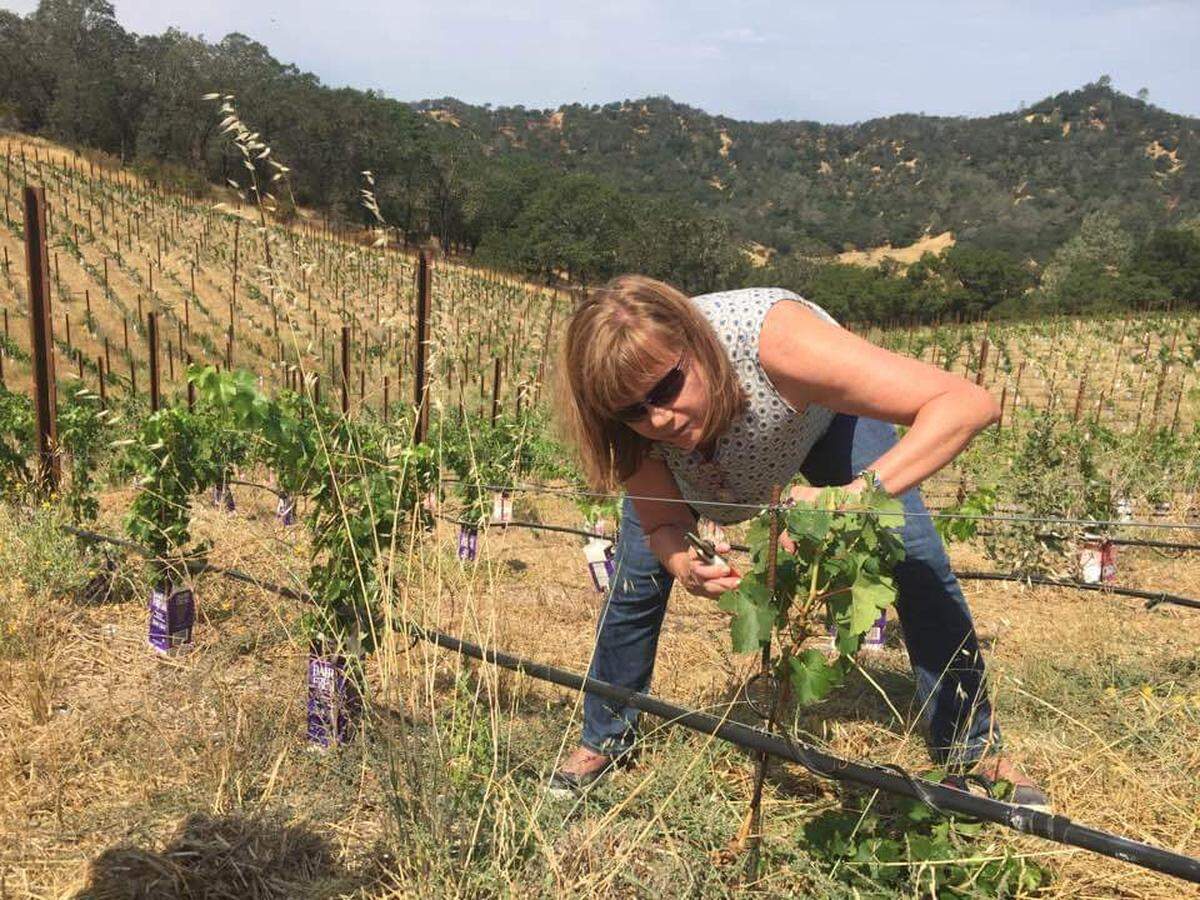
Once you’ve selected a glass of wine, you then have to drink it. Smell, swirl, swish, slurp — the process can feel intimidating. Castelluzzo breaks down the proper technique in a few easy steps.
“First things first, don’t take it too seriously. We always want to hold a wine glass by the stem and not the bulb. Holding it by the bulb could warm up the wine too fast and actually change the profile of it.
“Swirl the wine around the glass to release the aromas before enjoying a sip. If you are not confident doing this, leave the glass on the table while you try to swirl it. Next, get your nose in the glass close enough to the wine so that you don’t have to breathe in too hard to smell it.
“Then take a small sip and swish it around like you would with mouthwash. The ‘slurp’ is recommended to get the most amount of flavor out of your wine. With a little wine in your mouth, pucker your lips and slurp like you would the last spaghetti noodle.”
If that seems like too intense of a process, just take a sip. “For every rule that exists about how to do it just so (with lots of great reasons behind them), there’s an insanely talented winemaker over in Burgundy drinking their world-class wine out of a coffee cup,” Nevin said.
Wine suggestions
Still aren’t sure where to start? Here are some suggestions from our experts on popular wines that appeal to a wide variety of consumers.
White:
Light, crisp, refreshing and easy to drink: Branger Terroir Les Gras Moutons ‘17 (around $18) — Castelluzzo
Medium to full bodied, floral and peachy but dry: Fillaboa Albariño 18 (around $20) — Castelluzzo
Rich and full bodied California Chardonnay: Frank Family — Napa (around $40) — Balas
Citrus, mineral flavored, acidic Sauvignon Blanc, Hubert Brochard — Loire Valley (around $30) — Balas
Red:
Medium bodied, dry, crowd pleasing: Clos St. Antonin Grenache Blend ‘16 (around $22) — Castelluzzo
Full bodied, leather, tobacco and food friendly: Tenuta Monteti Caburnio Cabernet Sauvignon Blend ‘14 (around $26) — Castelluzzo
Malbecs are great red blend for beginners — grapes grown in lower altitudes have rich black fruit flavors and tend to be less expensive: Decero Malbec (around $20) — Balas
Grapes grown at higher altitudes (often with “Alta” in the name) are elegant, fresher, floral and more expensive, Cuvelier los Andes Grand Malbec (around $70) — Balas
Fruit bomb, unoaked, balanced, natural (no added sulfites) and well-liked: Spanish Garnacha, (called Grenache outside of Spanish speaking countries), Le Naturel (around $10) — Nevin
This story was originally published March 13, 2020 at 5:40 AM.