After Charlotte restaurants ramp up takeout/delivery, some decide to close amid COVID
We never thought the most common word we’d connect with successful restaurants wouldn’t be “delicious” — it would be “pivot.”
But pivoting has been one of the keys to surviving in the food world while a statewide stay-at-home order is in place. Figuring out how to sell food when your dining room is closed has been like a musician trying to play in an empty arena.
So far, the great takeout experiment has had winners and losers among Charlotte area restaurants.
Chris Coleman, for instance, had just opened Goodyear House on Feb. 4, six weeks before North Carolina Gov. Roy Cooper ordered that all in-house dining had to close to help stop the spread of the novel coronavirus COVID-19.. Coleman tried to offer takeout for a week, but quickly had to pull the plug and shut down.
“We looked at the finances of it and the money didn’t make sense,” he said. Goodyear House was getting around 30 orders a day, but that wasn’t enough to cover the cost of salaries, ingredients and all the other expenses. And one of the biggest bites out of a restaurant’s sales is the delivery services, which charge both the customer and the restaurant.
“We were fighting an uphill battle,” he said. “You do have places like pizza places and Chinese places who already have a takeout following.” But for restaurants where the setting is a big part of the experience, it’s hard, he added.
“Delivery means losing 10 to 15 percent right off the top,” he said. “It just didn’t add up.”
Carpe Diem/Earl’s Grocery
In Elizabeth, Bonnie Warford, who owns both Carpe Diem and Earl’s Grocery with her sister, Tricia Maddrey, tried to stay open by using Earl’s as a catering kitchen for takeout orders.
“And we did an OK amount,” she said. But because they’re located so close to several large medical facilities, most of their business was coming from there.
“It was hard for the staff, frankly. So we decided it wasn’t worth it.”
She tried to contact Novant about offering meals they could deliver to hospital workers. But she didn’t get a response.
“I think because my sister and I are both over 50, we’re aware of the risks.” Down the road, they may try it again, she said.
“It’s not out of the question, it’s just out of the question for the next month.”
Hot Box Next Level Kitchen
At least one other chef didn’t plan to do takeout at first, but changed his mind. Michael Bowling had opened his new spot, Hot Box Next Level Kitchen, inside Southern Strain Brewing Co. in Concord last October. Since most of his customers come from the brewery, he closed when the brewery closed. But last week, his staff convinced him to change his mind.
“My guys were getting restless,” he said. “Everybody needs to earn a little money.”
Last weekend, Bowling opened on Sunday with three staff members and a short Sunday supper style: Fried chicken, mashed potatoes, green beans and pound cake from pastry chef Jamie Turner. It went over so well, he sold 50 dinners and took 24 more to the staff at Concord’s hospital, Atrium Health Cabarrus.
This weekend, he’ll offer a limited version of his regular menu on Saturday and Sunday. And if that goes well, he’ll add Friday. To order online, go to www.hotboxnc.com.
“I feel like it’s a build. If we do it consistently, it can be something that’s sustainable.”
Why takeout works for some and not others
Kris Reid, the executive director of the Piedmont Culinary Guild, a grassroots organization of chefs and food producers, has been hustling on Facebook, trying to help restaurants get financial assistance, trouble-shooting rent issues and sharing advice on supplies. She also gets a birds-eye view of Charlotte’s food world.
She sees two things that have made a difference: One is restaurants that have more than one location can consolidate their operations. For instance, Lewis Donald of Sweet Lew’s, the Belmont Avenue barbecue joint, had just bought Dish in Plaza Midwood. He’s still got food from both menus available, increasing his potential customers, but all pickup and delivery comes out of the Dish location.
The other key, Reid said, is changing the menu to recognize what the customers around you need. So many people are working from home that restaurants close to suburbs have an advantage if they offer shorter, family-friendly or family-size menus.
For instance, Bruce Moffett at Good Food on Montford has added a “take-and-bake” option, like enchiladas or short ribs with polenta, family-size meals for two to four people, steamed buns by the bag and a list of kid-friendly dishes.
“That’s really innovative,” Reid said. “Everybody’s trying to find a solution that works for them.”
That kind of tight community focus has been a life-saver for Adam Reed at Sante in downtown Matthews. He’s been there for 20 years, so a lot of locals know his restaurant and are trying to support him. He’s also added new services like pickup at the restaurant for items from his restaurant suppliers and from the Matthews Community Market across the street. He’s getting ready to add grocery orders for pickup during the week, as well.
Reed has done so well that he said his March profits were only down 10 percent from last year, and he’s been able to keep most of his staff and even hired one worker. He may hire another soon to cover desserts and pastry.
“It’s pretty amazing, actually. Downtown Matthews is where people like to get out and walk, and people see us. That community vibe is helping, for sure.”
For now, Coleman is looking forward and planning for his reopening.
“We should – should – be able to bounce back with relatively little pain,” he said. “And we will probably roll out takeout when we reopen.”
Takeaway tips on takeout
Pick the restaurants in your area that you want to support. Try to patronize them whenever you can. This will end sometime, and it’s worth thinking about which food businesses you want to return. If you believe in a place, try to find ways to support it. “They can pull through this if we keep supporting them,” Reid said.
Order from the restaurant’s website, not through a delivery service. Dalton Espaillat, who owns the Sabor chain and Three Amigos, points out that it not only saves the restaurant money, you may get a better deal. He posts specials on his websites that you won’t see if you go through a delivery app. “I’ve seen people paying 20 dollars for a burrito (from a delivery service),” he said.
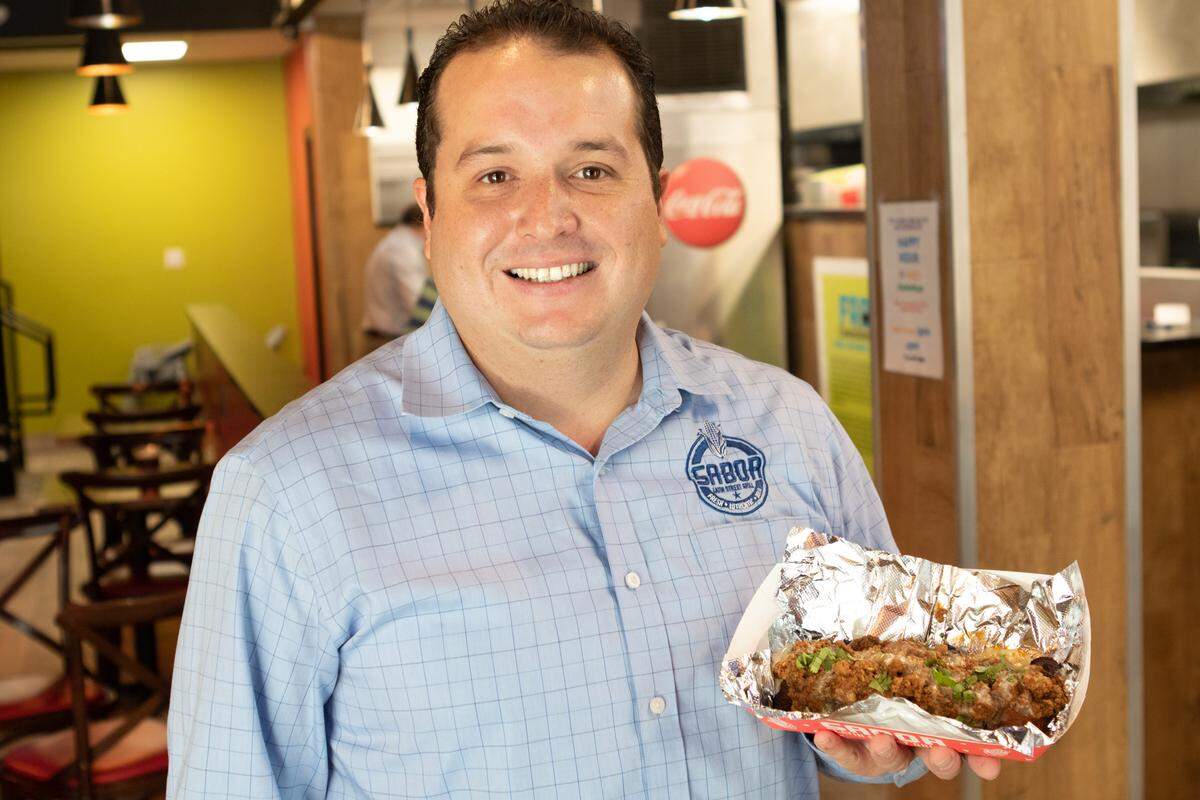
Go get your food. If you can drive over to pick it up, it helps, Reid said. Use it as a break from your day of working at home. (Use caution, of course, including wearing a mask.) That saves the delivery fee restaurants would have to pay, and it keeps you connected to the food community that just wants to feed you. (And remember to tip them the same as you would if you were sitting inside.)
Keep it safe. If you’re worried about the potential of an infected or contaminated staff member handling your food, remember that food workers are trained in safe handling, including gloves. The Food and Drug Administration has no evidence of food containers or packaging being associated with transmission of COVID-19, but offers steps to minimize the risk, like washing your hands after handling packages, after removing food from the package, before you prepare the food and before you eat.
This story was originally published April 9, 2020 at 5:30 AM.