5 food trends to look out for in Charlotte, according to national culinary experts
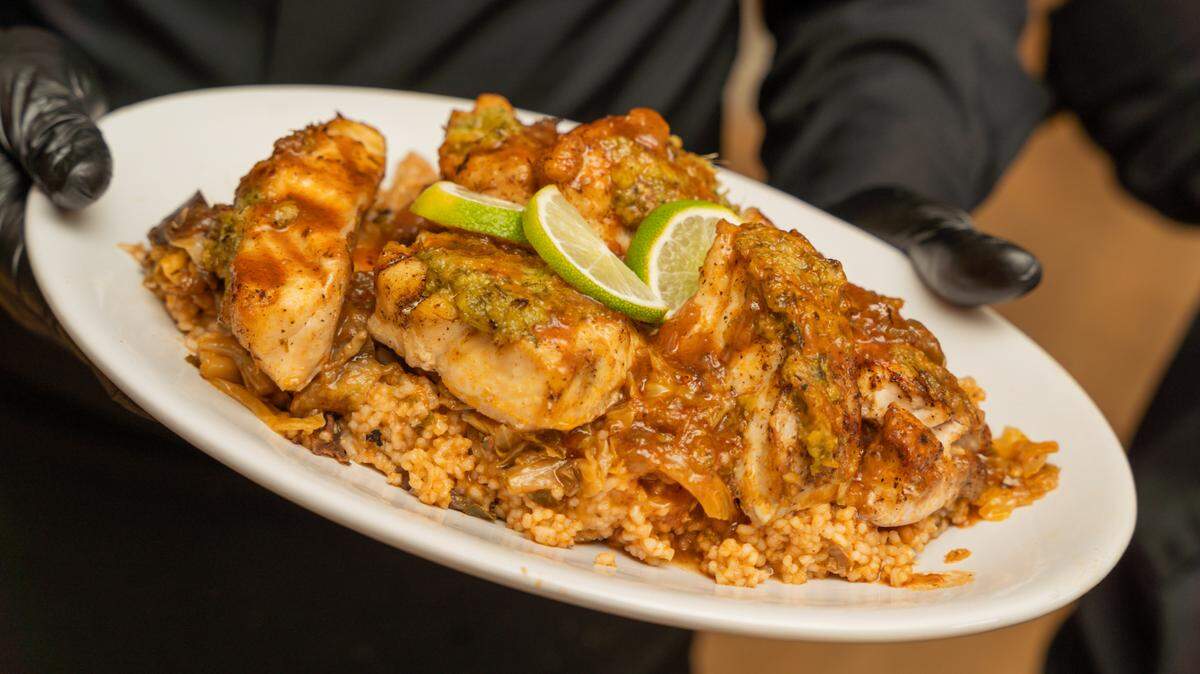
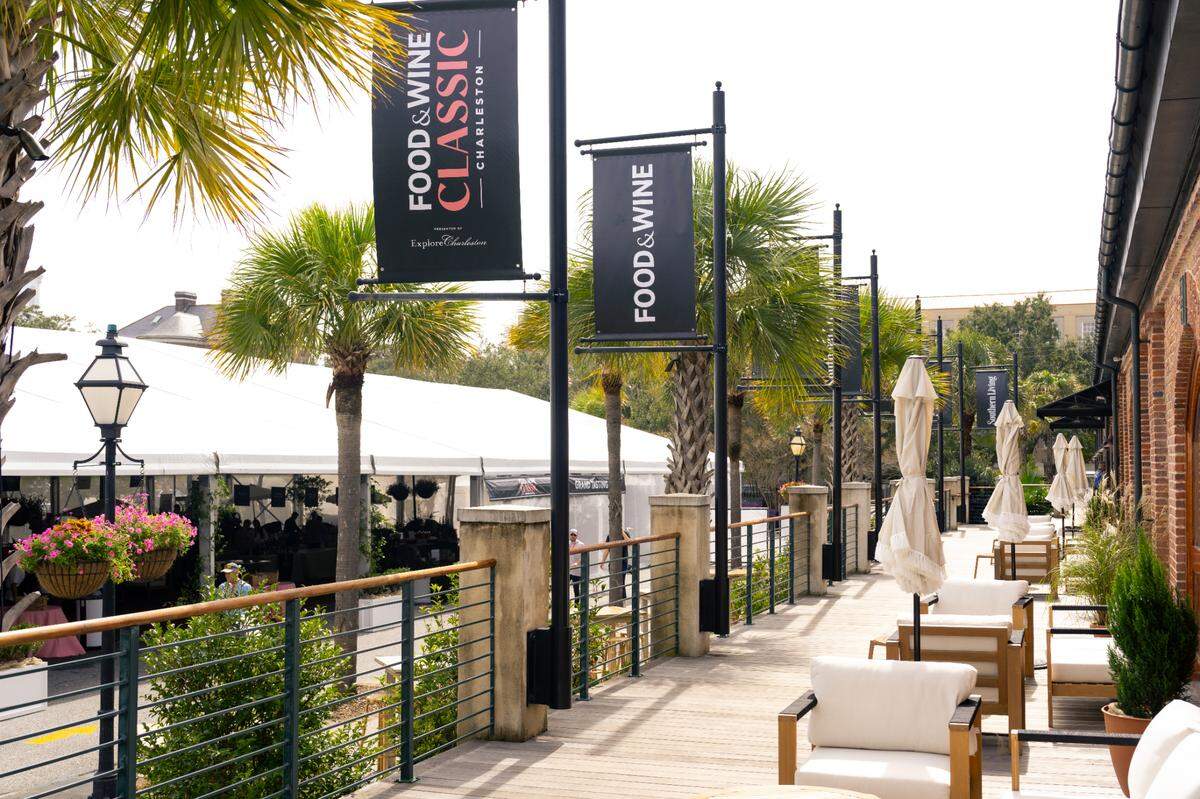
The first FOOD & WINE Classic in Charleston boasted a star-studded lineup of national culinary talent including Maneet Chauhan and Tyler Florence, who took to the stage for cooking demos and educational seminars. It also highlighted local culinarians who presented seemingly endless rotations of food.
With attendees and talent flying in from across the country Sept. 27-29, the festival bubbled with energy and indulgence, featuring 100+ vendors that leaned heavily into Southern foodways, complemented by a fair share of international wines and spirits to sip and buzz about.
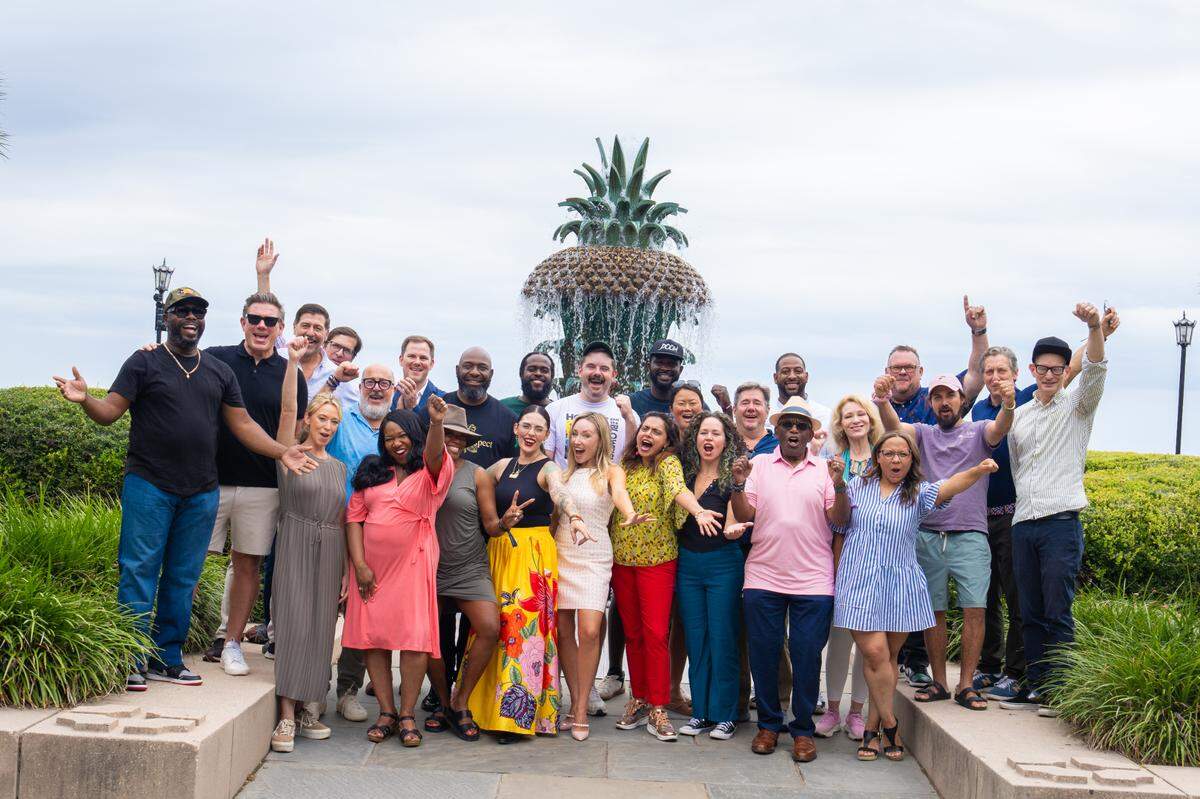
“When we do this the right way, it’s like an adult weekend long summer camp,” Hunter Lewis, editor-in-chief of Food & Wine, told CharlotteFive. “You can come and have your fun, and people can create that magic back home.”
I got to attend this adult weekend long summer camp, and the magic I’m bringing home comes from these seminars, the strolls through food-and-drink-dreamland (aka the Grand Tastings) and the many conversations with chefs, food writers and sommeliers around the dinner table each night.
I gathered 5 key takeaways that might unlock insight into trends and leading values in the both the Southeast and national food, beverage and hospitality scene.
One message is clear: There’s an overarching upsurge of values in the hospitality industry — diversity, social inclusion, progressiveness, mentorship. Other values that surfaced through at the festival’s educational seminars include sustainability, consumer education, local sourcing, and transparency.
Even outside of the microcosm of the industry that was the FOOD & WINE Classic in Charleston, one can see the movement toward value-driven dining and purchasing out in the real restaurant world, as restaurants share explicitly clear views on social justice or environmental issues, run donation cocktail specials and offer tip the kitchen charges to improve the back-of-house wage gap.
According to Lewis, “Conscious consumers are aware of what they’re buying … transparency is a competitive edge. You should be leading with your core values.”
Ingredient-driven menus can tell the stories of historic foodways
Dishes that go beyond the plate and connect diners to the historical context of an ingredient will be the ones captivating diners and getting national recognition.
“If you’re going to have something on the menu, use that menu item, that dish and the servers bringing it to the table to help tell that story,” Lewis said.
At the A Noble Grain brunch hosted by Food & Wine, the simple-on-the-surface ingredient of rice was the centerpiece, set against the backdrop of the ingredient’s history and role in Charleston for a deeply compelling pairing.
“The people that grew this rice and the people that cleared the fields and had the innovation and education and intellectual property to be able to do so were enslaved West Africans,” Lewis said.
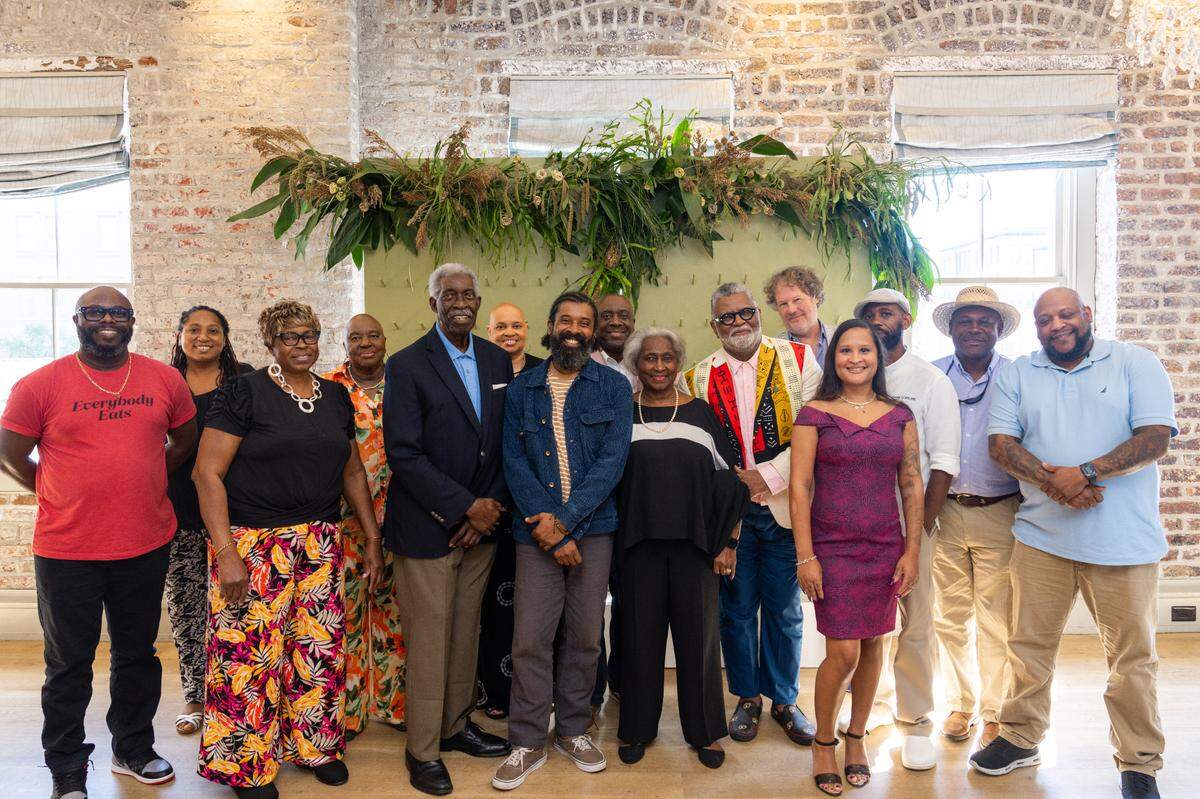
This ingredient was the foundation of Charleston’s economy, Gullah Geechee cuisine and modern-day Southern cuisine as we know it, Food & Wine’s The City that Rice Built explains.
Equipped with a story behind the meal, the eight dishes unfolded like a marvel:
Chef Kevin Mitchell’s rice paper crisp was perched on top of skillet-fried okra.
Alexander Smalls’ smothered shrimp was suspended in tender rice grits.
Duane Copeland’s spongy rice bread was a vehicle for Charlotte Jenkins’ okra purloo.
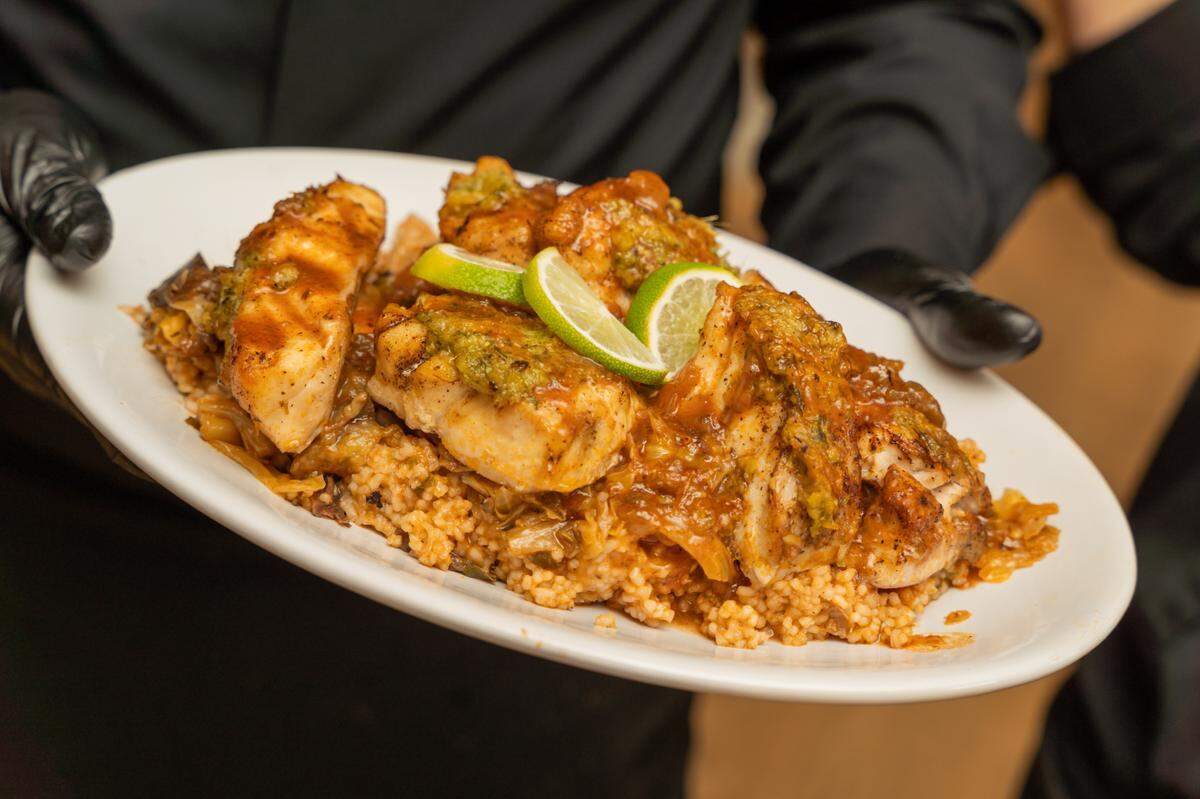
The use of culturally-significant ingredients demonstrated how dining that acts as a vessel for storytelling can feel markedly personal and ultimately memorable. The food has a frame of reference; the food makes a mark.
Chef Mike Lata, a James Beard award-winning Charleston chef at FIG and The Ordinary, said that the best meals often are sometimes less about the food on the plate and more about the context in which they’re presented.
Connecting an ingredient to a place, to history, to story is a way to build that context and heighten a diner’s senses. “Your receptors,” he calls them. As long as the food is “consistent and good,” it’s the “vibe, a soulfulness, a history and a romance” off the plate that tugs on the heart strings, Lata said.
Mid-sized markets are ripe with opportunity for young chefs
While Lewis said, “L.A. right now is where there is the most momentum when it comes to concentration” of restaurants and chefs with dynamic, international cuisine, he noted the expensive reality of living and building a restaurant career in these cities, pointing to the opportunity that young chefs have in mid-sized cities.
“You don’t get into the hospitality industry to get rich,” Lewis said. That’s why he sees many of the next culinary capitals being built in markets such as Charlotte over the next 10 years.
“It’s a young person’s game,” Lata said, referring to the intensity of hours and physical labor required of chefs. In smaller, somewhat less concentrated cities, these young chefs may confront fewer barriers to entry, more direct access to learning from the pros and ultimately, greater means to start their own concepts.
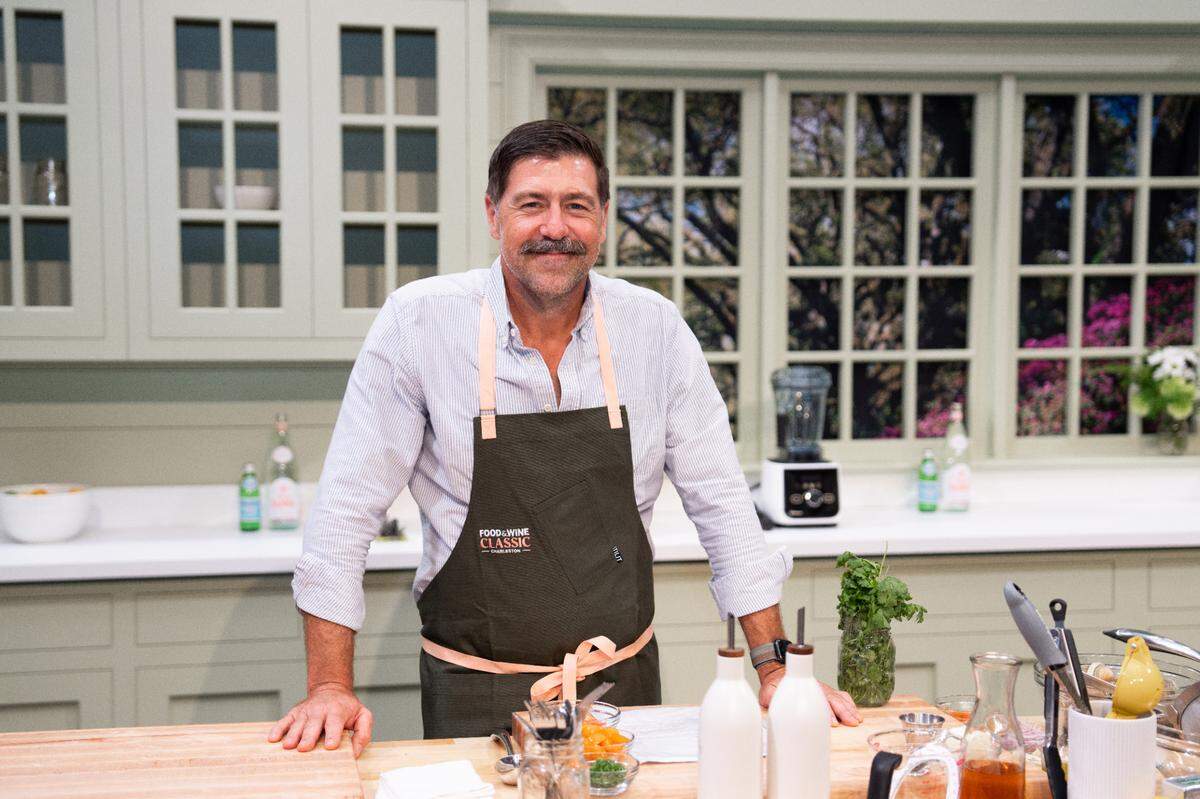
Lata thinks these chef-driven, independent owner-operators will have an advantage, too.
These more intimate restaurants “will be the best experience,” not the restaurant group that went from one to five concepts in a blink, who might end up showcasing “stellar mediocrity,” he said.
Whimsical, non-traditional pairings
Let’s zoom in at the oysters presented at the Grand Tasting from the 167 Raw team in Charleston. The oysters were paired with Guinness, not only dousing two versions of a Guinness mignonette on the oysters, but also pairing them with a cup of the Irish stout. This bitter-meets-briny blend made for a stand-out pairing.
At a seminar demonstration at the festival, chef Stephanie Izard, with restaurants in both L.A. and Chicago, whipped up an Asian-inspired shrimp French toast with a toad-in-the-hole egg and a tequila cocktail, composed of fresh heirloom tomatoes, tamarind and pickle brine.
If there was one takeaway from Izard’s seminar: Experimenting with food and drink combinations can and should be full of merriment, creating an internal foundation ripe for recipe-testing.
Izard kept calling the diversity of ingredients before her a “playground.” That game-on attitude will make waves in the industry, both playful and disruptive.
QR codes are leaving, but technology is staying
While in Charleston, I attended an event with Blackbird, an app that incentivizes users to become regulars at local restaurant partners with exclusive perks and features its own payment currency called $FLY. The NY-based company just launched its perks in Charleston.
Blackbird founder Ben Leventhal has had his finger on the pulse in this industry for years; he founded both Eater and Resy. His newest endeavor is a testament to how technology and dining will continue to grow hand-in-hand.
This symbiotic tech x dining collab doesn’t mean QR codes on every table again (please, no), but it means creating connective, easy-to-use, reward programs and restaurant-guest relationships with a click of a button.
“As today’s dining landscape becomes increasingly fragmented, with little direct connectivity between guests and restaurants, Blackbird’s technology helps restaurants really get to know their patrons,” Leventhal said. “Checking in on Blackbird prompts a personal response from the restaurant team, allowing them to build a relationship with that guest.”
Blackbird leverages user-friendly technology to induce social belonging, even social status, for diners, and foster relationships between diners and restaurants. The app even organizes breakfast clubs and burger leagues.
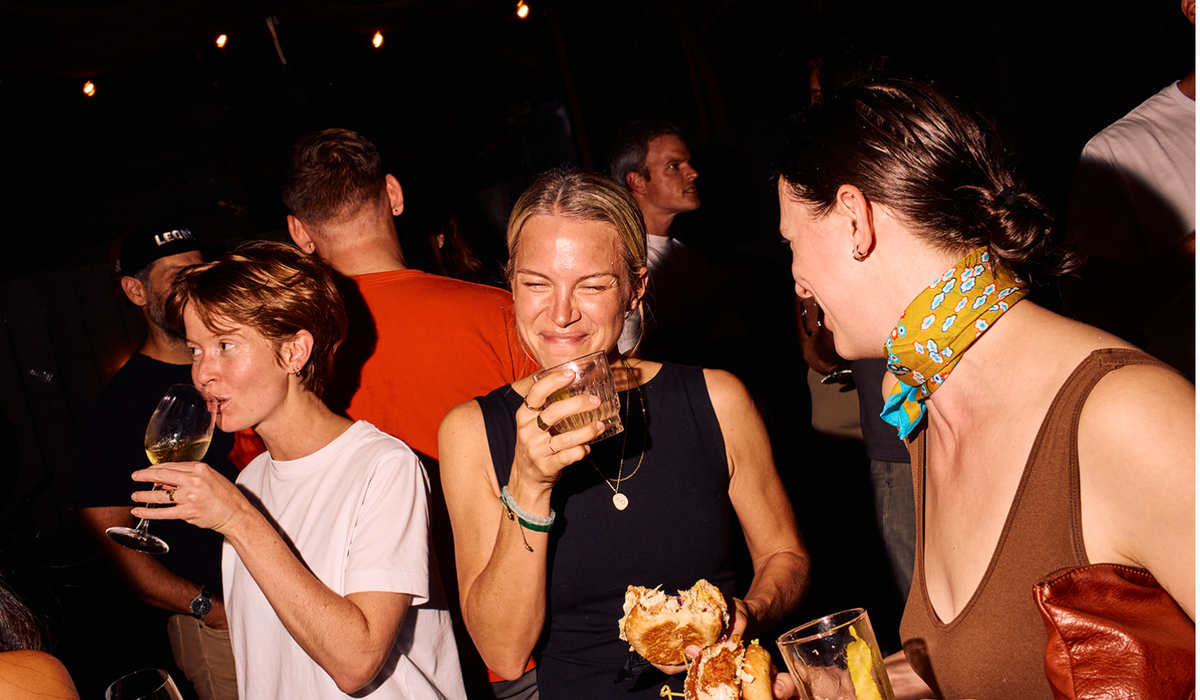
There is an undeniable connection between what restaurant someone goes to and their sense of identity, almost as if snagging that hard-to-get reservation at the newest, flashiest place is modern-day social capital, a flex, a display of social clout.
This type of tech appeals to diners. Blackbird and Beli, where users can track and share their restaurant stops with friends, created a brand identity that is so fresh and fun and friendly that people want to be a part of it. And that’s the point — restaurant-centric technology that fosters a sense of premium belonging is taking the lead.
Not to sound trite, but happy employees will make a difference
“Restaurant health has flipped from the happy customer to the happy employee,” Lata said. It’s not a novel idea, but it’s what it takes to be in it for the long haul — to sustain the laborious work inside the restaurant and stay relevant in the industry.
Along with many restaurants increasing staff wages and benefits over the last few years to prevent turnover and invest in the workforce, a key part of fostering the happy employee is prioritizing mentorship.
“Everybody has more potential … they just need to be supported and inspired to realize it,” Lata said. “We can be perfectly good, but if we aren’t exceeding expectations, we are going to lose our reputation. In order to do that, we have to have the right people,” he said.
Lata has been a chef for three decades, and in order to maintain balance and inspiration in this work, he said he has “to make it fun … I need to light up and inspire the young people that are around me … that’s my focus, I’m going to bring out their best.”
This sentiment parallels what was shared by Charlotte-based Chef Greg Collier about the BayHaven Food and Wine Festival. Collier told CharlotteFive that he designed networking events and panels at the upcoming festival to show young Black culinarians and future hospitality leaders that “it’s possible … there is a pathway … you can get the restaurant ownership, you can get the awards, you can get the nominations.”
It’s not rocket science; a happy employee translates to good hospitality at the table or on the line. With mentorship and a team that feels valued, educated and empowered, Lata thinks, “The next 10 years should look like we are doing the best work we’ve ever done, and we’re having the most fun doing it.”
And the thing is, hospitality is quite frankly never out of style, and it’s something that restaurants have direct agency over.
“Hospitality can be created,” Lata said. “Good food is subjective, but hospitality is not.”
This story was originally published October 7, 2024 at 5:00 AM.