Will Trump’s tariffs raise beer prices in Charlotte? Brewers weigh in
Charlotte’s wine lists aren’t alone in navigating President Trump’s on-again, off-again tariffs. Queen City breweries, too, are dealing with the severe whiplash brought on by the uncertainty of when, if and for how long the tariffs will be in effect.
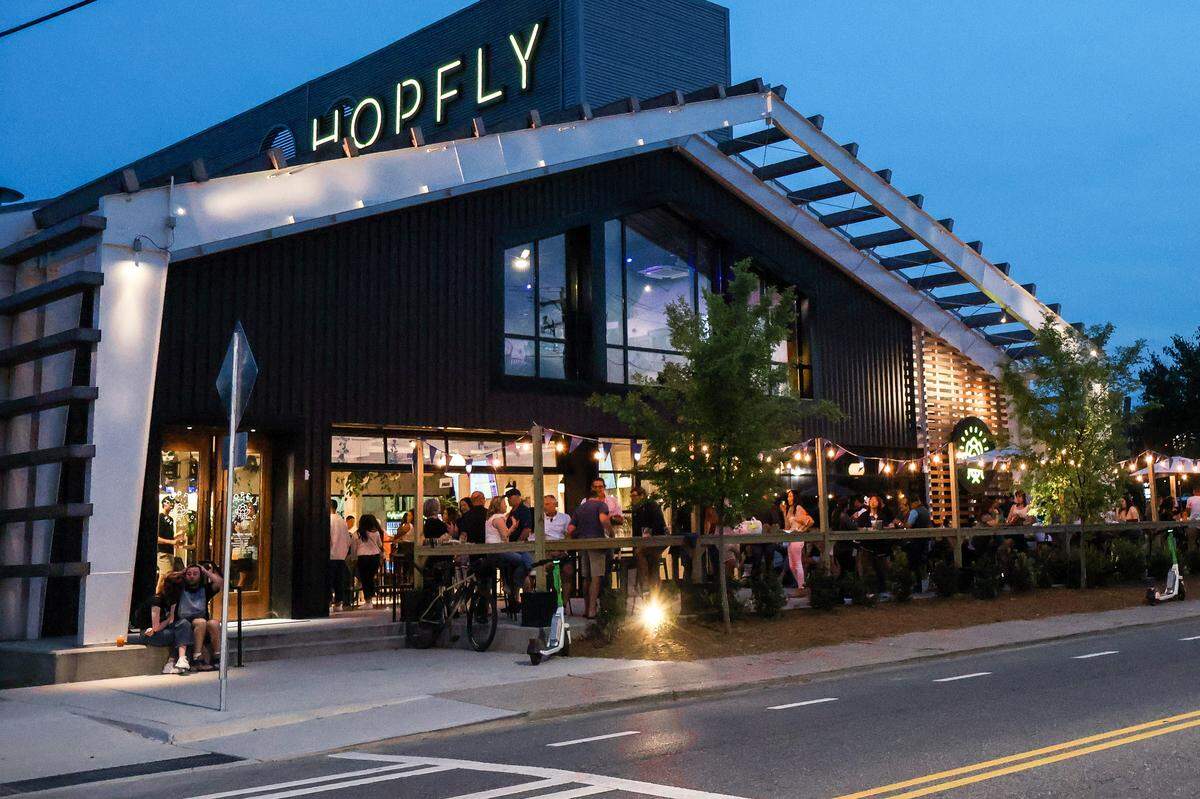
“The long and short of it,” HopFly Brewing owner/operator Cameron Schulz told CharlotteFive, “is that these tariffs are posing a pretty big threat.”
The 25% tariff on imported aluminum and stainless steel announced by the Trump administration, including empty cans, has already had a significant impact on packaging expenses. With approximately 75% of craft beer sold in cans, small breweries are facing an estimated $60 million in additional costs nationwide.
What tariffs mean to breweries
How that translates to costs locally in Charlotte depends on the brewery.
Schulz hasn’t yet had to pass those costs along to customers and hopes not to, but the possibility — a dreadful one — remains open.
“The ironic predicament that these tariffs pose is that, sure, they may push back business to American companies, but those companies are still going to have to import their raw materials,” he said. “In the end, it’s just American-fabricated overseas aluminum.”
HopFly’s packaging increases have so far been marginal.
Costs for beer drinkers
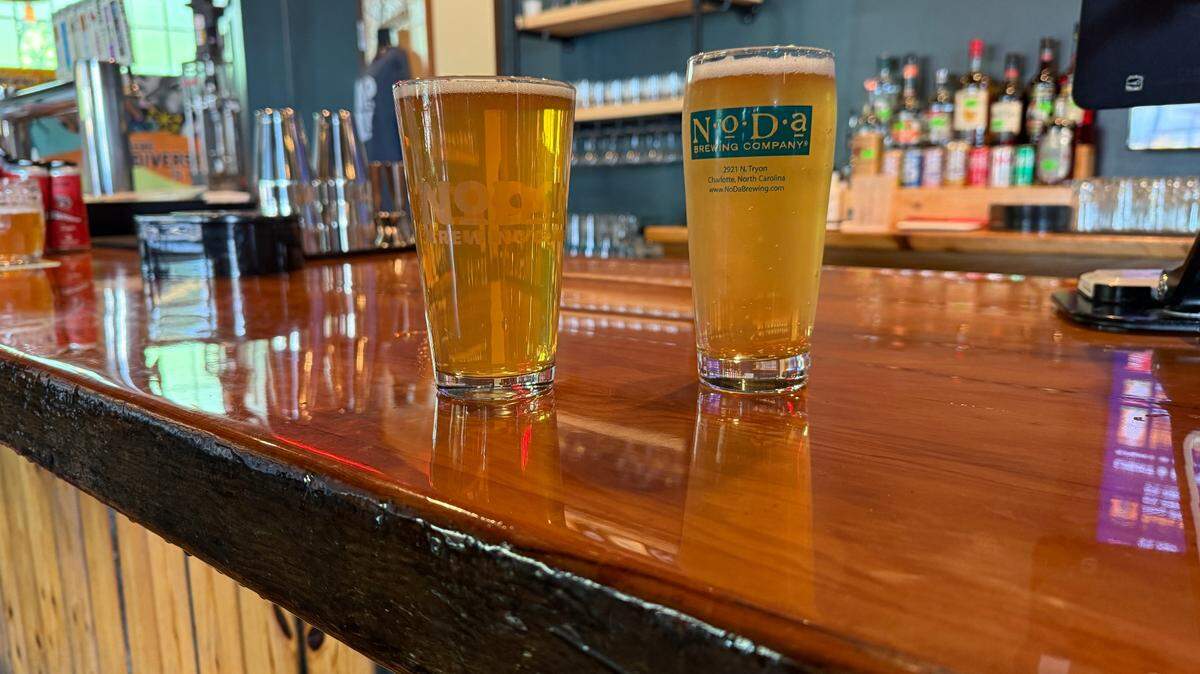
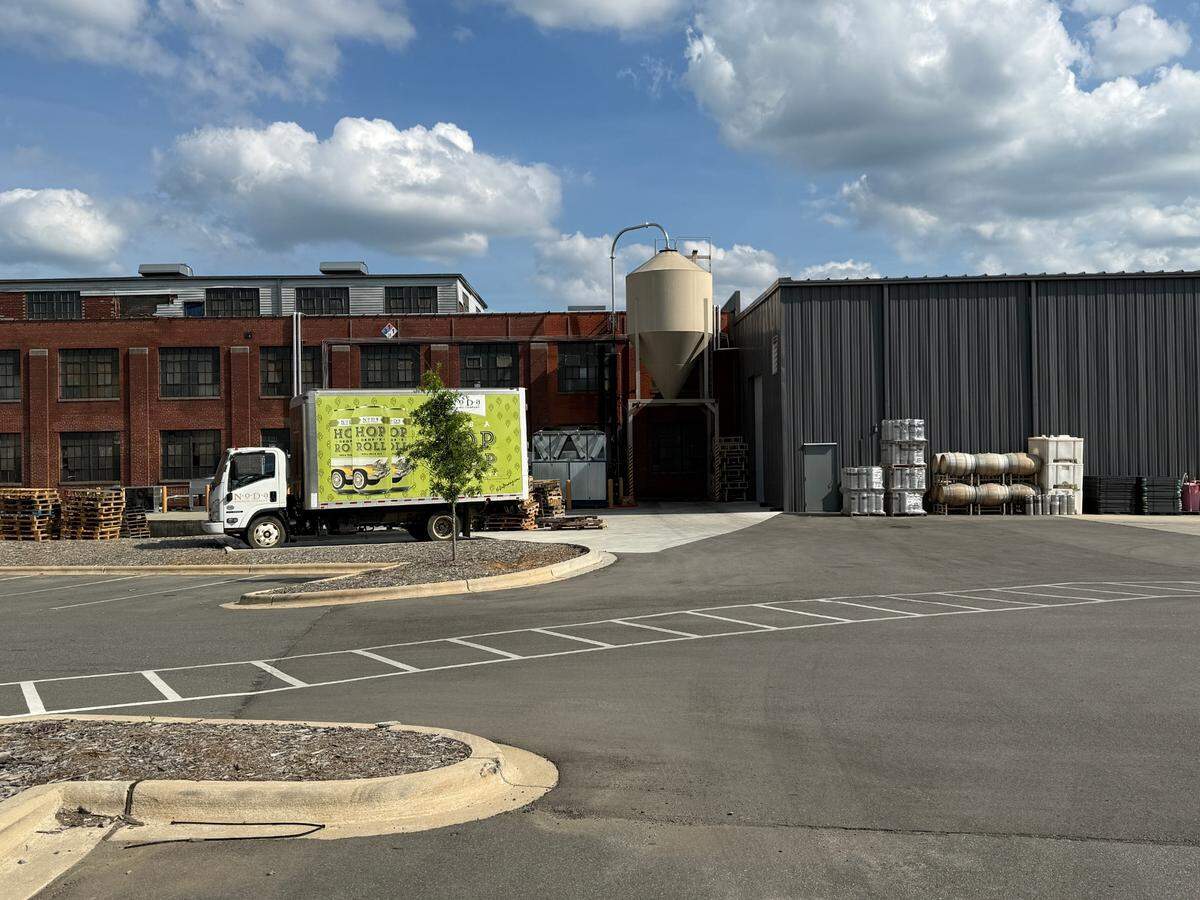
Jacob Virgil, president of NoDa Brewing Company, also hopes not to pass costs along to customers, but those are getting tougher to absorb.
“The index of domestic aluminum just this week went up 6.6%,” Virgil said. “Tariffs increase the price of aluminum, and as the demand for domestic aluminum goes up, so does the price. And we are absorbing that.”
This is to say nothing of tap handles. Virgil said his supplier for those ships them from China, which means now they would come with a 150% tariff.
“Fortunately, we got our last order in before the latest round of terror,” he said.
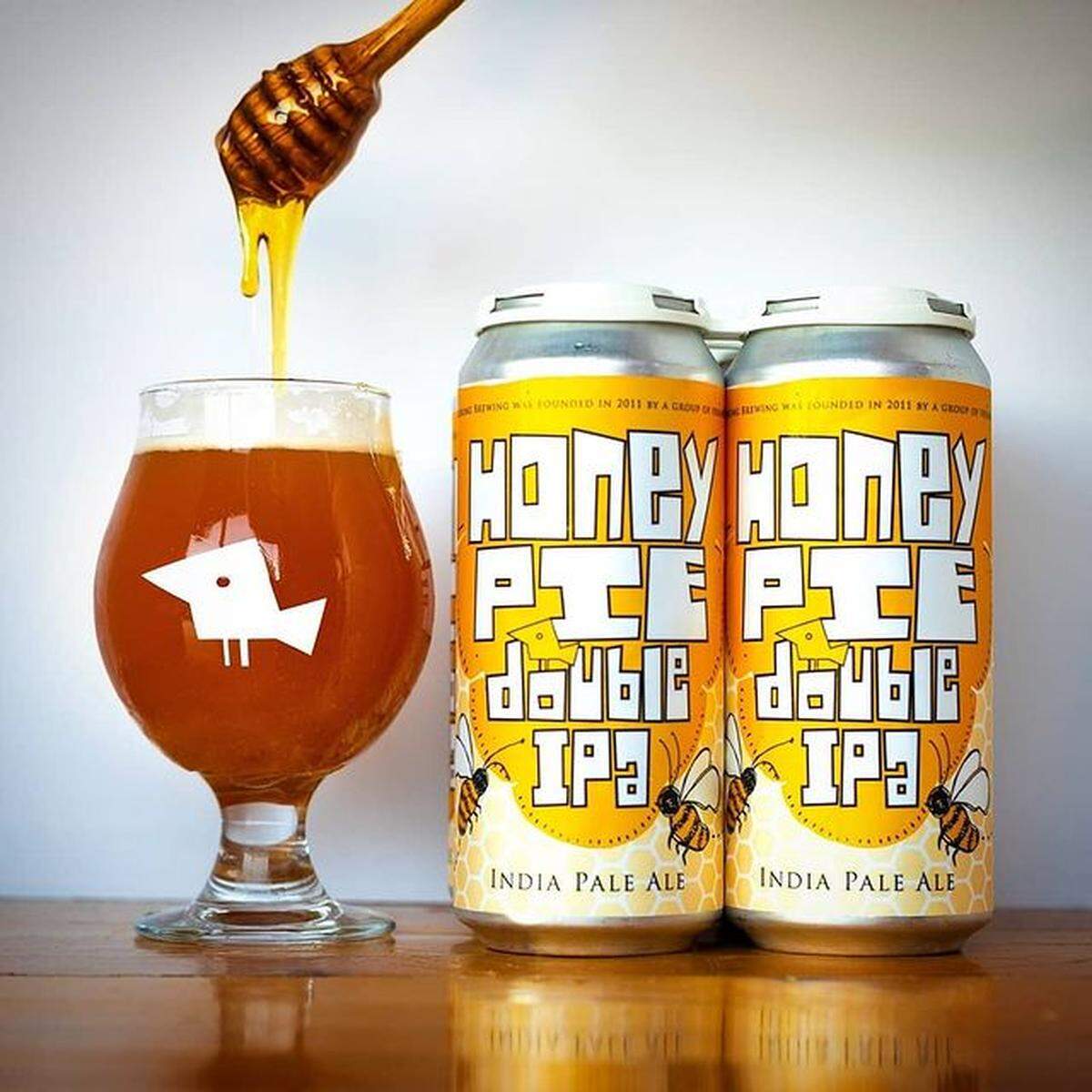
That colorful language is shared by Chris Goulet, managing partner of Birdsong Brewing.
“To say this back-and-forth with the tariffs has been chaotic would be complimentary,” he said. “‘Tit for tat,’ I wouldn’t even grace it with the term ‘math.’”
“We will get to the point in the next couple of weeks,” Goulet said, “where we have to decide whether or not to pass costs along to the consumer.”
But it’s not so simple, he said.
Goulet’s concern is Birdsong’s pack price, as 80% of what Birdsong brews is distributed.
“There’s a certain level of precision in selling to grocery stores. I can’t pass, hypothetically, 20 cents on to Harris Teeter per case. The price increase on the shelf in that situation would be a whole dollar.”
It’s a fear that is echoed by Virgil.
“The last couple of years have proved that beer is not recession proof,” he said. “Customers are very sensitive to the price of beer, especially now when everything is so expensive.”
Breweries’ tariff plans
Some breweries have so far remained unscathed, but they are likely in the minority. Leaders at Resident Culture, for example, have been informed by their supplier that the additional costs they are facing only amount to $0.005 per aluminum can.
With the increased costs elsewhere due to tariffs, though — whether absorbed or not — these local breweries have resorted to varying strategies on how they are managing the costs.
At HopFly, heavy investments in stainless steel tanks in recent years mean that the brewery will be less exposed to the increased tariff-related stainless steel costs.
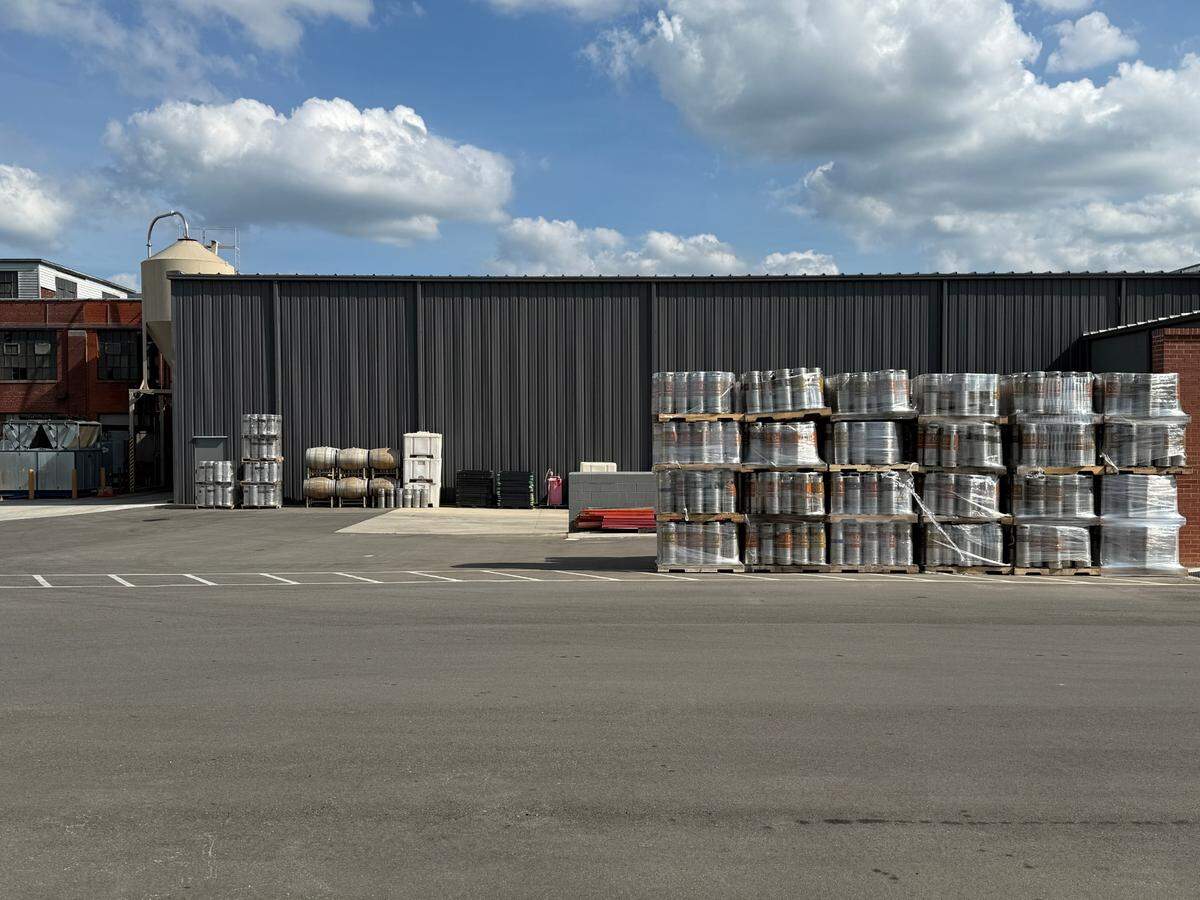
Similarly, at Birdsong, Goulet said that the leadership team is not looking to add any new kegs or tanks this year. He also gave thanks for an unexpected call from an ingredients supplier.
“Our German Pilsner malt is also subject to these Trump tariffs,” he said. “Our supplier called and said they won’t change the price; it will hold for the remainder of the year. That almost never happens.”
For NoDa Brewing, the cost-management strategies include a focus on increasing volume and making more efficient, low-alcohol IPAs. Virgil also said changing demographics mean a focus on creating healthier beverage options, such as THC seltzers.
“The younger generation is just drinking less,” Virgil said.
Uncertain business climate
Regardless of how high the tariffs on aluminum, stainless steel and ingredients such as wheat and barley might go, the fluctuating nature of Trump’s tariffs plan has created an unpredictable business environment, hindering long-term planning and investment decisions for brewery owners.
All think that the uncertainty of the tariffs — maybe even more so than the tariffs themselves — is what’s making life hard for an industry that is still smarting from being gutted at the beginning of the COVID pandemic.
With news this week that 12 states, not including North Carolina, have come together to sue the Trump administration over the very nature of the tariffs, it remains unclear whether the tariffs are constitutional, let alone whether the Trump administration will strike deals with countries to reduce or end them.
“At this point,” Shulz said, “what does ‘deal’ even mean?”

This story was originally published April 25, 2025 at 5:15 AM.