Yes, chef: Why more Charlotte restaurants want you to ditch the à la carte menu
AI-generated summary reviewed by our newsroom.
- More Charlotte restaurants adopt tasting menus to showcase culinary creativity.
- Tasting menus streamline operations and offer higher margins for restaurants.
- City's Michelin aspirations and food tourism drive demand for fine dining formats.
Is Charlotte ready for more fine dining?
And by fine dining, I mean more restaurants that offer multi-course “tasting menus” versus what we’re all used to: the basic à la carte menu.
Lately, what a menu looks like — and how you order from it — is starting to change.
And if my recent conversations with local chefs and foodies are any indication, a lot of Charlotte diners aren’t quite sure what to make of it all.
So let’s back up and define the different kinds of menus and how they’ve made their way to the South.
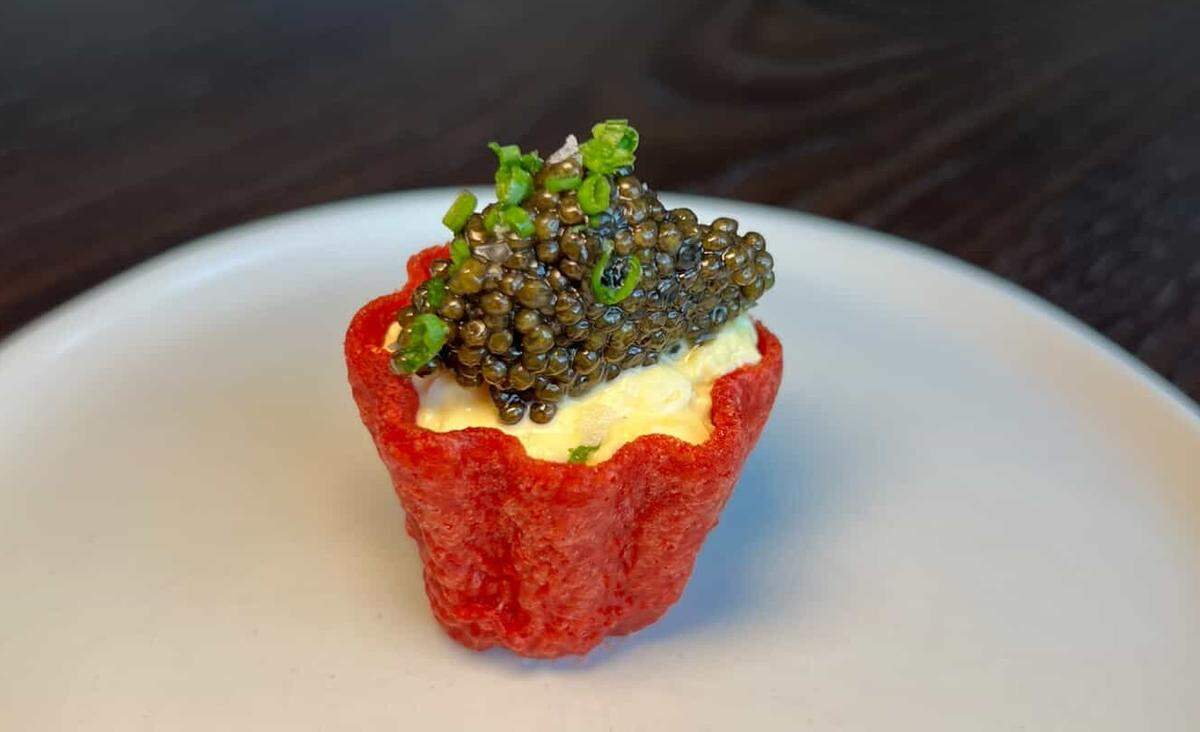
À la carte: a regular menu where you order whatever you want
What it is: The most familiar and frequent kind of menu is the standard à la carte menu. It literally means “by the menu” in French.
Most restaurants offer this menu without having to explicitly say it’s an à la carte menu — it just is.
You can order whatever you want straight off the menu, so if you want five appetizers, one entrée and three desserts for yourself or your family, so be it.
Pros:
- Maximum flexibility
- Something for everyone
- Easy to budget
Cons:
- From the restaurant’s point of view, it’s harder to predict how much food to prepare or keep in inventory, which can lead to food waste and thin profit margins.
- It can be difficult to split or itemize bills if that’s the desired method of payment among a large group of diners.
.jpg "The recent Rada and Custom Shop collboration featured a combined à la carte menu. Photo_ Shindy Chen(1).jpg")
Prix fixe: a set menu with limited options, at a fixed price
What it is: Pronounced “pree fiks” and known as a “set menu” or literally translated to “fixed price” in French, a prix fixe menu offers a simplified menu with a multi-course meal at a flat price.
For example, a three-course prix fixe meal may start with an appetizer course, followed by an entrée course and, finally, a dessert course.
Diners may have the option to choose from two to three options per course, like salad or soup, chicken or steak, or cake or ice cream.
How many options are offered per course is at the restaurant’s discretion.
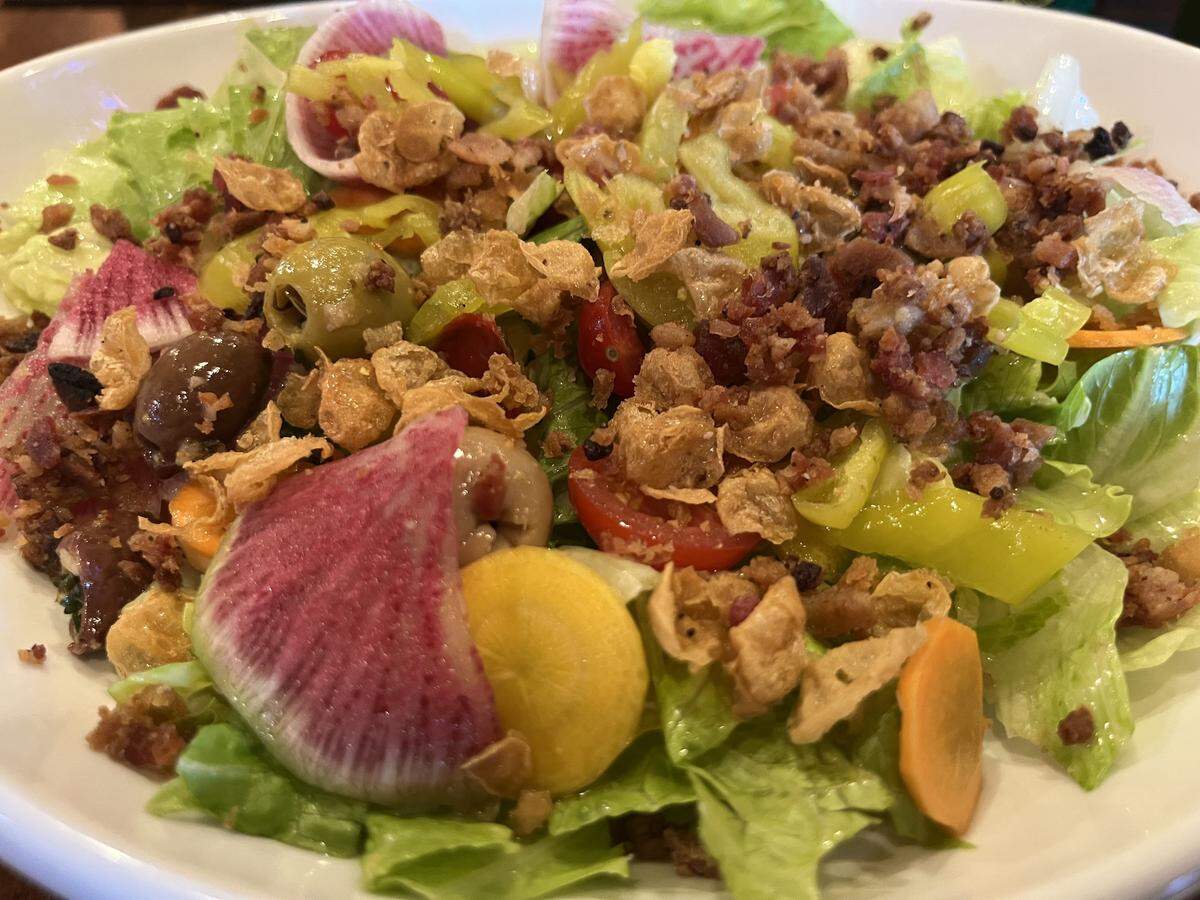
As the name implies, the prix fixe originated from French chef Auguste Escoffier, an esteemed pioneer and “king” of modern cuisine and author of “Le Guide Culinaire” (The Guide to Modern Cookery).
Escoffier created the prix fixe concept in the late 19th century to make restaurant dining more accessible for everyone, giving diners a chance to experience a diverse meal from simplified options and pricing.
Doing so also streamlined and organized kitchen service and operations.
Pros:
- Diners know exactly what they’re spending and can taste many things, usually shortlisted from a primary menu.
- Usually offers a great value
- Chefs can plan food purchases and service more efficiently for large groups, parties and events, which is why prix fixe menus are common during events and “restaurant weeks.”
Cons:
- Less choice — you may not love every dish, and substitutions and changes aren’t always allowed or available.
- Smaller portions — sometimes this menu style impacts the portion sizes per course. Hungrier patrons may leave unfulfilled if the overall meal is insufficient versus ordering several things à la carte.
Tasting menu: the chef’s playground
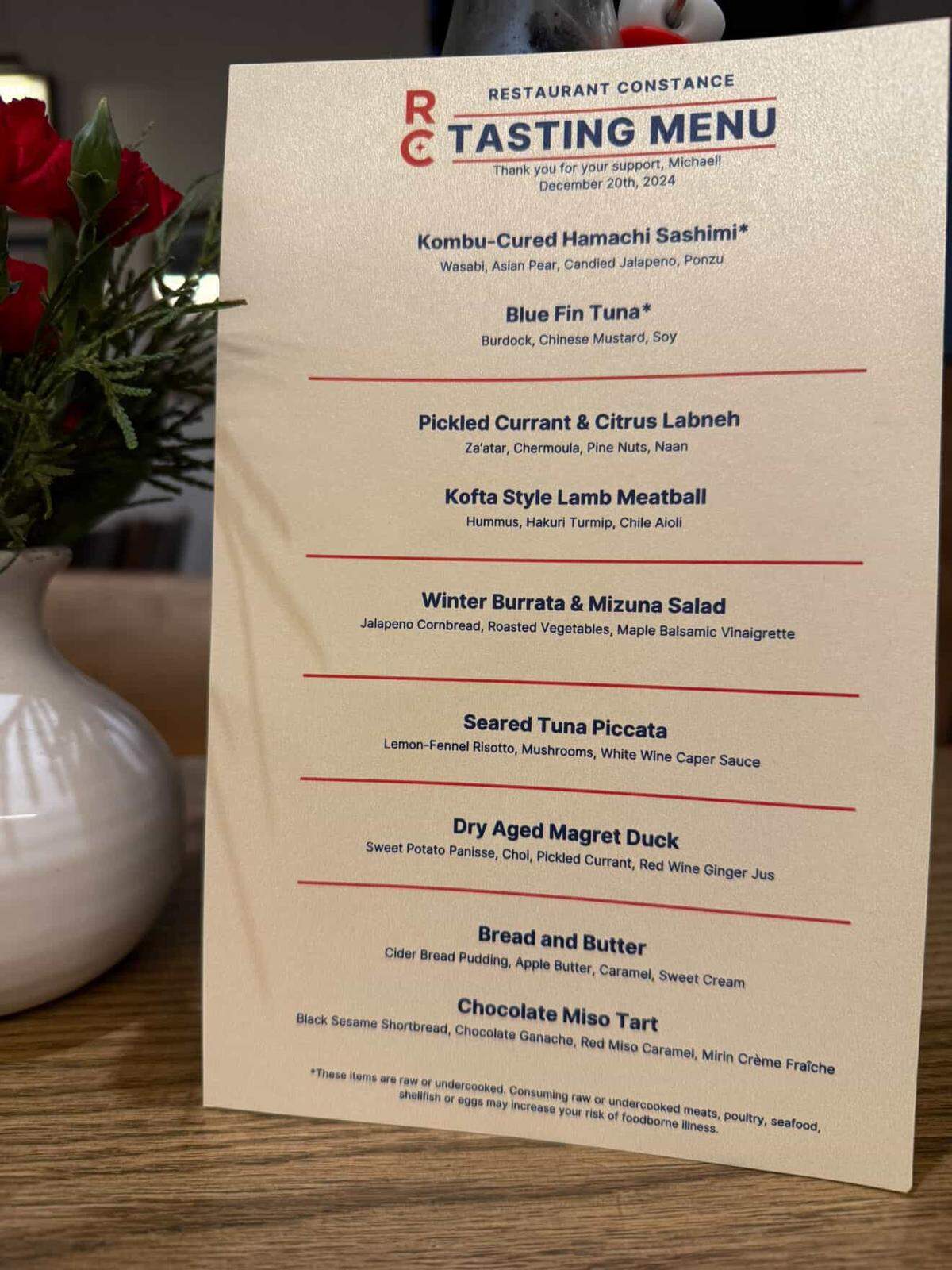
A tasting menu is a longer form of a prix fixe menu. But while the price is fixed and the menu is set, diners are often in for a surprise as to what’s being served because the menu changes frequently — sometimes even daily.
Known as a “menu dégustation,” it usually consists of multiple small courses (sometimes eight, 10, even 20) designed to showcase the chef’s creativity, local offerings, seasonal specialties and more.
There’s also very little wiggle room, if any, for modifications and changes.
Of course, chefs often make allowances for food allergies, but that’s about it.
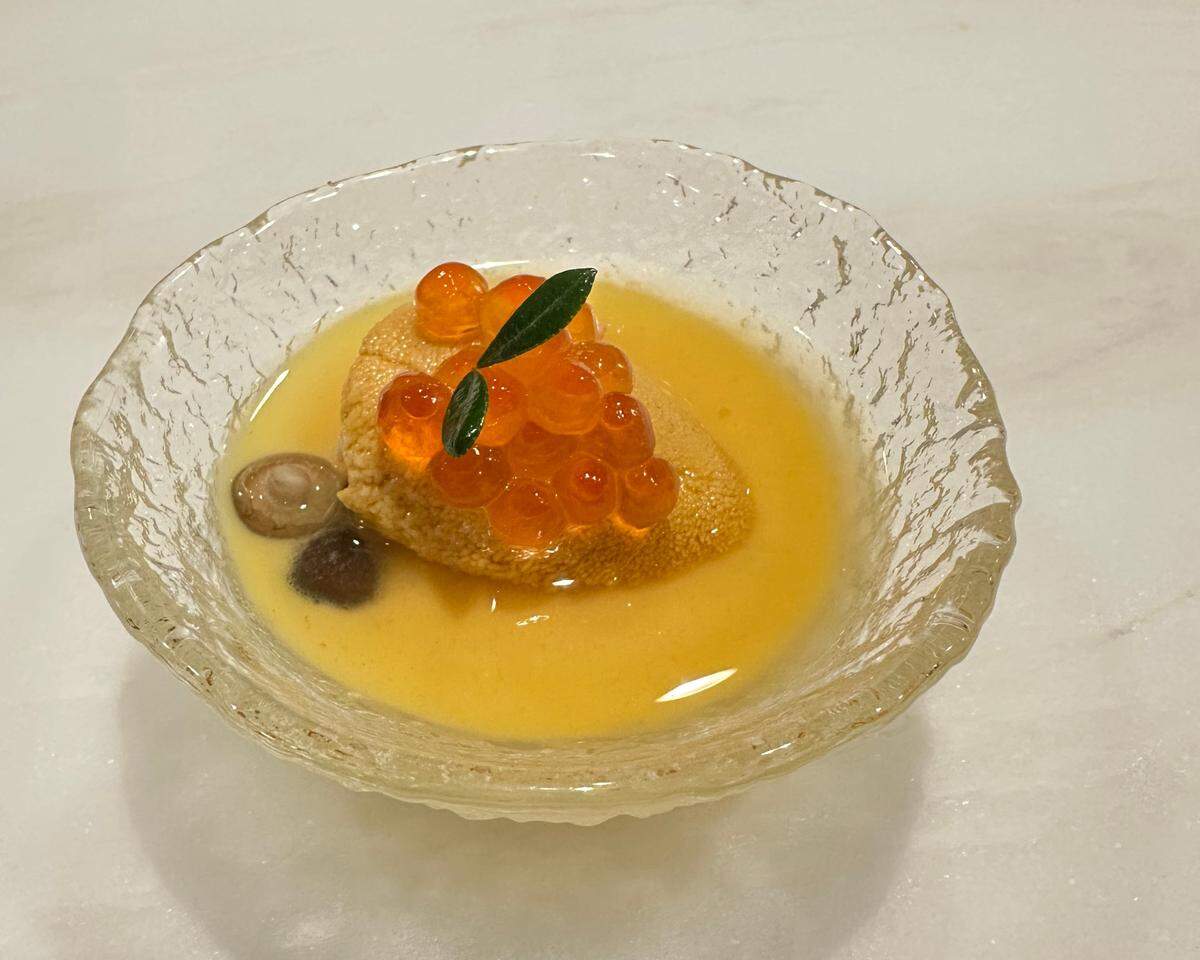
Operationally, this style of menu can help with kitchen service and flow. This was the case when my large group of nine dined recently at The Ordinary in Charleston, where a tasting menu was required to accommodate us.
Plating for nine and getting all the timings right can be a challenge for a busy and popular restaurant.
You may have tried a similar concept in Japanese dining known as an “omakase menu,” which translates to “I leave it up to you.”
This style of menu offers multiple sushi courses at a fixed price, with the menu being left up to the chef.
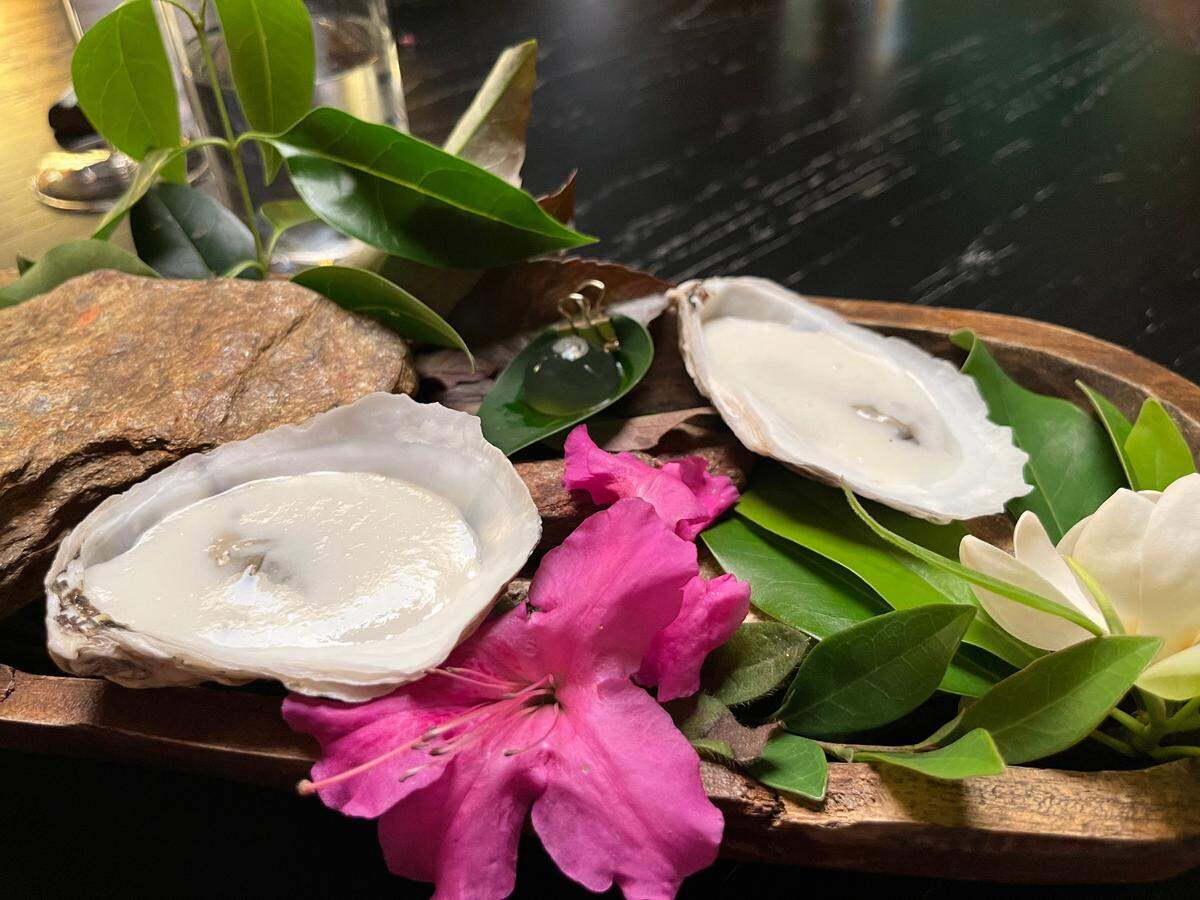
Some of the most notable Michelin starred restaurants in the world operate only on tasting menus, like Denmark’s 3-starred Noma, which typically offers 18 courses for the price of 4400 Danish kroner, or about $689.
New York’s three-starred Eleven Madison Park by chef Daniel Humm (popping up this fall for a residency in Charleston) offers a full tasting menu at $365 and a reduced Bar Tasting menu at $195.
And Yountville, California’s, three-starred The French Laundry by chef Thomas Keller offers a nine-course tasting for $465.
I’ve eaten at both, and they didn’t disappoint, though I absolutely hated Per Se, chef Keller’s other restaurant in New York. The service was abysmal, cold and corporate, and one course was absolutely inedible: a fish morsel so salty I spat it out.
Perhaps I caught them on a bad day, but I’d rather repeat Le Bernardin or even venture to Brooklyn for Le Bernardin or even venture to Brooklyn for Aska than risk a bad experience at Per Se again.
Pros:
- A culinary adventure awaits where chefs show off their visions and passions.
- You may experience something new, with a wide range of flavors and textures in one sitting.
- From a restaurant’s point of view, these menus offer the highest profit margins and freedom.
Cons:
- Food allergies aside, diners do not get a say about what they’re served. Such restrictive menus are not ideal for picky eaters.
- Can be time-consuming, lasting up to three hours depending on speed of service and plating.
- Are usually on the expensive side with additional charges for wine and beverages, tax and service.
- Menu portion sizes may be up for debate: either too small or large.
So is Charlotte ready for tasting menu concepts?
Tasting menus aren’t new here.
Slowly but surely, more Charlotteans are opening up to the element of surprise and putting their faith in chefs for a full dinner service.
It’s not so much the cost rather than the concept people are warming up to. After all, we have no qualms about spending money on à la carte menus on the pricier side.
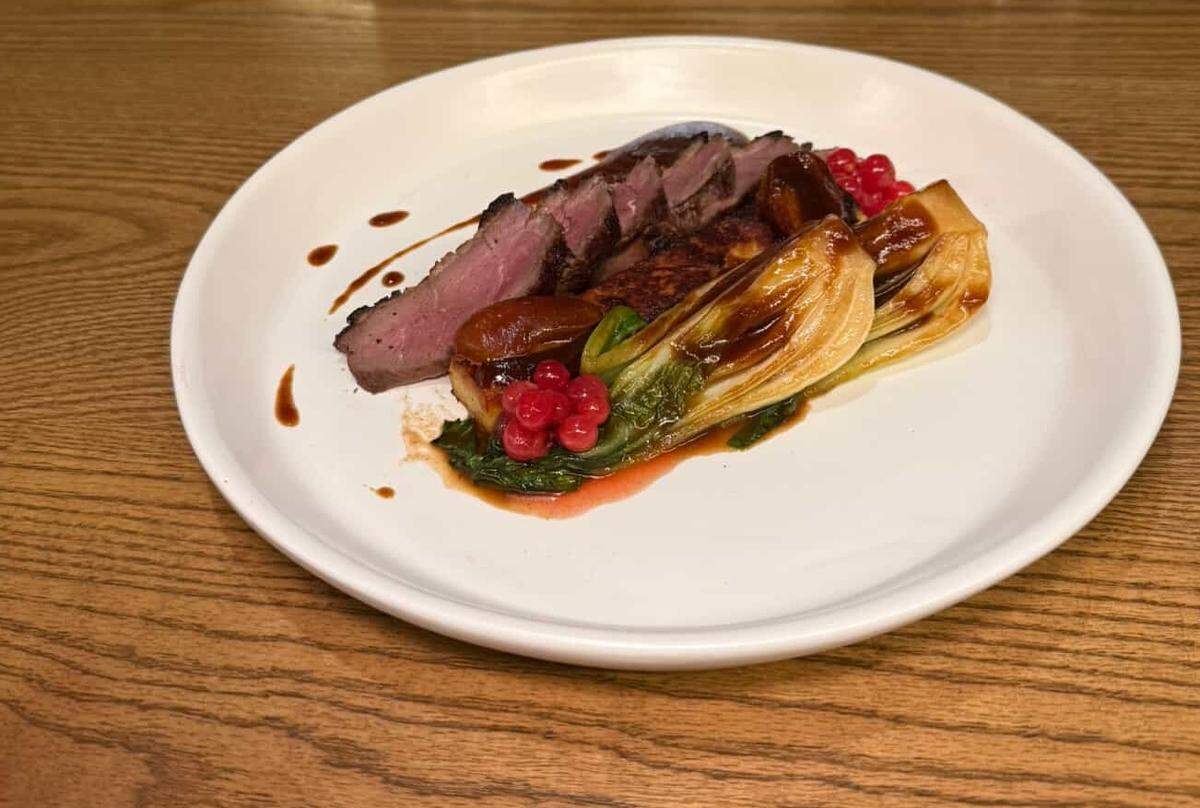
To simplify things, think of it this way: à la carte is for your weeknight dinner, prix fixe is for date night or groups, and a tasting menu is for a culinary celebration.
Tasting menus by star chefs are necessary, especially if we plan on being as much of an emerging foodie destination (like Charleston) as we are notable for our sports teams, Nascar, and fitness attractions like the Whitewater Center.
The state’s tourism agencies are investing heavily for Michelin recognition, and “Top Chef” filming in Charlotte will further help put the Carolinas on the map.
Currently, there are a few tasting menus in town: Counter- ($195-$265 per person) and newly opened French Asian Sora ($195 per person) come to mind.
Prime Fish offers its Omakase Experience for $325 per person.
Then there’s L’Ostrica, where co-owner and chef Cat Carter, along with partner Eric Ferguson, have gained recognition and accolades.
Carter was recently selected for the James Beard Women’s Entrepreneurial Leadership cohort, a program designed for advanced training and essential business networking.
And as for the restaurant’s tasting menu, Carter says, “We have had countless guests thank us for this approach, and even further for building L’Ostrica here in Charlotte, and that means a lot to us.
“The concept of a tasting menu can mean different things to different people, but for us, they’re about the joy of discovery and sharing ideas and traditions. We’re always trying to speak to the head and the heart in every dish.”
L’Ostrica offers a 10-ish course menu at $175, or an abbreviated service of five to seven courses at $110.
“Opening a restaurant, no matter the concept, is an act of faith to some degree, but we believed that Charlotteans would be excited to have what we offer.
This story was originally published September 17, 2025 at 5:00 AM.