Old and new, these 10 food trends are coming to Charlotte in 2026
If you’ve ever had a sneaking sense of deja vu while perusing a menu, you’ve likely encountered a restaurant trend.
And while “trend” can be seen as a dirty word, I, for one, unabashedly enjoy a frequent foodie find — to see how each chef shapes and turns a bite you’ve had many times before or how a specific restaurant takes a growing propensity for a particular atmosphere and makes it exactly their own.
For as many times as a restaurant can be unsurprising, there are the gems that can turn an everyday ingredient or an unsuspecting meal into something unforgettable.
Charlotte restaurateurs weighed in on what they expect to see in 2026 and gave us a sneak peek at what might be coming next to your favorite watering hole or dining haunt.
Budget-friendly dining
It’s no secret that the bottom line is on a lot of our minds going into 2026. In lieu of simply not eating out at all, budget-friendly offerings are likely to be pushed forward.
Even higher-end restaurants, like L’Ostrica in Myers Park, are opting for alternatives to expand its usual menu: While L’Ostrica typically offers a fixed tasting menu, it is regularly rotating in pop-ups that allow diners to order a la carte. During lunch hours, it serves a “sandwich of the day” in the market, along with some other lighter, more affordable bites.
As Remy Thurston, photographer and director of marketing at FS Food Group, put it: “[In 2026], people will go after value and what they know — and be less inclined to venture out and try something new. In an era of rising costs, folks don’t want to gamble hard-earned money unless they’re confident it’ll be a worthwhile meal.”
Whole foods, ‘cleaner flavors’
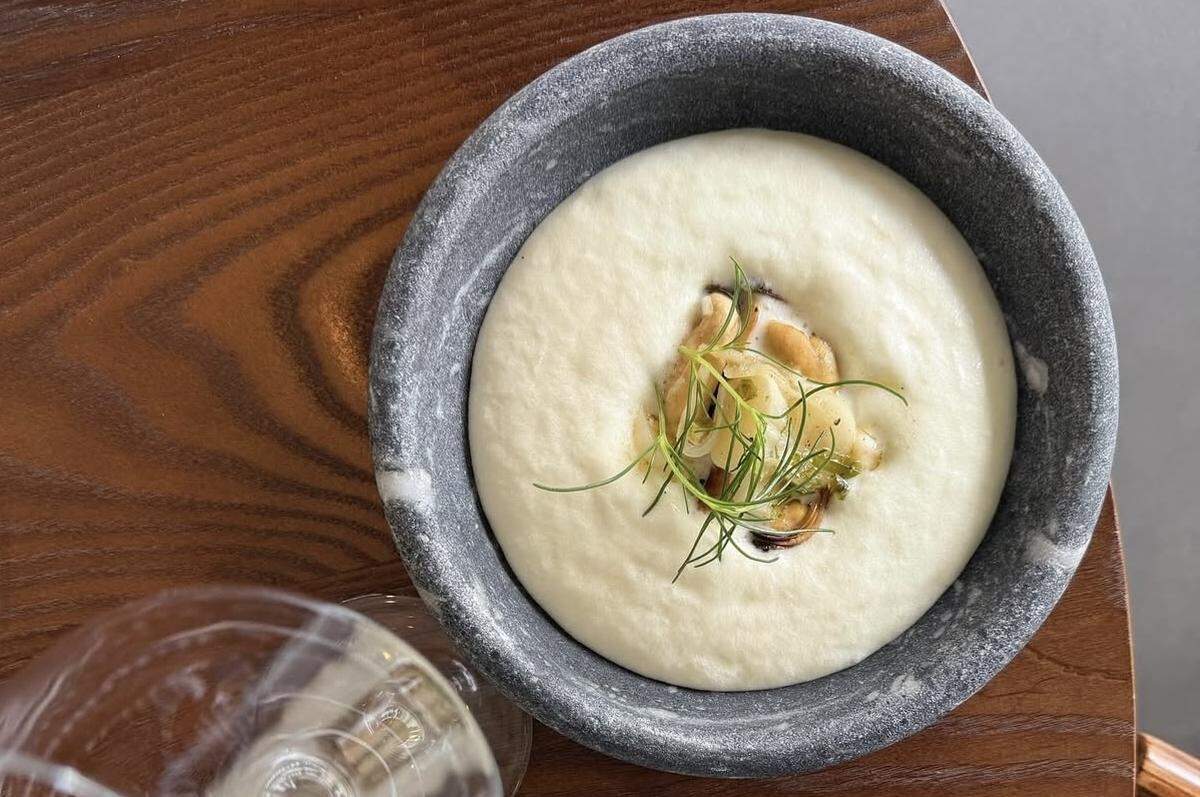
An emphasis on eating whole foods isn’t entirely new, but many restaurateurs predict a continued focus on healthy eats.
“This is probably stemming from people being a little more health conscious in general,” said Jamie Brown, co-owner of the Tonidandel-Brown Restaurant Group. “We predict people want cleaner flavors that allow the ingredients to shine.”
Heavy sauces are out, with more subtle ways of elevating simple foods taking over. For example, Seaboy’s charred eggplant is lightly dressed with a caper chimichurri, lemon juice and a balsamic reduction, and Kid Cashew’s wood-fire grilled Spanish octopus is served with a subtle lemon vinaigrette.
Alternative beverages
The overall decline in alcohol consumption is driving bars and restaurants to come up with alternatives that bring in a little more cash than a Pellegrino and can offer diners fun ways to imbibe without an alcohol buzz.
Only 54% of U.S. adults reported drinking at all in 2025, the lowest rate in nearly 90 years of Gallup polling. Expect to continue to see inventive drinks that are spirit-free, have cannabis elements or offer a new take on craft sodas.
Sam Diminich, a sober restaurateur, led the charge with one of the most robust non-alcoholic menu offerings in Charlotte when he opened Restaurant Constance in early 2023. Now, some of the city’s most notable bartenders — Amanda Britton, Colleen Hughes and Bob Peters to name a few — are including alternatives on just about every menu they craft.
Multi-sensory experiences
The move toward immersive or multi-sensory dining can mean anything from intentional lighting and ambiance to fully themed experiences.
Chef Sam Hart brought one of the first multi-sensory experiences to Charlotte when they opened Counter- in 2020, incorporating music, art and a bit of performance to its meals. The menu theme there changes quarterly, and the team also occasionally rolls out other special menus, like one I attended in 2023 that paired Outkast’s greatest hits with a multi-course menu. It included dishes like a crawfish ravioli and a spin on chicken and waffles.
Omakase Experience by Prime Fish is another standout when it comes to immersive dining: Described as “a journey through the mind of chef Robin [Anthony] as he creates a symphony of delicate seafood dishes,” the six-person chef’s counter has only two seatings per night and offers up 15 different small courses.
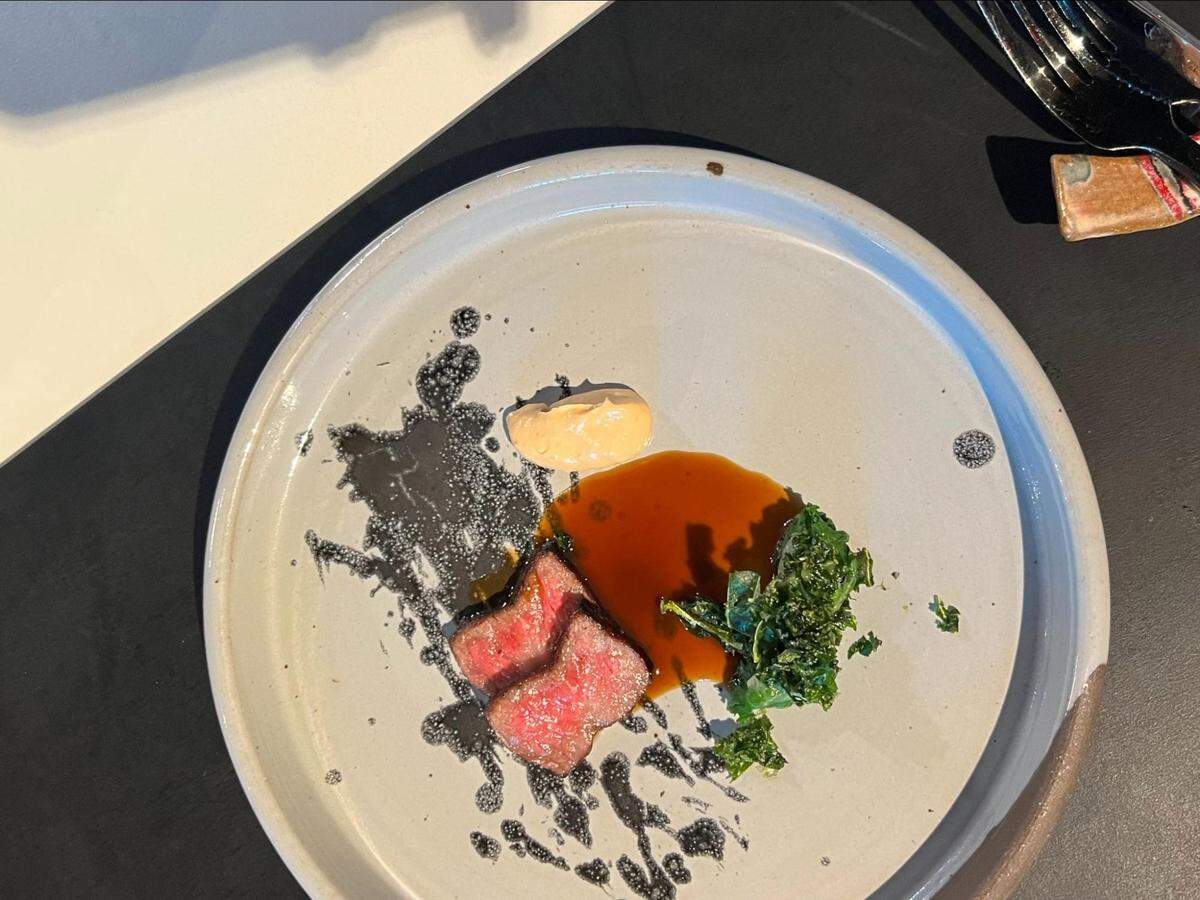
“We’ve also done this for a while at the Supperland Speakeasy,” Brown said. “We have super creative cocktails that often evolve or have multi-sensory experiences with our use of liquid nitrogen, spherification techniques, evolving ice cubes, molecular cocktails, gummies and even homemade pop rocks.”
Heritage ingredients
In addition to consumers feeling more health conscious, another trend growing in the restaurant world is the use of heritage ingredients that speak to a particular place or time. “Heritage” typically simply refers to a traditional or older variety of a vegetable or grain that’s typically not commercially mass-produced.
At Flower Child, you can already find an ancient grains bowl with farro, restaurants like Indaco and Albertine regularly feature heirloom tomatoes when in season, and Monday Night Brewing Co. offers a gluten-free pizza crust that includes buckwheat and maize.
Azul Tacos and Beer uses heirloom blue corn to make its tortillas and M.A.S. uses masa made with heirloom corn, too.
Heritage can also mean importing ingredients directly from their source: Mama Ricotta’s, for example, brings its Locatelli Romano cheese, San Marzano tomatoes, Pietro Coricelli extra virgin olive oil and double zero flour all from Italy. ESO Artisanal Pasta, opened in Optimist Hall in August, sources its flour, some charcuterie meats and cheeses from Italy, as well.
Reimagined comfort food
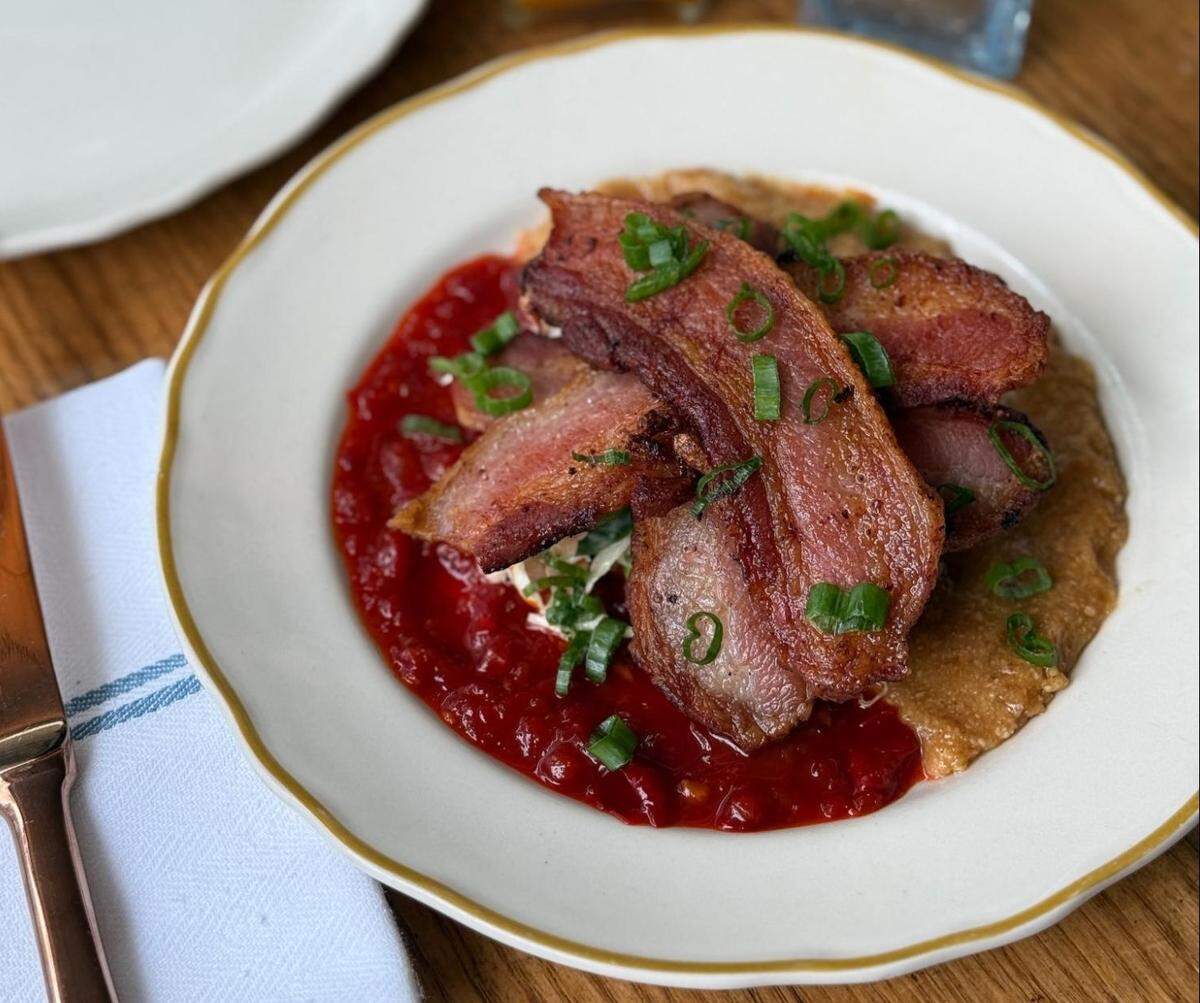
New takes on comfort food and familiar flavors are also popping up. The trend could be sparked by social media (where formerly uncool chain restaurants like Chili’s and Applebee’s are seeing newfound interest from Gen Z) or simply from the very human need to balance stress with food that makes you feel warm and fuzzy.
Haberdish has a PB&J Bacon Plate, The Goodyear House has a Goopy Burger and Kitchen + Kocktails by Kevin Kelley serves all kinds of elevated takes on classic Southern dishes, from collard greens dip to butter pecan waffles.
Kerrel Thompson of Bird Pizzeria in Optimist Park, said, “In recent times there’s been a crossover, where top chefs are now cooking more relatable, accessible food and making it great for everyday people. That blurs the lines, and that’s what I desire to see more of.”
Suburban restaurant expansion
As someone living in Lake Norman, this is a trend I’ve been selfishly keeping a close eye on. In 2026, expect to see more Charlotte’s chefs opening spots in suburbs of the city like Ballantyne, Fort Mill and Cornelius/Huntersville.
The Bowl at Ballantyne and Gibson Mill Market are recent examples of this, as has been the continued expansion of Birkdale Village.
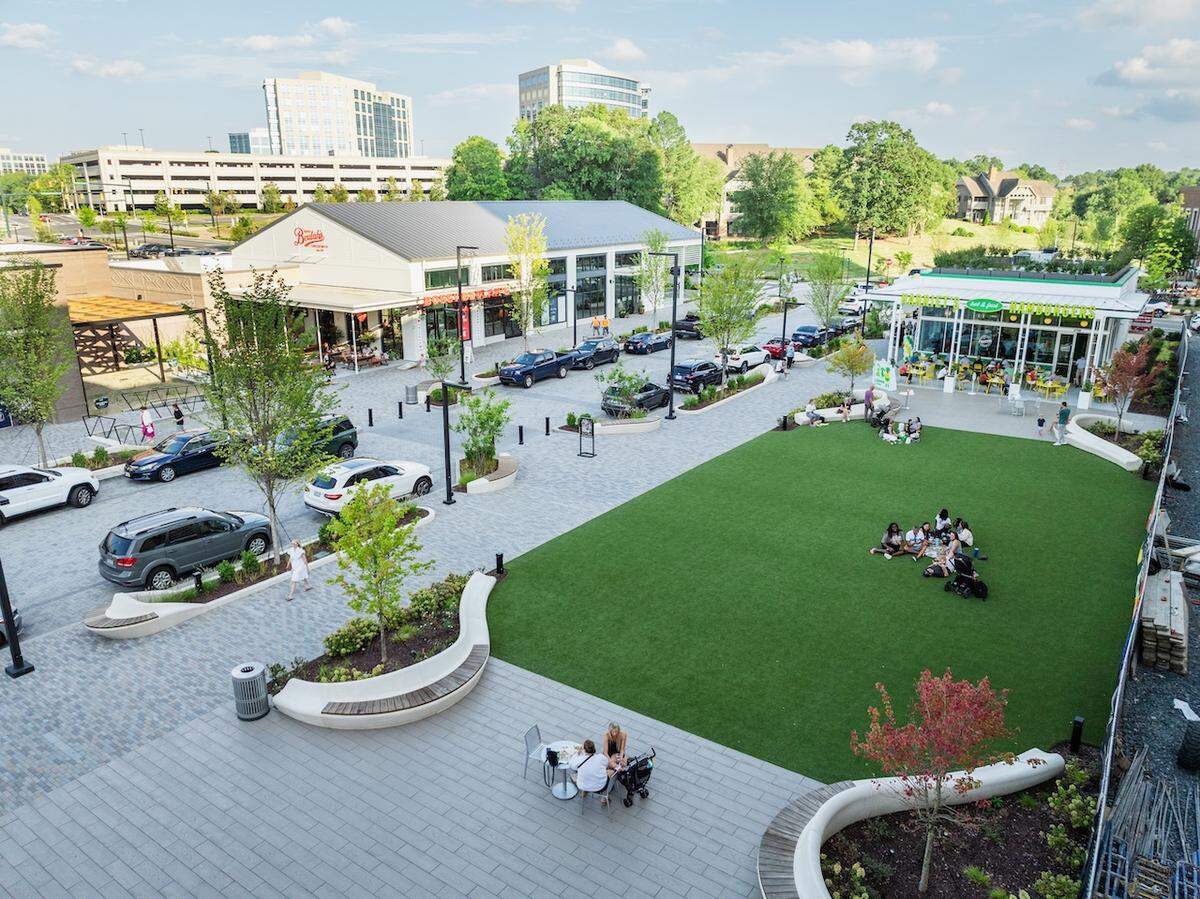
Mac’s Speed Shop and SouthBound will open Fort Mill, SC, locations, and Mac’s is coming to Mooresville, too. Fontana di Vino recently opened in Davidson.
According to The New York Times, “Between 2010 and 2020, the share of Americans living in the suburbs grew by 10.5 %,” and that, combined with more people working remotely, reflects a nationwide move toward more “neighborhood” dining.
Unique cultural traditions
“In 2026, I think we’ll see restaurants moving beyond broad cuisine categories to highlight specific regions and their unique culinary traditions,” said Caroline Maury, who is part of the team behind Muraya, El Puro and Babaloo.
“This is absolutely at the heart of what we do at Muraya. Our Cartagena-inspired menu celebrates the vibrant, coastal flavors of Colombia’s Caribbean coast.”
Her husband and business partner Manny Pérez Ochoa added: “I believe there will be a growing appreciation for immigrant stories told through food. People want to know the ‘why’ behind what they’re eating, the family recipes, the cultural significance. That human connection is what will set restaurants apart.”
The soon-to-open The Story of Mi Cariño, for example, will honor chef Hector González-Mora’s background by serving “Alta California” cuisine, a style that draws from the specific tastes of Mexican-American food in California.
“A chef like Hector merely needs to be allowed to cook from his heart and with his head,” said B-Side Group culinary director Vince Giancarlo.
Nostalgic dining
Much like the turn toward comfort food, a revival of classic foods, often with a modern or regional twist, can be seen popping up in restaurant menus reinventing retro dishes, serving up old-school recipes. Think of it as a general return to more traditional flavors and a move toward ambiances that feel like crawling into the past.
“I think 2026 is going to be the year of nostalgic dining, dishes that transport people to a specific time and place,” Pérez Ochoa said.
“Ropa vieja, picadillo, arroz con pollo … these are dishes that Cuban families have been perfecting for generations. We’re not reinventing them [at El Puro]; we’re honoring them exactly as they should be made.”
Clark’s Snack Bar in Plaza Midwood rolled out a “rock & roll driven,” high-quality sausage, burgers and brats menu, the aptly named Mother’s Comfort Food & Cocktails offers hearty classics like chicken & waffles, a cookie skillet and a “killer cobb salad.”
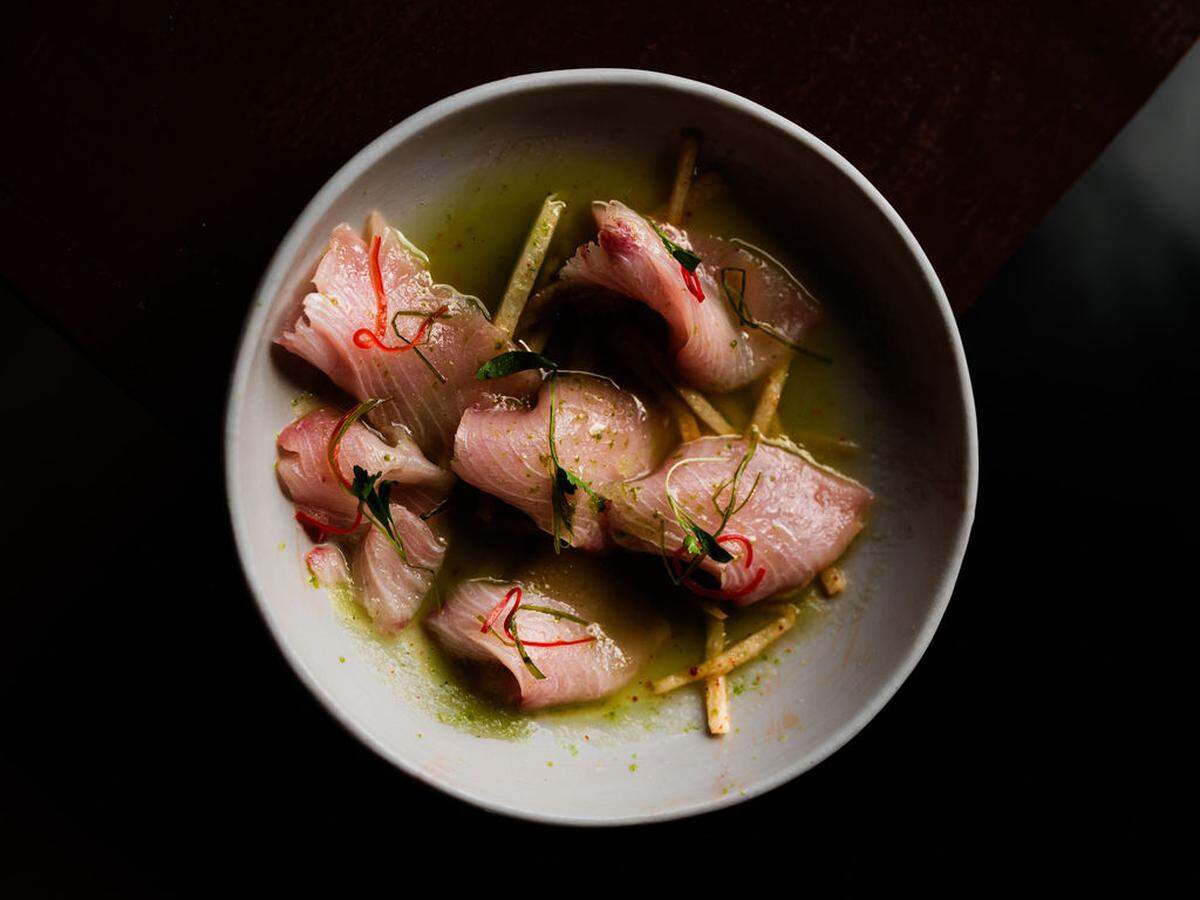
And as a bit of a nostalgic nod for Charlotteans in particular, Soul Gastrolounge has finally reopened after closing in 2022 for a move into new construction in NoDa.
.jpg "SOUL_SUSHI (2).jpg")
Global spices
Last but certainly not least, chef Chris Wrenn of Blinders Sports Lounge predicts that in 2026 we will continue to see “the world has been shifting towards a more Asian profile and global spices like chai, turmeric and cardamom.”
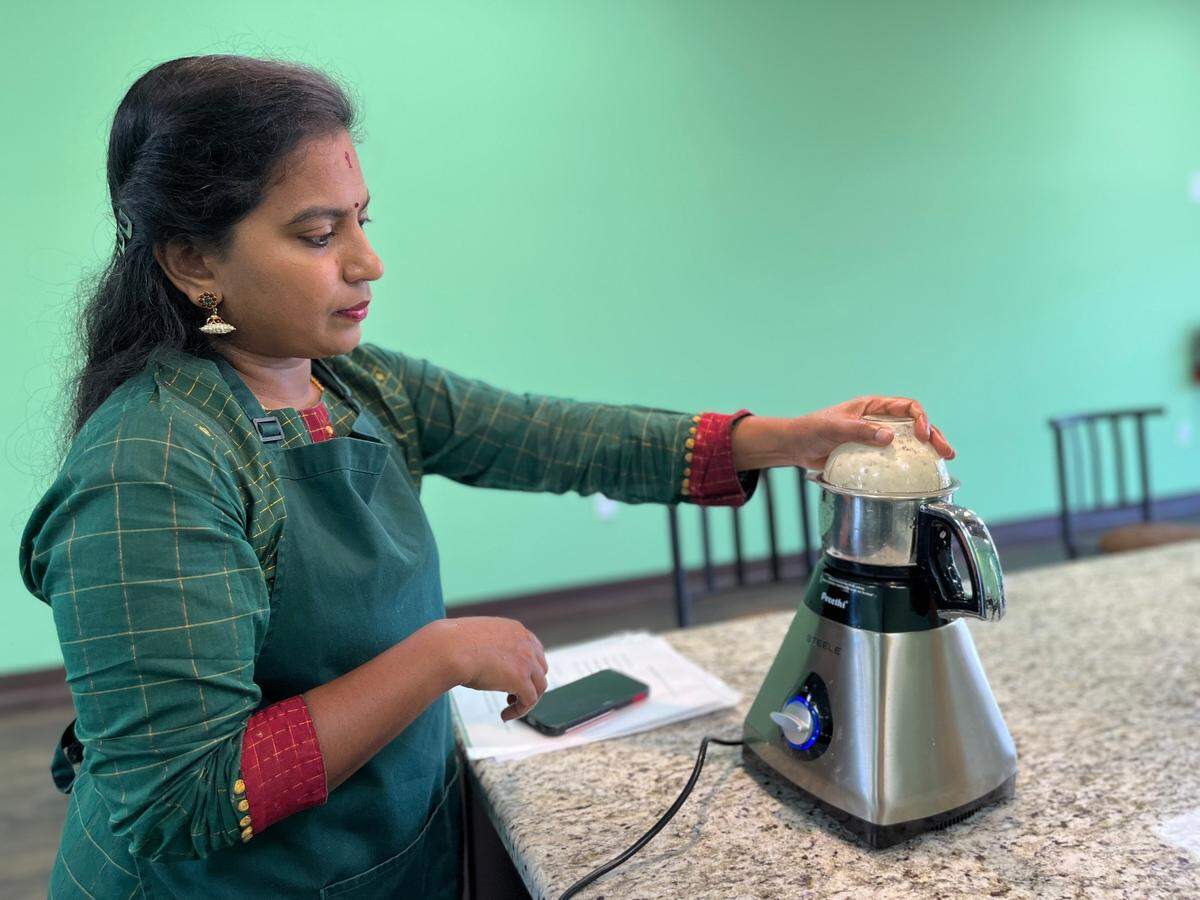
Santhoshi Radhakrishnan, a native of India who opened Santhoshi’s Kitchen studio in Tega Cay in 2023, said that she regularly uses all these spices, along with fenugreek leaves and cumin.
“Most of the spices we use in Indian cuisine have a lot of health benefits,” she said. “For example, we make cumin tea and drink it to help our body to digest food. Turmeric has great anti-inflammatory properties and fenugreek leaves, called kasoori methi, helps breast-feeding moms to improve milk production.”
At Nuvole Rooftop TwentyTwo, bar manager Melany Mocanu eschews the espresso martini to shake up pisco, lemon, chai syrup and egg white, dressing the glass with a delicate chai foam for the bar’s “Give it a Chai” cocktail.
At Botiwalla in Optimist Hall, the malai chicken, marinated in cream, ginger, garlic, yogurt, and cardamom — among many other Indian street food menu items — puts these spices front and center.
This story was originally published January 5, 2026 at 5:00 AM.