Many compare it, but is Charlotte really a mini Atlanta? Local chefs weigh in.
I’ve been noticing some online discourse (mainly on my TikTok “For You” page) discussing whether Charlotte is a “mini” version of Atlanta.
Now, this conversation isn’t exactly new. People have been comparing the two cities for as long as I’ve lived in Charlotte, which is about seven years now.
(Side note — at what point does a transplant become a bonafide Charlottean?)
I’m not in the business of comparing Atlanta and Charlotte in order to claim one is better than the other. I think Atlanta is Atlanta, and Charlotte is, well, Charlotte. Each city has its own idiosyncratic identity — a certain terroir that defines the city’s distinctive flavors.
While this isn’t a competition, I was curious to see what people in the restaurant business think. I decided to ask a few local industry folk who are either from Atlanta, or have spent time living there about what they think from a food-focused perspective. How do the cities compare on a culinary scale? How do they differ?
C’mon, is Charlotte really a miniature version of Atlanta?
What I discovered
While Atlanta and Charlotte may have commonalities, they’re only about four hours aways from one another, home to major international airports and both have theme parks: Atlanta is near Six Flags and Charlotte has Carowinds. Otherwise, the two cities appear to be pretty different — at least from a food point of view.
“ The one big difference that I noted between Atlanta and here is that Atlanta has strong Southern cooking roots. … Here, if you want something that’s Southern cooking, you have to go to an established restaurant that specializes in it,” chef Brandon Sarkis told CharlotteFive.
Husband-and-wife duo Brandon and Ashley Sarkis met working at the Brookwood Grill, located just outside of Atlanta, in the late 1990s — a true industry love story. They left Georgia in 2005, lived in Texas for a stint and eventually made their way to Charlotte in early 2017.
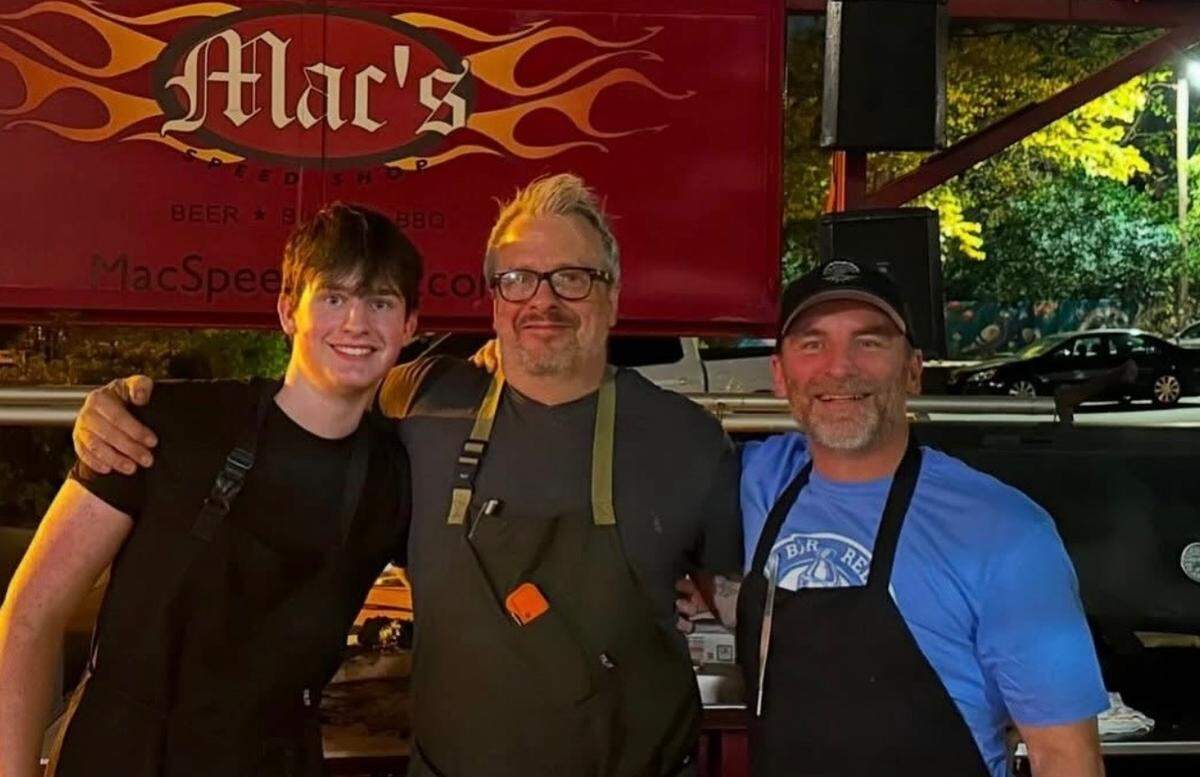
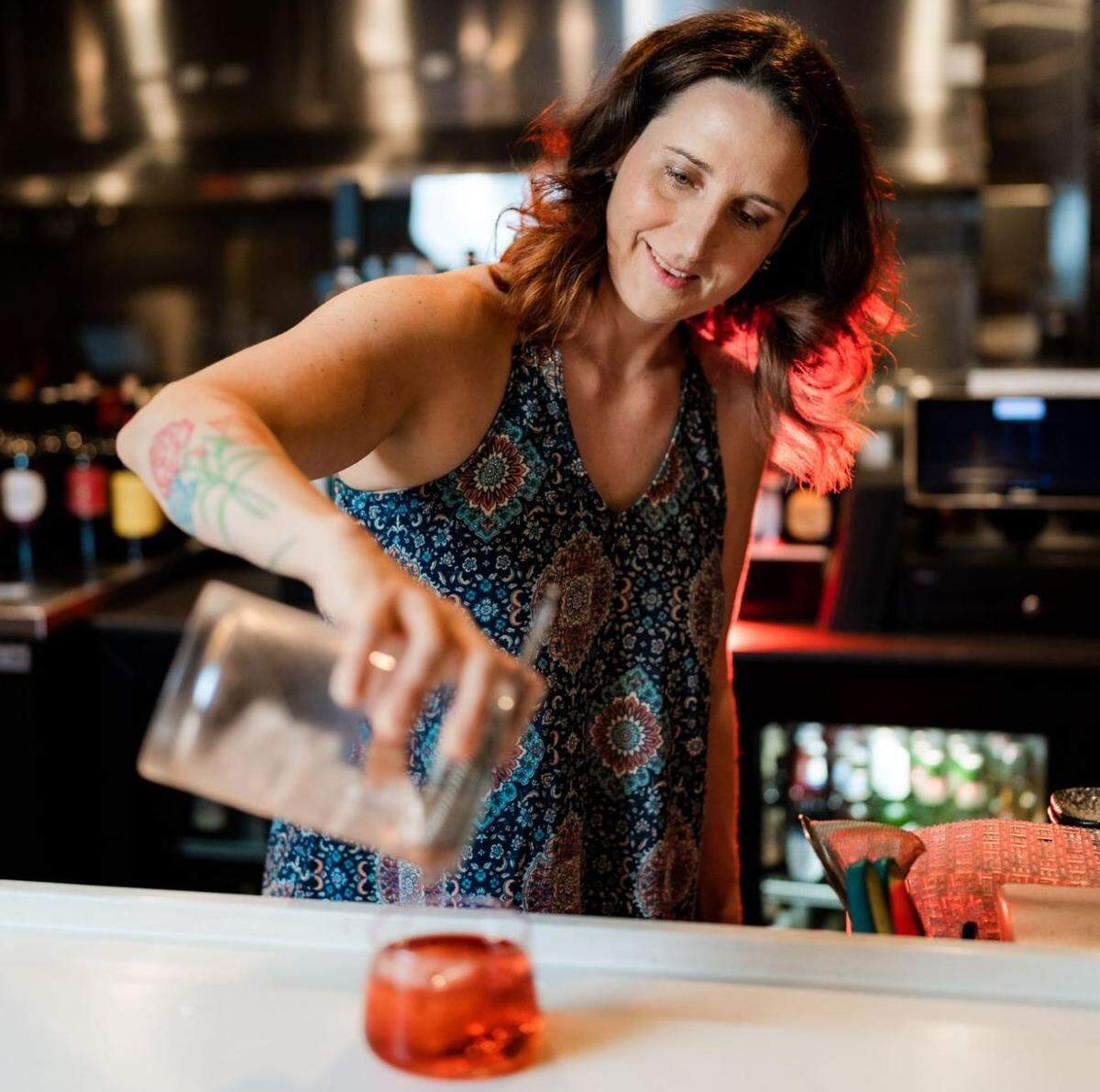
The couple is no stranger to the restaurant industry. In fact, they’re veterans. Brandon Sarkis is currently the executive sous chef at Dean’s Italian Steak House, but he’s worked throughout the city at Charlotte staples, including Mac’s Speedshop. Ashley Sarkis is the beverage director at Yunta Nikkei in South End.
For Brandon, Atlanta and Southern cooking are ubiquitous. It’s fundamental. While Charlotte’s food scene is ever-evolving, Sarkis says that the biggest difference is that the city doesn’t have a distinctive or signature dish — yet. (Both Atlanta and Charlotte are home to Michelin Guide-recommended restaurants, although Atlanta has a few more stars than us.)
New York City and Chicago are known for their different styles of pizza, Texas has Texas-style barbecue, New Orleans has Cajun-style cooking and Atlanta has a rich history of Southern cooking that is intrinsically linked to the Civil Rights Movement.
“Charlotte has some of the best restaurants in the country, but there is no signature cuisine or dish that we are identified by,” Sarkis said. “The reason, I’m sure, is the fact that Charlotte is full of transplants. I only know a handful of people born and raised in Charlotte.”
Charlotte, it seems, is an amalgamation of many cultures mainly due to its consistent population growth. According to the Charlotte Regional Business Alliance, 157 people move to Charlotte every single day.
While Charlotte may be a growing city filled with a diverse population of transplants, this affords us a certain tabula rasa that perhaps other cities don’t have. There are no culinary expectations, aside from good tasting cuisine. Essentially, we’re hungry.
“We have a clean slate,” Ashley said. “As an entrepreneur or a new business, you have the opportunity to bring in fresh ideas for a city who’s ready and eager for new cuisine.”
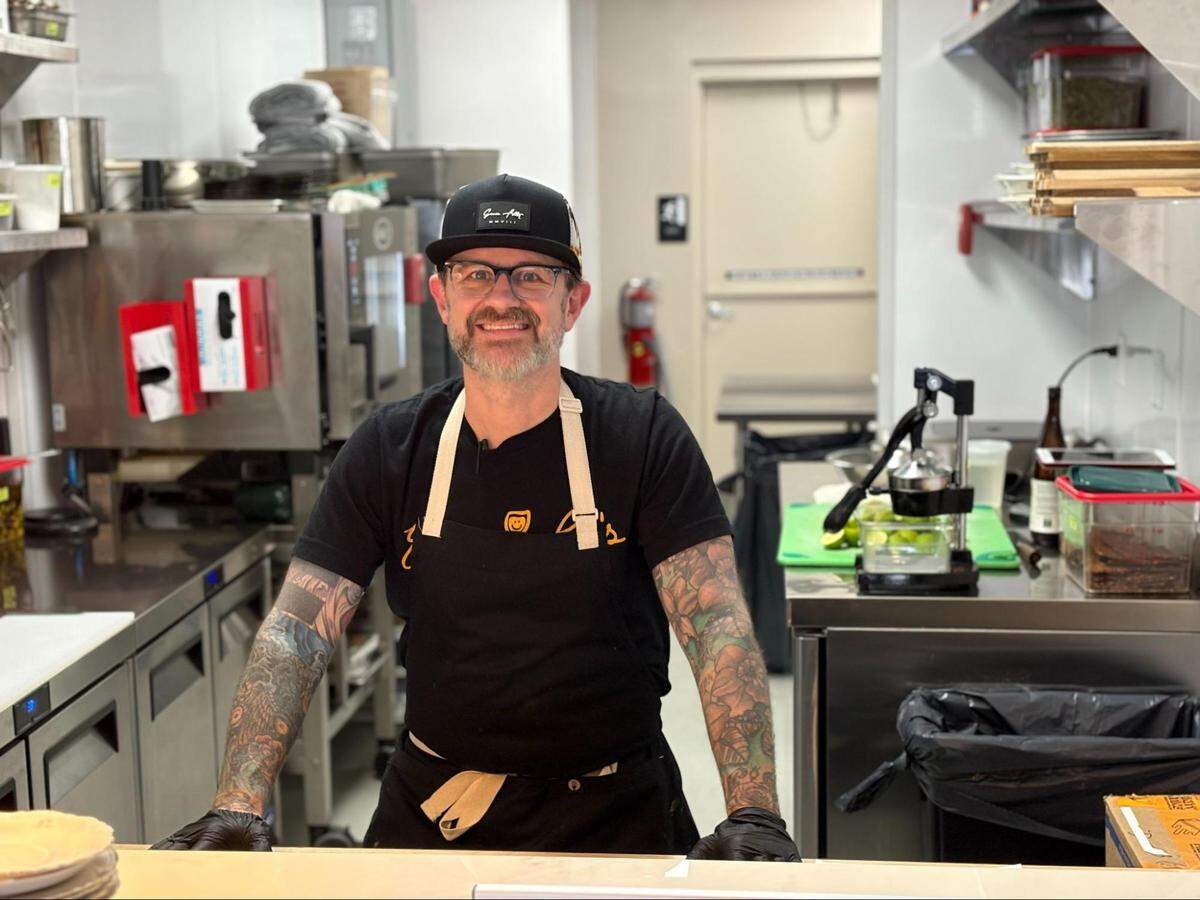
Thomas Hunter, the morning sous chef at Emmy Lou’s, shared a similar sentiment. Hunter was born in Atlanta, raised in Charlotte and has worked as a chef throughout the South.
“I think because Charlotte is so transitory and has such a large population of people that aren’t from Charlotte, that are from New York, that are from New Jersey, that are from the northern and eastern seaboard, that you have a lot of those people that bring what they’ve known and their backgrounds, their histories, their heritage. Some of them have opened some really cool restaurants and then brought different viewpoints and cuisine to the city,” Hunter said.
When it comes to Charlotte’s distinctive or signature dish, the verdict is still out, especially when it comes to Carolina-style barbecue.
“Unlike a lot of Southern states, you say ‘barbecue’ and it’s pretty definitive,” Hunter said. “It’s like, I’m from Alabama. I like white sauce and I like pulled pork. I’m from Memphis, I like my ribs. I’m from Texas, I like brisket, etc. Carolinians, we’re so divided that we can’t decide if we like Western or Eastern style.”
This year, chefs in Charlotte and Atlanta were both recognized by the James Beard Foundation, an organization that honors culinary excellence in the restaurant industry. Charlotte chef Robin Anthony was nominated in the Best Chef category in the Southeast for his work at Omakase Experience by Prime Fish.
Atlanta also received a handful of well-deserved nominations by the foundation in categories including Best Chef, Outstanding Pastry Chef or Baker, Outstanding Hospitality, Best New Bar, Outstanding Professional in Beverage Service and Outstanding Professional in Cocktail Service.
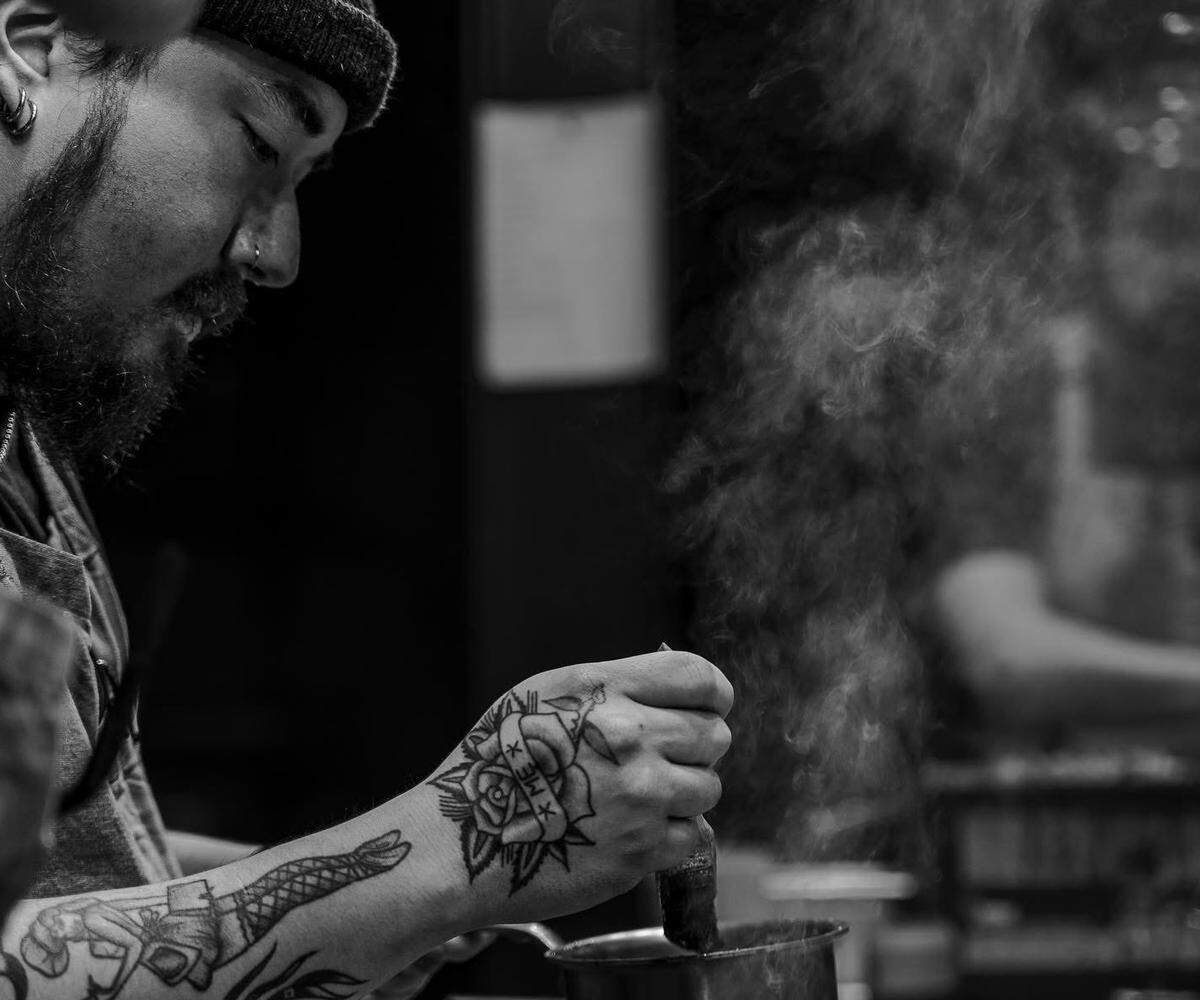
For Georgia-native Kenny Do, the sous chef at Counter-, a tasting menu restaurant and home to Charlotte’s sole Michelin Star, Charlotte’s identity is still evolving.
He said via text message:
“Charlotte has definitely earned its place on the national food map, but I wouldn’t call it a ‘mini-Atlanta.’ We’re still in a stage where the market plays it relatively safe, where Atlanta has that established, any-cuisine, any-time infrastructure — like 24-hour pho spots to street taco drive-thrus.
“With that being said, I’m inspired by the local chefs who are currently pushing the envelope here. I think our culinary identity is still being written, and that ‘young’ energy is what is finally making the Charlotte food/restaurant scene so exciting to be a part of right now.”
A civilian’s perspective
I also wanted to get the perspective of someone who isn’t in the restaurant industry. So I reached out to Paige Baum, a lawyer who recently moved to Charlotte after living in Atlanta for five years.
“My first impression when I moved to Charlotte was that the food prices are low, the cost of a good meal is lower and the price of a good cocktail is higher,” Baum said.
For Baum, a lover of craft cocktails and amaros (bitter Italian liqueurs often enjoyed after dinner), Charlotte’s robust cocktail scene surprised her — in a good way.
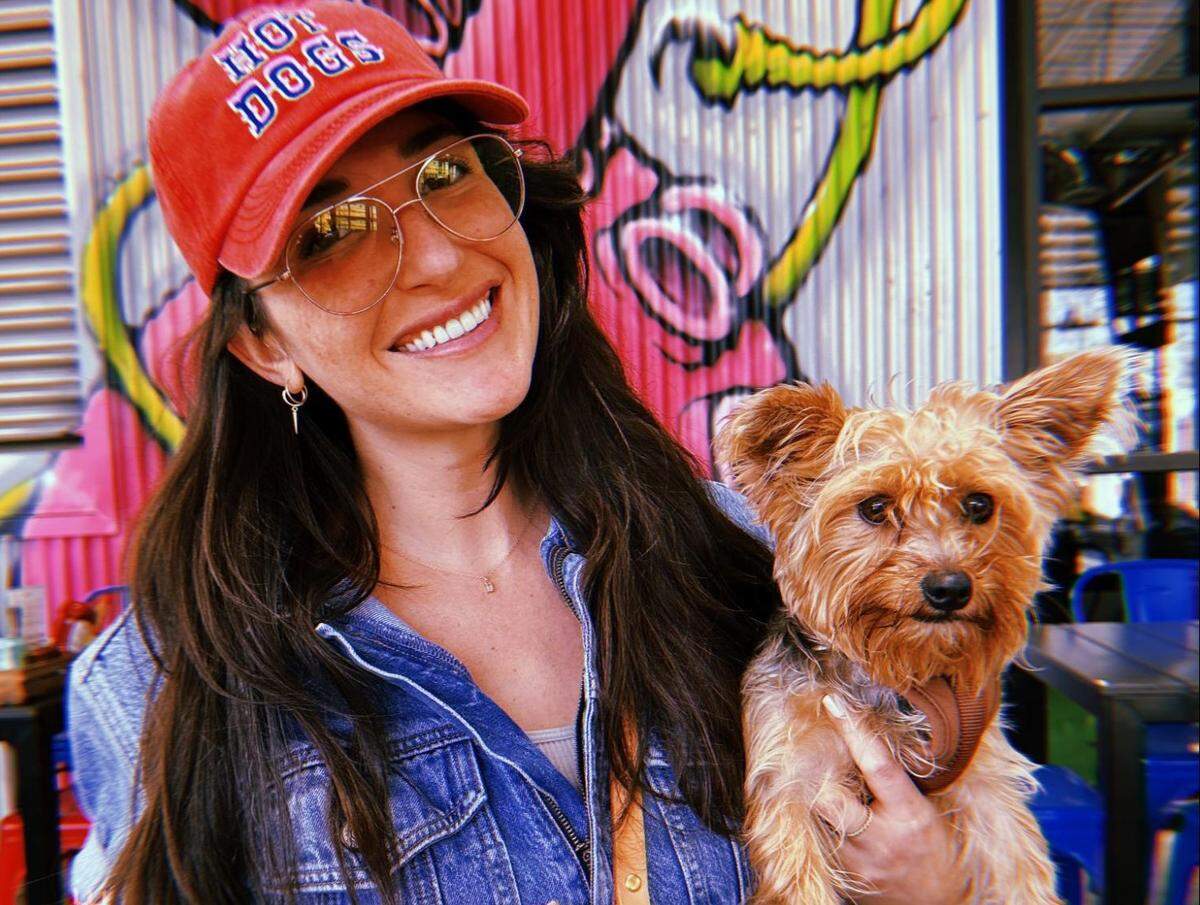
“The amaro scene here is much, much, much more prevalent than in Atlanta,” Baum said. “I mean, just the fact we have Substrate that has an amaro-focus is so unique. I haven’t seen it in the South.”
When Baum is missing the culinary flavors of Atlanta, she says she goes to Salud Cerveceria for tasty lemon-pepper wings that remind her of home.
“Salud’s wings are probably the closest I’ve found to high-quality, Atlanta-style wings, where they’re crispy and you can get all flats,” Baum said.
Final thoughts
Charlotte is a city of transplants, which gives us a unique opportunity to explore different cultures, cuisines and cocktails. It seems that Charlotte is bursting at the seams with new culinary talent. While we may not have a distinctive dish just yet, perhaps it’s only a matter of time.
And as they say, comparison is the thief of joy.