Scotland’s World Cup fuel: Piña coladas, beans and Southern flavor in Charlotte
Piña coladas and baked beans might not sound like the foundation of a World Cup nutrition plan, but both are playing a role as Scotland prepares for its biggest matches on soccer’s biggest stage.
Scotland’s national team has made Charlotte FC’s Atrium Health Performance Park its home away from home during the FIFA World Cup. The team selected Charlotte as its official base camp and training headquarters and will remain in the Queen City for the duration of its tournament run.
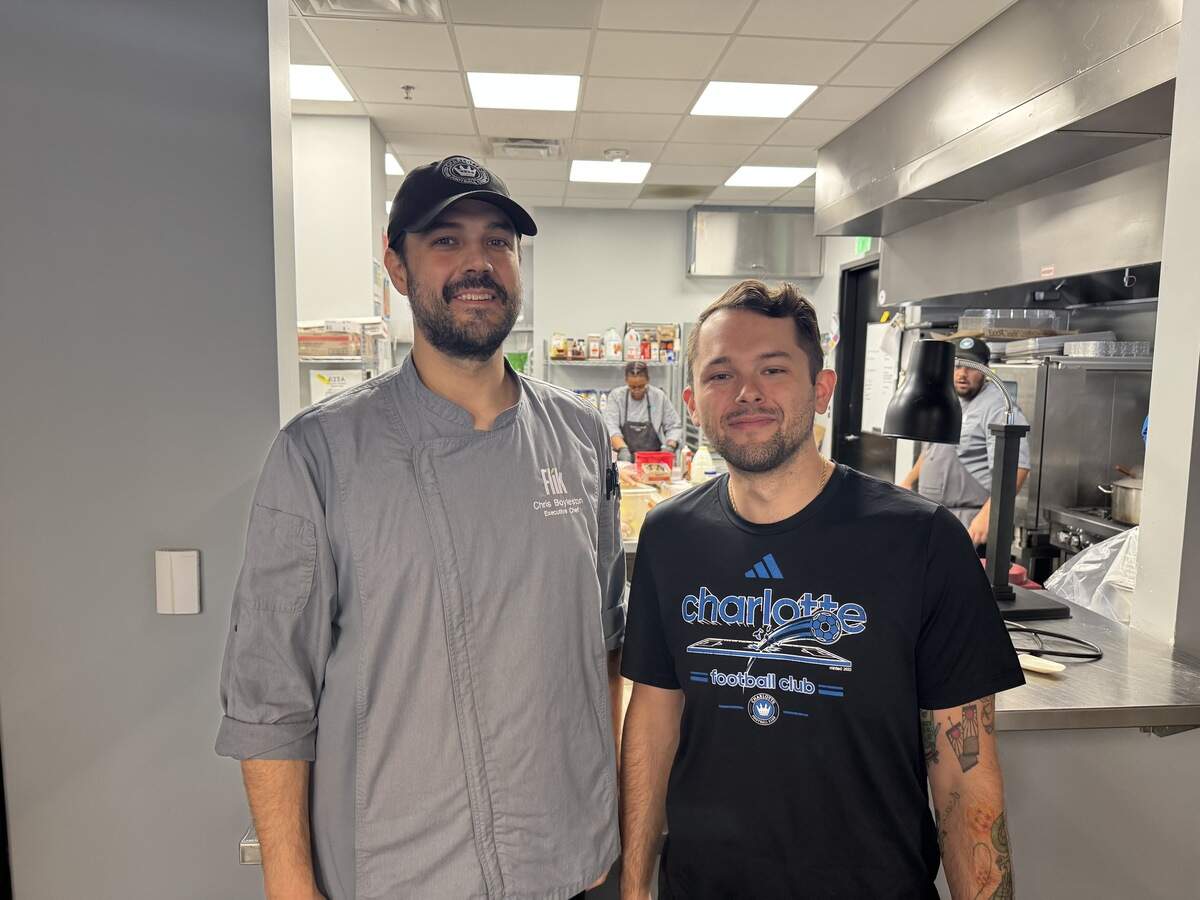
While players spend hours preparing on the pitch, there’s another team working behind the scenes to keep them fueled. Charlotte FC Executive Chef Chris Boyleston and Dining Manager John Major are collaborating with Scotland’s staff to deliver meals tailored to the team’s nutritional needs – and the menu is rarely the same from one day to the next.
“Typically, there are always changes, so we just have to roll with the punches,” Boyleston told CharlotteFive. “We talk to our team and make sure we can accommodate.”
Rehydration and recovery come first
With temperatures climbing into the 90s this week, Charlotte FC staff said staying hydrated is one of the biggest challenges facing players training in the Carolinas.
“Rehydration and recovery, especially in the Charlotte weather, is really key,” Major said, noting that players can burn upwards of 1,000 calories during a single match or training session. “As soon as they come off the pitch, the biggest thing is trying to get them to recover what they lost out on that field.”
That means more than just drinking water. Staff prepare specialized recovery beverages loaded with electrolytes and nutrients designed to replace fluids lost during training sessions and matches.
One of those drinks is a nonalcoholic piña colada packed with electrolytes. It tasted remarkably close to the real thing – minus the rum and the hangover.
Players can also snack on frozen grapes dusted with electrolytes, which Major said help replenish nutrients while offering a sweet treat that tastes more like candy than sports nutrition.
“The players love it,” Major said.

Scotland Sports Science Lead Shayne Murphy said preparing for heat and humidity has been a major focus throughout the team’s World Cup preparations.
“That’s something we don’t always get in the U.K.,” Murphy said. “We used heat chambers and saunas before we left, and we trained in environments that replicated where we’d be playing. Then we spent time in Miami experiencing the heat and humidity there to prepare for the worst-case scenario.”
Nutrition is another piece of the puzzle.
“There’s an extra consideration for the heat and humidity,” Murphy said. “It adds a few more calories for the players. The foundations are already there, and it’s really about making small adjustments for the environment.”
A menu built around familiarity – with some American flair
While Scotland is staying in the United States, the team isn’t straying too far from its normal eating habits.
Murphy said the goal is to keep players eating foods they already know and trust from their club teams around the world.
“We don’t want to move too far away from their normal,” Murphy said. “We want them getting the right calories without encouraging them to eat brand-new foods.”
In some cases, that meant bringing ingredients from home.
“Beans, for instance,” Murphy said with a laugh. “The beans here taste very different from back home.”
Boyleston said Scotland’s staff has had extensive input on the menu, which has required some culinary detective work.
“It’s their menu,” he said. “We just come in and fill in the blanks.”
“We’re trying to figure out what their idea of a red sauce is or what their idea of katsu sauce is,” he added. “It’s vastly different from what we normally do.”
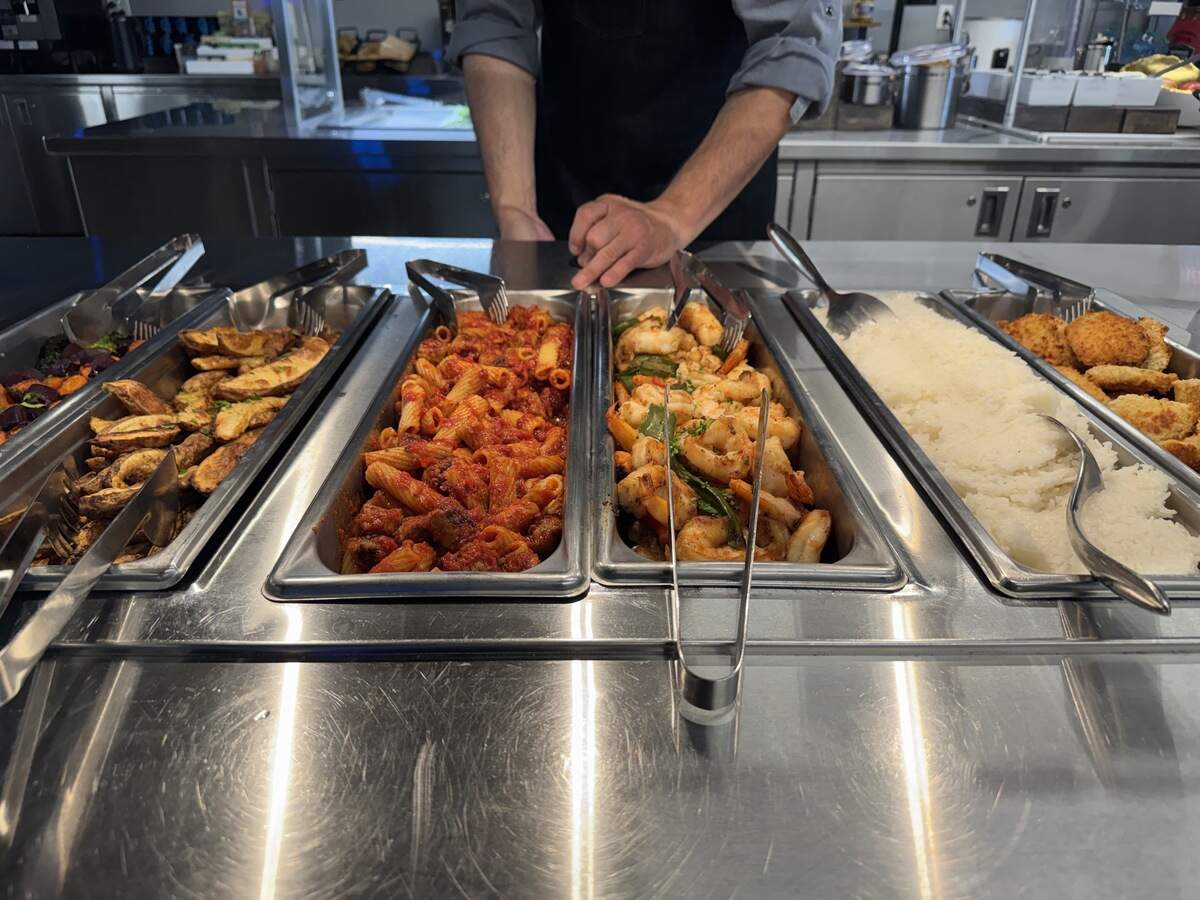
Tuesday’s lunch spread included Japanese breaded chicken bites with katsu sauce, sticky rice, spicy sausage rigatoni, sautéed prawns, Cajun potato wedges and a variety of vegetables.
At the same time, Scotland’s players have shown an appetite for American flavors.
“That’s what they want,” Boyleston said. “They want the American-style flavors. We’ve been seasoning everything our way and trying to make everything work together, and they’ve loved it. We’ve gotten nothing but positive feedback.”
An unforgettable World Cup experience
For Charlotte FC General Manager and Chief Soccer Officer Zoran Krneta, hosting Scotland has been a rewarding experience both professionally and personally.
“They’re super relaxed, super easy and super friendly,” Krneta said about Scotland’s players and staff.
The connection is especially meaningful because of his family ties to the country.
“I have a lot of links with Scotland,” he said. “My daughter and my son-in-law live in Scotland.”
Krneta recently invited members of the Scottish delegation to dinner and joked that if they stop by his table, they shouldn’t expect traditional Scottish fare.
“I think I’ll introduce them to some Southern food,” he said.