‘Talking about race is uncomfortable. But ... necessary.’ Bakari Sellers tells us why
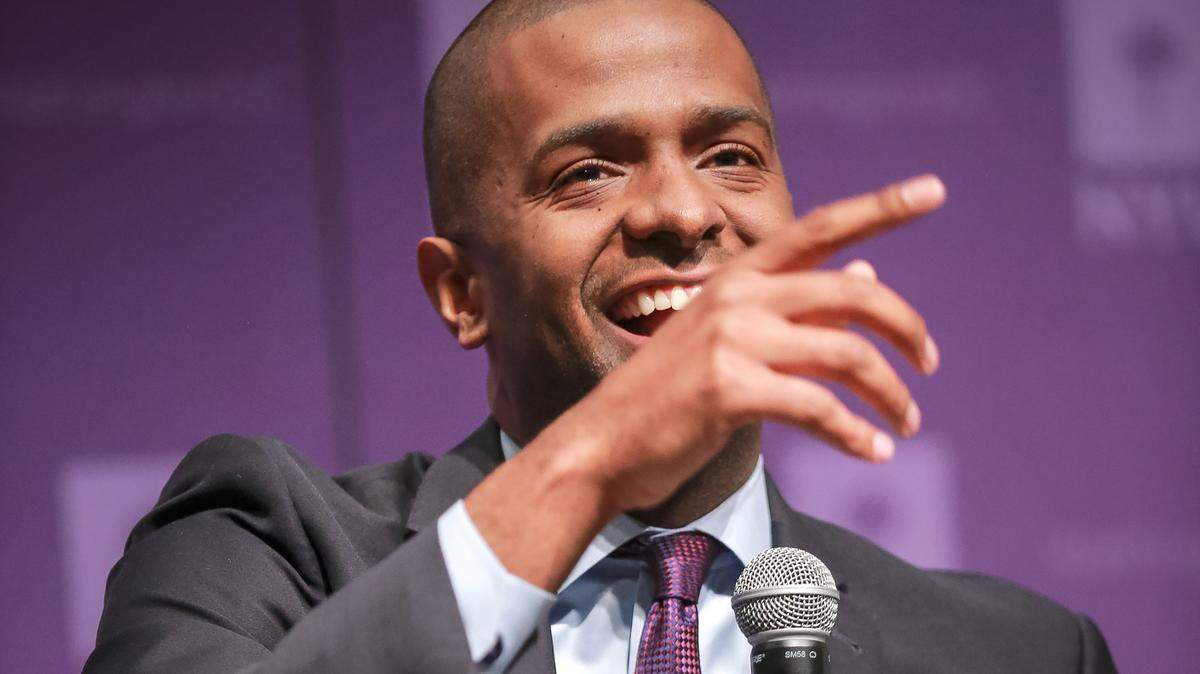
For most people, writing a memoir at age 35 would be a very short endeavor, but Bakari T. Sellers is not most people. Sellers grew up in the rural South, watching his father, veteran civil rights activist Cleveland Sellers, fight for justice while his neighbors fought for their humanity.
He was just 22 when he became a member of the South Carolina House of Representatives in 2006, the youngest African American ever to be elected to office in the United States at that time.
In “My Vanishing Country,” which was released in May 2020, Sellers tells the story of America’s forgotten black working class through his own life. He highlights the systemic inadequacies in rural black America, using his hometown, Denmark, S.C., as an example.
“When I say that Denmark is part of the forgotten South, I mean that the simple dignities we all expect as humans, such as clean water, a community hospital and more than one grocery store, are ignored. This is a town where it’s not unusual to spot someone driving their lawnmower, the one they use to cut white residents’ lawns, to the Piggly Wiggly, the only major grocery store in town.”
In an interview with CharlotteFive about the memoir, Sellers said, “Talking about race is uncomfortable. But these uncomfortable conversations are necessary for understanding and progress. I hope this book inspires compassionate, informed conversations that go beyond the media sensationalized incidents of racism, and bring to light the broken systems that are plaguing rural America. And I hope it changes a few lives.”

His passion
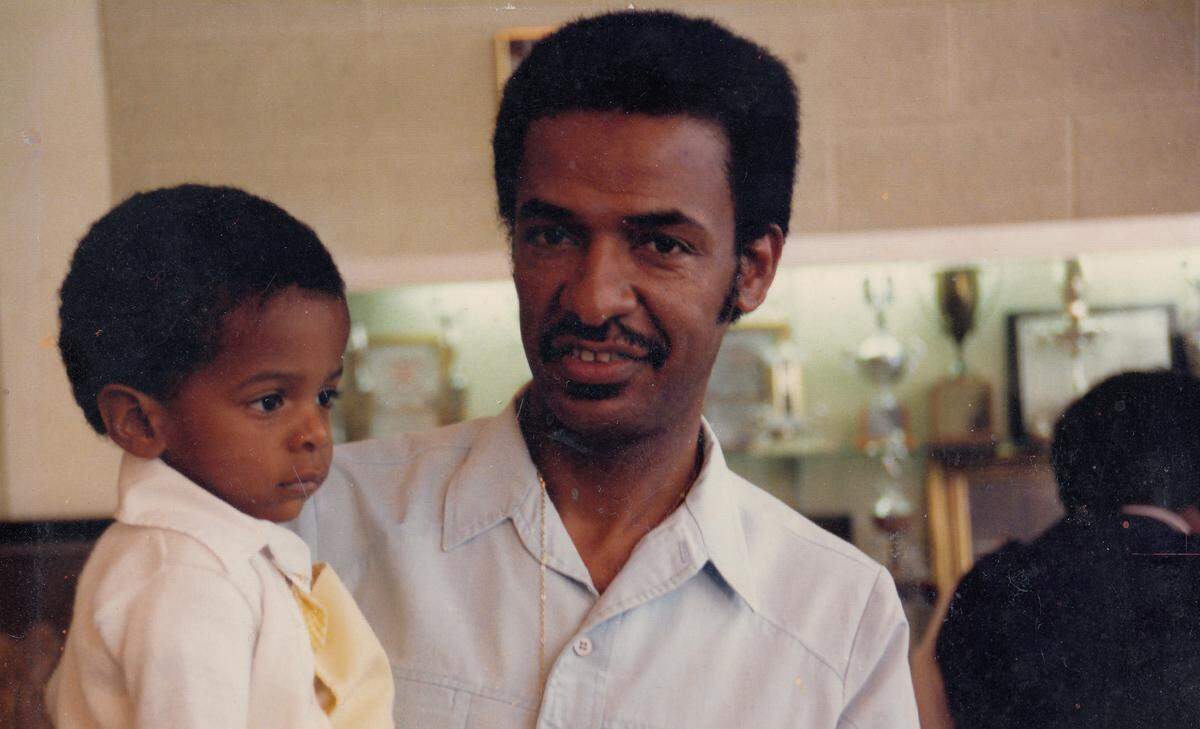
Sellers’ story starts with the 1968 Orangeburg Massacre at South Carolina State University, where three unarmed black men were killed and his own father shot and imprisoned, accused of inciting a riot.
It was an event that happened 16 years before he was even born, but one that would be woven throughout the fabric of his life — from the civil rights leaders that he was surrounded by to the injustices he would later fight for.
Growing up with “uncles” like Julian Bond and Stokely Carmichael, stumbling over photos of his dad with his friend, Martin Luther King Jr., Sellers couldn’t help but feel a strong connection to the past and an awareness of civil rights that was beyond his years.
After graduating high school at age 16, Sellers attended Morehouse College and developed his political aspirations while working for Sen. Jim Clyburn on Capitol Hill after his freshman year.
When he told his parents of his plans to run for the South Carolina House of Representatives against 26-year incumbent Thomas Rhoad, his mom assured him, “I will vote for you.” His dad put down his paper and with somewhat of a snicker said, “I will think about it.” Sellers took office in 2006, at age 22. He spent the next eight years being a voice for the people who had spent their lives not having one.
In “My Vanishing Country,” Sellers describes getting a phone call while leaving his office at the statehouse to walk two blocks to his constitutional law class.
On the other end of the line? Then-presidential candidate, Sen. Barack Obama. The conversation would lead to a campaign primary stop by Obama at South Carolina State University, a moment that brought Sellers’ life full circle.
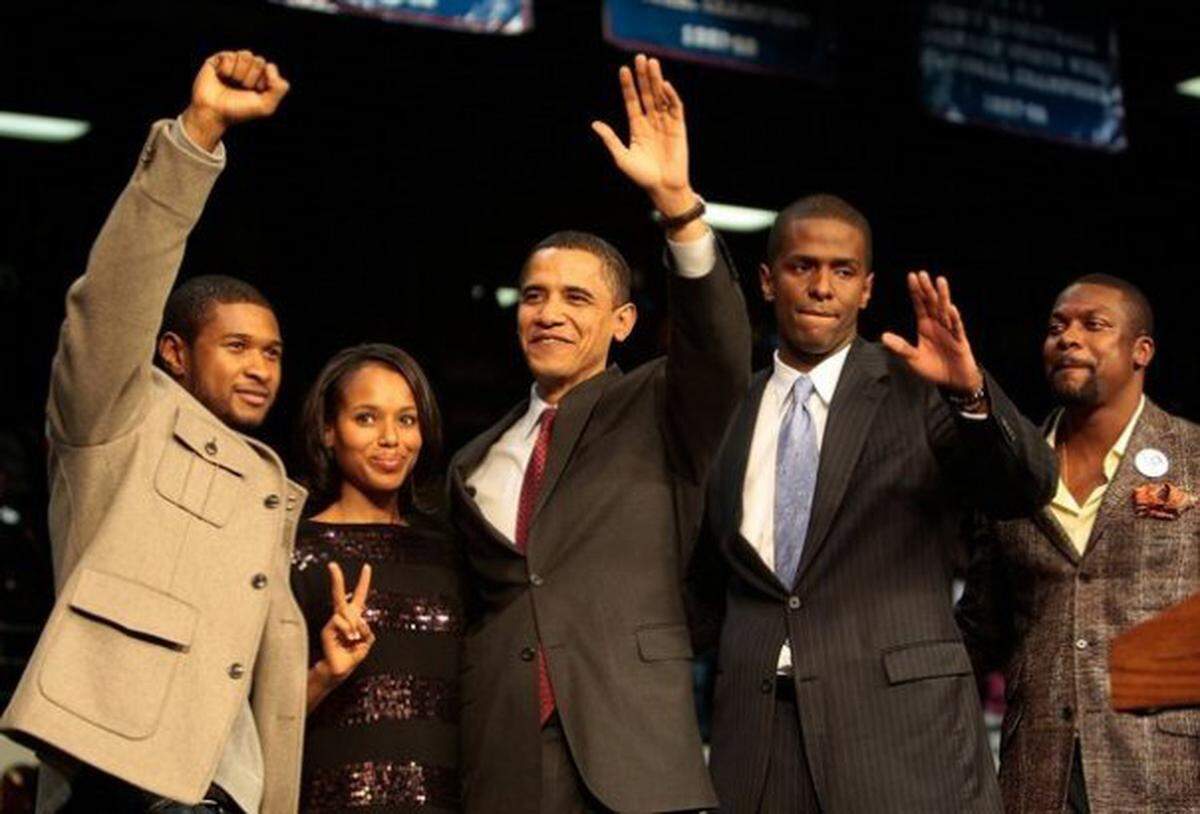
“Being onstage with Barack Obama was a special moment because I was 23 and had fulfilled a dream. … And it was all happening at South Carolina State University. I had gone to elementary and middle school at Felton Laboratory School, which was right across the street; for most of my life I had played in the gym I was now standing in. I was nineteen miles away from where I had told my parents that I was going to run for office. And I was three hundred yards away from where my father had been shot by white law enforcement officers during the Orangeburg Massacre.”
A story bookended by tragedy
In addition to his successes, Sellers isn’t shy about sharing his struggles throughout “My Vanishing Country.”
He discusses his loss in the 2014 race for lieutenant governor of South Carolina, his personal battles with anxiety and the tragic death of a dear friend and eight other innocent African Americans in the Mother Emmanuel church shooting in Charleston.
He recounts a CNN interview following the 2015 tragedy in his book: “I’m thirty and my father is seventy. We shouldn’t be sharing the same experiences, burying our loved ones. It’s traumatic and has to change. We must redirect history.”
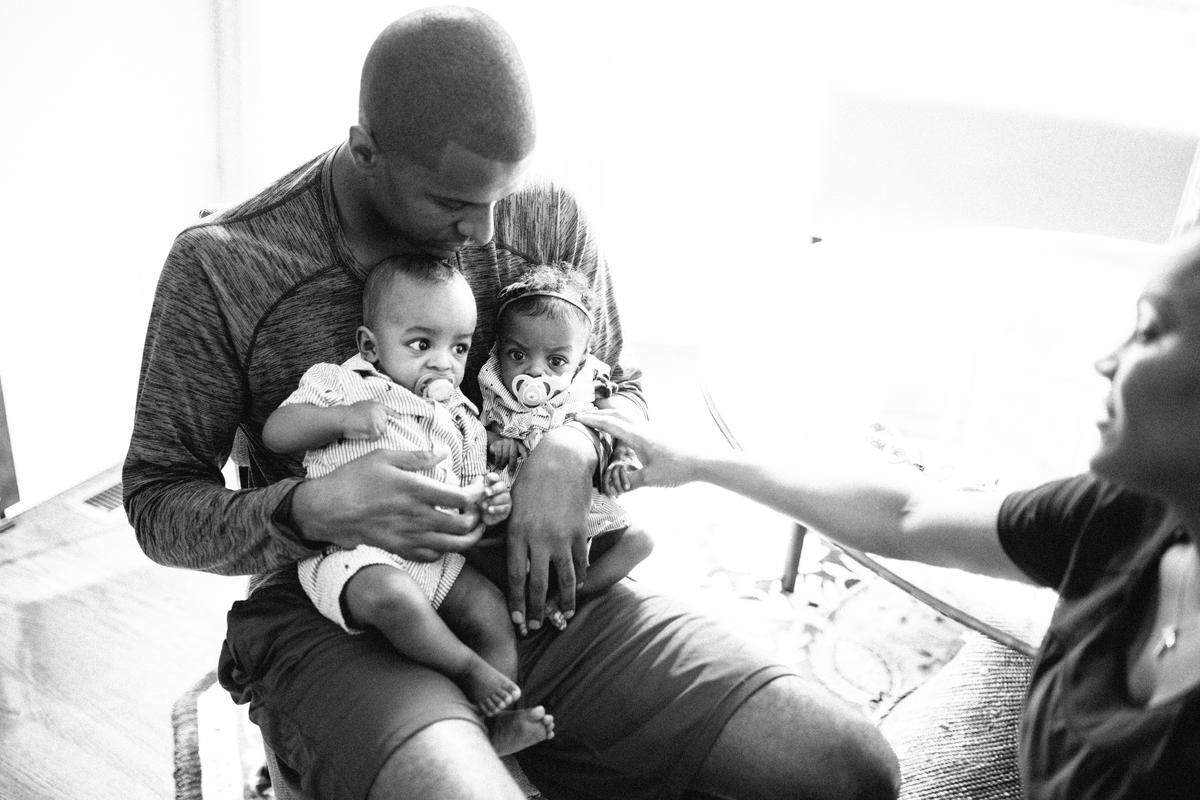
Sellers also shares the very personal and terrifying near-death experience of his wife after the birth of their twins, and the gut-wrenching wait for a new liver for his infant daughter, Sadie.
He happily reported that eight months post-surgery, Sadie is doing well and happily follows her twin brother, Stokley, wherever he leads. “She overcame her illness and it’s my job to ensure she doesn’t have to overcome injustices,” he wrote in the book.
As for what’s next, Sellers regularly appears on CNN as a correspondent and practices law at Strom Law Firm. The LBJ Library recently posted a new episode with him on its podcast, “With the Bark Off.”
He also has ambitions of getting back into politics. When asked what he hopes the title of a subsequent memoir could be, he simply responded, “Freedom.”
Want more?
Last summer, The Levine Museum of the New South hosted a virtual conversation with Sellers about his book. William “Teddy” McDaniel, III, President and CEO of Urban League of Central Carolinas, moderated the conversation, which incorporated social justice initiatives and the political landscape. You can watch a replay of the the event on YouTube.
This story was originally published May 14, 2020 at 11:14 AM.