On social media, Charlotte allies wrestle with how to stand up for Black Americans
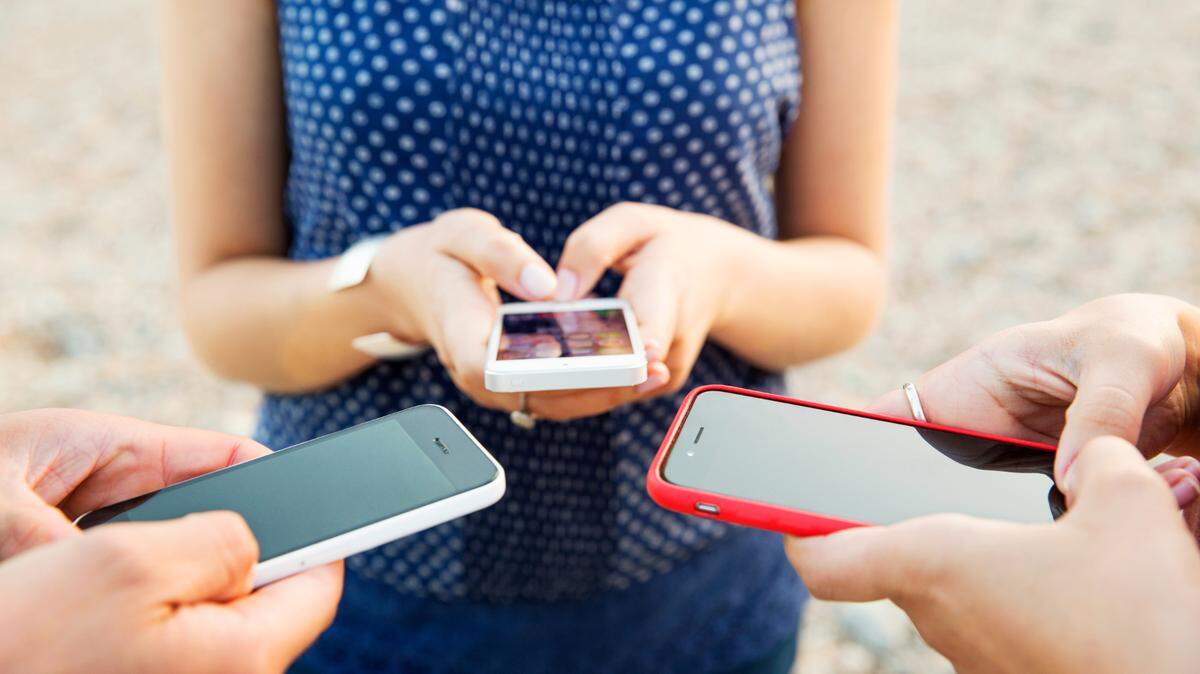
From thousands of posts and profile pictures of black squares to challenges tagging 10 friends in a Black Lives Matter Instagram chain, social media support in Charlotte and around the country are on the rise in response to George Floyd’s death.
The killing of 46-year-old George Floyd by a police officer in Minneapolis on May 25 gained worldwide attention as video of Floyd’s death surfaced online. The involvement of four police officers sparked outrage and led to nationwide and overseas protests against police brutality in major cities — including in Charlotte.
These protests aren’t just happening in the streets.
Keyboard warriors all over the world are taking to social media to express their frustration and desire for change. For those who have the privilege of being able to safely voice their opinions on social media platforms, this can be a powerful way to take a stand. And for those in a position of privilege, showing support now is widely considered crucial.
Saying nothing, called “white silence,” is actually very loud, many say.
However, knowing just what to say is important, too.
Could some posts be doing more harm than good?
Some local Black activists and leaders have questioned the intent behind the surge in posts.
Across all social media platforms on Tuesday, June 2, users worldwide posted black squares on their timelines or as profile pictures. Known as Blackout Tuesday, the initiative was created by music executives Jamila Thomas and Brianna Agyemang as a way for the music industry to pause business for 24 hours in support of the Black community.
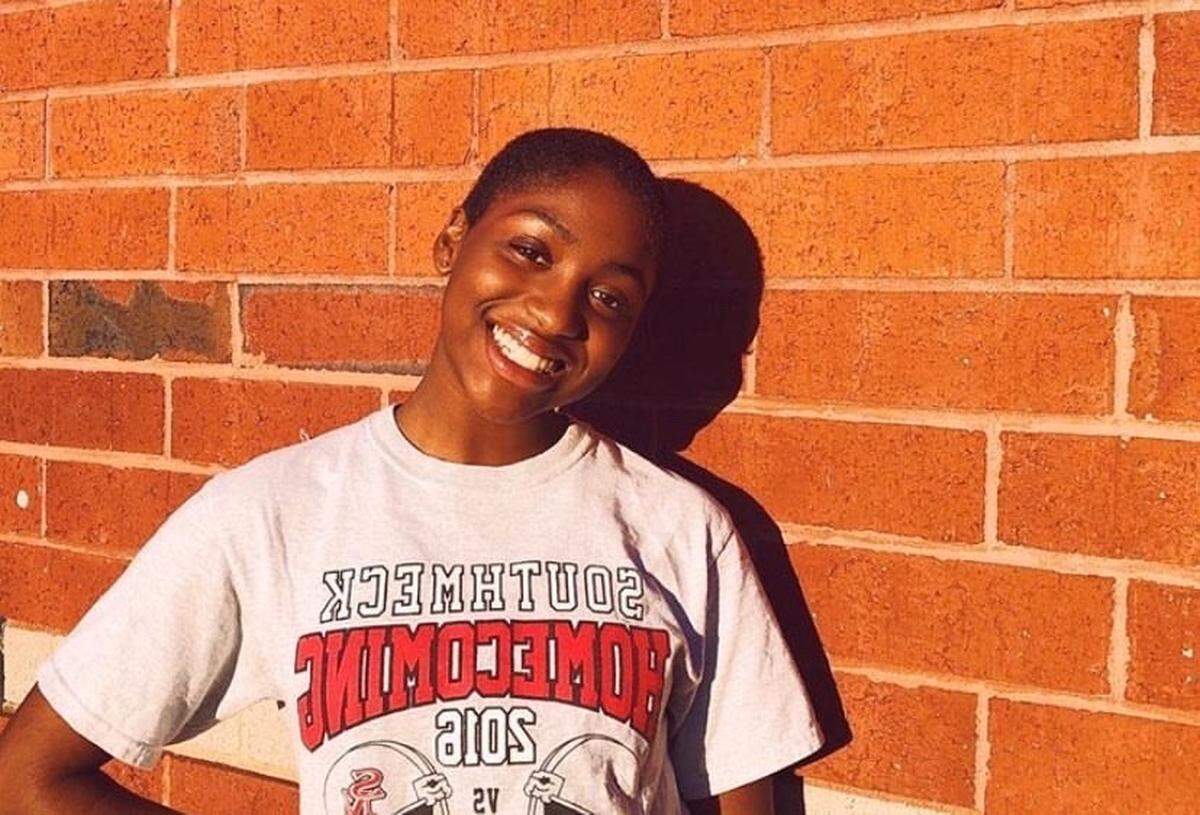
Claire Tandoh, 17-year-old founder of the Charlotte youth social justice group Kidz Fed Up, said social media posts like those from Blackout Tuesday are not effective for the movement.
“That’s another problem with social media because sometimes the meaning — although it’s well-intentioned — the meaning can be lost,” Tandoh said. “Because Black Lives Matter is not a trend and that is what these chains and the challenges like the blackout posts can become.”
Is there a social pressure to contribute?
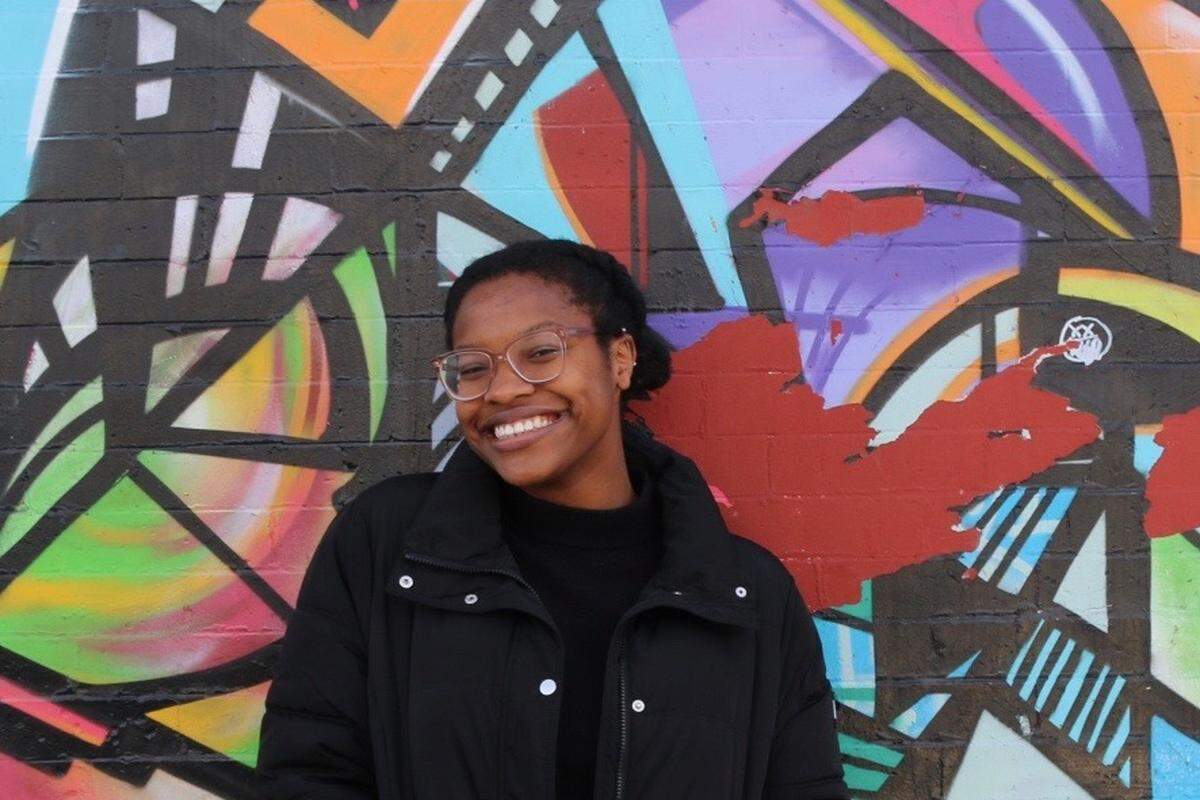
Others believe shares are contributing in some way to the movement. Dyonna Wilkerson, a 20-year-old Black woman from Huntersville who is a student at Temple University in Philadelphia, said non-Black people may face some peer pressure when posting on social media, but that reflective posting is a way to contribute for white and non-Black people.
“There might be a moral obligation because they understand that they’ll never experience the brutality in America,” Wilkerson said. “So, they want to do at the very least what they can, even if they can’t emotionally connect to it as much.”
Over the past week, social media users have shared pre-written templates to email their local representatives and hold police accountable. Other have also compiled links to educational resources to learn about race relations in the U.S. that anyone online can access. “If you’re going to share it, it should be something that all people can interact with,” Wilkerson said.
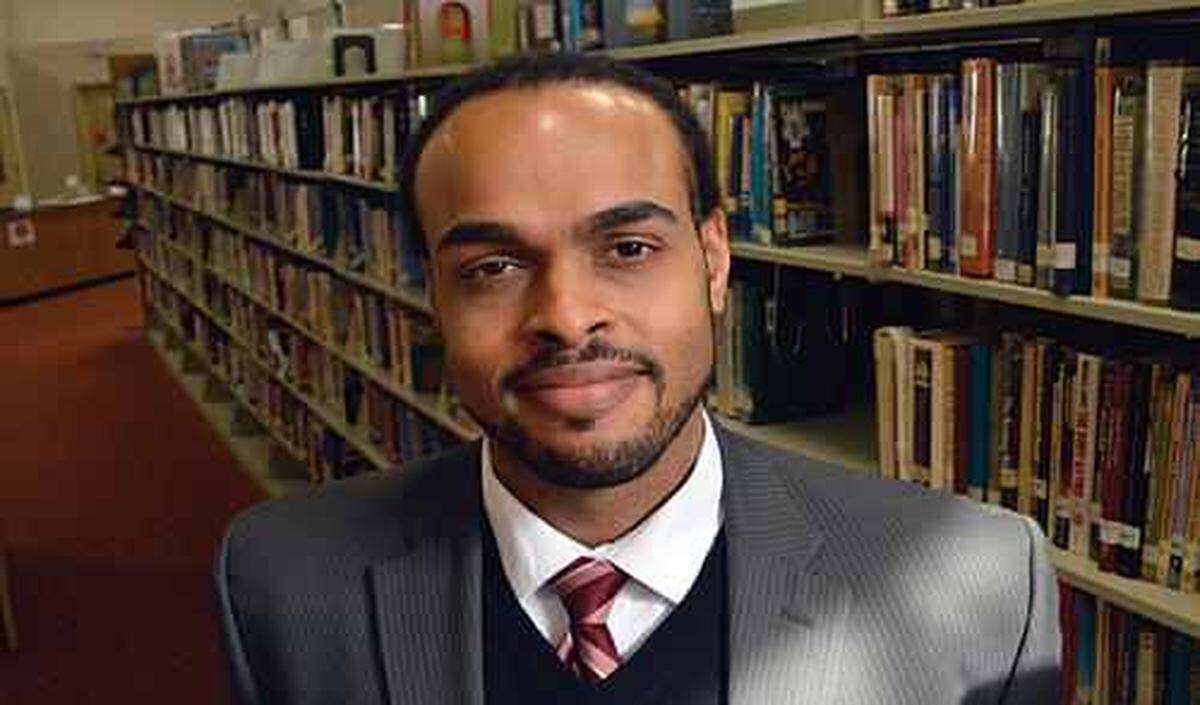
UNC Charlotte professor Tracey Benson, author of ”Unconscious Bias in Schools: A Developmental Approach to Exploring Race and Racism,” takes a more critical approach to social media posts from white and non-Black people. Benson noticed that while his Black Facebook friends posted out of anger and exhaustion of the history of police brutality in the U.S., he saw apologetic posts from white Facebook friends.
“I see that and I’m like, ‘All right, wishes or prayers aren’t going to fix racism in America,’” he said.
Intention matters
Benson, like many other Black leaders and activists, said white people should consider their intent when trying to be supportive of Black Americans in this time.
“So now that it’s covered in the media, they feel obligated or they act out of a sense of guilt, guilt and shame, and that’s not an appropriate way to react,” Benson said. “Before we post on social media, we need to think about: ‘1) Why are we posting it?’”
Aside from donating to organizations supporting Black Lives Matter and encouraging voting in upcoming elections, starting dialogues with one’s community has been widely encouraged across social media to effectively support Black Americans.
“What I do look for is their response to the white people in their social circle who have come up against their post,” Benson said. “If they have a response to that, I’m like, ‘Oh, this is something where this person is coming to a new awakening, a new understanding.’”
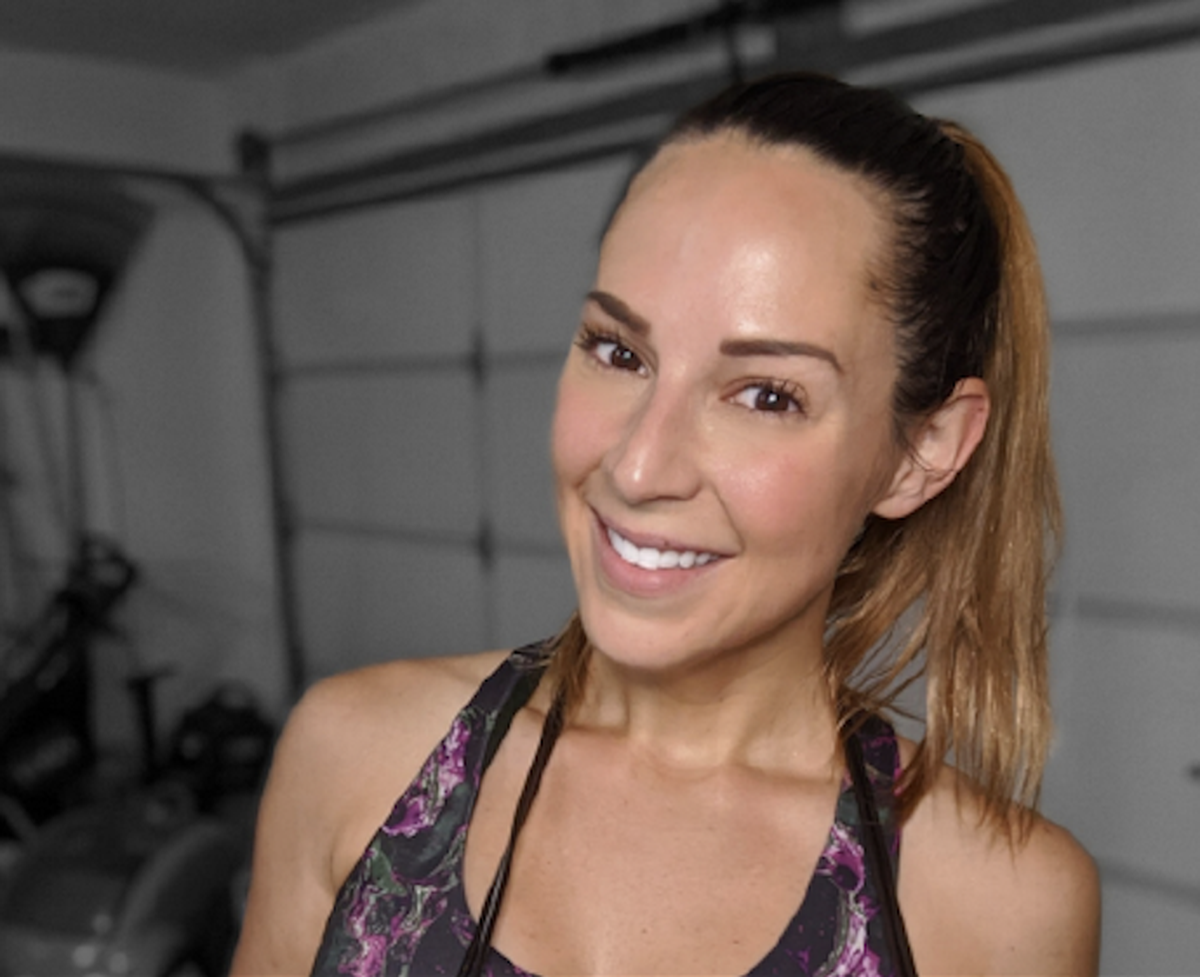
When fitness trainer Bekah Eljoundi started posting on Instagram about white privilege and in support of Black Lives Matter, she lost followers — including people that she knows. “People are judging people who aren’t posting, and people are judging people who are posting about being angry about the ‘riots’, and people are judging people about everything,” said Eljoundi , a white woman who lives in Waxhaw.
“I feel like social media can be one of two ways,” Eljoundi said. “It can be really bad in that it tears people apart because people have so many different opinions, but it can also be a voice.”
Despite differing opinions on which posts are most effective on social media, UNC Charlotte religious studies professor Julia Moore said she recognizes the power in using social media as a tool to address racial injustice.
“Without social media, the Philando Castiles, the Rekia Boyds, the George Floyds, all of those people that we’ve seen, their voices and their murders would probably have gone under the radar,” Moore said.
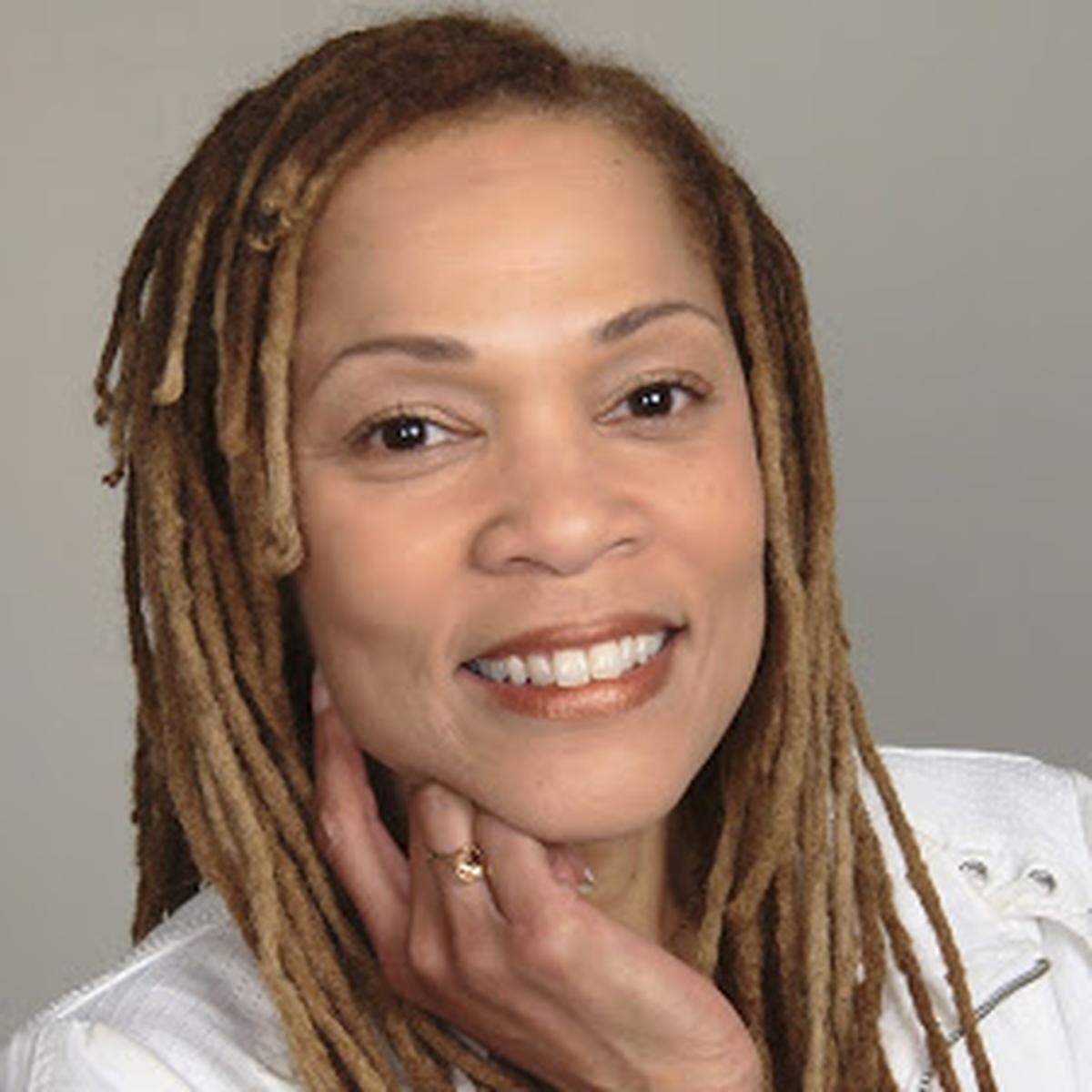
Tips for social media posts
Before you hit that publish button, here are a few things to consider, per UNC Charlotte professor Benson:
- Reflect on why you are posting something.
- Think about impact. What will your post accomplish?
- Consider how you will continue activism beyond your social media post.
- Start conversations with your social circle.
Beyond social media
Strictly posting on social media with no subsequent, tangible action has been criticized as “performative” activism. Non-Black supporters should next consider how to meaningfully take action beyond online platforms.
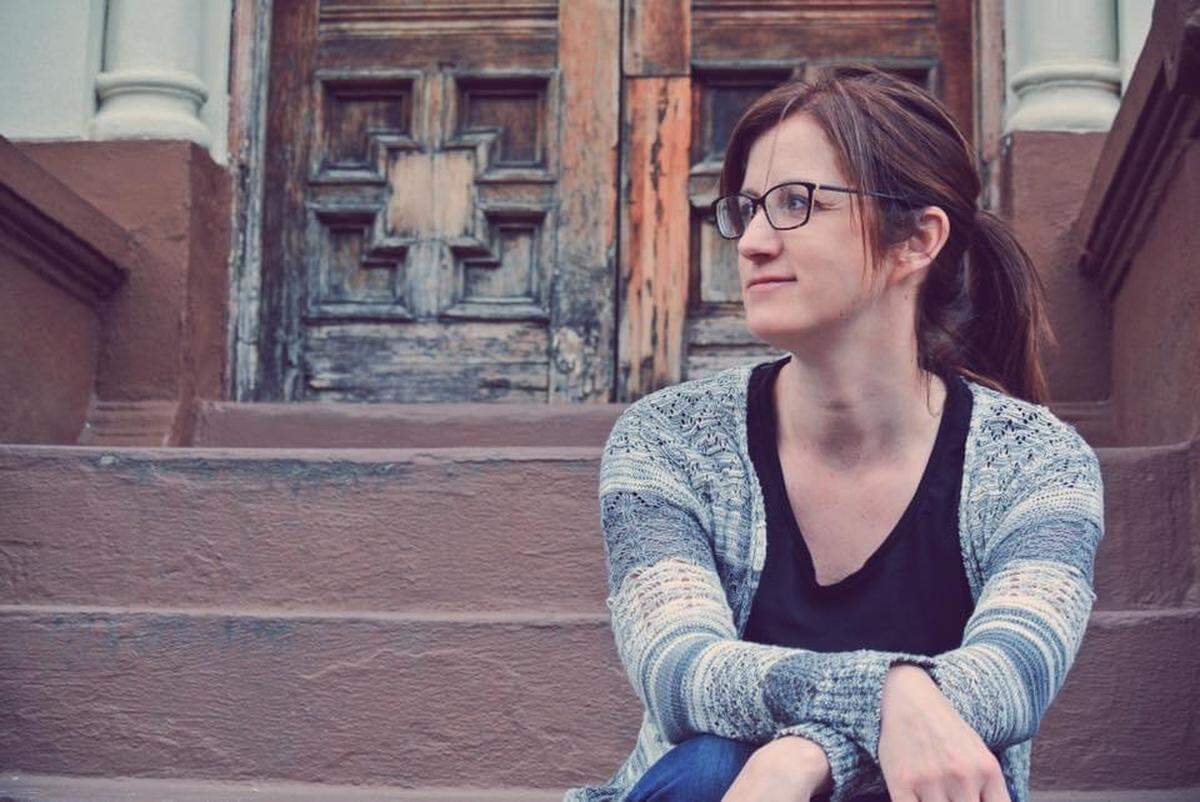
“Donating money to the causes, listening to those voices, registering people to vote, showing up at the protests, those are the meaningful things,” said Pam Lilley, an elementary school librarian from Cornelius. “Maybe some people do feel pressured to take a stand as if maybe by not doing it, it shows complicity with the standard quo, but maybe some people are just starting now to feel the courage to do it.”
Lilley was unsure of whether to attend the George Floyd protests in Charlotte. While wanting to support the cause, she did not want to increase the risk of bringing COVID-19 home to her family.
“Those are oppositional pulls,” Lilley said. “At the same time, I’m trying to find: ‘What are other ways that I can be supportive?’ and part of that is making a donation to organizations that are providing bail money.”
This story was originally published June 10, 2020 at 9:46 AM.