I was in Japan when COVID-19 hit. Here’s what it’s like to return to racial unrest.
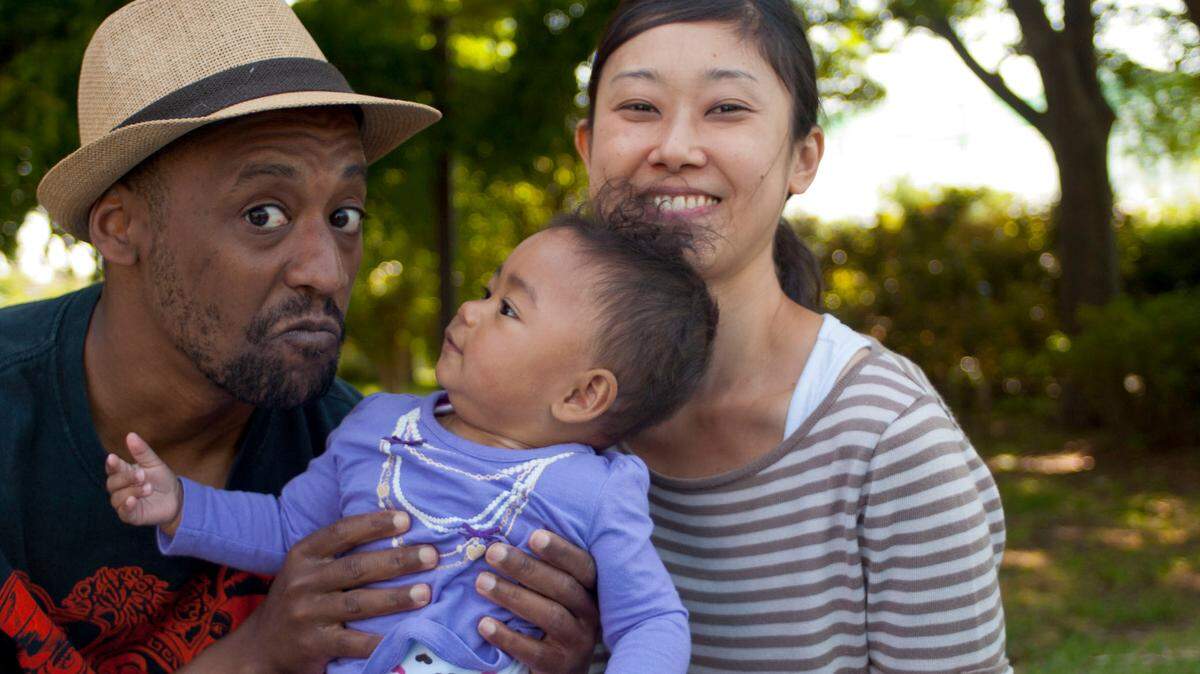
“What do you think of Charlotte, North Carolina?” my wife asked. This was late last year, prior to the coronavirus pandemic. We were in Japan, and my wife was applying to get a job transfer to the States. Her spouse visa had just been approved.
“North Carolina?” I said. That was a prominent slave state that sent more troops to fight for the Confederacy than any other southern state. This was the real life “Lovecraft Country.” The first settlers disappeared without a trace. “Honey, that’s where it all started,” I said.
We didn’t know then that COVID-19 would — thankfully — trap us in Japan. At the time, I was still thinking about guns. They’re outlawed in Japan. With all the news about shootings, I was afraid of telling my wife that North Carolina is an open carry state, but when I did she said, “I have to believe that nothing will happen to my child or you and that I’m doing the right thing. You need to go home, and we have to at least give our child the opportunity to live in America.”
Just in the first few weeks of arriving in Charlotte, our daughter has seen more Black people than she’s ever seen in her seven years of life. She’s seen Black fathers and mothers with their kids. She’s seen Black people drive cars, shop, work, skateboard, have picnics, play instruments, run, laugh, talk, walk and wear suits like Japanese salary men, but with style.
She’s played with Black, white, Latino, and multi-racial kids like herself. At grocery stores and in random public spaces, little Black and white girls say hi to her, which is completely counter to Japanese culture. “How does it feel to be the majority?” my friend from Atlanta said over the phone. “Down here, we call Charlotte the little ATL,” he said.
Living in Japan and worrying about racial bullying
In Japan, my daughter couldn’t wait to come to America. Not unlike the States, Japan has its own racial xenophobic problems, and we wanted to avoid sending her to Japanese public school. Since Japan is perceivably a homogenous country (which it’s not), we were worried that she’d be bullied, especially because of her brown skin. One of the leading causes of death among Japanese children and young adults is suicide, which often stems from bullying.
The day that my daughter had her last day of school, I came home to my crying wife. Something horrible must have happened. Consoling my wife, I asked, “What’s wrong?” She had just gotten off the phone with our daughter’s teacher. After just two months of attending Japanese public school, our child was excelling at learning, reading and writing Japanese, her teacher said. And she was more advanced in math than most of the kids in her class. “I think he was crying, too,” my wife said about the teacher.
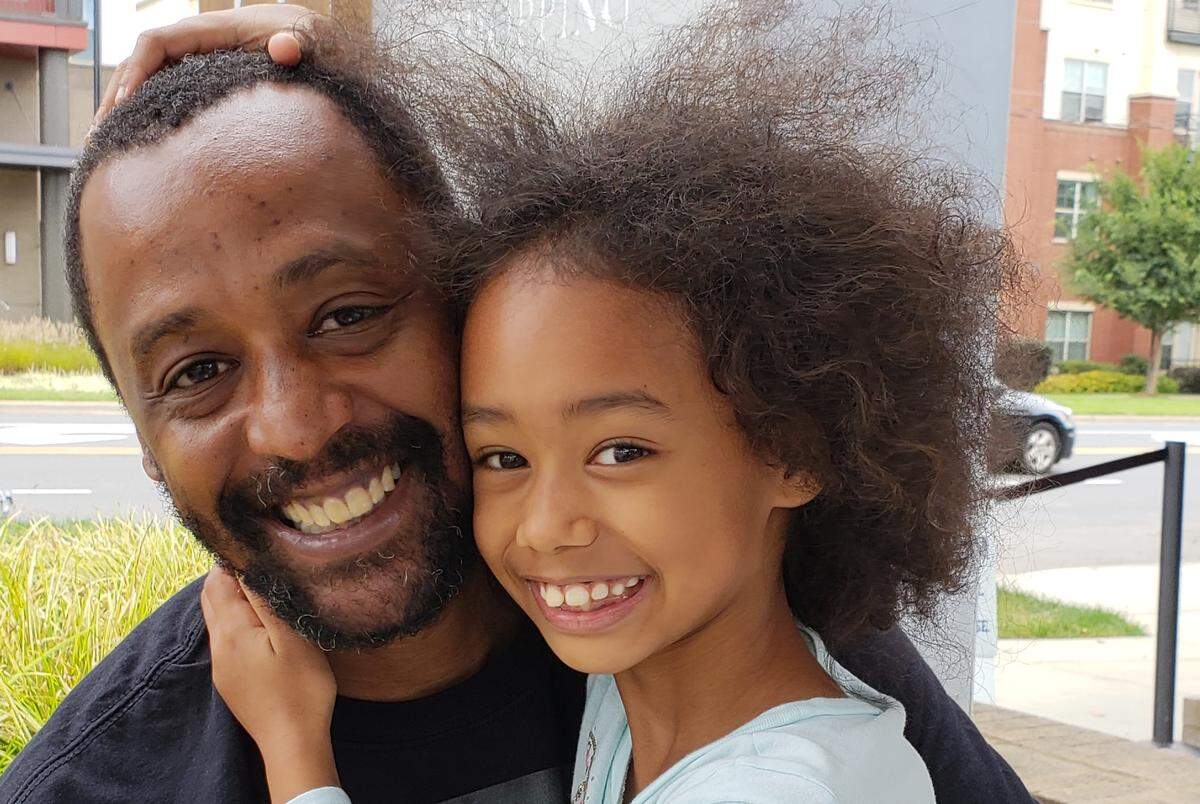
In 2011, as a young bachelor with no kids, I moved to Tokyo, Japan, to marry my wife. Nine years later, with my family, I returned to the States at a time when the U.S. is in more tumult than it has been since The Reconstruction era, when white terror was, as it is today, a means of maintaining dominance.
‘They shot another Black guy today’
From Japan, coming to America was like leaving protected land and entering the killing grounds that are all too familiar. “They shot another Black guy today,” I overheard a white American man say in Tokyo. A white police officer in Kenosha, Wisconsin, had just shot unarmed Black man Jacob Blake seven times in the back, in front of his three young sons.
Eight days later, Los Angeles deputies would shoot unarmed Black man Dijon Kizzee 15 times, killing him. While in Japan, thinking about going back to the States was the first time that I ever felt like part of an endangered species. If that white American man’s voice was the barrel of a gun, then it was pointed right at me.
“What are they talking about, dad?” my daughter asked me. Having just moved from Tokyo a few weeks ago, we were settling into our new lives in Charlotte, and I was watching the press conference being held by Breonna Taylor’s family. I told her that the police shot and killed a young innocent Black woman just like her, and they got away with it. My child collapsed into my lap and wrapped her arms around my neck.
Practicing hands in the air, ‘I am unarmed’ — with a 7-year-old
We’ve already rehearsed with her what to say and do. Putting her 7-year-old brown hands in the air at the dinner table, she announces her name and says, “I am unarmed.” I tell my daughter that Daddy won’t let anything happen to her. I tell her that she’ll be OK, that she has to be strong, to think for herself, to not follow, to show empathy.
I tell her things that kill her innocence.
And I say, “I love you” to my daughter. Considering all the mistakes that I have made as a parent, making sure that I tell her that every day, is to know that I did at least one thing right.
In Tokyo, sitting on a park bench late at night is safe — even with headphones
Living in Tokyo for nine years and not having to be afraid of losing my life was like a luxury. Late at night sitting on a Tokyo park bench, blasting Quelle Chris through my headphones, I’d stare at the stars and the trees, never worrying about someone grabbing me from behind or slitting my throat.
Other park-goers jogged, played basketball, couples enjoyed the night, teenagers rode bikes, a Buddhist repeated a prayer out loud that could be heard from far away.
“Watch out for possums,” my wife would tell me. It’s not perfect.
Walking around Charlotte at night is a culture shock
In Charlotte, walking around at night I see the remnants of violence from gentrification. The homeless and the desperate aimlessly wander the sidewalks. I know it’s not safe for me to be walking around in the dark, listening to existential rap music. There’s no place to think. Part of my reverse culture shock is no longer having a heightened degree of vigilance, but it’s steadily encroaching upon me. Knowing that most Black Americans may never experience life outside of America’s borders is a kind of survivor’s guilt.
Telling my skin folk that I just came from the other side of the globe is like stating the unimaginable. “You said, ‘other side of the country?” a Black man asked me. “No, the world,” I said. Having been stuck in Tokyo during the COVID-19 pandemic was like escaping the plantation.
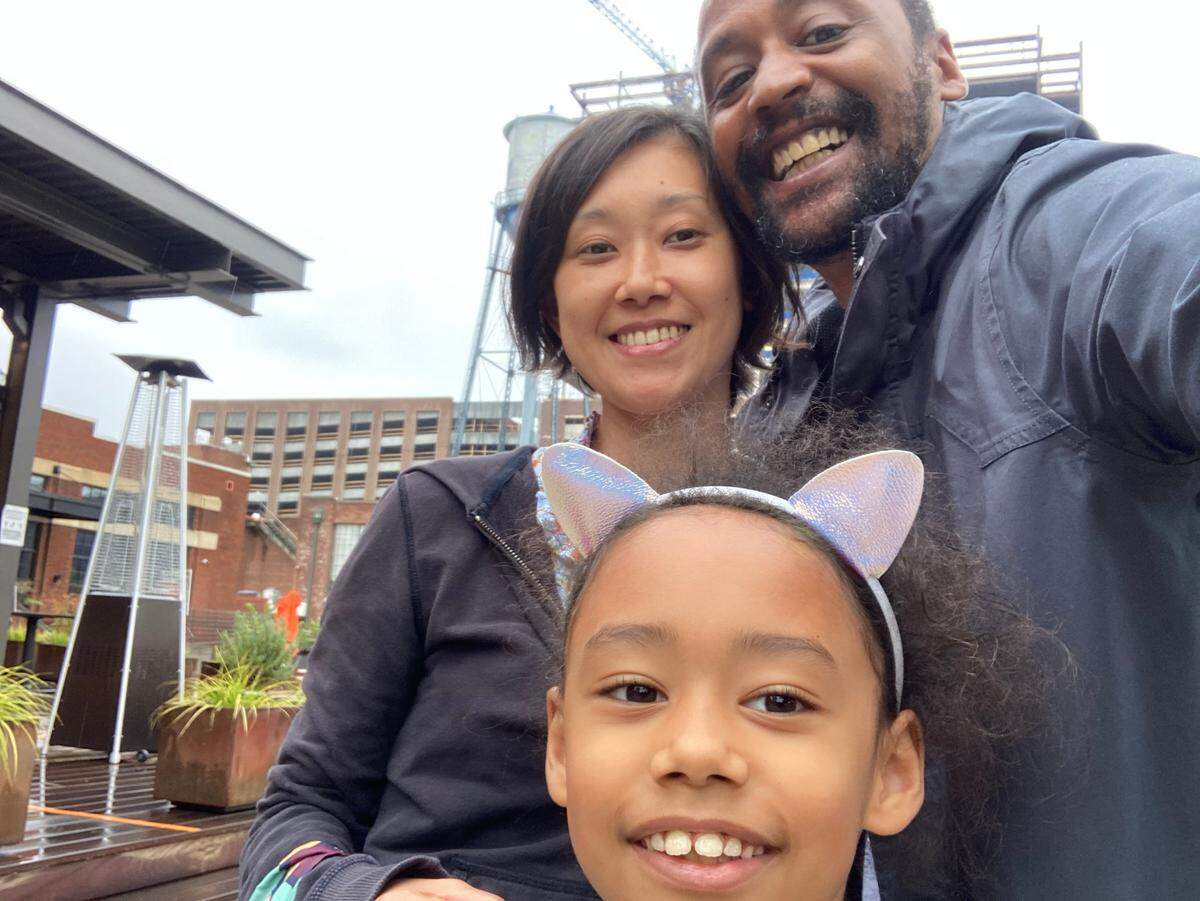
“How are they (the Japanese) handling the virus and everything over there?” an old white lady asked me at Harris Teeter grocery store. She was the cashier ringing me up, determined to make sure that I get a VIC card for a discount. We were waiting for my wife to sign us up for the card and bring it back.
“How is it over there?” she asked.
“Peaceful,” I said.
“Do they wear masks and all that?” she said.
“Yes, over there it’s normal. If someone is sick, out of respect for you, they wear a mask to protect other people from getting sick,” I said. She seemed startled and intrigued.
After I got my discount, bought groceries, and thanked her (while unconsciously bowing), she tossed her hands up as I pushed our shopping cart past her register. “Well, welcome to Charlotte.”