What does it mean to be white? Charlotte church works to teach anti-racism
“White people are trapped in a history they don’t understand and until they understand it they cannot be released from it.” — James Baldwin, “The Fire Next Time”
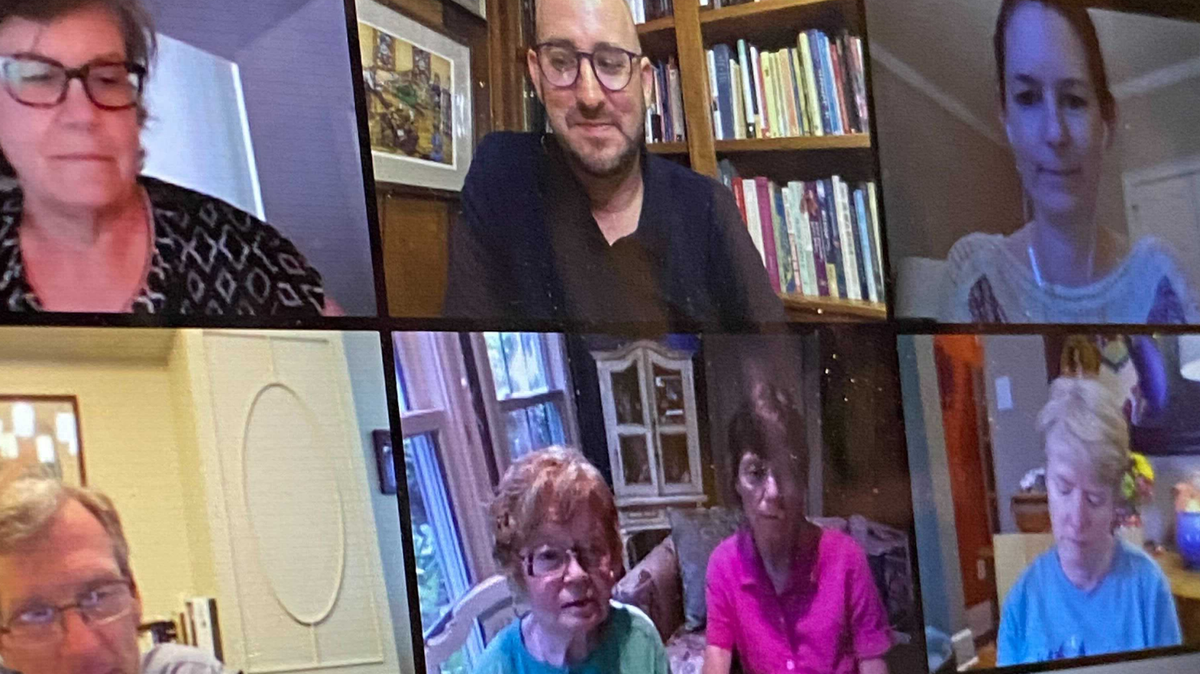
Baldwin’s quote is featured at the top of a page on Myers Park Baptist Church’s website, inviting its parishioners to explore answers to this question: “What does it mean to be white?”
Why exactly is a local church, with predominantly white members, asking itself about its own whiteness?
This program, which forms monthly, is a 6-week anti-racism training conducted by the Rev. Ben Boswell. Born out of a desire to add substance, direction and honesty to conversations by participants about racism in response to the threat of white supremacy, Boswell’s program uses the texts of Black authors to educate primarily white audiences.
“I realized that part of the problem was that white folks in predominantly white congregations were approaching the issue of race as if it was someone else’s problem,” Boswell told CharlotteFive.
“It’s as if (white people assume) it is a problem in the Black community and (we were incorrectly assuming) we were sort of doing an act of kindness by even talking about it, and that’s why these conversations often were not going anywhere. And we had to do something about that.”
Starting a program on whiteness and anti-racism
A Duke University graduate who recently received the MLK Medallion Award from the city of Charlotte, Boswell, who is white, said he came to a racialized awakening in 2010 while working on his doctorate. The following few years saw Michelle Alexander’s publishing of ”The New Jim Crow,” the shooting of Trayvon Martin and the beginning of the Black Lives Matter movement, all while Boswell was raising a Black daughter.
“My daughter’s life is in that period of time, and I was pastoring churches: all progressive, predominantly white congregations in suburban contexts. Every time something would happen, we would get involved in another conversation about race as a church, and I kept finding that the conversations, even as hard as we tried to make them deep and to make them powerful, we continued to hit up against a number of roadblocks.”
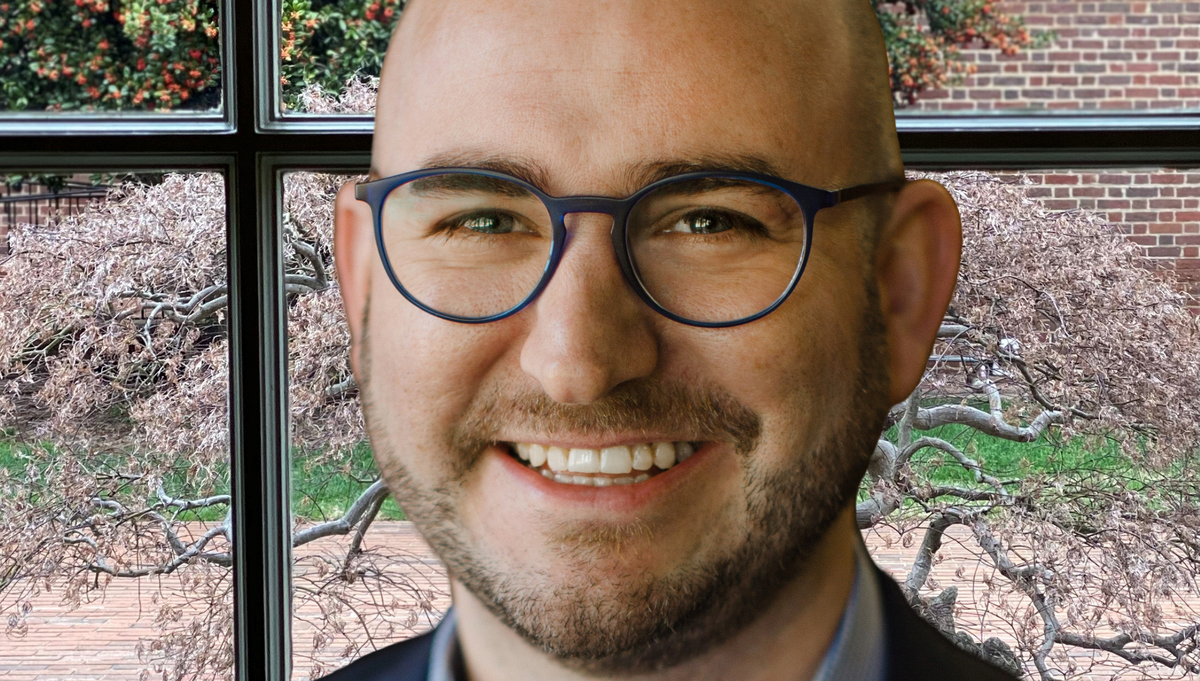
In order to overcome many of these roadblocks himself and more broadly as a congregation, Boswell crafted a six-week, academic syllabus “for the purpose of aiding people racialized as white in our ability to see ourselves through the eyes of Black people.” Boswell hoped to recontextualize whiteness as a racialized identity that often goes unmarked and deemed to be a default in the United States, leaving non-white identities to be “otherized”.
“Every time we entered into the conversation without dealing with our own white racial identity, we ended up being paternalistic,” Boswell said.
In this past decade, more Americans reported optimism about the future, rising from 54% in 2011 to 60% in 2018, but the buck often stopped at equal opportunity across racial lines. In 2018, perceptions of equity in job, housing and education opportunities fell to some of the lowest numbers since the 1980s among Black and white adults surveyed in the United States.
Boswell’s goal was to develop a curriculum that would shift the burden of responsibility for systematic imbalances back onto white participants who need to “do their work” when it comes to understanding where this imbalance in perception and reality is actually stemming from.
After coaching an original group of 11 participants, Boswell has now trained other members of the church to become facilitators for community participants and has gone through the program with three groups outside of his congregation. He hopes participants will come away with a deeper understanding of their own relationships with race and continue participating in conversations about whiteness and the systems that it perpetuates.
Using black voices for white audiences to craft the program
Boswell’s “What Does It Mean to be White?” program consists of six weeks in which participants write their racial autobiographies. Each week, the participants view a racially-focused movie or documentary and read two to three texts by various Black authors, including James Baldwin, Malcolm X, W.E.B. Du Bois and Toni Morrison. Participants keep a personal log of their relationship to race that is then mapped against the experiences of these Black authors.
Boswell often invokes Morrison’s quote that, “White people have a very very serious problem, and they should start thinking about what they can do about it. Take me out of it,” holding fast to the notion that everything that could be written about the Black experience in America at the behest of white benefactors has already been said. Still, he believes that holding himself and his facilitators accountable to the curricula they are teaching is imperative.
To help with this, Boswell connects with Davidson anti-racism curriculum specialist Lucretia Berry, the founder and president of Brownicity, an agency that fosters education designed to inspire a culture of belonging and justice.
“As an accountability partner, I have met with [Myers Park Baptist] twice so far, and I’m actually relieved with their commitment to and pasture of this learning, their humility and, of course, acceptance,” Berry told CharlotteFive. “They take full responsibility of the learner and the educator.”
To avoid potentially tokenizing or defaulting to a participant of color in the room, Berry strictly chats with the Myers Park facilitators and not with anyone going through the program.
“I would love to sit in on a session,” she said. “But I know that would change the dynamic of the learning environment. You learn to be accountable in this work and not default to the person of color and to assume that a person of color knows the complexities of anti-racism.”
Taking part in an anti-racism program
With the one-degree-removed supervision of Berry, Boswell has engaged in productive discussions about race and whiteness with his ministry.
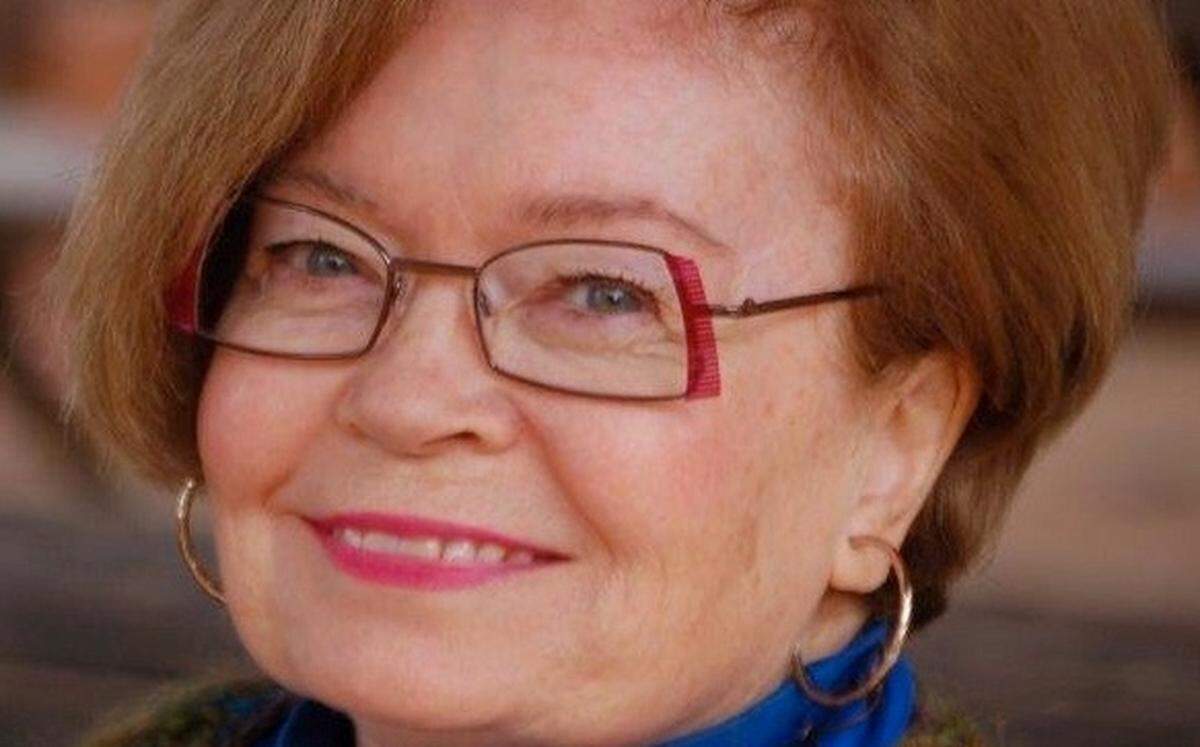
“I was a bit nervous about venturing into the unknown format and the potential ‘prickliness’ of the subject. “But mostly, I felt inquisitive,” said Carol Reid, a lay leader at the church.
“Ben came up with a response to this feeling of, ‘What can we do,’ to lead us all through, and we’re grateful for that,” Reid said. “I’ve looked at history and seen a different history than I was taught in school or what I taught myself in school when I was an educator.”
Racial implications of education have been a topic of national debate. While nonprofits such as the National Association for the Education of Young Children promote resources surrounding the importance of learning about race and unlearning racism from an early age, the previous Trump administration condemned education about race as not “pro-American”.
“The mask was torn off as I’m learning to see whiteness that is in the ether, that is in the zeitgeist of who I am and who my family has been,” Reid said. “My ancestors had opportunities and privileges that they took for granted and that I took for granted, inheriting some of those same openings and the accumulations of wealth through those opportunities that opened doors for me that I would not have had if I had been a Black person growing up in N.C.”
Marcy McClanahan, the chair of the church’s Board of Deacons, said Floyd’s death sparked a revelation for her over the summer of 2020. McClanahan is white, and she and her wife also have an adopted daughter from Guatemala.“The words I’d use to describe that first day include anxious, excited and overwhelmed with the weight of the topic,” she said.
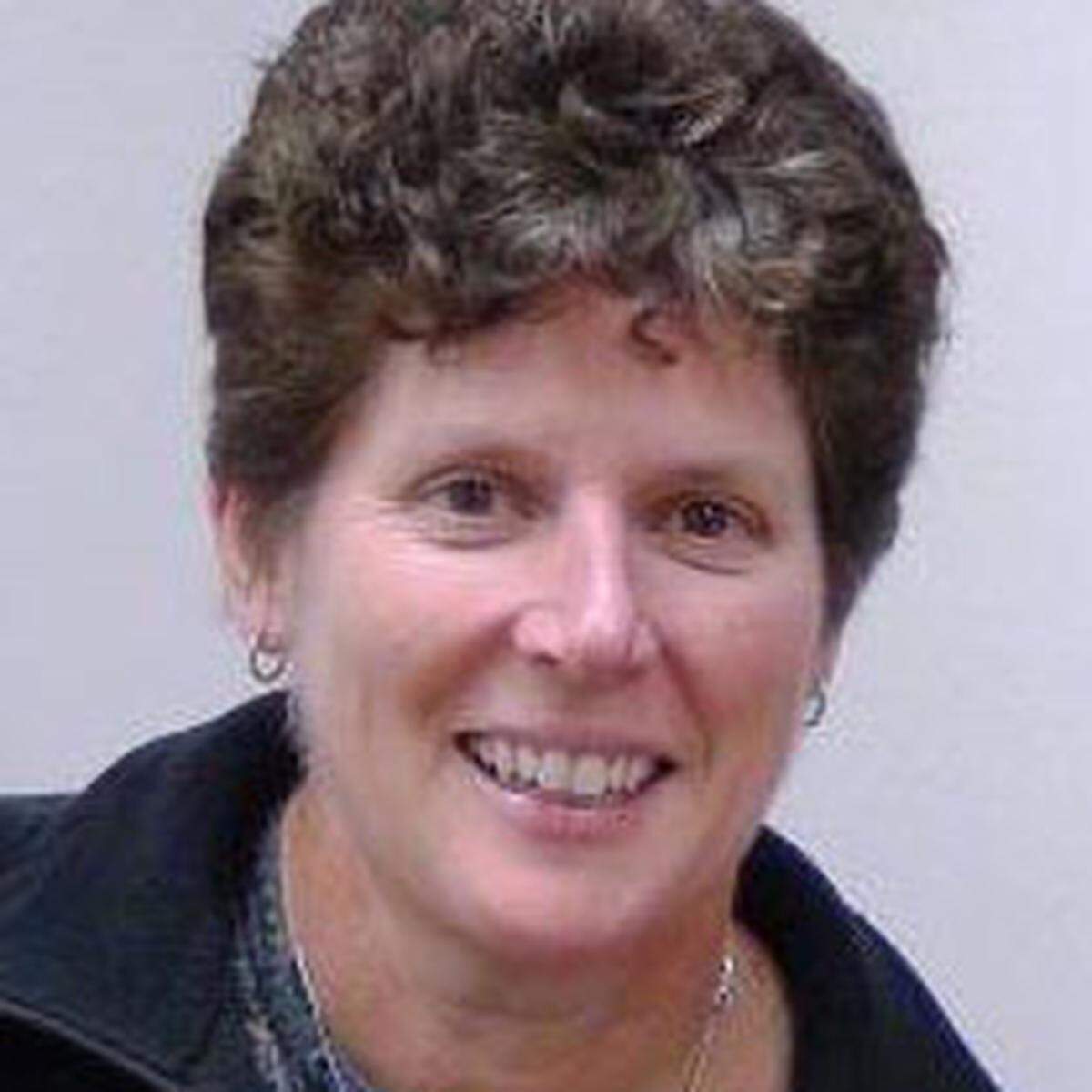
“What we’re taught in school is a very prejudiced part of history. I think it’s important that we all do work and that we educate ourselves. One thing that the course taught me is that I’ve always seen white as the ‘norm’ — white is “neutral” and everything else is a racialized thing. When you really think about that, it’s appalling that that’s how I’ve always thought, and it’s incredible that we think that way.”
Carrie Veal, minister of Children and Community Life at Myers Park, grew up in nearly every Southern state in the U.S. She said she’s known of her prejudice and privilege, but joined the program to learn more actionable steps to make a difference.
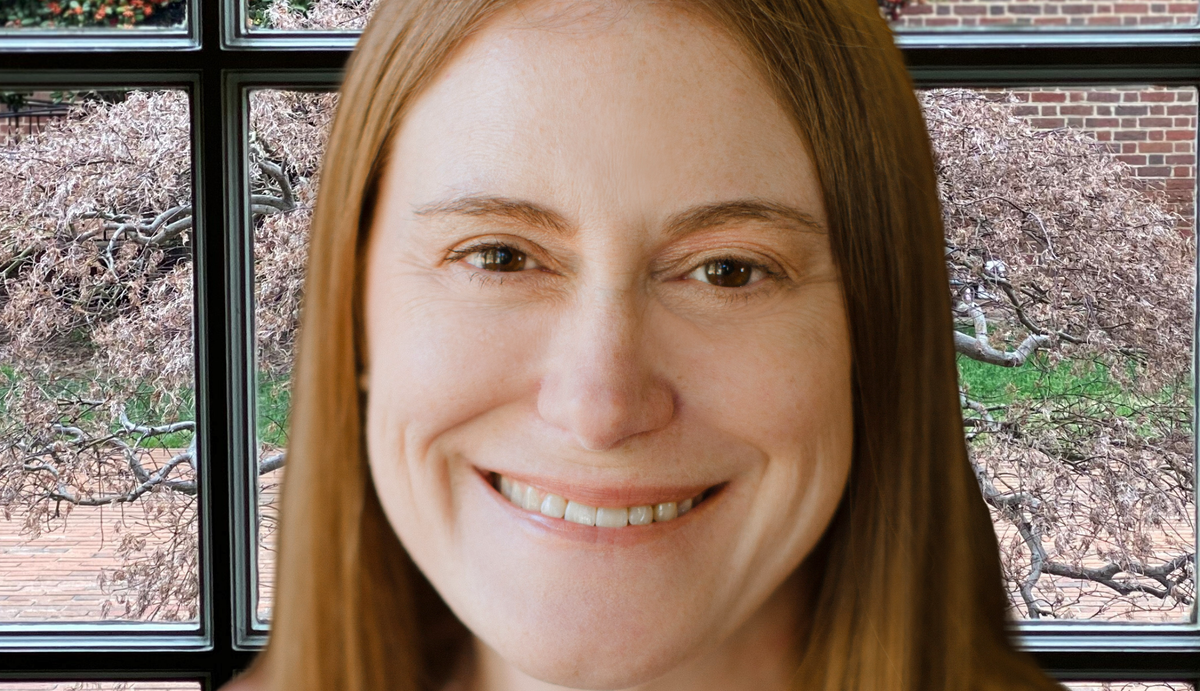
“I needed better language,” Veal said. “I wanted a better framework and better language to be able to have conversations with parents that come to me saying, ‘How do I talk to my kids about race?’ We needed to step away from looking at it with one perspective and needed to do the inward personal work first, and that’s what this program taught me.”
Reshaping the conversation on race
In the wake of 2020, a year of racial unrest, Boswell wanted to confront head-on many of the visceral responses that white audiences can have when approaching conversations about race.
“One of the pieces of fragility that I see the most is denial — that primary white psychological space is a place of denial, and the reason why that is so problematic is that it means that white people are always coming up against Black people in society from different places,” Boswell said. “Black people are coming from a history of 400 years of generational trauma, and white people are coming from a history of 400 years of denial — and denial and trauma don’t really talk well together.”
Much like working out a physical muscle, Boswell encouraged those going through the training to gain racial endurance. “The whole process to me is about building white stamina. It’s like exercising our muscles so that we’ll be better prepared not to walk away from the exposing reality of looking at our past and our history and being able to really live in reality without shrinking back into denial.”
Boswell also recommended focusing on systems as opposed to individual experiences in order to find common ground.
“The reason we need to do that is people are often not aware of the systems that they’re caught up in. What that does is create a level of empathy for who you’re in dialogue with. Looking at whiteness created tremendous empathy in me for people who would radically disagree with the way I could describe America or the world or the white church. Whiteness was created intentionally to divide people over racial lines.”
McClanahan noted that Myers Park has a “Black Lives Matter” banner hanging outside the church. “We get a lot of feedback about that,” she noted. “One of our sweetest members asked if we could soften it to ‘All Lives Matter,’ and we had to go back through the logic of the history of how Black people are simply treated differently than white people in this country, still to this day.”
“The phrase Black Lives Matter we see as a rehumanizing phrase for people who have been dehumanized for 400 years,” Boswell added. “‘All Lives Matter’ is not clear or specific about who has been dehumanized and throws everybody in the same boat.”
To create an anti-racist society, where do we start?
Myers Park Baptist has created a $20,000 grant for Restorative Justice Charlotte, which seeks to “firmly set Charlotte on a path to addressing the persistent opportunity and wealth gaps that stem from a long history of discrimination and injustice in the city.”
“For us, it’s just the beginning,” Boswell said. “Justice is always backward and forward looking. There will be a lot of efforts that claim to be racial justice, but they’re only forward-looking. While that may seem daunting, it is something that we have to think about or else it is not truly ‘justice.’ Justice has to do something about what happened in the past and look forward to creating a more just and equitable future.”
He noted the segregation of schools in Charlotte as a continual problem. In 2019, the Charlotte Mecklenburg Schools system was named the most segregated in the state for the second year in a row.
“We have to look hard at ourselves and our own systems and participation in those larger systems of white Christianity in America. It was Christians that came up with colonialism, chattle slavery, Jim Crow, and now electing politicians who have maintained this system over and over again. Wrestling with whiteness is not one of many tasks; it is the most important ministry that we can be doing right now.”
McClanahan said she wants to be more thoughtful about systems that we operate in and encourage her peers to do so also. “The course itself made me see myself through the eyes of Black people and it’s not a pretty picture,” she admitted. “Be kind to people, and be hard on systems. We’ve got to start focusing ourselves on changing the way the systems are prejudiced against people of color.”
If you would like to participate in the program, which is virtual during COVID-19, you can sign up online using the registration form on Myers Park Baptist Church’s information page. If you are interested in inviting Boswell to facilitate a “What Does it Mean to Be White?” training for your organization, company or community, contact Carol Cedar at ccedar@myersparkbaptist.org.