She’s not a white, bearded bro, but she broke into Charlotte’s brewing scene anyway.
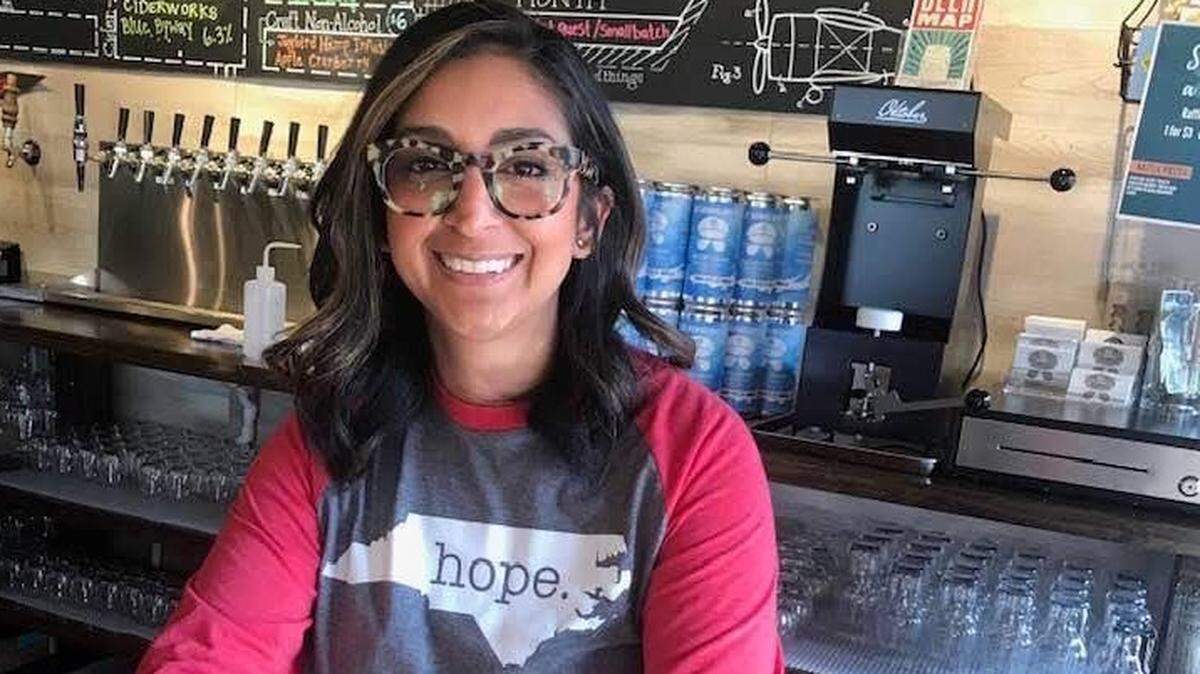
As a child growing up in Miami, Razia Gonzalez could make a compelling argument for just about anything.
So, it was no surprise to her — or anyone in her family — when she went on to earn a bachelor’s degree in criminal justice. She was a natural lawyer-to-be.
Except, after enrolling in a summer law program, she learned one key fact: She hated it.
She didn’t like the by-the-book approach that kind of work required, where there was one process and you didn’t deviate from it.
Joy in brewing beer
One thing that did bring her joy, she had simultaneously discovered, was homebrewing. She had picked up the hobby in college, and one of her favorite things about it was that you could follow any number of paths to get the results you wanted.
“I’ve always just loved every aspect of beer itself,” Gonzalez said. “And I wanted to be part of the community that created that. It’s almost like being able to create a little bit of magic.”
Turns out beer brewing, not lawyering, was Gonzalez’s actual calling.
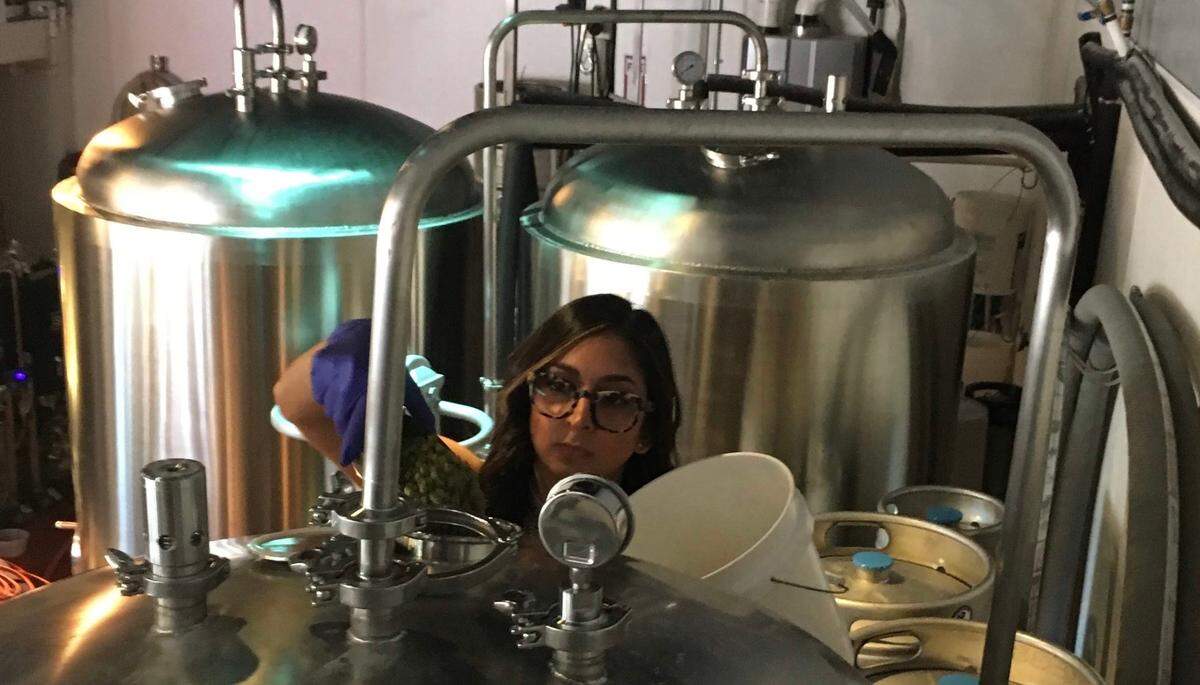
She refocused and earned a Master of Business Administration with a focus on marketing, and spent the next decade in digital marketing and social media. She continued to homebrew during that time, honing her craft and learning more about the brewing process and beer styles. She found herself drawn to the art and science of brewing, its history and the way styles evolved over time due to the surrounding environment, culture or technology.
After a decade of homebrewing, she decided to give it a go professionally. So why did it take her four years to get two interviews in the beer industry?
Gonzalez thought her marketing experience could get her into the beer industry, and that eventually she could make her way to the production side.
Gonzalez is 5’3” — and not white, bearded or male
But production jobs often require production experience. That could mean actual time in the brewhouse, or something like packaging or cellar work.
“Oftentimes those jobs are few and far between,” Gonzalez said. “And for the most part, they’re going to go to someone who isn’t 5’3” and a hundred pounds soaking wet.”
Gonzalez is the first to admit that she’s had to find workarounds due to her size. Instead of lifting the 45-pound grain bag over her head and into the mash tun, she splits it into separate buckets. She needs to use a stool to stir the mash.
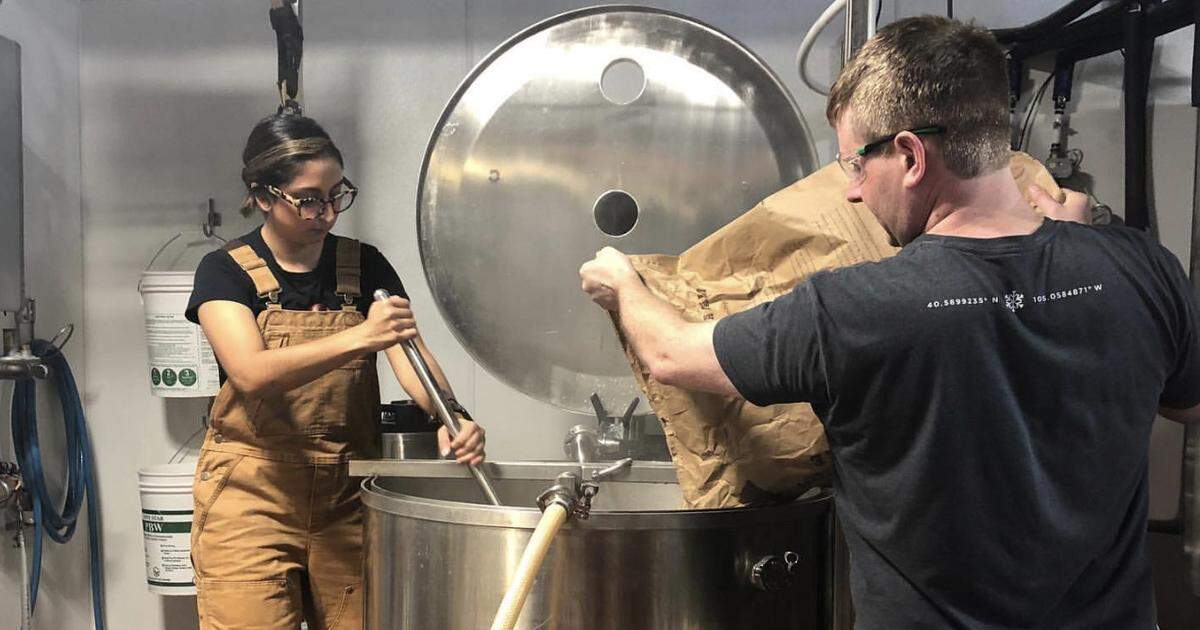
She still suspects, though, that her size and sex are the reasons it took her so long to be hired as a professional brewer. Gonzalez applied for various beer jobs for two years before getting an interview for a marketing position. Two years after that, she got her first interview for a production position at Pilot Brewing.
Her story stood in stark contrast to the experience of her friend, a “white, bearded male.” Within two months of applying for jobs he had three interviews and was eventually offered a production role, despite only having a couple homebrews under his belt at the time.
Pilot Brewing owners ‘took a chance’
Though she lacked experience on the production side when she joined Pilot, founders Rachel and Jeff Hudson could see she was passionate about beer and that she had more than enough homebrewing experience.
“They took a chance, and I think it’s important for us to continue doing that — especially if we’re trying to diversify our industry,” Gonzalez said of the Hudsons. “Making it purely based on your experience is not going to get you there.”
As one of Pilot’s brewtenders, Gonzalez splits time between the bar and the brewhouse, where she handles brewing, cellar work and recipe development. She also helps the brewery with marketing and social media. And while the Charlotte beer community has been incredibly welcoming, she couldn’t say the same about her time in Florida. Over the course of a year in Miami, Gonzalez received only one interview for a position in beer, and it was the month before she left for North Carolina in 2016.
Pursuing education
Gonzalez said she often hears that women and people of color don’t want to brew or drink craft beer, but that runs contrary to her own experience as a brewer and a drinker.
Gonzalez, who hopes to one day open her own nanobrewery, recently won a Talent On Tap Scholarship from City Brew Tours after writing about her experience.
She will use the $1,100 scholarship to continue her education in the beer industry by taking the Level 2 Cicerone Certification exam and yeast management courses through White Labs.
“I think the education piece is what’s really helping to diversify the industry,” Gonzalez said. “These classes are expensive. If you’re providing these resources and these experiences to people of color, you’re creating more space for them to learn.”
.JPG "IMG_0639 (1).JPG")
Efforts like the Talent On Tap Scholarship — as well as Eugenia Brown’s Road to 100, the Pink Boots Society and The Michael James Jackson Foundation — will go a long way in helping many pursue careers they might never have considered, Gonzalez said.
“It’s creating these opportunities, taking down some of these barriers to give them the education they need,” Gonzalez said. “To be able to say, ‘Hey, I can be a part of this, because I traditionally haven’t been.’ I think once we remove the educational barriers, we’re going to start seeing more people who feel qualified apply for these roles.”
Diversity in breweries: Representation matters
In her scholarship application, Gonzalez also wrote about the perspective she’s gained from her father, who is deaf, and her late mother, who used a wheelchair. As someone who has occasionally been overlooked at breweries as both a drinker and brewer, she thinks brewery owners can and should do more to ensure their taprooms are welcoming to all. That could include diversifying the type of music playing, the type of beers served, the people serving those beers and the ways breweries support and engage their respective communities.
“We don’t want to fit into some box of diversity,” Gonzalez said. “We don’t want to say, ‘Well we’re trying to diversify our team, and we want to make sure we employ two to three minorities.’ That’s great, but at the end of the day what are we doing to improve the number of qualified applicants in those spaces? Simply waiting for someone’s application to fall on the table, we’re past that at this point. We can’t keep waiting.”