
‘If they don’t do Black skin, I’m not going’: Charlotte’s tattoo diversity gap
Tattoos are a beautiful way of expressing our personalities to the world. From American traditional to black and gray, the tattooing industry has a plethora of artists that have different styles so customers have options that fit what they want on their body.
Charlotte’s tattoo scene is flourishing with different shops popping all over the Queen City. However, there seems to be something missing within the tattoo community — finding an artist with experience in darker skin.
Walking into a tattoo parlor, you might be assaulted by ear-splitting hardcore rock music, the buzzing of the tattoo gun and greeted by a tatted up, often white, tattoo artist who rarely has a welcoming smile on their face.
It is not always an inviting environment, especially for a person of color. What could be an exciting, life-changing experience can turn into a nerve-racking encounter that many people of color do not want to have again.
Getting a tattoo is already intimidating enough.
Tattoos on dark skin
Scarring from tattooing, called keloids, occurs more frequently on dark skin. It happens when tattoo artists press harder or overwork the skin, thinking the result will be more vibrant colors. According to Billy Harris, owner of Charlotte Tattoo Company, “The truth is, the darker skin, the softer it is.”
“You have to go lighter and use bolder lines,” he says.
Tattoos can be traced back to many ancient civilizations including ancient Egypt. Female mummies have been found to have markings on their thighs, abdomen and breasts. Darker pigments like soot were pricked into their skin with needles tied together. The procedure is more cautious in today’s society with the use of a tattoo gun.
Techniques have been perfected. Artists use different needles for various methods. Tools such as liners and shaders are used to give certain effects to the tattoo. For instance, a liner tattoo machine implements a sharp line onto the skin, and a shader creates shaded areas in a tattoo.
George Howard owns Off the Tracks Tattoo Shop in the NoDa arts district. Out front of his shop, colorful neon murals invite people into the tattoo parlor. Cool air whistles around the stations with various ink bottles carefully organized. Howard is currently renovating one side of the building to expand.
He is a black-and-gray realism tattoo artist, originally from Los Angeles. Howard says his Chicano family background influenced the method of his tattoos.
“My Uncle Sammy taught me how to make a tattoo gun when I was a little kid,” he says.
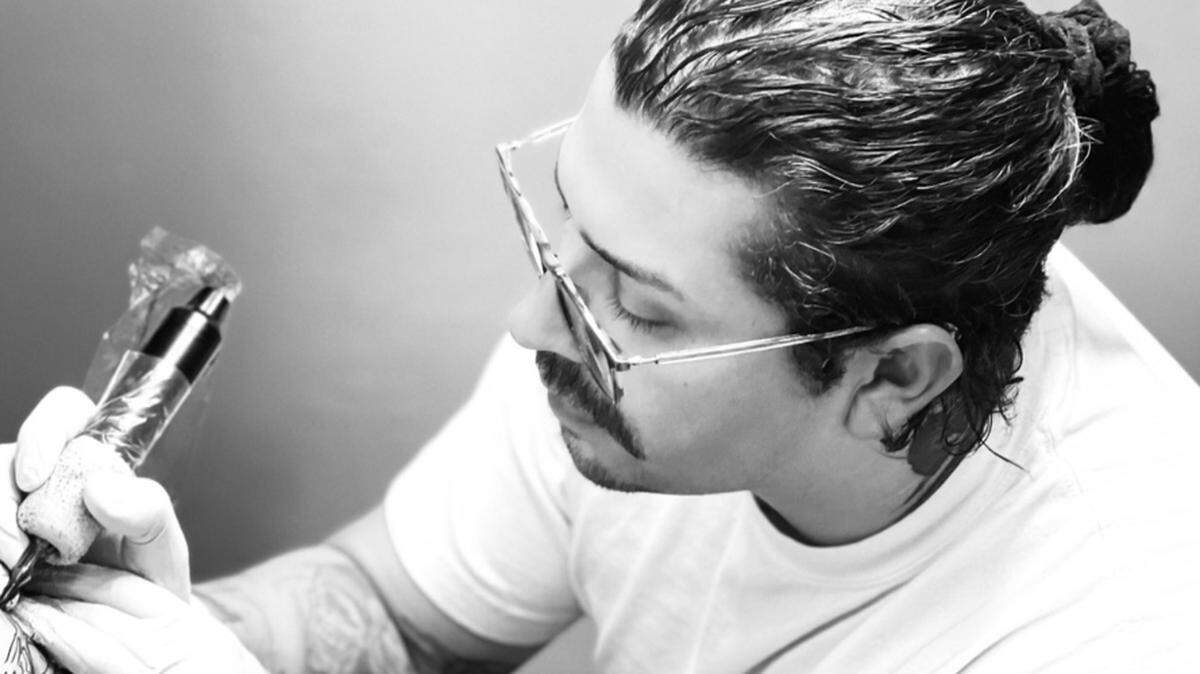
Howard’s Mexican family allowed him to see tattoos as normal. He got his degree in painting and decided to do apprenticeships. Now, he has 25 years of experience in his arsenal. He has tattooed many different skin tones and has an extensive knowledge in color theory.
“If I’m tattooing a dark skin person, I enter in with a really fine needle to break the skin,” he says.
He explains that using a shader afterward instead of using a lining needle to fill in the lines makes for a better tattoo.
“A liner will scar a dark skin person and give them a keloid because the skin is so sensitive.”
Diversity in tattoo artists
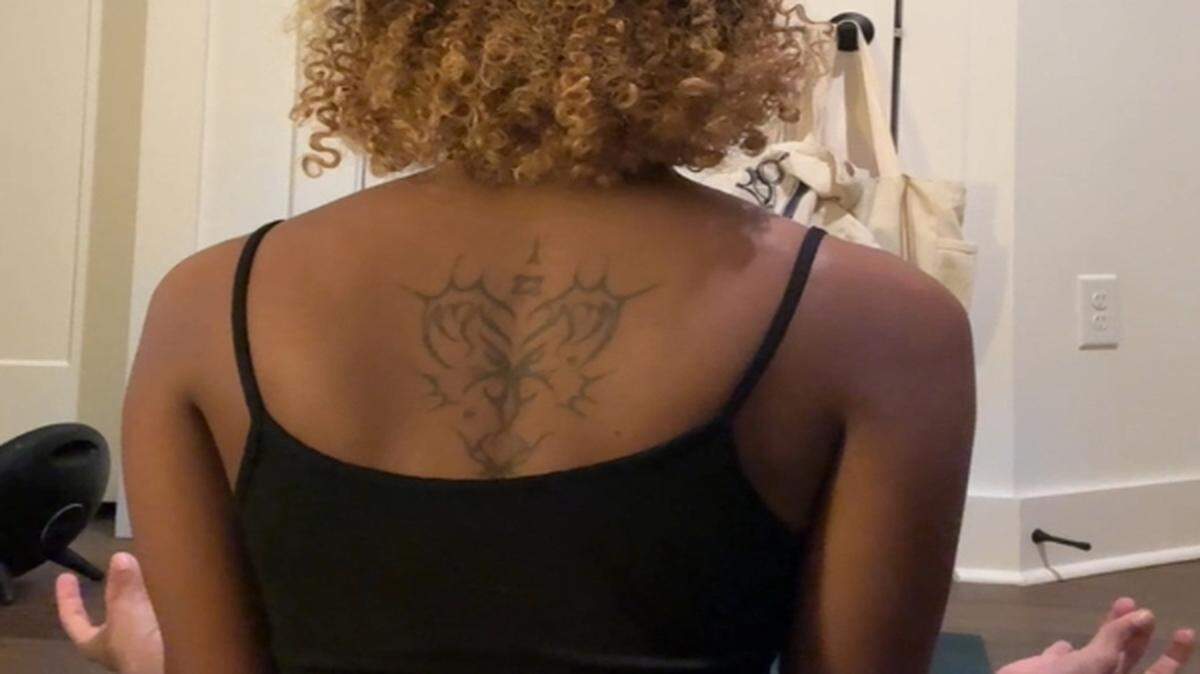
Tattoo enthusiast Amber Owens says we need more artists with experience in tattooing people of color in Charlotte. Owens’ tattoo style gravitates to gothic and cyber sigilism, which blends ancient symbols with futuristic elements. She says the scene in Charlotte needs improvement.
“(It) is not that diverse in my opinion, I only know a few Black artists — and fewer Black women artists,” Owens says.
The field remains dominated by men.
According to Zippia, the most common ethnicity of tattoo artists is white (57.4%), followed by Hispanic or Latino (20.0%) and Black or African American (9.3%). While it has grown substantially over the past decade, still only one-fourth of all tattoo artists are women.
Owens says that navigating the Charlotte area, looking for a tattoo shop with clients who are people of color can be challenging.
“If they don’t do Black skin, I’m not going,” she says. The yoga practitioner has a back tattoo that was done by a Black female artist in Charlotte.
She recommends people do their research before getting a tattoo and says that Charlotte-based tattoo artists need to diversify their studios while also showing that diversity on their Instagram pages, a place that has become a popular showcase for tattoo artists to display their work.
Queens University News Service stories are prepared by students in the James L. Knight School of Communication with supervision and editing from faculty and staff. The James L. Knight School of Communication at Queens University of Charlotte provides the news service in support of local community news.