‘A good balance’: Charlotte Ballet dancer at home in both pointe and running shoes
Charlotte Observer reporter Théoden Janes continues his series of interviews with influential, intriguing people who live and work in the Charlotte area — conducted while they run a handful of miles together. The hope is that the release of endorphins and dopamine will trigger responses that are less canned, less inhibited, more thoughtful, and more focused.
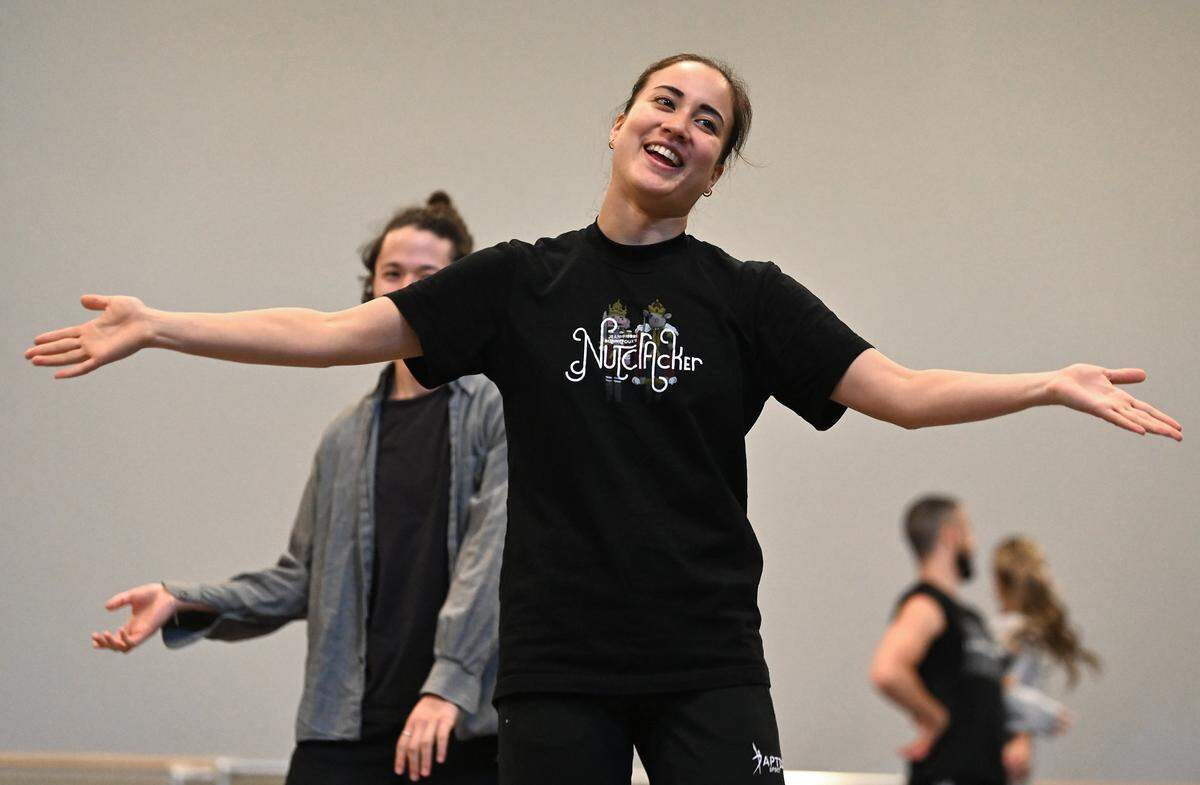
This week’s interviewee: Remi Okamoto, 29, a dancer from Japan who is in her third season with the Charlotte Ballet.
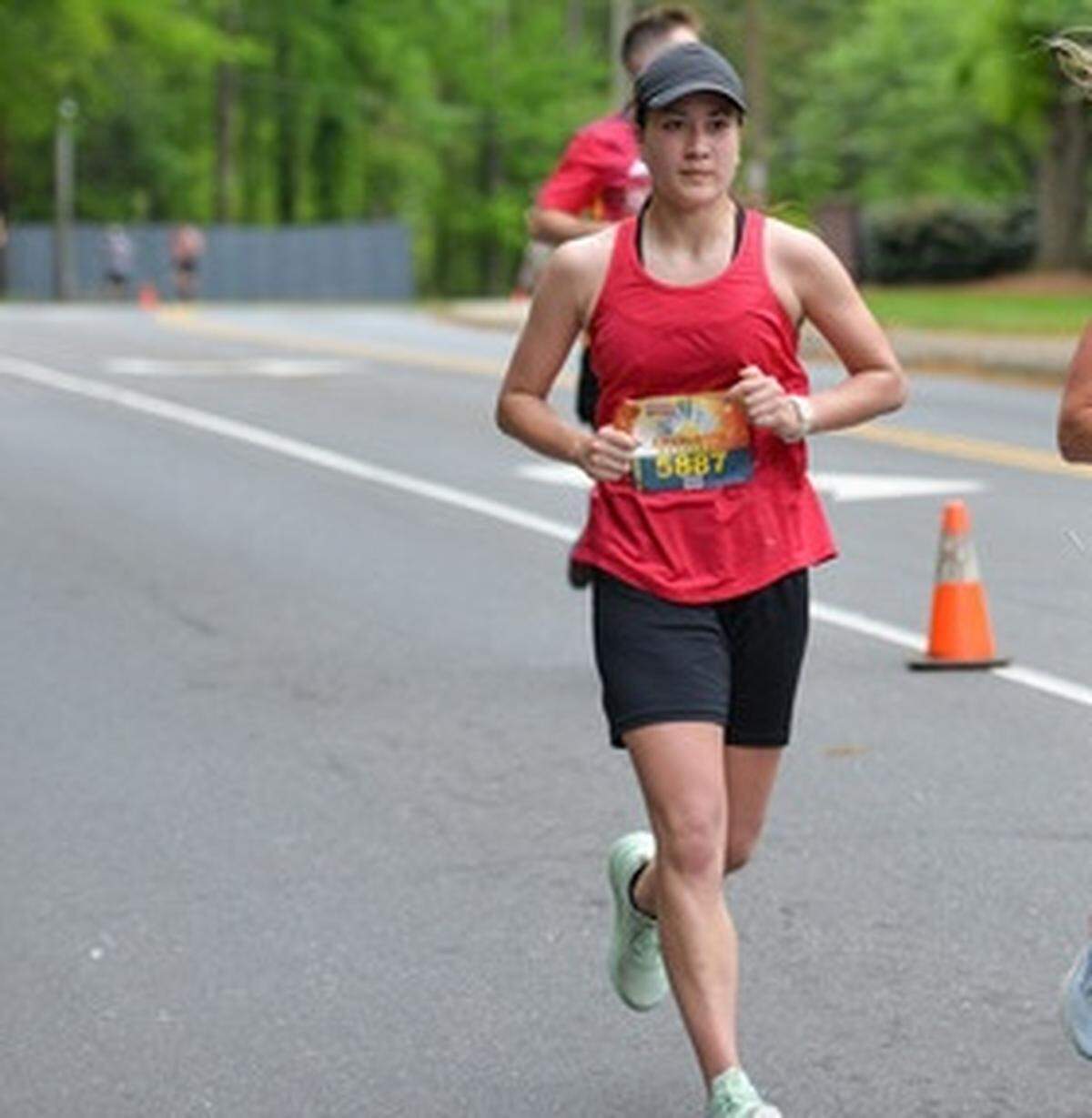
On her racing resumé as a runner: 1:51:53 at the 2025 Charlotte Racefest Half Marathon; 49:48 at the 2024 Asheville 10K.
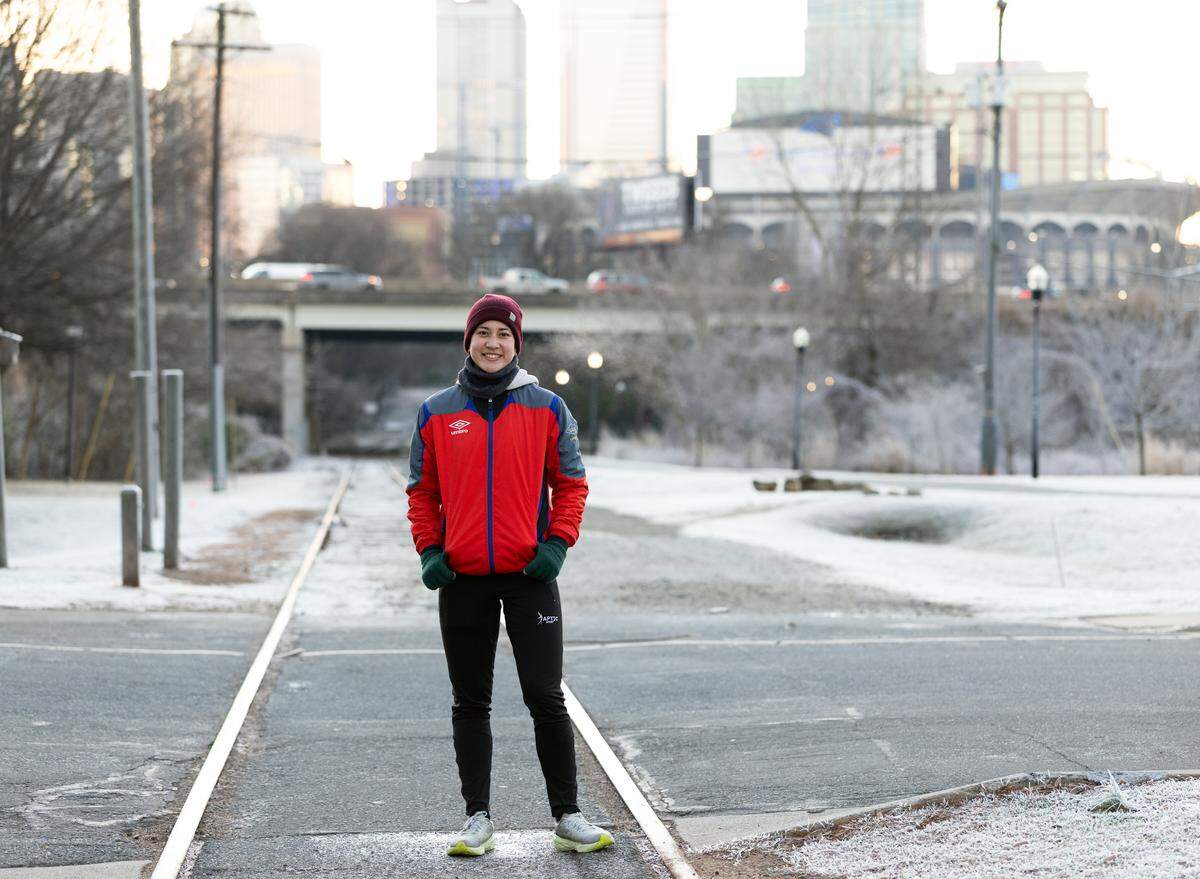
Where we ran for this interview: On the Wesley Heights, Irwin Creek and Stewart Creek greenways to the northwest of uptown Charlotte.
What we covered: The challenges of being an avid runner when your job is dancing professionally, the challenges of not having a car to get around a city like Charlotte, and 4.13 miles at an average pace of 9:00.
The conversation is edited to improve clarity and flow.
Q. Well, let’s start with this, particularly since we’re running on a very cold day and it looks like there may be a couple of icy spots: Does the company worry about your running?
I think they know me enough, that I will not pass the line of getting hurt from running. I feel like they trust me enough. I have a PT team that always helps us, and I communicate with them. Maybe I run too much this week, or maybe I start having this pain, and they say, “Maybe stop running a little bit.” Even the directors, they were happy about how I’m doing things to balance my life outside of work. So I have those supports from the company.
But no, I can’t get injured. This is my responsibility. Maybe it’s because I’m Japanese, but I can’t have an excuse, that happening in my private life.
So I try to be careful. I try to find a way to listen to my body and know when you can push it more, and when you need to have a rest, or take a break. I don’t want to be too tired after running to go rehearsal.
Q. Are there ways running complements your dancing?
Yeah, when I run in the morning, I’m already warmed up for the class we do every day — exercise class to develop some techniques. So I feel better, my body.
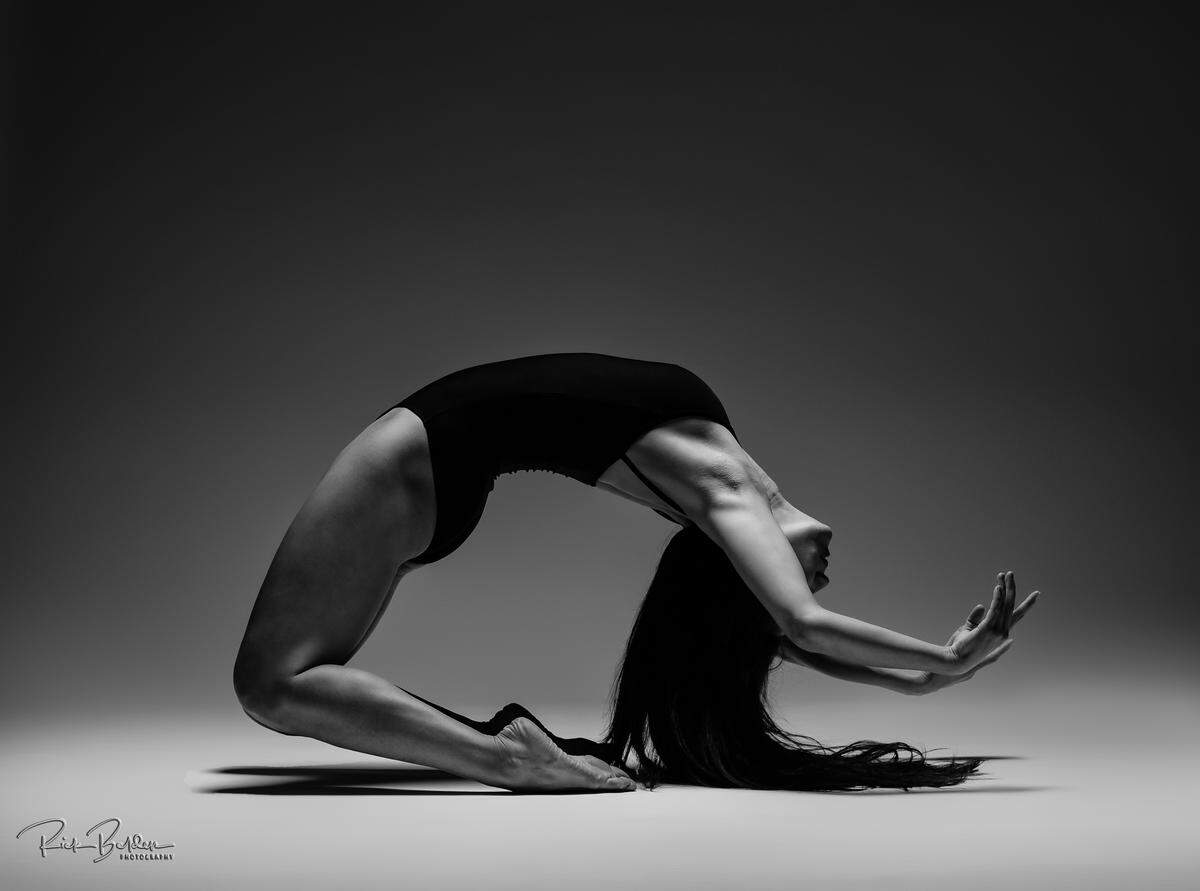
But then when we are doing something in a rehearsal that’s so cardio and so much body we use, I have to skip a little bit running. And when we start a show, I reduce a little bit of my running, because the show I have to be 100%. But because you don’t have the amount of rehearsal that I was doing or the amount of runs I was doing, you feel really like, Oh! It’s not easy. But you feel your body has much more energy.
Q. When did you start running?
Six years old. It was a local kids running group where I grew up in Japan.
I was fast at short distance when I was younger. I was fast as the boys at 50 meters or 100 meters. And my elementary school had a relay called ekiden — it’s a very Japanese thing. It’s a relay with long distance. It was big deal as a kid. So I was training for that, and I was also already dancing. I was doing ballet, too. Some of the week I’d go to running, and some of the week I’d go to dancing.
And then in junior high school, also, I was competing at 800 meters. But at that point, the ballet teacher was like, “If you continue both, you won’t (excel) in both. You need to focus dancing or running.” I needed to choose at that time, and so I chose dancing. I really stopped running. I was still part of the team as a manager, and I was helping other athletes compete, but I wasn’t running myself.
Q. When did you come back to it?
I came back to it, really, when I moved here to Charlotte. It was more maybe I thought, I can train differently, because dancers do Pilates, yoga, or some people do strength training also. And I just thought maybe coming back to running will help some other strengths, like mental strength. More focused, or maybe, When it’s very hard, you can go. You can go push through it.
But it seemed like something I should maybe bring back to my life.
Q. Are there any other dancers in the company who run as much as you do?
No. I always ask the dancers, “Come run!” And some people do, some once in a while, but it’s hard for the body to really get used to, and the dancing is so important for us that people don’t necessarily like to take a risk for that. Because I was running when I was younger, I kind of know. But that’s harder to really get used to with the dancing that we do.
Q. Have you ever had a running injury that impacted your dance?
Not necessarily a big injury that is always bothering me, but after maybe my left hamstring is always tighter than right side, so certain movement in dancing was bothering me, but not a big injury.
Again, I have to really listen to my body. I think a lot of runners tend to be like, “Oh, it’s just mental. We can push through it.” And growing up in Japan, the team was very strict — you can’t really say, “I have a pain.”
Q. What about injuries as a dancer?
As a dancer, we are never healthy. We never have no pain. You have always something.
Q. Maybe more so, then, you’ve had aches or pains or injuries from dancing that have impacted your running.
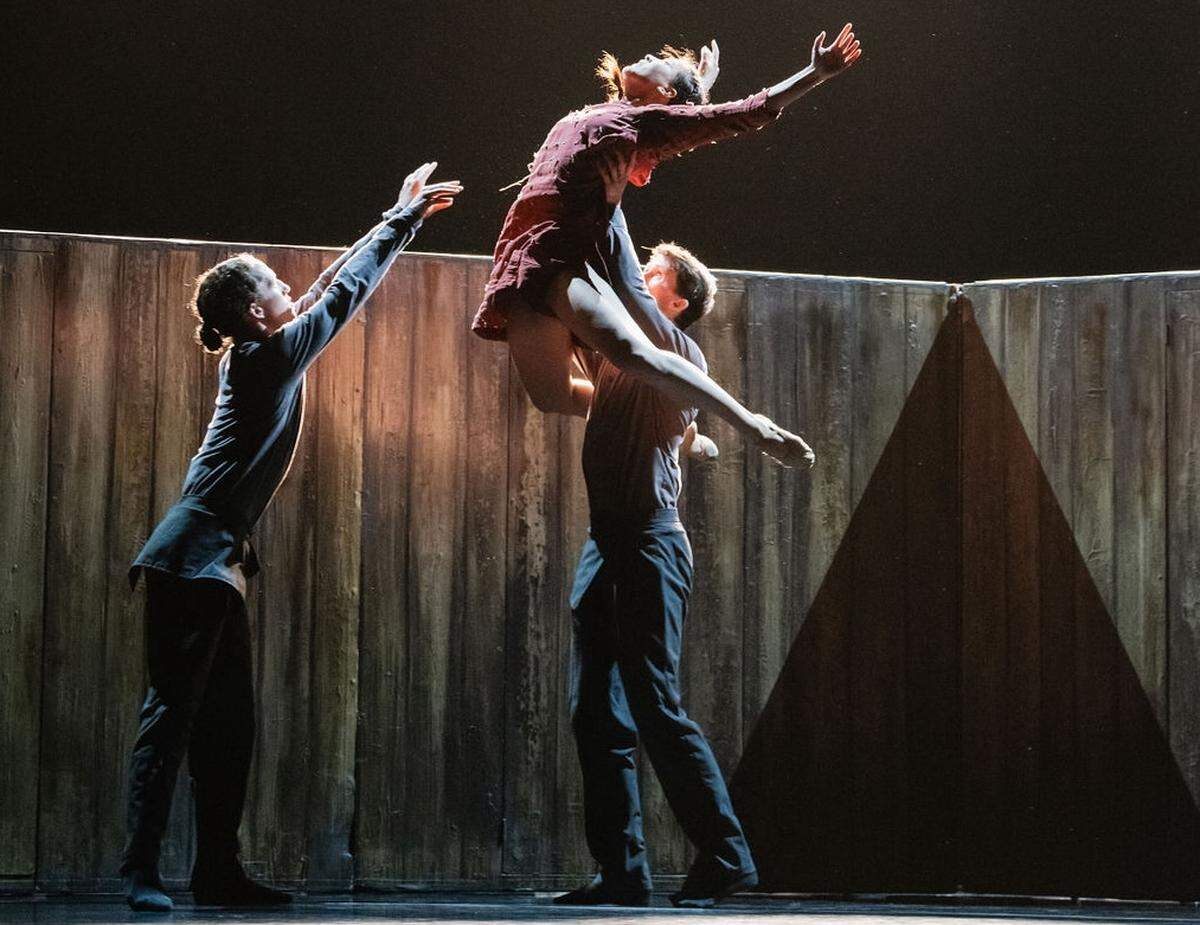
Yeah, more that. For example, when we dance in pointe shoes, on the toe, we use different muscles as a dancer, and those hurt my toe, my calf also more. And it’s different, because as a dancer, sometimes we have a long endurance piece that you need to dance long time, but we move very different things, not the same movement.
Running repeats the same movement. The impact is so different.
Q. All right, switching topics: You have a Japanese last name. But your first name is French?
Yes. My father is French. I’m mixed; I’m half. But he has never been in my life, so I’m not having contact. I grew up with just my mom — my Japanese mom. I was an only child.
I grew up with a very Japanese family. But she does speak French.
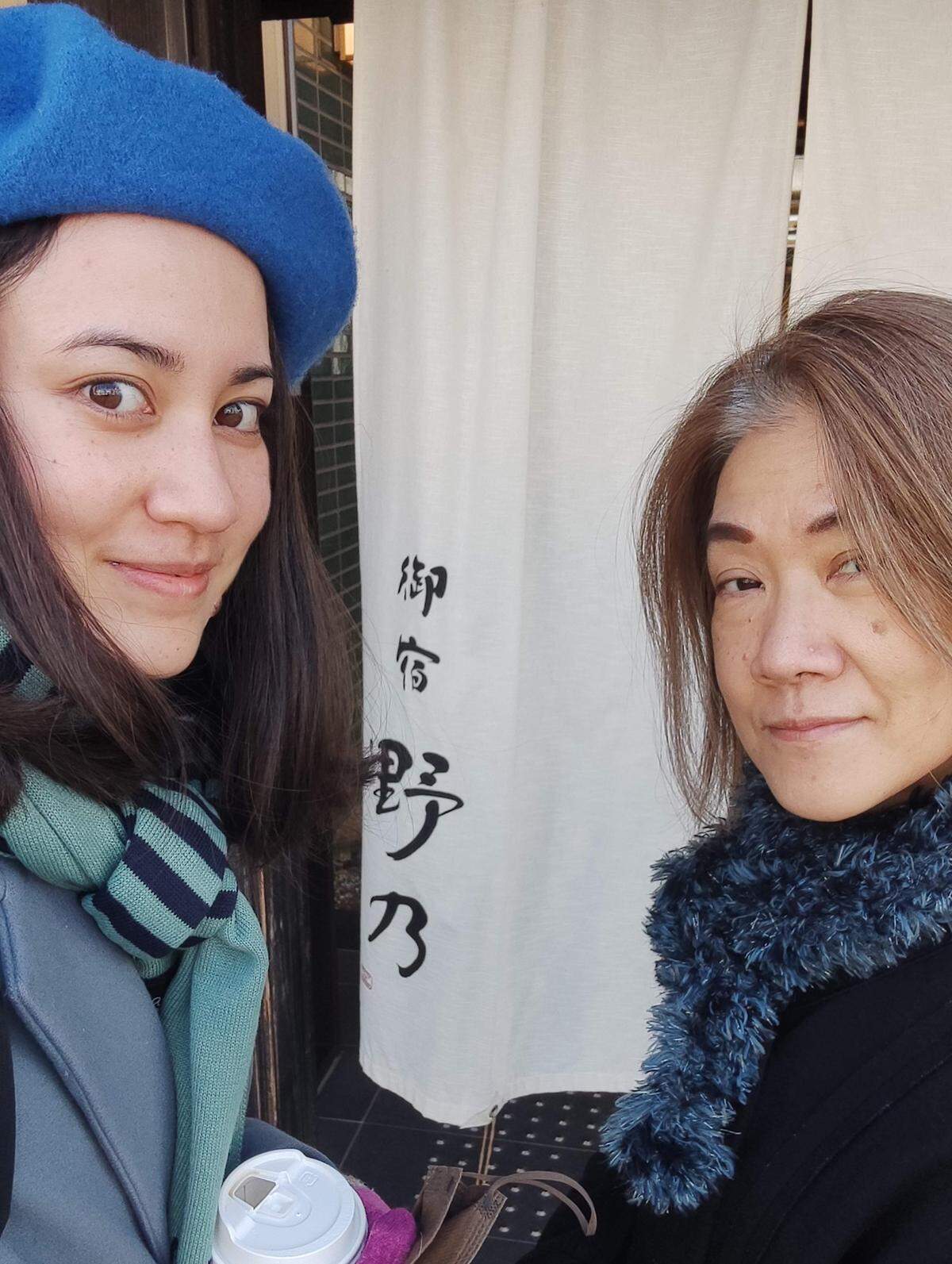
Q. How often do you see your mom?
Once a year. Next summer, I’m gonna definitely go back to Japan. I miss her. And I think getting older, I appreciate my country and my home more. When I was young, I was just thinking about what I have to do, what I want to achieve. I want to dance, that was so much in my mind. New things — new everything — was really, really important. Now I care about the time with my mom, and I want to give back something for her, too. Because I’ve been away for a long time, I’m thinking, What I can do?, or how much I can expand those times with her.
Doing this job, it’s hard to take time off. A day off is OK, but the time that I can go Japan, it’s not so easy. It’s not a job that you can do whatever you want. It’s a team thing. So I don’t want to take two weeks off — which we don’t have, but — in the middle of like season to see Mom. As a professional, I wouldn’t do that. So, yeah, I’m trying to find a way to maximize time in Japan while continuing to develop myself outside of Japan.
Q. You said your mom speaks French. How many languages do you speak fluently?
Japanese, English, and French, I would say, I can maybe have a conversation. I lived in France for three years, and there I had to really learn French to communicate with people.
I have some French-speaking friends here, and when we gather, they talk. Sometimes I can’t keep it up with how fast they are talking. But I understand most of it.
When I came here, I already spoke English, but my English was very poor. I had to force speaking English. Now my brain thinks English, but then certain moments I can’t find a word, and I can only think of it in Japanese.
Q. I understand that you don’t drive here. What is it like to live in a city like Charlotte without a car? I would think it would be challenging.
Yeah, I struggle a lot with not driving, especially going out or going to someone’s house. So I bike a lot, from place to place. I take more time to walk. It’s still hard. I miss Europe, Japan, which have a good public transportation. I really miss. But also I try to adjust, and there’s a way to always compromise. If I ask for a ride, people are kind enough to give me a ride. It can get hard.
But all my life, I bike everywhere, so biking is not new for me.
Q. It doesn’t feel as safe here on a bike, though, does it?
Some people, they were like, “Don’t bike. It’s very scary.” Even men, they are like, “I wouldn’t bike there.” But everywhere in the world that I lived, you bike on the street. Of course, other places have a better bike lane, bike path, but it’s normal for me to bike next to the cars.
Of course, you never know. These days, so many accidents are happening. We lost one runner recently (Lance Soleto, who was killed after being struck by a car in Plaza Midwood on Jan. 14), and you need to be careful, for sure. But when you are afraid of something, you can’t start anything. So always, whatever I do, I’m trying to be aware. I’m careful about it. But it’s not my fear. I’m not scared about that.
Q. You’re definitely living — lifestyle-wise — differently than the typical American. So what do you miss more — Japan or France — ?
I think Japanese people, like family and friends that I grew up with. Every time when I’m home, I feel at home. It’s a comfort, that I speak my own language. But definitely I feel in Europe, people are more direct about things, and I appreciate that more. That, I don’t see so much here or in Japan. People try to be nice, people try to be welcoming, which is great. I love it. But in France — or I lived in different places in Europe — they are more independent. I think people have their own opinions, and they are more open for differences.
I think people can be very different, but we always can agree on something. So that I miss in Europe, I feel. And, as a dancer, Europe has varied history in art, music, and that I miss, too. Museums, theaters, all those things are much more affordable and easy to go (to).
Q. And much more appreciated, too, right?
Right. Here, I invited many running friends for our shows, and people always love it, but they don’t know that it was happening, if I don’t say. So, how can we promote or show that we are here, and have more people come?
Q. This is your third season with the ballet. How long do you hope to stay here?
I’m not sure. There are some things that I love about this company and the community here. But I’m trying to understand what’s better for me and what’s my purpose as an artist. I’m still thinking about those.
Q. What would you do, do you think, if you didn’t dance?
I definitely would keep running. I don’t know how far I could go as a runner.
Q. Well, I meant career-wise. But it’s interesting you said that. You really, clearly have a passion for running. If you didn’t have to be concerned about your body all the time as a dancer, you would probably be running marathons, right?
Yeah. People that do that, I really respect them. I wish I could do that.
Q. So you’re envious when you’re with your running friends and they’re talking about their marathons?
Yeah. I have one really good runner friend here. He builds his training little by little, and when he has a race and beats his goal, that’s definitely very inspiring. I wish I could just do the same amount of effort that he can into running while still dancing. And it’s not impossible, I think, but I’m still trying to find a way.
Q. What do you think it is that you get from dancing that is most fulfilling, and what do you think it is that you get from running that is most fulfilling — to your soul?
Yeah, I think dancing is you discover always how your body can move. It’s maybe difficult to understand for someone who doesn’t dance so much, but your body can go so many directions, or you can go so big, you can be so big, you can move so fast — there is discovery every day. And then when you create something, perform, and people are truly happy or truly moved by those movements or delivery from us, I get the most pleasure or gratitude.
And then from running, I feel this is ... like a fight with myself. You need to beat yourself, and sometimes it’s so hard. Your body doesn’t move as you wish. You’re think you’re doing such good effort, but it’s not enough. And it’s like life, I feel. And those effort you put, you will find a result.
But I try to find the best way to have a good balance between the two. Not just for my body, but also mental space I think is very important for athletes and dancers. That’s something I want to maybe keep doing, even after I retire from dancing:
I want to share or maybe help younger dancers or athletes with how to have balance.
-
Do you know of an influential Charlottean who runs — whether for fun, for fitness, or to feed a serious addiction — and who might be willing to be interviewed by Théoden while they log a few miles together? Send an email with your suggestion(s) to tjanes@charlotteobserver.com.
This story was originally published February 9, 2026 at 5:17 AM.