Your guide to the 2020 elections in Charlotte, including absentee ballot info, more
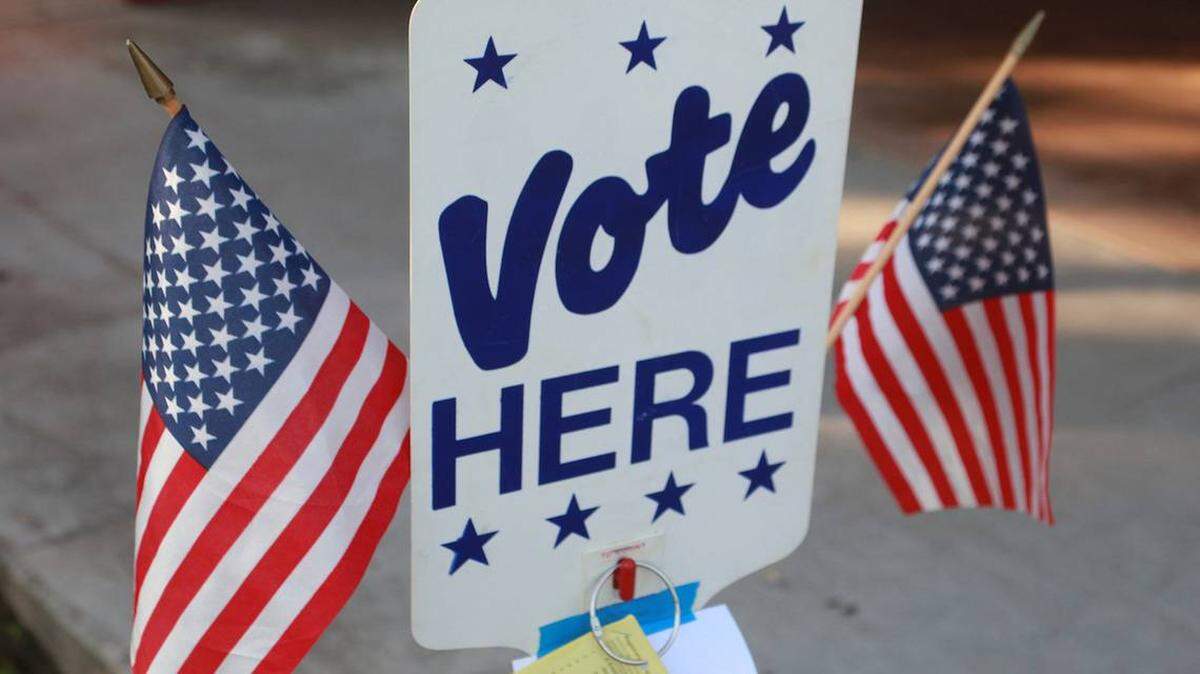
More than 7.1 million people are currently registered to vote in North Carolina. While this is up slightly from the 6.9 million who registered in the last presidential election, only 68.8% of those voters actually showed up to cast their ballots in November 2016. Even more depressing? That percentage was significantly higher than the national average of 61.8%.
Navigating the details of voting can feel confusing — how to register, where to go, what you need to bring, understanding absentee ballots. Pile on a global coronavirus pandemic, social unrest and a highly-contentious political season and it’s easy to feel overwhelmed.
CharlotteFive set out to lay out the basics so you know what to do on Election Day, Nov. 3: which positions are up for election, how to register, where to vote, what to expect, important deadlines and all things absentee ballots. Let’s make 2020 the year of masks, sanitizer and no excuses.
Which offices are on the ballot?
It’s a whole lot easier to vote when you know exactly what you’ll see when you step into the voting booth — and North Carolina has a way for you to do just that. By simply selecting your county, you can pull up a sample of your own personal ballot online. While certain local offices will vary, here’s a glimpse of the positions that voters will fill in 2020.
Federal Offices: President/Vice President, U.S. Senate, U.S. House of Representatives
North Carolina State Offices
Executive: Governor, Lieutenant Governor, Attorney General, Secretary of State, Treasurer, Superintendent of Public Instruction, Auditor, Commissioner of Agriculture, Commissioner of Labor, Commissioner of Insurance
Legislative: All 50 seats in the North Carolina Senate and all 120 seats in the North Carolina House of Representatives
Judicial: Supreme Court Chief Justice, two North Carolina Supreme Court Associate Justice seats, five North Carolina Court of Appeals Judge seats
District and Local Offices: 12 District Court Judge seats, Board of Commissioners, Register of Deeds and the Soil and Water Conservation District Supervisor
How do I know if I’m registered to vote in North Carolina?
You can fill out this quick form to verify your voter registration status.
Note: North Carolina does not automatically register you to vote when you visit a government agency (for instance, if you went to the DMV to get your North Carolina ID or changed your mailing address).
If you’ve recently moved and your address has changed, you’ll need to update your voter registration status. Ditto if you’ve changed voting parties.
How do I register to vote in North Carolina?
You can register to vote in two ways. You can fill out this form, print, sign and either mail or deliver your application in person to your county board of elections. Or you can complete your application online through the North Carolina DMV.
It takes two minutes or less. And bonus: You’re not going to need any additional documents, since the state will confirm your citizenship and eligibility using the license number you provide along with the last four digits of your SSN.
Just know that you will not be eligible to vote in North Carolina unless you’ve lived in the state for at least 30 days prior to registering to vote. Find out more about your voter eligibility here.
When is the voter registration deadline? The voter registration deadline is Friday, Oct. 9 at 5 p.m.
Again, you can register online here. However, if you miss the Oct. 9 registration deadline, you can still vote during early voting. The state allows people to register to vote for the first time (or update their voter registration) at the polls during early voting, which runs from Oct. 15-31. Same-day registration is not allowed on Election Day.
Where do I go to vote Nov. 3?
You can use this link to find out your polling place based on your address.
Note that this will be based on the address at which you are registered to vote.
If your address has changed since you registered, update your status before the voter registration deadline on Friday, Oct. 9.
What do I need to bring to vote?
If you’re registered to vote, you don’t need to bring anything with you (not even a photo ID) as long as you have voted in your county before.
If it is your first time voting in your county or if you’re not registered yet but plan to do same-day registration at one of the early voting sites, you must bring proof of residence (a driver’s license, a photo ID issued by a government agency, or a copy of a utility bill or a bank statement). New registrants will also be required to fill out a form.
If you’re a college student (and over 18 years old), you can present your college ID card along with any of the aforementioned documents proving that you live in the county.
What do I wear to vote?
You read that right — we’re helping you with your fashion choices. That’s because what you wear is actually governed by law in some states, including restricting items such as T-shirts (your “Ruth sent me” and “MAGA” shirts would have to stay home), buttons, stickers and hats. However, North Carolina is not one of those states with restrictions. Although, note that campaigning within the radius of a polling place is banned in the majority of states, including North Carolina.
In South Carolina, candidates on the ballot may wear a clothing item with a label that is no larger than four and one-fourth inches square within 200 feet of a polling place, but may not display it or any identification including but not limited to campaign stickers or buttons. The clothing choices of voters are not restricted, though.
Raise your hand if you learned something new.
What are the COVID-19 safety precautions?
Precautions are being taken to address COVID-19 safety at polling places across North Carolina. In addition to social distancing and providing hand sanitizer and masks, polling places will also have gloves and face shields for poll workers. You can see a full list of the safety procedures here.
What if I can’t vote at the polls Nov. 3?
Option 1: You can vote early.
Busy on Election Day or just want to try to beat the crowds? Thursday, Oct. 15 through Saturday, Oct. 31, from 7 a.m. to 7 p.m., you can make your way to any of the 33 early voting locations around Mecklenburg County. Not in Mecklenburg County? Simply select your county from the drop down menu here, and you’ll be able to view a list of locations.
Curbside voting will also be available for anyone who is unable to enter the facility due to age, a disability, inability to wear a mask due to a medical or behavioral condition or who is experiencing symptoms of COVID-19. All of the details can be found here.
Option 2: You can mail in an absentee ballot.
If you aren’t available to go vote in person, or aren’t comfortable going to vote in person due to the COVID-19 pandemic, never fear — you have options
Absentee ballots can be requested by anyone who is registered to vote. Not registered? See above. If you are registered, you simply fill out this form using the online portal and one will be mailed to you. If you prefer to deliver your request in person, you may fill out this form and return it to your county board of elections. In Mecklenburg County, the Board of Elections is located at 741 Kenilworth Ave., Suite 202.
Once your valid request form is received, the county board of elections office will mail the voter absentee balloting materials and instructions to the address you provided. Your ballot must be witnessed and signed by another person. You can read more about this and other measures North Carolina is taking to ensure absentee ballot security here.
The completed ballot must be returned to the county board of elections no later than 5 p.m. on Election Day. This can be done in-person, or via mail. For answers to questions on USPS election mail delivery, including how far in advance you should mail your ballot (no later than 15 days) visit the USPS Election Mail page.
North Carolina has also launched a tracking service called BallotTrax that allows voters to see the status of their ballot in real time — from request all the way through receipt (think online order tracking for ballots). By signing up for an account with BallotTrax, voters can opt to receive email, text or voice alert status updates.
More details on absentee voting can be found here.
Where can I learn more before Election Day?
Plenty of places, but we recommend the Charlotte Observer and RockTheVote.
Did we miss anything? Send us an email (charlottefive@charlottefive.com) with the subject line “Election Day.”
This story was originally published September 28, 2020 at 2:07 PM.