The Charlotte Latino Film Festival finds ‘joy in resistance’ during tough times
This year’s annual version of the Charlotte Latino Film Festival arrives in mid-April, and is centered on the theme of “joy in resistance.”
Through a dozen feature films and one local short, the festival’s films invite audiences to reflect on resilience, identity and powerful storytelling in the face of adversity, according to Giovanna Torres, founder of Cine Casual. That’s the group that produces the festival.
In an interview, Torres said she hoped the festival could match last year’s turnout of about 1,000 people. But she acknowledged that some people in the Latino community remain scared about going out in public for non-essential activities in the wake of Border Patrol and ICE agents swarming Charlotte last year.
The idea for a theme this year came to Torres as she evaluated the films to include and felt there was a through line in them. And she was convinced that the festival needed to reflect what’s happening in the world and address it, despite all the uncertainty out there.
“There was a little voice in my head that was like, should we move forward with this project? Does it make sense?” Then she answered her own question: “Yes. Because to me, the festival is part of a celebration. Of our culture, of our stories. Should we be celebrating going out in the world? Yes.
“That’s where the risk, the joy and resistance comes in.”
The films offer the community a chance to take a break from the news of the day and come together in a movie theater to laugh or cry together in a full theater.
.png "image (81).png")
What to know about the Charlotte Latino Film Festival
The lineup of Latin American cinema will unspool at Independent Picture House from April 16-26. The festival is funded in part by the city of Charlotte, with additional support from the Hispanic Federation.
The film fest kicks off with the Southeast U.S. premiere of “Aún es de noche en Caracas” (It Would Be Night in Caracas), a Venezuelan and Mexican adaptation of a novel by Karina Sainz Borgo.
Set in a collapsing Caracas, the film follows a woman who returns home after her mother’s funeral to find her apartment taken over by an armed militia. The political thriller also tells a story about displacement, dignity and the right to exist, according to Torres.
She noted that while the film also is on Netflix, it’s only being shown in Latin America for now. But Charlotte audiences will get a chance to see it for themselves.
Here are five more things to know about the film festival.
What countries are represented in the Charlotte Latino Film Festival
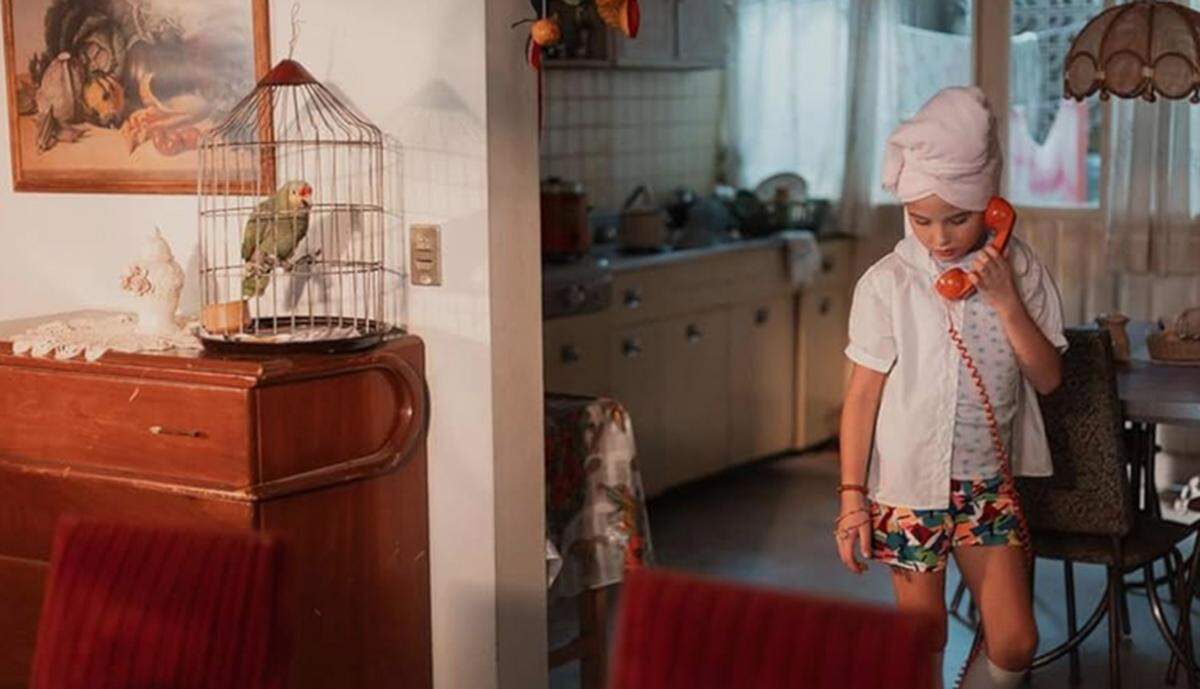
Nine countries are represented in the festival this year: Brazil, Colombia, Cuba, Guatemala, Mexico, Peru, Spain, Venezuela and the U.S.

What are some other highlights of the Charlotte Latino Film Festival
They include:
- The return of “Hecho Aquí” (Made Here), Cine Casual’s showcase for North Carolina-based Latino filmmakers. This year that includes William D. Caballero, a 2021 McColl Center artist-in-residence who will present “TheyDream,” a Sundance Award winner. It’s about a director and his mom crafting animations that bring their Puerto Rican family members back to life. Caballero will take part in a Q&A after the film.
- “La Cena” (The Dinner) from Spain. In the turbulence following the Spanish Civil War, a grand hotel dinner for nationalists celebrating Franco’s victory are being served by defeated chefs cooking up one last chance to escape.
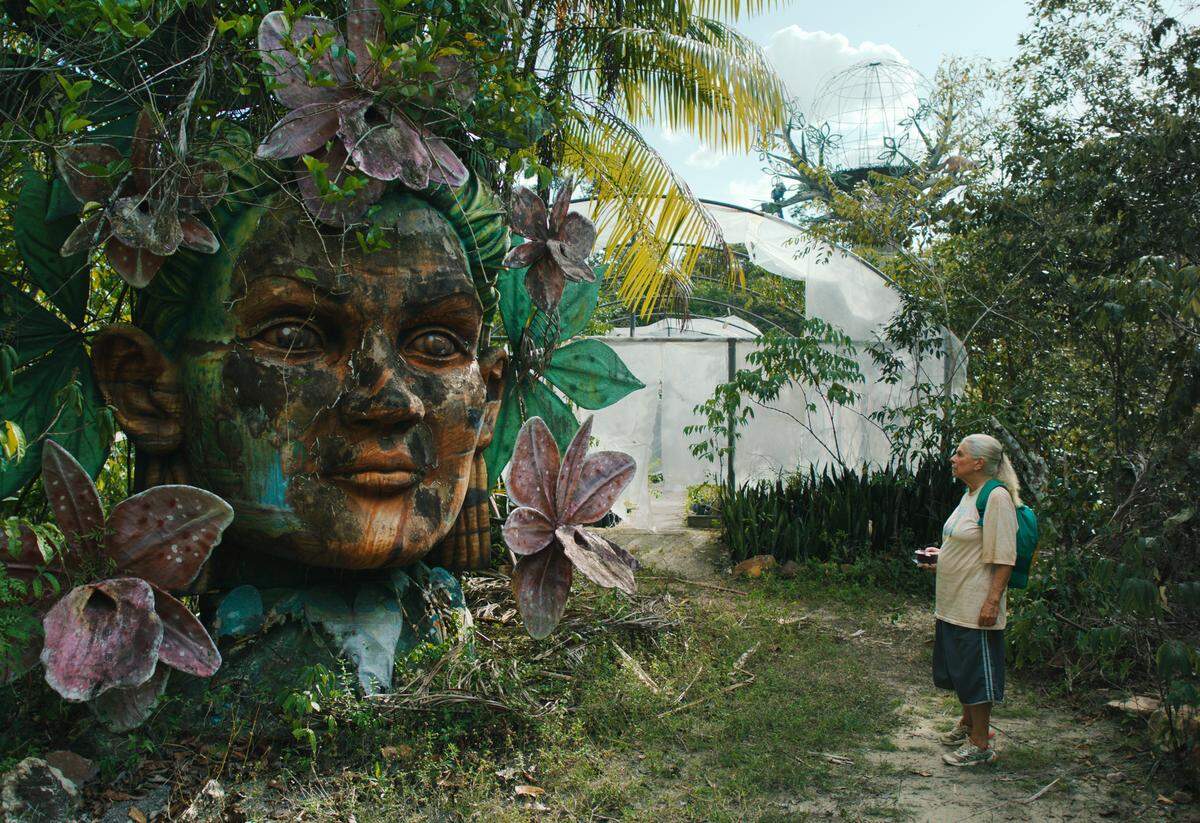
- “O último azul,” (The Blue Trail) from Brazil. This film is about the government ordering the elderly to relocate to distant housing colonies to maximize economic productivity. But a 77-year-old woman refuses the order and instead embarks on “a journey through the Amazon that will change her destiny forever.”
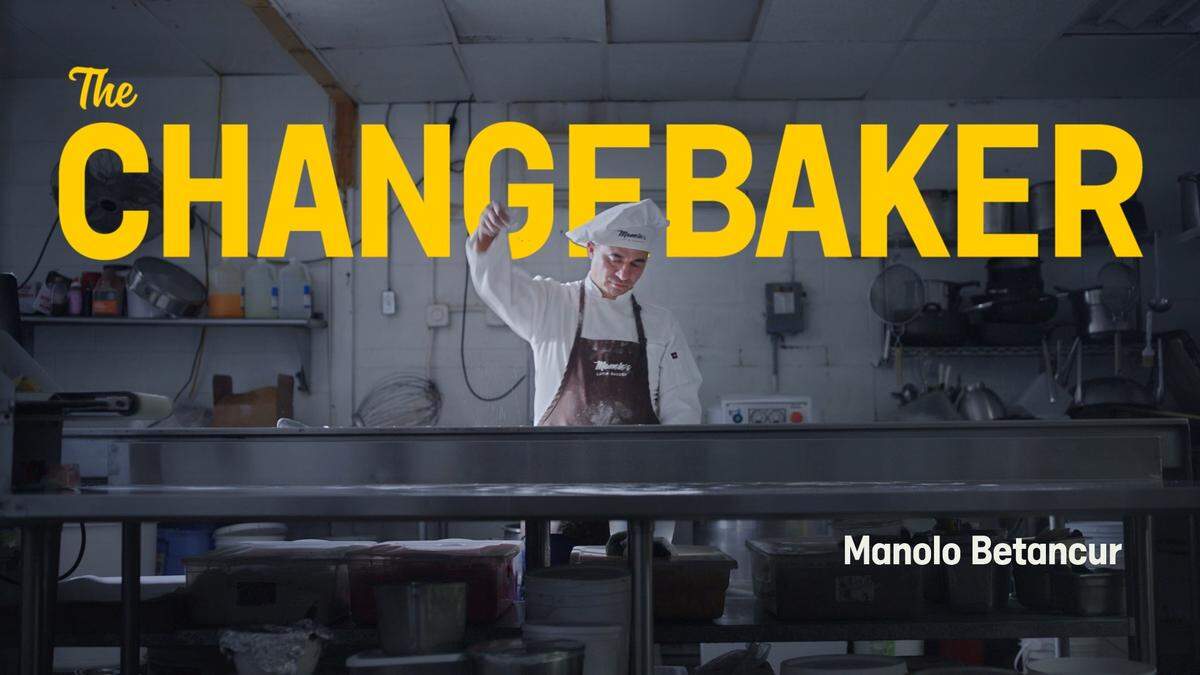
- The festival will close with a special presentation of “The Changebaker,” a short film highlighting the work and impact of Charlotte-based community leader Manolo Betancur. His Latin bakery, Manolo’s on Central Avenue, found itself at the epicenter of protests against ICE agents last fall.

Wait, haven’t I seen ‘Changebaker’ before?
That’s right. Its sold-out Charlotte premiere was in January at the historic Carolina Theatre. The 16-minute film about the Colombian native and U.S. citizen was directed by Courtney Dixon. So if you missed it last time, you have another chance to catch it.
Are there family-friendly options?
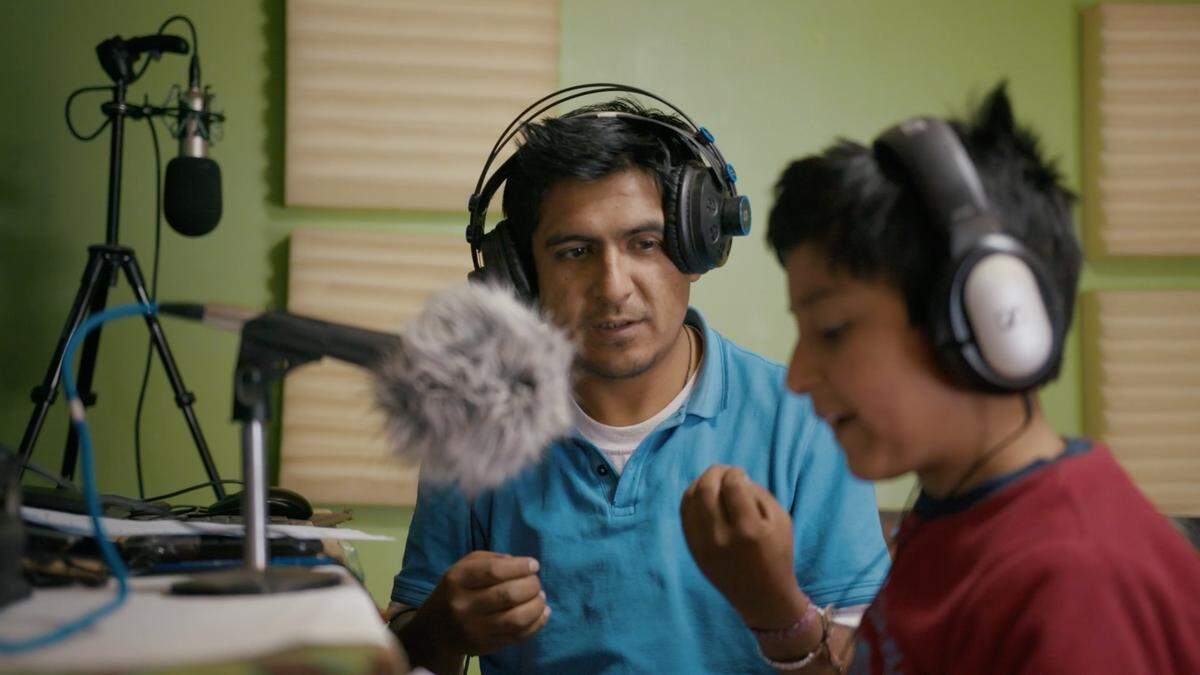
Yes, there is a family friendly option. Torres pointed to “Runa Simi” (People’s Language) from Peru. The title refers to the Quechua language that dates to the ancient Inca empire and is still spoken by millions of people in the Andes region of Peru.
The filmmakers note that “no film has been dubbed in the language. In Cusco, (Peru), Fernando and his young son set out to dub “The Lion King,” transforming dubbing into a tool of resistance.”
Want to go to the Charlotte Latino Film Festival
Go to CharlotteLatinoFilmFestival.com for the full schedule lineup and tickets. For more about Cine Casual, go to cinecasual.com
More arts coverage
Want to see more stories like this? Sign up here for our free, award-winning “Inside Charlotte Arts” newsletter: charlotteobserver.com/newsletters. And you can join our Facebook group, “Inside Charlotte Arts,” by going here: facebook.com/groups/insidecharlottearts.