A hot Charlotte comedy club is expanding. Will the stand-up scene grow with it?
It’s a May evening inside The Comedy Club at Duckworth’s, and James Gaghan — the uptown Charlotte venue’s director of programming and talent buyer — is walking a visitor through the club’s planned expansion.
The stage will move. A large partition will come out. The room is getting bigger.
It will be a dramatic transformation, thanks to its dramatic success. When the Duckworth’s club opened in January 2025, it occupied an upstairs room that still looked, in many ways, like overflow seating and private-event space for the sports bar downstairs. The club hoped to attract about 150 people a week.
“We grossly under-guessed,” Gaghan says.
Today, the club is averaging closer to 500 people a week and preparing to nearly double in size. Assuming the four- to five-day job is completed on schedule and the room reopens according to plan July 30, the renovation will have increased capacity from roughly 80 seats to between 130 and 140.
It’s evidence of something that would have been difficult to imagine just a few years ago: Charlotte now appears capable of supporting more than one serious comedy club.
‘They have a big leg up’
Today, Charlotte’s comedy ecosystem looks very different from just a few years ago.
There are more open mics than ever offering low-stakes opportunities for newcomers and veterans alike to test material. There are independently produced local shows featuring area comics in breweries, small theaters and other nontraditional venues. Don’t Tell Comedy, a national producer of “secret” pop-up shows, has expanded aggressively into the market.
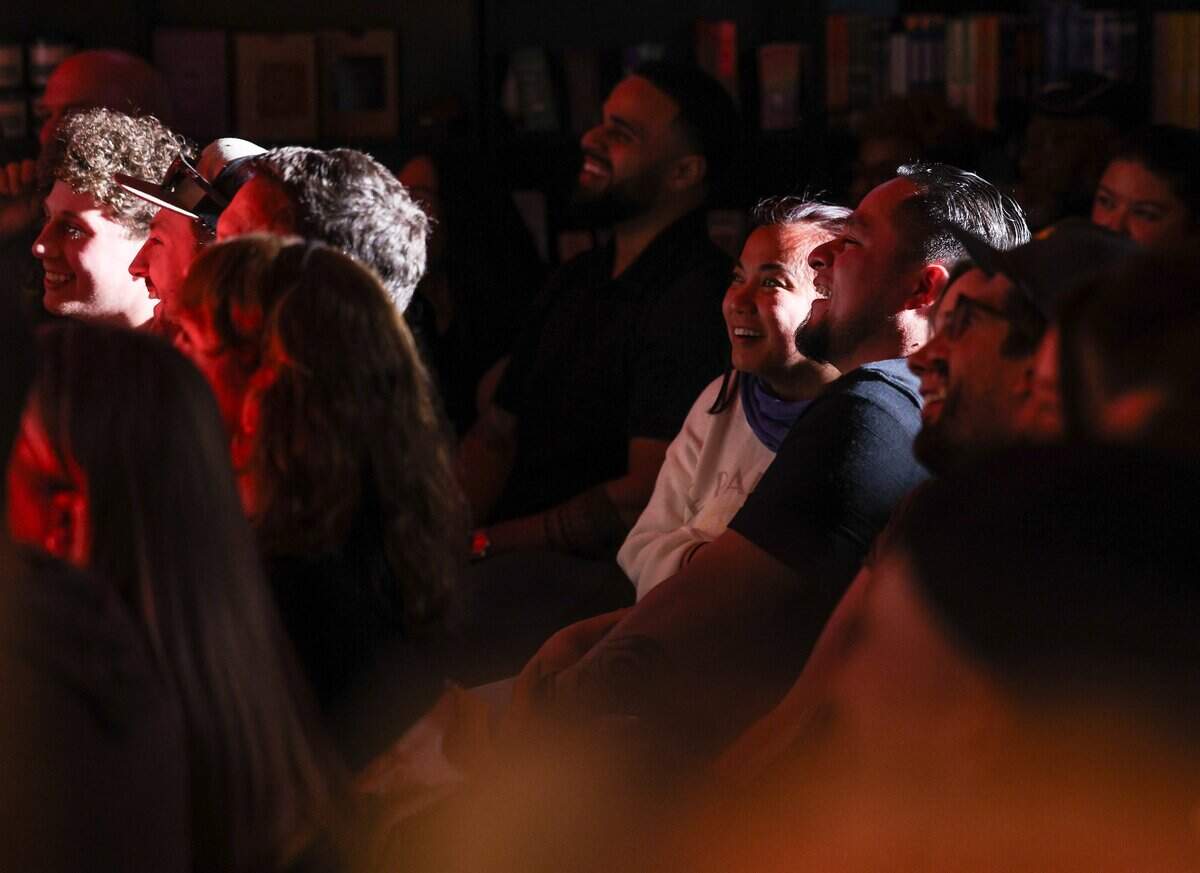
Meanwhile, touring comics are increasingly stopping in Charlotte and drawing large audiences. Coming attractions include Matt Rife at Spectrum Center this month, separate two-night stands by John Mulaney and Nikki Glaser at Ovens Auditorium in August, and Anthony Jeselnik at Belk Theater in October.
And yet since opening at the Music Factory on the edge of uptown in 2011, The Comedy Zone has been the main place where most national acts come and where most comedy fans go — the only truly dedicated comedy club offering quality, vetted stand-up comedy several nights a week.
But in 2024, veteran restaurateur Rob Duckworth thought he might be able to change that, with the help of a former general manager of his who had gone on to become director of programming for the DC Comedy Loft and Bier Baron Tavern.
That former GM was Gaghan, and the sell turned out to be easy.
“‘I’ve got this open space,’” Gaghan recalls Duckworth telling him. “‘How would you feel about doing comedy here?’”
Gaghan leapt at the fresh opportunity, returning to Charlotte in June 2024 to prepare for launch, with the goal of creating an intimate club setting while emphasizing professionalism and consistency in terms of audience experience. And now, a year and a half after opening, the club is booking roughly seven shows a week — occasionally featuring established names such as Bobcat Goldthwait and Chris Kattan, but primarily focusing on touring comedians who are still on the rise.
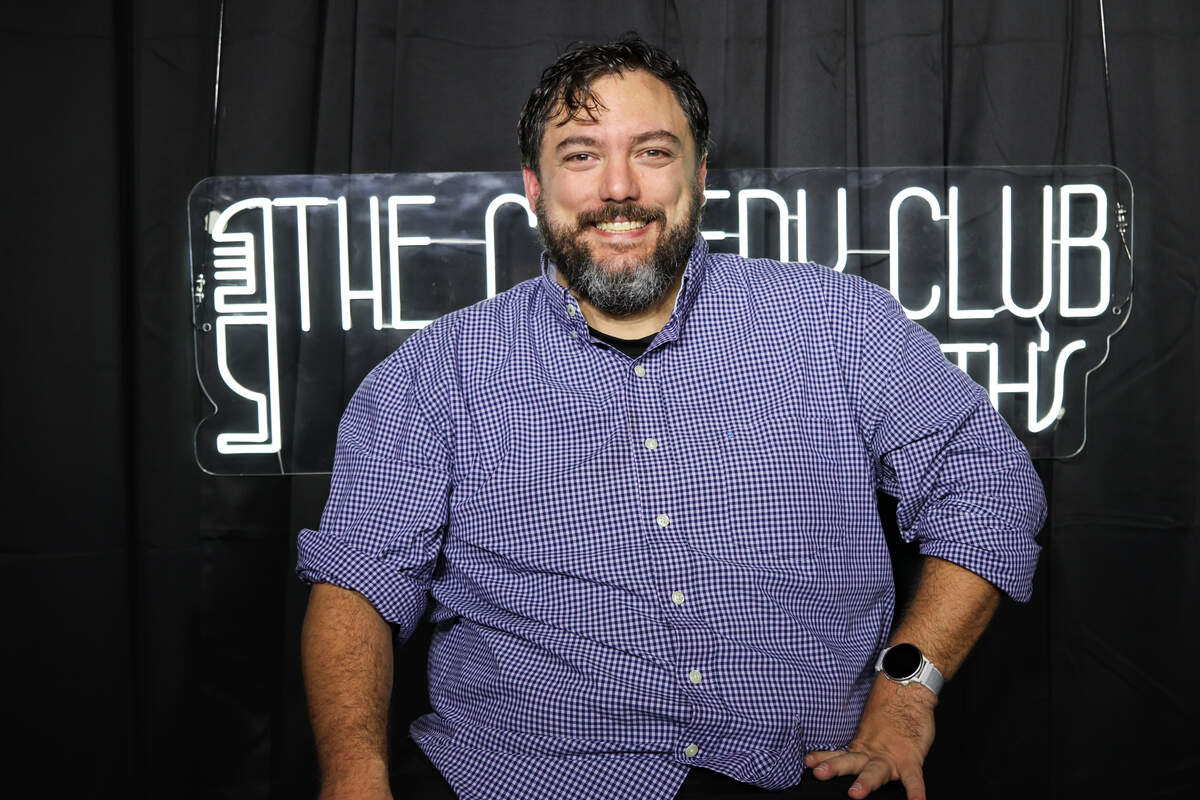
Boasting a seating capacity of almost 400 people, The Comedy Zone is still the biggest, most established room in the city, and its reputation extends well beyond Charlotte. Even after its renovation, Duckworth’s will only be about one-third of The Zone’s size.
“That is a very, VERY tough business to be in,” says Ted Garvin, managing partner at The Comedy Zone. “I mean, it is brutal, because it’s not the type of thing where, you know, you’re stocking your shelves with Coke and Pepsi and bread and things, and people are just going to show up to get it.
“Each show that you’re doing with each comic, you’re trying to reach a different audience. That is really, really difficult, and you have to do it every single day. ...
“But Duckworth’s, they have a big leg up, because he (Gaghan) had connections.”
A boon for local stand-up comics
There is also another advantage Duckworth’s has, according to many local comedians.
While The Comedy Zone increasingly books national touring comedians at a tier high enough that those comics often can insist on bringing their own opening acts, Duckworth’s has made a concerted effort to cultivate relationships with Charlotte talent and to create opportunities for them to get on stage.
One of the main ways is through its monthly open mic, which has become one of the most respected in the city.
Unlike many open mics, which operate on a simple sign-up basis, Duckworth’s vets performers in advance and treats its showcase like an informal pipeline. In other words, Gaghan and his staff use it to evaluate comics in person and identify candidates for future showcases and opening spots, believing that live performance in front of a real comedy-club audience (40 to 65 people generally show up for the Duckworth’s open mic) reveals far more than a video clip ever can.
Local comics say the club’s willingness to invest in homegrown talent has had ripple effects throughout the scene.
Like Jason Allen King, for instance. Anointed “North Carolina’s Funniest Person” last year by Goodnights Comedy Club in Raleigh, King says he is among just a handful of locally based comics who ever get booked to do anything at The Comedy Zone — even just an emceeing gig.
But he says now that Duckworth’s has demonstrated a willingness to pluck local stand-ups from its open mic and employ them on stage during ticketed shows, “a lot of comics have doubled down on trying to make a living at this, and taking a real stab at it.”
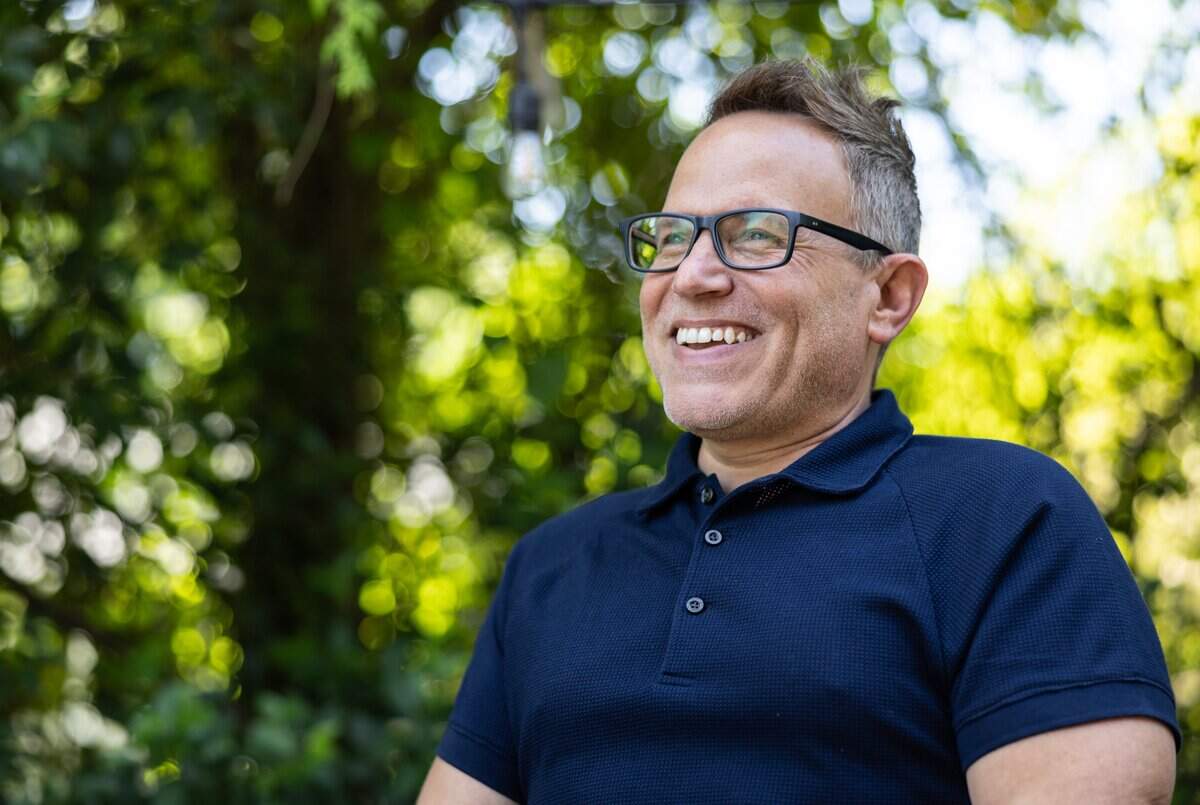
“So you’re seeing (at Duckworth’s) open mics,” King continues, “people really going there in earnest and with purpose, and writing new jokes and really working on the craft. I’m not saying they weren’t before, but I’m saying the minute you show some light to say ‘you can do this,’ I think people work harder.”
King believes the ripple effects extend beyond the performers themselves.
Give comics something tangible to aspire to, he argues, and they spend more time writing, performing and refining their material. The result is better comedy for audiences, too.
The next challenge: Growing the audience
Part of the challenge, Gaghan argues, is that Charlotte’s comedy scene may be growing faster than Charlotte’s comedy audience.
Many people still don’t think of stand-up the way they think of concerts, sporting events or a night at the theater — as something worth seeking out simply because it’s happening.
And one reason, he believes, is that many people’s first exposure to live comedy comes in a setting that doesn’t necessarily showcase the art form at its best. Gaghan says he frequently encounters people who have written off stand-up because their only experience was at an open mic, where quality can vary dramatically from performer to performer and from joke to joke.
But if he can persuade those same people to take a chance on a professionally produced show, he says, they often leave wondering why they hadn’t done it sooner.
In other words, the scene exists. The infrastructure exists. The talent exists. Charlotte just needs more people to discover it.
“Coming from a market like D.C., where obviously the arts and shows are part of the culture of the city, it’s a very different approach than Charlotte, where people aren’t always just going to shows just for the sake of going to a show,” Gaghan says. “... And I think that’s really the next stage is as people become more and more aware that Charlotte does have so much to offer in the arts, I think that’s gonna really help progress a lot of things.
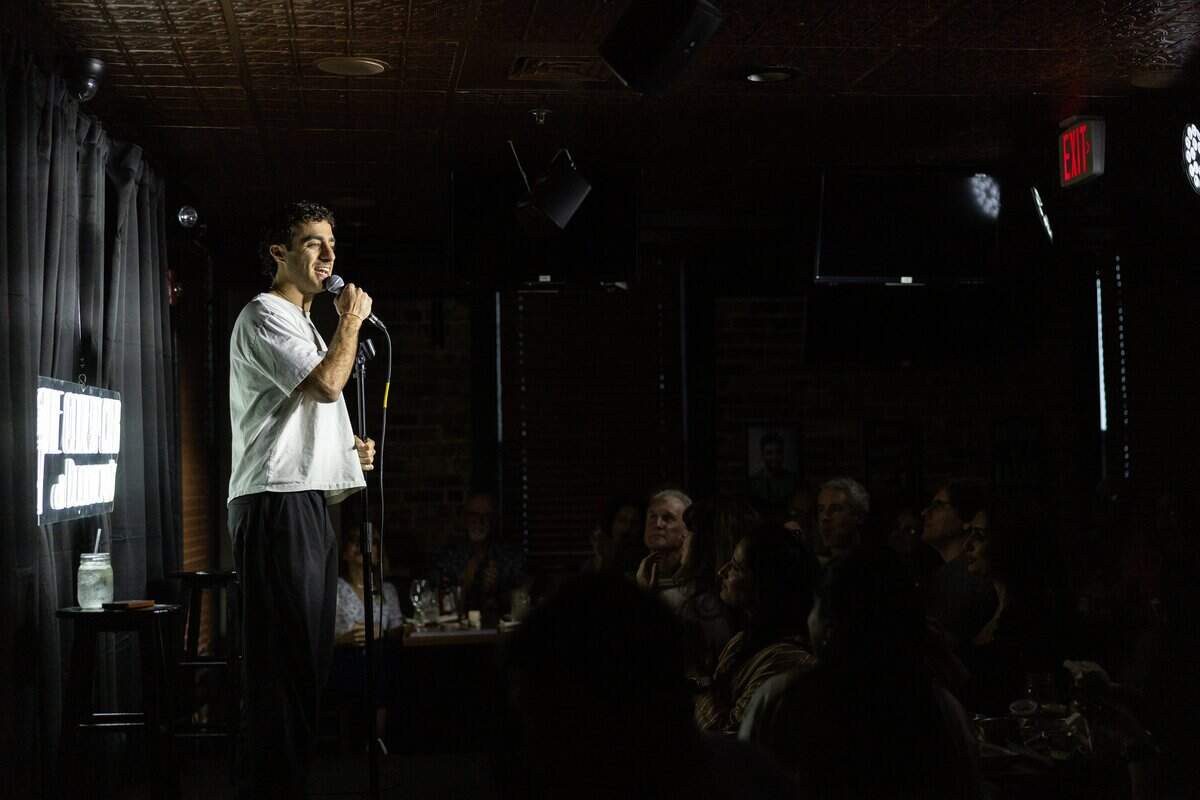
“But that just takes time and increased awareness. Because, I mean, with The Comedy Zone, with us and our expansion, with Blumenthal (Arts) expanding, with all the brewery shows, Charlotte does have a pretty large, vibrant comedy scene. It’s just getting people’s attention to catch up to seeing that there is that much to be offered.”
A year and a half ago, Duckworth’s took a gamble. Next month, they’ll double down on it.
And for a venue that once hoped to attract 150 people a week, that’s a remarkable vote of confidence — not just in Duckworth’s, but in Charlotte as a comedy city, too.