Why Charlotte celebrates Juneteenth — and how the tradition took root here.
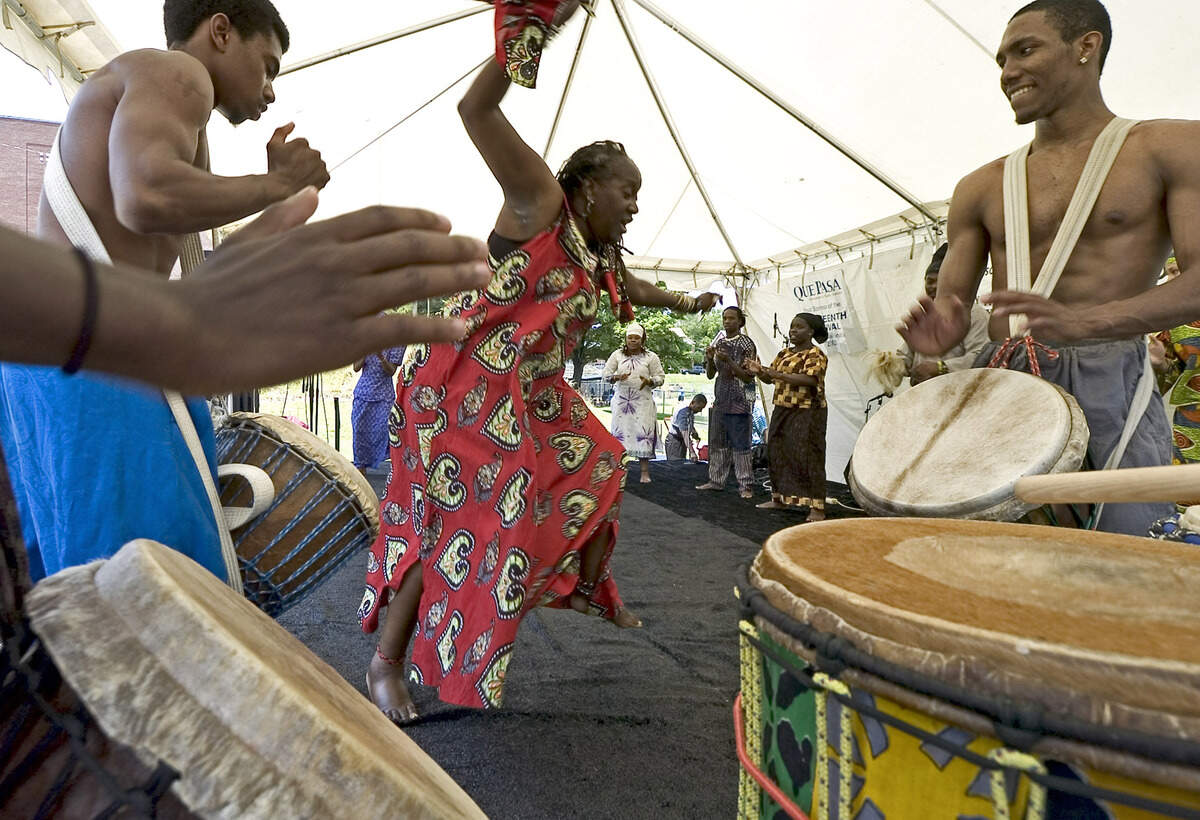
Every year, thousands of people across Charlotte celebrate Juneteenth with festivals, parades and community events honoring freedom, African American history and culture.
June 19, 1865, marked a pivotal moment in American history. More than two years after the Emancipation Proclamation was issued, enslaved African Americans in Galveston, Texas, learned they were free. The date became known as Juneteenth, a holiday commemorating freedom and African American history.
Opal Lee, also known as the “Grandmother of Juneteenth”, is a Texas native who worked for several years to get Juneteenth recognized nationally. In June 2021, those years of hard work paid off: Former President Joe Biden signed a federal bill to officially recognize the holiday.
“My granddaughter, Dione, got the call that we were to go to the White House, and we were there the next day,” Lee told the Star-Telegram in 2022. “I had been to the White House before … but the Oval Office? And to see that many representatives, and senators, and the president, and the vice president, I mean, it was awe-inspiring.”
Juneteenth celebration in Charlotte
What began as local celebrations in Texas gradually spread to cities across the country, including Charlotte. The first documented Juneteenth celebration in the Charlotte area took place on June 19, 1977, when the Charlotte Equal Rights Congress hosted an event honoring the occasion. The late Thelma McKoy, a Charlotte historian and community leader who helped bring the celebration to the city, emphasized its significance.
“We feel celebrating Juneteenth will help educate our youth about where we have come from and the price we paid to get where we are today,” McKoy said.
Dozens of Juneteenth events
Each year, dozens of events and festivities are held in Charlotte and other surrounding cities.
Rock Hill has held many events throughout the years to also help recognize African American heritage.“We don’t celebrate the fact that there was slavery, but we recognize the fact that our people are resilient,” former Rock Hill City Councilwoman Sandra Oborokumo told The Herald in 2025. ”They passed on a legacy to people who are still here.”
Over the decades, Juneteenth has gained recognition throughout Charlotte and many other areas, with festivals, parades and community gatherings drawing thousands of attendees each year. North Carolina began recognizing Juneteenth in 2007, further cementing its place as an important cultural and historical observance.
Today, Charlotte hosts the largest Black Independence Day celebration in North Carolina, the Observer has previously reported. The annual Juneteenth Festival attracts more than 10,000 attendees and serves as a celebration of freedom, culture and community. This year, multiple festivals, parades and events are scheduled across the city, offering residents and visitors an opportunity to come together in remembrance, reflection and celebration.