Greener pastures: Swapping Charlotte streets for cliffs, castles + coastal roads
AI-generated summary reviewed by our newsroom.
- Trains between major Irish cities offer scenic travel with comfort and reliability
- May travel to Ireland combines mild weather, long daylight and fewer crowds
- Driving enables access to remote regions like Connemara, beyond train networks
I have traveled to Europe solo twice now, with the second and most recent time being a two-week trip from Charlotte to Ireland this May.
A few tips: Pack as light as possible. Carrying around large bulky bags gets old quickly, especially if you’re commuting on trains and buses. I brought a carry-on sized roller bag that allows for a smaller soft-side bag to rest on top.
For Ireland in particular, packing clothing layers was key. The sun can feel quite warm, but a few hours later, or with an altitude change, the air can get chilly and fast.
Finally, for solo travel (at home or abroad), I always bring a few personal safety items, including an alarm-enabled door jam and a hand-held personal safety alarm that slips into any bag or even a pocket.
Getting there
• Flights from Charlotte to Dublin start around $520 for a round trip ticket but can go up to as much as $1,500. I booked my ticket for May in late November, and tickets started in the $500s then. Tickets for summertime are typically more expensive than for late fall and winter travel.
• Nonstop service: There is one American Airlines flight every day flying from Charlotte Douglas (CLT) to Dublin (DUB), and it’s about seven hours long. If you’re open to one-stop or connecting options, carriers like Delta, United, Aer Lingus, British Airways and Iberia offer multiple daily service via hubs such as JFK, Heathrow or Philadelphia — and these can increase your flight options significantly.
• Commuting to your hotel: Depending on what area of the city you’re headed to, a bus, train, taxi or ride share are all relatively easy options. By car, it’s roughly a 20-25 minute drive from the Dublin airport to most neighborhoods of the city. The Citymapper app is incredibly handy for all European travel — it’s a public transit app and mapping service that will show you all possible transport options, usually with live timing, between any two locations.
While many people opt for driving in Ireland, I wanted to rely mainly on the trains, both for the cost-saving factor and because navigating driving on the opposite side of the road without anyone to help felt daunting.
I did, however, have the benefit of a friend joining me for a few days toward the end of the trip, so after mapping out train travel between three main city hubs — Dublin, Galway and Cork — I was able to also add in a stop to Connemara, a more remote destination that requires a car.
Spoiler: The driving, while certainly a bit unnerving at first, ended up (mostly) being simpler than I expected.
When to go
I traveled to Ireland in May and could not have asked for better weather. The most popular times to visit the country are May, June and September, as each month is known for being warm and mild with less rain.
Still, the cities did not seem overly crowded with tourists the way Paris, Rome and coastal Italy do in the late spring or summertime.
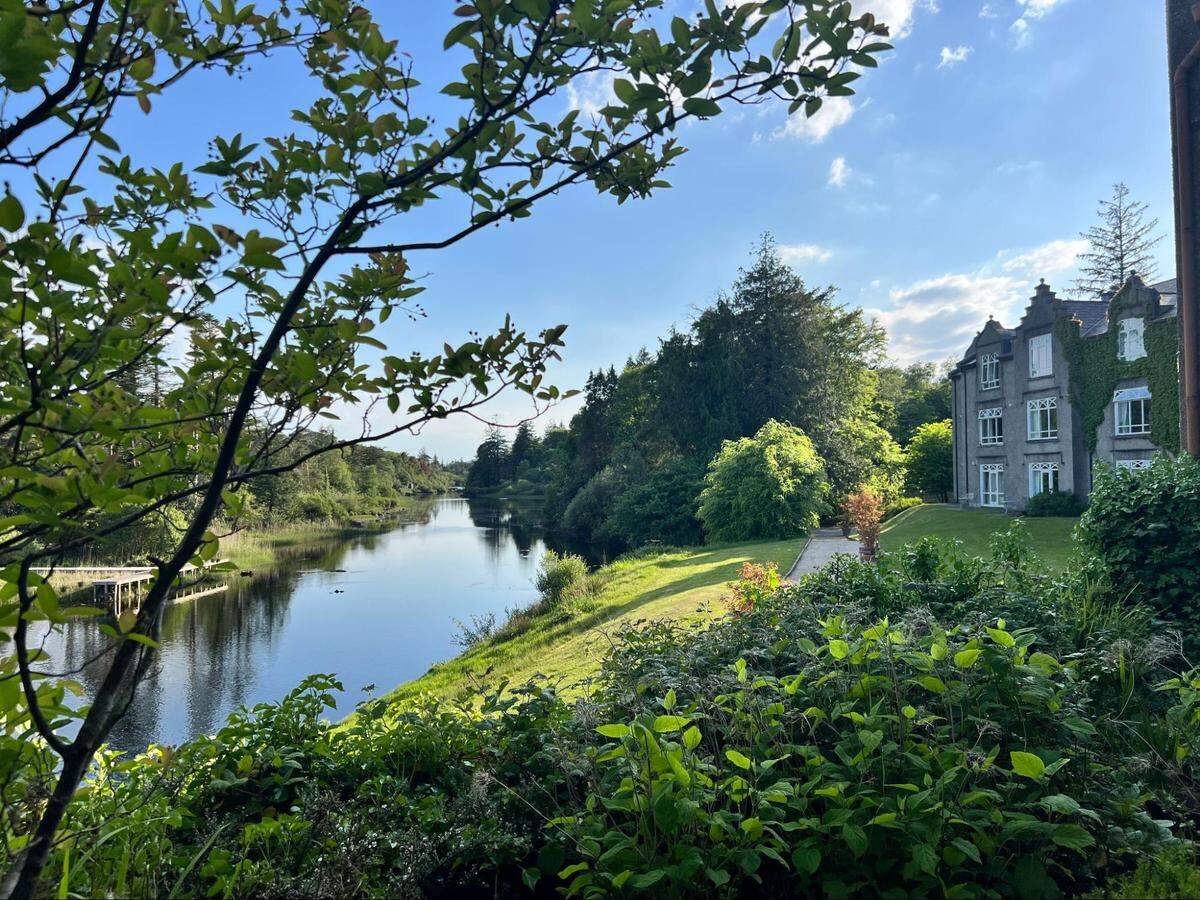
The summer months in Ireland also boast lush greenery, boundless florals and long spans of daylight: When I visited, the sky wasn’t fully dark til 10 p.m., and the sun rose at 5:10 a.m.
Winter is a less popular time for tourism, so if you want a quieter experience or off-season prices, it’s a good option, but expect cold and wet weather.
Commuting
Ireland’s rail network makes solo travel between major cities both simple and scenic. Trains from Dublin to Galway or Cork run multiple times a day, with comfortable seating and free Wi-Fi. This is my personal favorite way to travel, period. The seats are much more spacious than an average plane, with views of rolling farmland and storybook villages, and the stations are centrally located.
I typically get a coffee and a bite in the station, choose a train seat with a shared table and set up my laptop or read a book. Busier stations like Paddington in London or Gare du Nord in Paris can be quite confusing (I’ve missed a train … or four), but I found each station in Ireland to be comparably quiet and easy to navigate.
Where to stay: Dublin
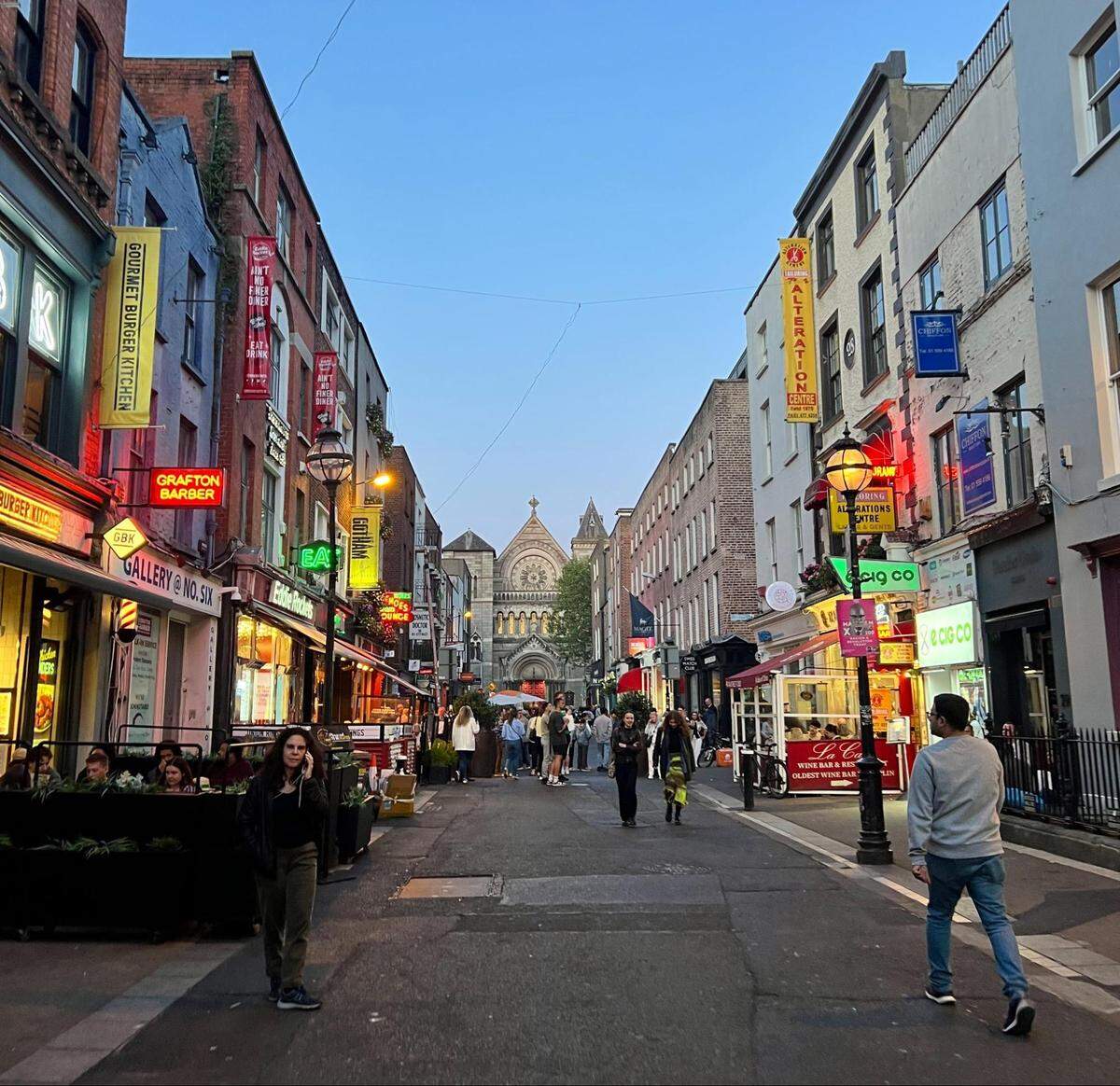
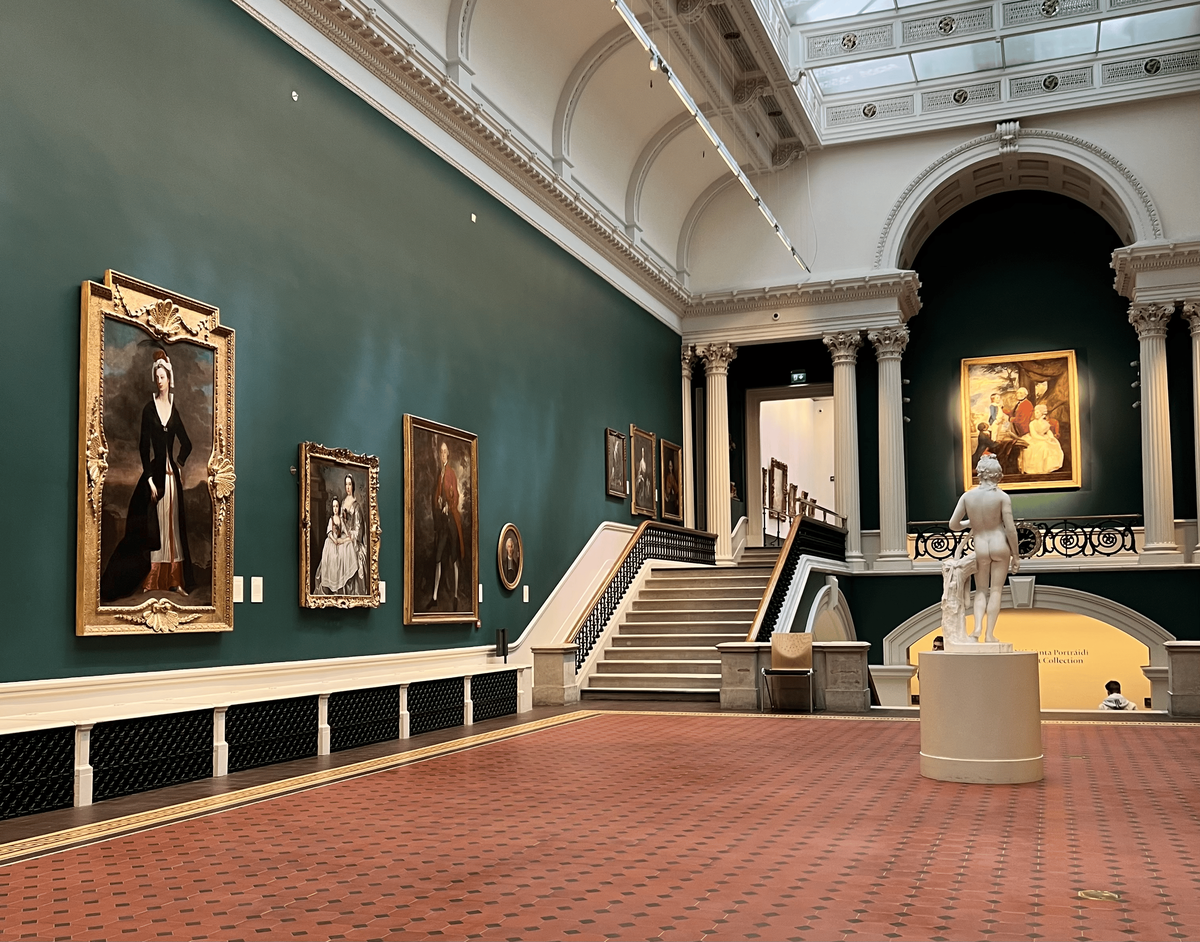
Ireland’s energetic capital blends literary history and modern cool with a rhythm all its own. From the Georgian streets of Merrion Square to the buzz of Temple Bar, Dublin offers solo travelers the freedom to slip between quiet museum afternoons and impromptu pub conversations.
I spent two nights here on the front end of the trip and two nights on the back end — since it’s where the airport is, it made the most sense to start and end the trip this way.
Finding an affordable hotel or Airbnb is pretty simple everywhere I traveled in the country — similar to other European countries. Since I had 14 days, I chose to start and end in a hotel, with a few Airbnbs sprinkled in the middle so I could have laundry, a full kitchen, etc. I did this same split while traveling England and Scotland, and found it worked really nicely.
My first hotel was Roxford Lodge Hotel in Ballsbridge, a really quaint, residential, charming area of Dublin. It’s still plenty walkable, but away from some of the rowdier streets.
On the way out, I chose Herbert Park Hotel, overlooking Herbert Park, close to the city center and a lovely place to walk or picnic. The Saturday Farmer’s Market was a charming addition, as well.
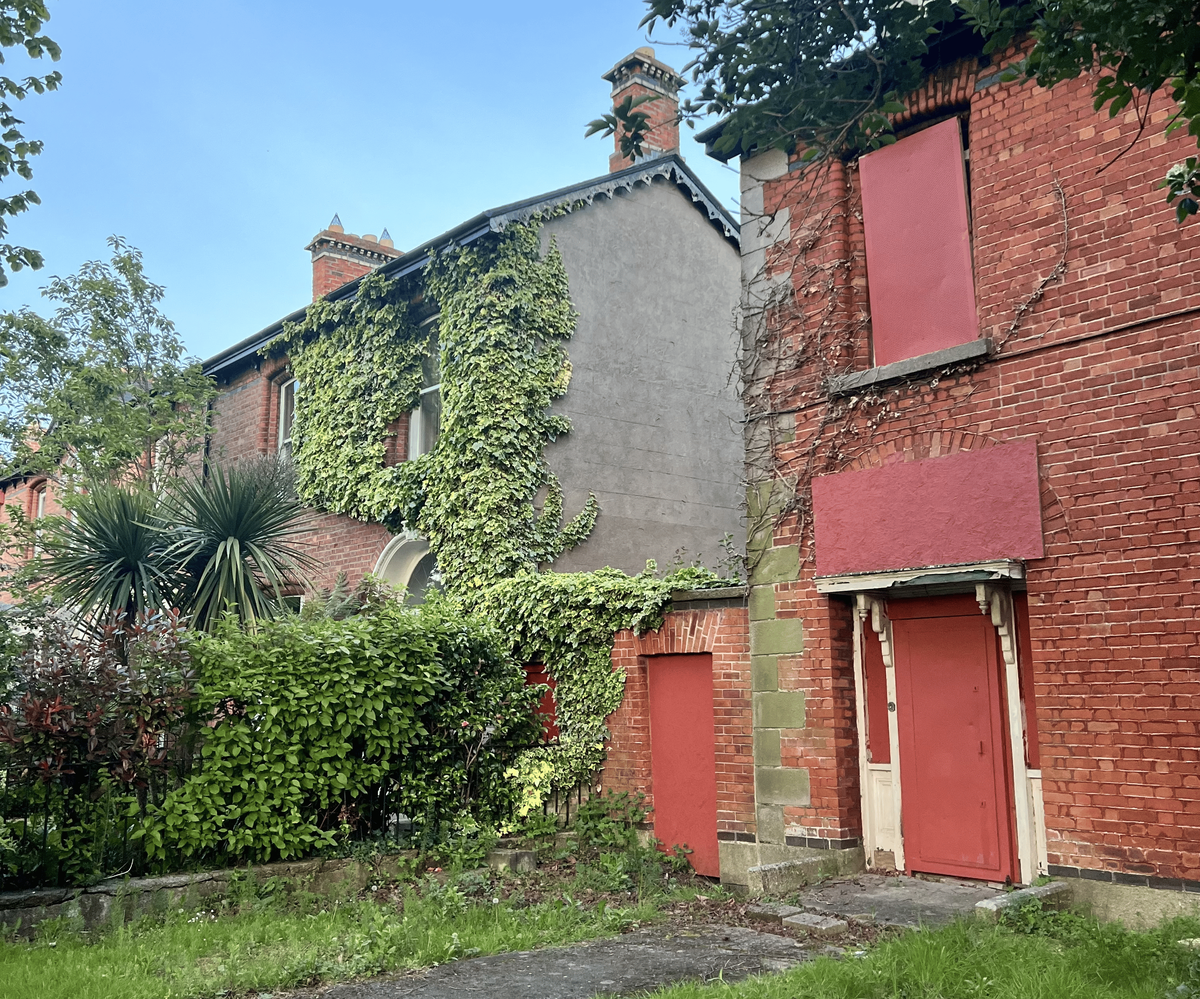
The train from Dublin to Cork took just under three hours, and the train stations in both cities are very easily accessible. I took a quick Uber to Heuston Station in Dublin, and from Cork’s Kent Station, I was able to walk a little over a quarter mile to my hotel.
Visiting Cork
Often called the “real capital” by its locals, Cork is a vibrant but compact city. It’s easy to feel at home here — markets overflow with artisan foods, streets are lined with indie shops and street art, and the River Lee wraps around it all. For solo travelers, Cork offers just the right mix of community energy and independent discovery.
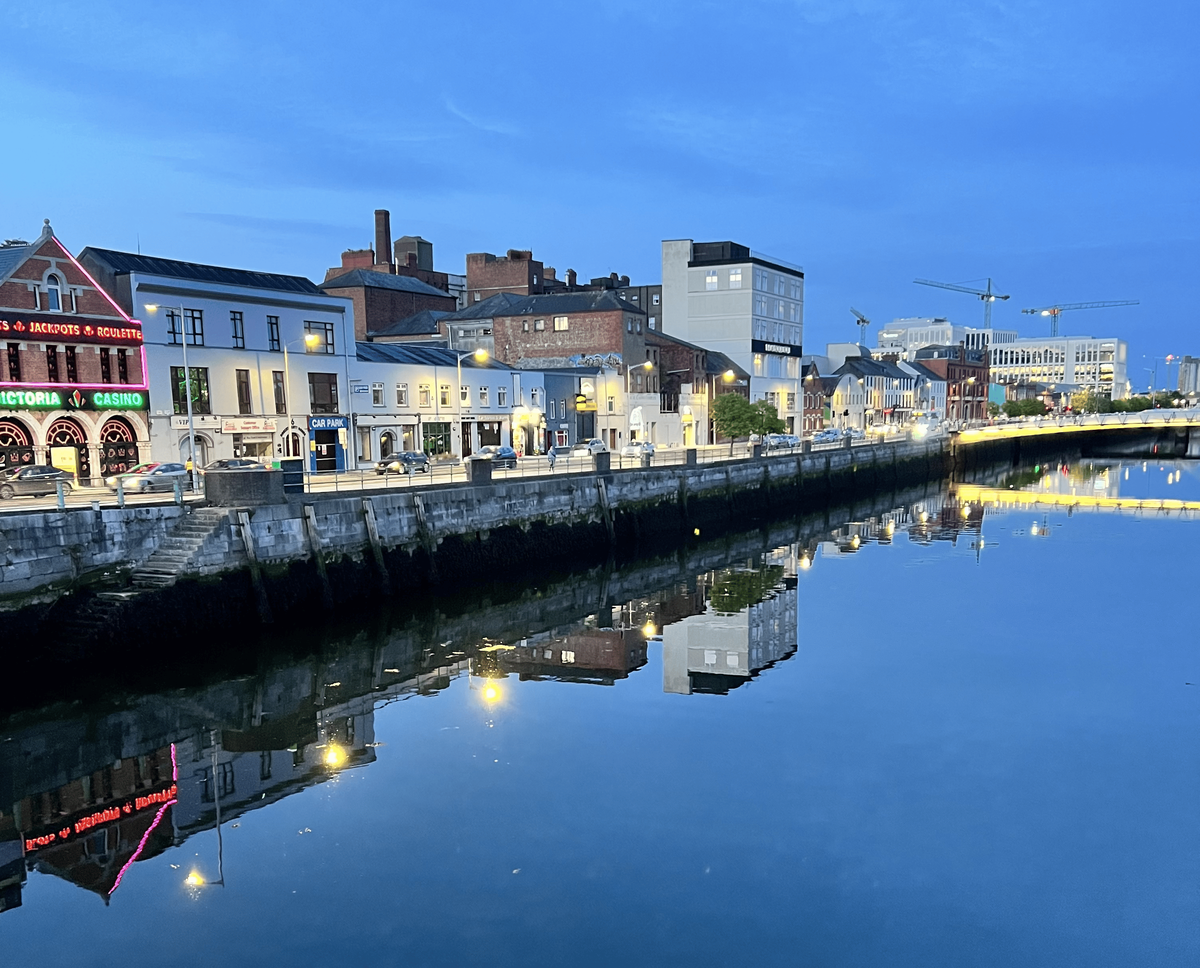
In Cork, I opted once again for a hotel, this time Moxy Cork in the city center. It overlooked the river, and I could walk to everything, including what became my favorite spot, Bell’s Field. It’s a relatively small park, but it offers panoramic views of Cork City and the surrounding hills.
Cork City was the only one out of the three major cities where I regretted not having a car. Within 48 hours, I felt I’d seen all of the city center that I’d wanted to, and I longed to be able to get outside the city limits. In retrospect, I’d shorten my time here to two or three nights, or make sure I could travel by car.
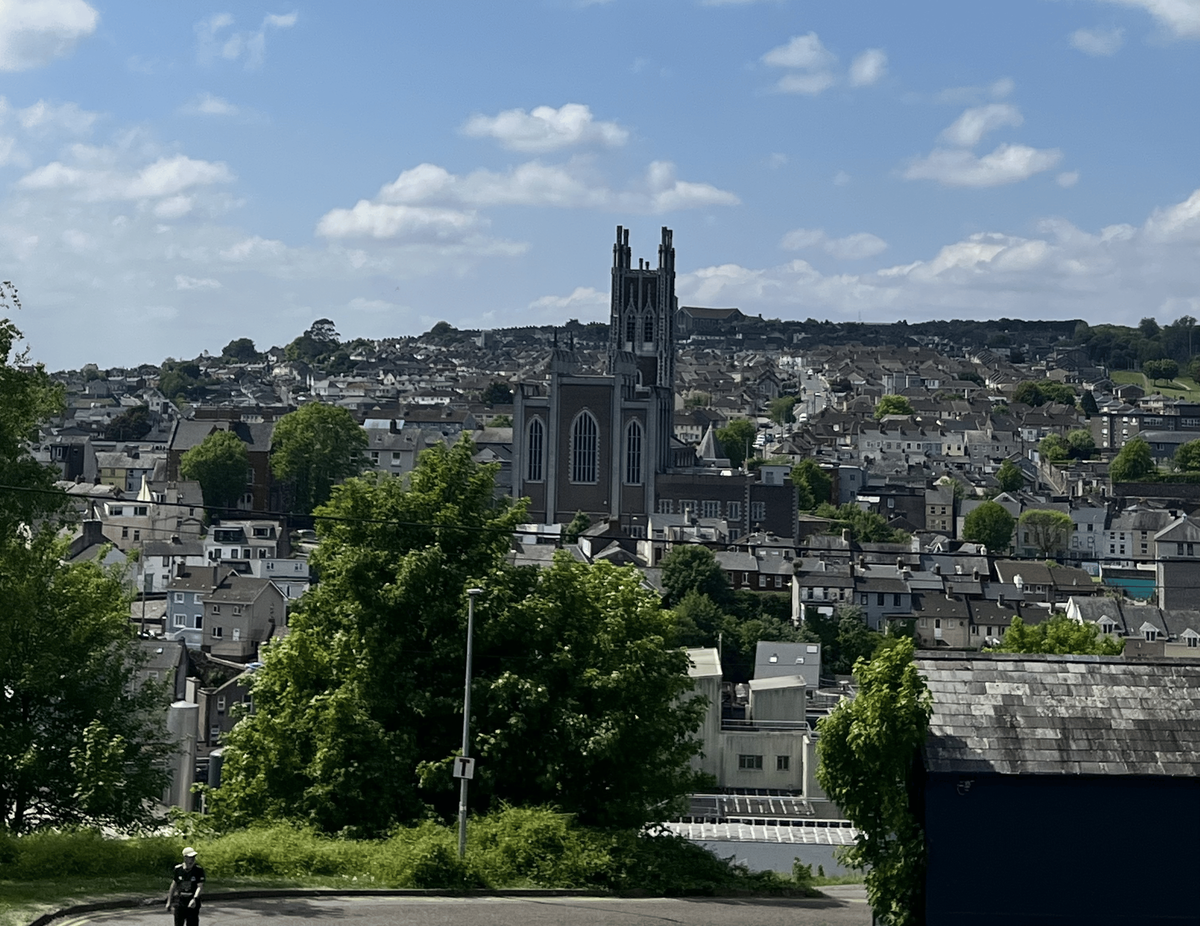
The train from Cork to Galway was more of a time commitment — it clocked in at roughly 5 hours with 2 (simple) train changes. Fortunately, I had plenty of work to get through, so the time went by quickly.
Traveling to Galway
Bohemian and welcoming, Galway is a west coast gem with cobblestone streets, live music and a gorgeous coastline.
Known for its thriving arts scene, cozy pubs and colorful shopfronts, the city has a laid-back charm that makes solo wandering feel safe but still magical. It’s small enough to explore on foot, but big on character and history.
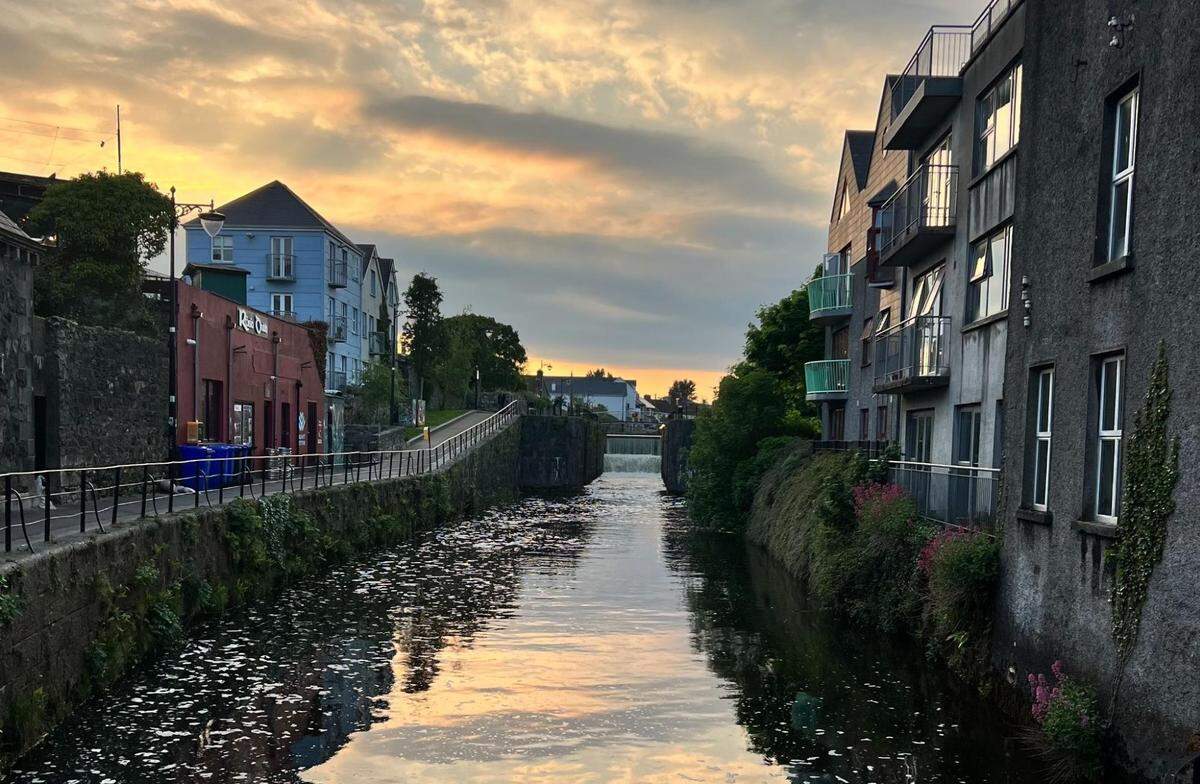
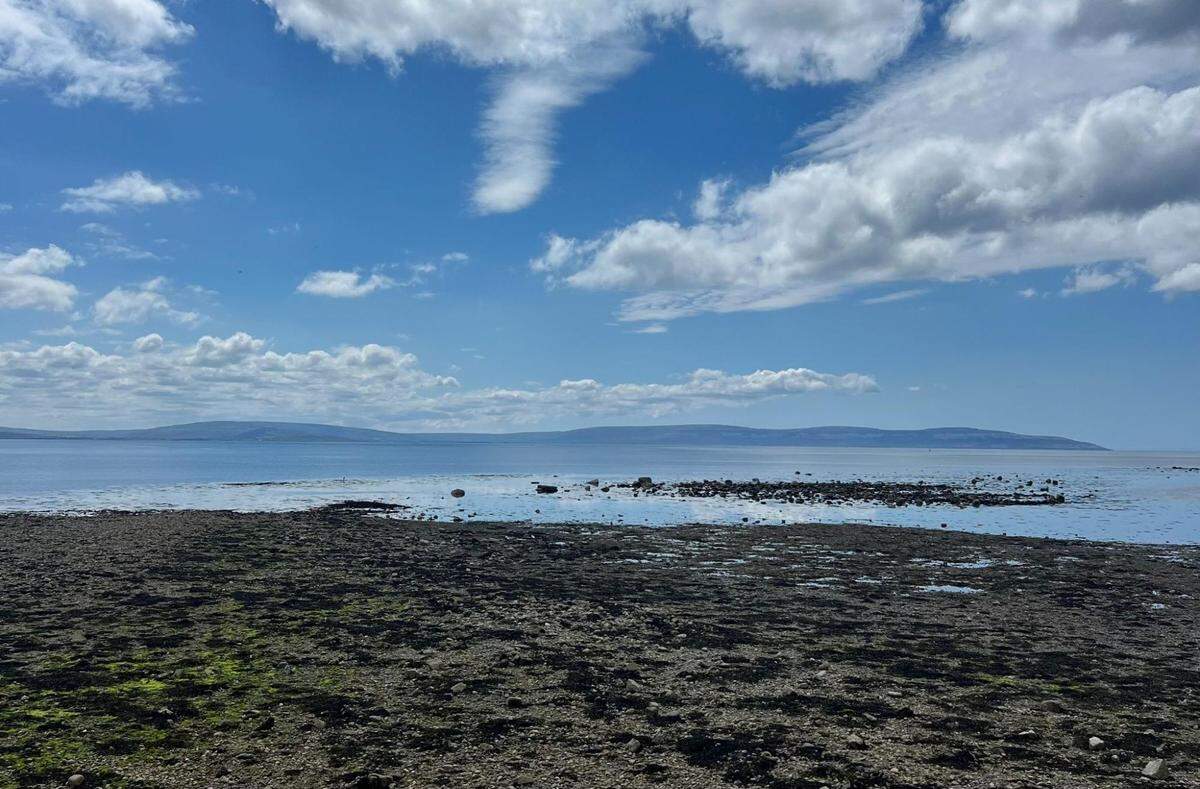
Here, I opted for my first Airbnb. Located in the Westend, I was able to access everything — including Salthill, a strip of beaches — on foot.
My final stop before ending the trip in Dublin was Connemara. It was at this point that a friend joined me, so we opted to rent a car in Galway and drive an hour and a half west.
Staying in Connemara
Wild, windswept, and stunningly remote, Connemara ended up being my favorite location. Unlike Ireland’s main cities, Connemara isn’t as easily reached by train — which is part of what keeps it feeling so untouched.
To truly explore its winding coastal roads, mountain passes and tucked-away villages, renting a car is your best bet. Luckily, traffic is often sparse once you’re outside Galway ... Just be ready to share the road with the occasional sheep.
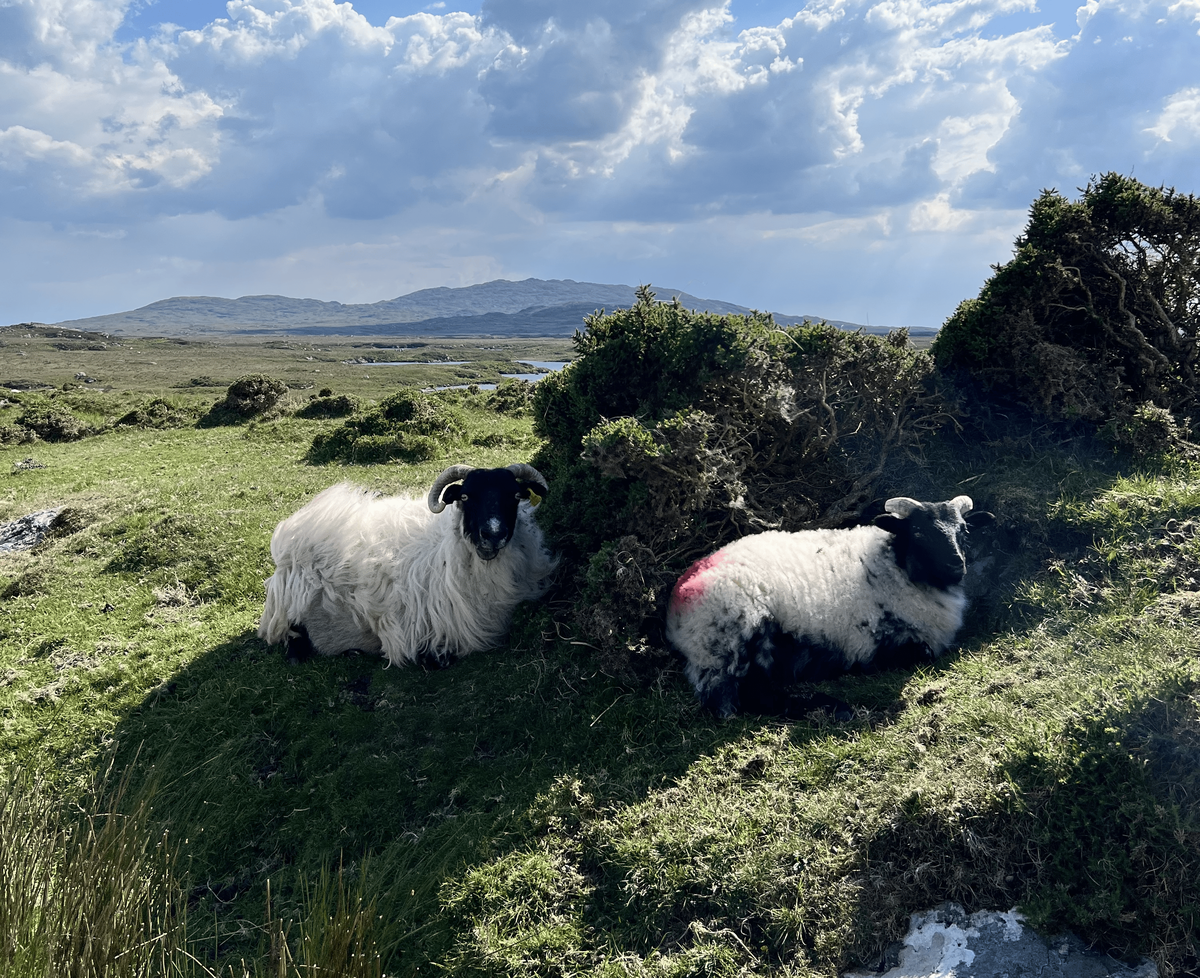
We stayed in Clifden, a small but vibrant coastal town often referred to as “the capital of Connemara” because it’s the largest in the region. For context, the population is still just around 1,200 people.
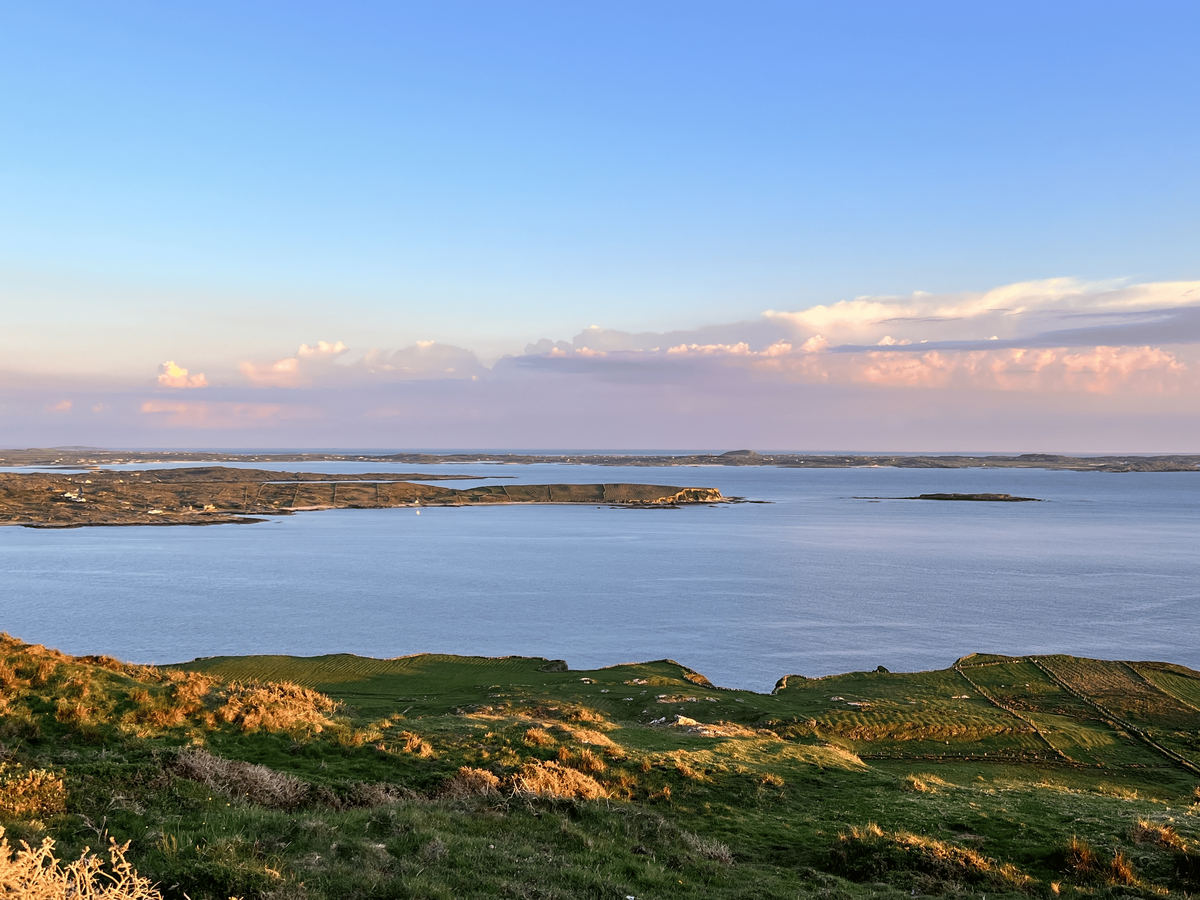
From our Airbnb on Sky Road, we could easily walk into town for a bite or to see the shops, but if we headed in the other direction, this windswept loop splits into Lower and Upper Sky Road, offering sweeping views of Clifden Bay, the islands of Inishturk and Turbot, and rugged cliffs meeting the Atlantic. Here, I saw one of the most beautiful sunsets of the trip.
After the bustling cities, Connemara offered a lovely chance to feel immersed in the seemingly endless nature Ireland has to offer.
From there, we dropped the car in Galway and took the train to Dublin. A quick two nights there at with a few final pub stops set me up for an easy direct flight home. I found Ireland to be a surprisingly affordable and easily navigable trip.
Like mainland Europe, there is plentiful history, plus stunning architecture and lush landscapes. Yet, Ireland’s culture and people felt distinct and overt, in all the best ways. Especially if you’re as fortunate as I was to have very little rain, visiting in May was better than I could have asked for.