The Skillcation Trend: How Craft Vacations Are Changing the Way We Travel
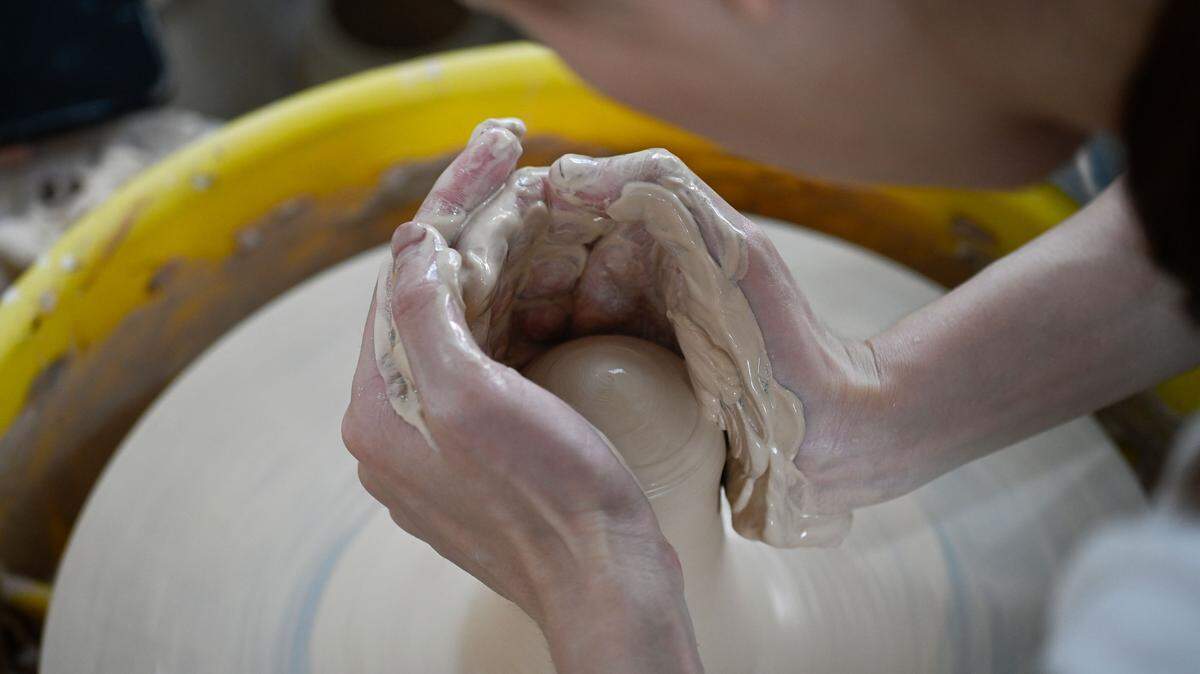
The poolside vacation isn’t going extinct — but travelers are increasingly demanding more from their trips than a tan and a keychain. A skillcation, the buzzy new style of getaway built around learning a hands-on craft tied to a destination, is reshaping how Americans spend their time off and their money.
The shift matters now because the $21 billion U.S. souvenir industry is losing ground to experiences travelers can carry home in their hands and their heads. Workshop bookings are surging, Gen Z is driving the trend and artisans practicing dying trades are getting an unexpected lifeline.
What Is a Skillcation and Why It’s Taking Off
A skillcation is a trip organized around learning a specific skill rooted in the place you’re visiting — think studying Ikebana flower arranging in Kyoto, Japan, or learning agave cultivation and tequila-making in Mexico. The common thread is a connection to local people, place and heritage rather than a generic class you could take anywhere.
The category is growing fast. Data from GetYourGuide, a travel experiences platform, shows more Americans now say they’d rather bring home a new skill than a physical souvenir. Gen Z is leading the way, with 34% saying they want to pick up a new hobby on vacation. Workshop bookings on the platform jumped 66% in summer 2025 compared with the previous summer.
For context, two out of three Americans still bring back a souvenir from their travels. But the souvenir industry has faced growing criticism over mass production and cultural appropriation — and travelers are voting with their wallets.
Why a Hands-On Craft Experience Beats a Gift Shop
There’s a real case that vacations are the ideal moment to learn something new. A study conducted by professors and PhD students at the Chinese University of Hong Kong found that travel boosts creativity — and that even recalling a long-ago travel memory can increase creative output. The holiday mindset itself makes people more receptive to learning.
“A great skillcation challenges you to learn, create, and connect with a place, its people, and yourself. The result is more than a trip—it’s a story, a memory, and a new skill to carry home,” Jennifer McClymont, travel expert at Naya Traveler, told Men’s Journal.
There’s also a wellbeing argument. Ciara McCabe, professor of neuroscience, psychopharmacology and mental health at the University of Reading, told Adventure that learning itself can lift mood and self-esteem.
“Leisurely activities can reduce depression and depression risk—maybe because they include a range of active ingredients that are health-promoting, like opportunities for creative expression, aesthetic pleasure and cognitive stimulation,” McCabe said. “Even short activities can improve our mood, but to have a sustained effect we likely need to do them often.”
How the Skillcation Experience Helps Keep Traditional Crafts Alive
Skillcations aren’t only good for travelers. They’re throwing a lifeline to artisans practicing trades that have been in decline for centuries, like blacksmithing. Workshop bookings from tourists are helping skilled craftspeople stay in business — and keeping the techniques themselves from disappearing.
“When managed correctly, tourism helps artisans keep their fires burning. It validates their culture in the eyes of the world and provides the resources to keep traditions alive. It turns the artisan from a relic of the past into a vital part of the modern economy,” according to The Tourism Institute.
For more information: Inside Artisan Workshop Travel: From $45 Fès Pottery to Florence’s $762 Leather School
For travelers weighing their next trip, the trade is becoming clearer: a mass-produced trinket, or a skill that lasts long after the tan fades.
This article was created by content specialists using various tools, including AI.