
Wellness Retreats Are Having a Moment. But Do They Actually Deliver the Benefits They Promise?
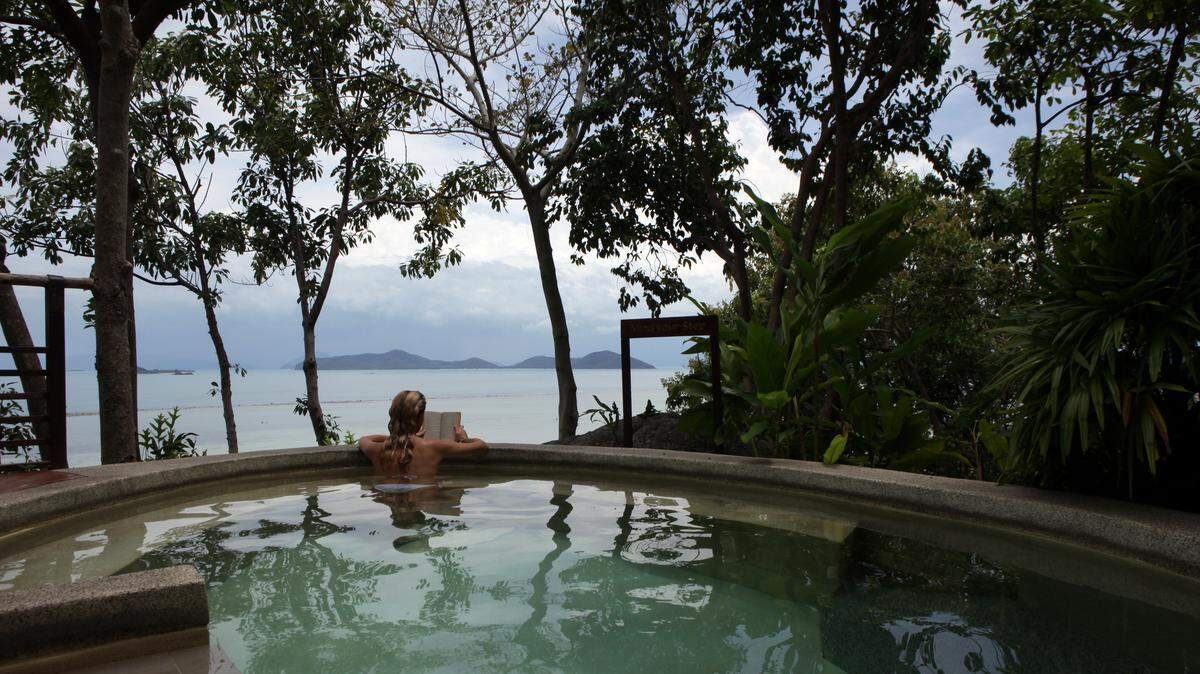
Wellness travel has shed its mud-mask reputation. What was once a passive escape built around spa days and quiet pools has morphed into something far more ambitious fitness assessments, sleep tracking, diagnostic panels and longevity programs promising to add years to your life. Travelers are booking flights across oceans not to switch off, but to be transformed.
The question worth asking before you swipe a credit card on a four-figure retreat does any of this actually work, or is “longevity” the wellness industry’s most lucrative marketing word yet?
“Travellers are looking not just to relax during a vacation or have an adventure. Many are looking for a transformative experience,” Ari Lightman, professor of digital media and marketing at Carnegie Mellon University’s Heinz College, told the BBC.
The industry behind the wellness retreat boom
Hotels and resorts are quietly converting their spas from relaxation oases into health and longevity destinations, with programs that claim to improve sleep, reduce stress and support longer, healthier lives. The shift reflects a broader appetite for preventive health among consumers who want measurable results from their vacation days. Operators are responding with diagnostic equipment, medical staff and structured itineraries that look more like a hospital intake than a holiday.
McKinsey’s 2025 Future of Wellness survey found that 6 in 10 people now rank healthy aging as a top priority. The Global Wellness Institute calls one of the fastest-growing segments in a $6.8 trillion (£5.5 trillion) industry. The “longevity” promise is tantalizing, even if it remains largely a wellness industry framework rather than a proven medical outcome.
The case for booking a wellness retreat
There is a real argument that getting away does the body and mind good. Long-term stress changes the brain affecting mood, memory, behavior, attention spans and decision-making. A retreat, in theory, interrupts that cycle.
“One of the key ways wellness retreats make a difference is because they allow us to escape the stress of home, and engage in activities that help us buffer ourselves from the effects of stress,” Dr. Lila Landowski, a neuroscientist at the University of Tasmania and a health ambassador for the World Health Organization, told Forbes.
Many retreats also push habits with well-established benefits healthier eating, regular movement, meditation and stress reduction. None of those require a passport to practice, but a structured environment can make them stick at least for the length of the stay.
The case against expensive longevity programs
The scientific evidence for the longevity promise is, in a word, thin. Ultra-luxury medical retreats can cost tens of thousands of dollars before flights, and multi-night stays at specialized clinics routinely run into the thousands of pounds. For that kind of spend, the outcome data is underwhelming.
Kamal Wagle, a geriatric specialist at Hackensack University Medical Center’s Center for Memory Loss and Brain Health in New Jersey, told the BBC the “scientific evidence is scant” regarding any direct correlation between longevity and a wellness retreat. He does note that retreats encourage habits with proven health benefits which is a meaningful endorsement of the behaviors, if not the price tag attached to them.
What a real wellness retreat actually looks like
For travelers weighing whether a retreat is worth it, individual experiences offer a more grounded picture than the glossy marketing. San Priy booked Canyon Ranch’s Longevity8 program in Tucson, Arizona a four-day stay that included diagnostic tests, consultations, hikes, walks and bike rides. The format is typical of the new wave of wellness travel, blending medical-style assessment with active outdoor programming.
“The biggest takeaway for me was around sleep and recovery. I became more consistent with my routine and more aware of how daily habits affect energy and focus. I’ll be honest, it’s harder to stay consistent without the structure of the retreat. It wasn’t a dramatic transformation. But it did shift how I think about maintaining my health long term,” Priy told the BBC.
That account captures the honest middle ground. A retreat can reset habits and sharpen awareness. Whether it adds years to your life is another question entirely and one the industry has not yet answered with science.
How to decide if a wellness retreat is right for you
If you are considering booking a wellness retreat, weigh what you actually want from the experience. A stress reset, a kickstart to better habits and a few days of structured movement are realistic outcomes backed by the experts cited above. A dramatic, lasting transformation in your biological age is not a promise the science currently supports.
Cost matters too. The behaviors most retreats teach better sleep hygiene, more movement, less stress, healthier eating are free. The retreat is buying you the structure, the setting and the focus to practice them. For some travelers, that is worth the price. For others, the same outcome is available closer to home, at a fraction of the cost.
This article was created by content specialists using various tools, including AI.
.jpeg)