
Plan your New Year’s goals with the help of these 6 Charlotte fitness professionals

What’s better than setting your New Year’s health and fitness goals with an expert? Doing it with six.
We asked six local health, nutrition and fitness experts about setting challenging but realistic health and fitness goals for the new year. They shared helpful tips, gave advice on holding yourself accountable and outlined effective ways to evaluate progress.
Here’s what they had to say (answers have been edited for brevity and clarity):
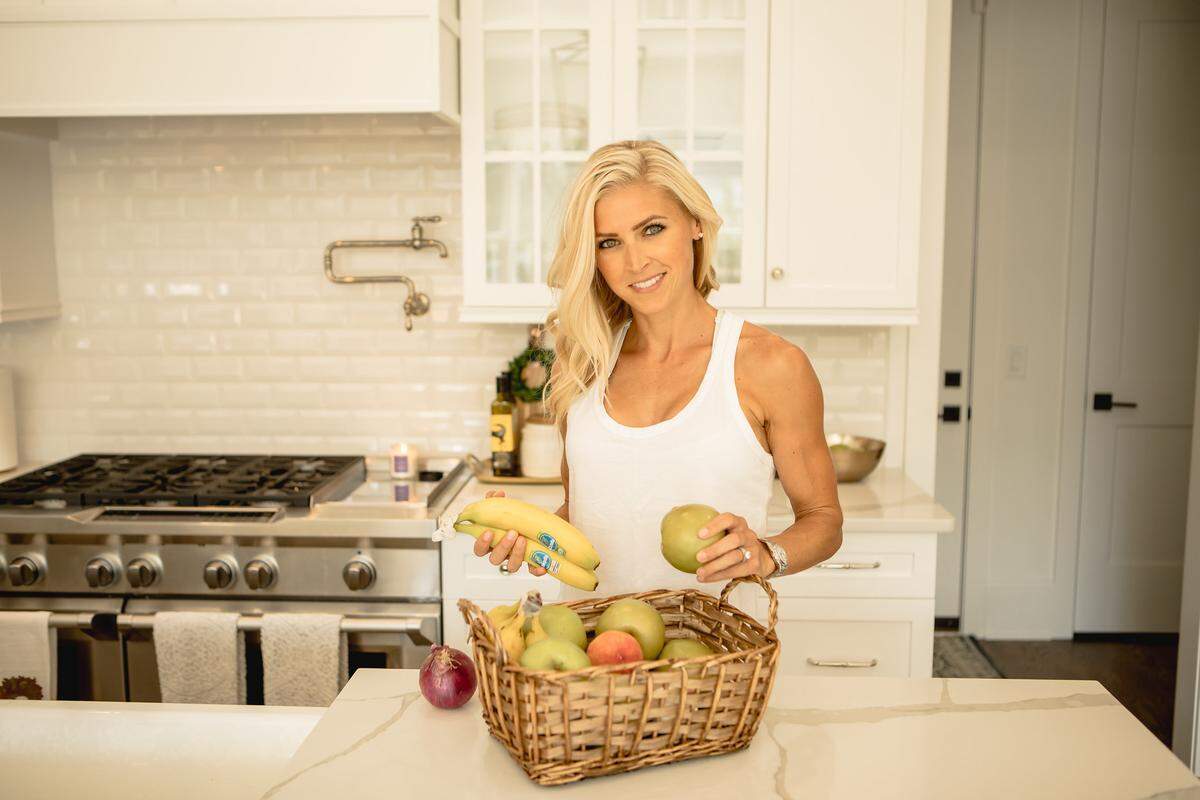
Courtney Bursich, nutrition and health coach
Organicblondielife.com, Instagram: @organic_blondie
What are some goal-setting tips or strategies for keeping it manageable but challenging? How do you set a plan that works for you?
Adopt the mentality of “one good choice.” I tell all my clients that at any point in your day if you feel like you’re straying from your goals, make one choice to better your health. It could be taking a short walk, drinking a glass of water, speaking a statement of gratitude or just closing your eyes and taking a five-minute break to reset and rest. That one choice can shift the direction of the rest of your day, and more importantly it helps create a new pattern of better choices.
What are some simple tricks that can make a big difference?
If you’re looking for the most bang for your buck in regard to your health, prioritize digestive rest. This means cutting out mindless snacking, focusing on fasting for 12 hours each night and consuming two to four nutrient-dense meals during the day. By embracing this strategy, you optimize your digestion, become more metabolically fit and strengthen your immune system to protect it from disease.
What if you are in a rush? Out to dinner or at a party?
Eat something light before you go. Nothing sets you up for failure more than showing up to a party starving. Smoothies can be a great way to pack in a lot of nutrients in a portable, easy-to-consume meal if you’re on the go. I also always carry some mixed nuts and individual packets of olive oil with me. That way if I have to order out I can always get some protein with leafy greens and dress it with a high quality oil (fat) to hold me over.
How and how often do you evaluate your progress?
This can be very personalized. For the type A person, I recommend stepping back from the counting and scale measurements. It can be the biggest hurdle mentally, but this makes you more concerned and aware of how you feel rather than focusing on a number goal. Get used to using bio-feedback such as hunger, energy, digestive function, sleep and cravings to determine how you’re doing. These are the areas that will show you how you’re doing internally.
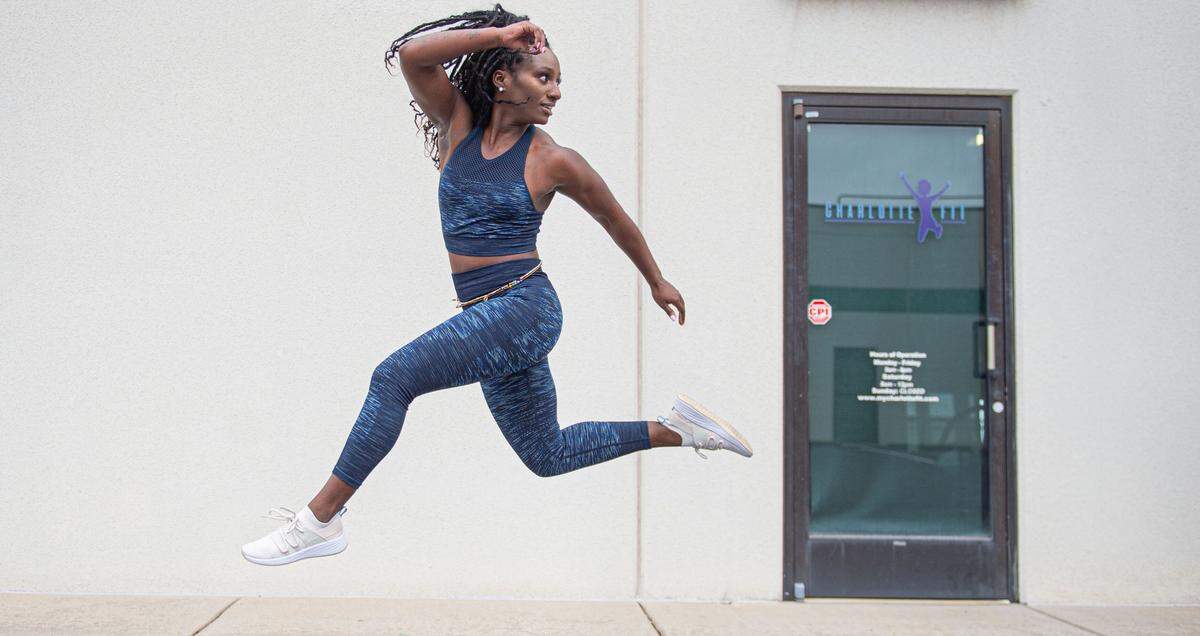
Taylor Calamese, trainer and weight management specialist
www.mycharlottefit.com, Instagram: @prettyfit_trainer
What are some goal-setting tips or strategies for keeping it manageable but challenging? How do you set a plan that works for you?
I always recommend starting small and focusing on the behaviors you would like to do more often, rather than what you would like to avoid. For example, if I want my clients to decrease their soda intake, we focus on setting goals around increasing their water intake. This automatically leaves less room for soda and sugary beverages. Another strategy is to focus on one thing at a time. Trying to change too much at one time can be overwhelming and lead to behaviors that are too restrictive, making you are less likely to maintain them over a long period of time.
Every little bit helps so focus on the areas that feel most manageable to you. If nutrition is an easy place, start there. If increasing your physical activity comes more naturally to you, start there. The big thing is that you start somewhere. As you begin to build some consistency in that area, then branch out. Building up confidence in one area will help you to feel capable enough to tackle other areas.
What are some simple tricks that can make a big difference?
Something that I find extremely helpful is recording my food. Food tracking apps such as MyFitnessPal and Lose It give you immediate feedback for an overall picture of your eating habits and can highlight patterns that could be holding you back from reaching your health goals. Another trick is to find fun ways to get moving by inviting your friends to join you on a walk or listening to your favorite music. If you don’t enjoy it, you are less likely to do it. Find a way to make it fun.
What if you’re in a rush? Out to dinner or at a party?
I always tell my clients, “pick your thing.” For instance, if you know you want to drink alcohol, then skip the desserts and breads and make healthier food choices. If dessert is your thing, then skip the alcohol and load up on more fruits and veggies — enjoy the cake. There will have to be trade-offs to reach your goals. I don’t believe restriction is a helpful long-term strategy for success. Pick your one indulgence, and make healthy choices when it comes to everything else.
How and how often do you evaluate your progress?
At my gym, we do weekly weigh-ins, monthly body fat testing, measurements and progress pictures. The scale only tells one part of the story and can be very discouraging at times. It helps to have other methods in place to assess your progress. Additional ways to measure your results are increased energy, how your clothes fit and stamina in everyday activities. If you find that the scale is causing you anxiety, skip it and find other ways to track your results. My most “successful” clients are the ones that focus more on improving their health behaviors and paying attention to their triggers and patterns around food. When you start to shift the behaviors, the body responds appropriately.
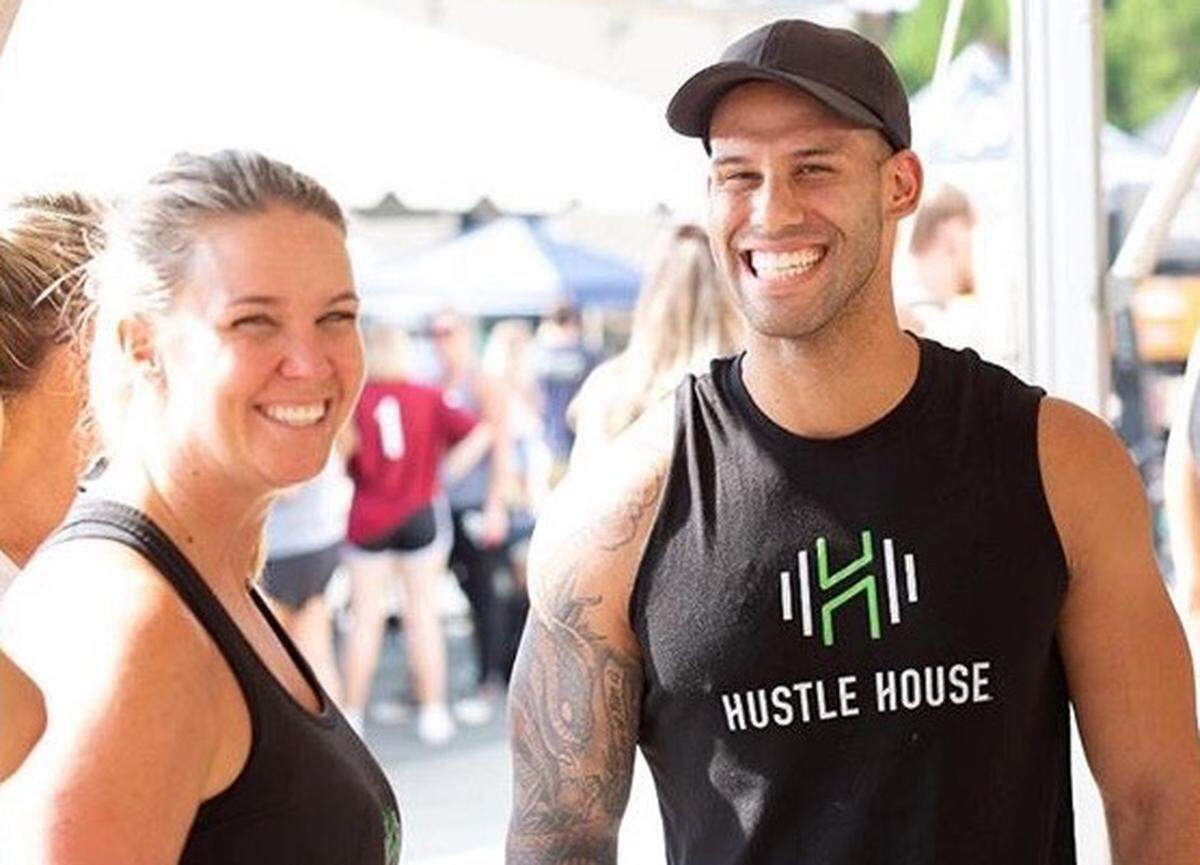
Thad Chevere, co-founder, Hustle House
www.hustlehousefitness.com, Instagram: @Thaddy15
What are some simple tricks that can make a big difference?
I don’t believe in tricks to reaching fitness goals, just consistency. Follow these five rules and you are almost guaranteed to reach your fitness goals.
Focus on getting seven to nine hours of sleep every night.
Eat protein and produce with every meal.
Take at least 10,000 steps each day.
Drink plenty of water.
Get in three full-body workouts each week.
Best ways to hold yourself accountable?
I use MyFitnessPal to track my calories and macros for meals. For activity and sleep tracking, Fitbit is my go-to tool. And to make sure I don’t miss a workout, I have workout buddies who help hold each other accountable.
What if you’re in a rush? Out to dinner or at a party?
If I’m in a rush for food I use a meal prep company for my food, which I can heat up on the fly. My favorite is Project Lean Nation. The meals are healthy and taste great. If I know I’m going to dinner, I plan a lighter breakfast and lunch so I can better enjoy my dinner.
How and how often do you evaluate your progress?
I track my body fat percentage once per month to make sure that any weight I’m losing is not muscle, and any weight I’m gaining is not body fat. I have gone to Project Lean Nation in the past to track my body fat percentage, but now at Hustle House we will have a 3D body fat percentage scanner, which will show me an image and pinpoint body fat.
In addition, I take progress pictures every month. Having the pictures to look back at can be huge in realizing how far you’ve come.
Jen Eddins, trainer, yoga teacher and fitness/health blogger
www.peanutbutterrunner.com, Instagram: jen_pbrunner
What are some goal-setting tips or strategies for keeping it manageable but challenging? How do you set a plan that works for you?
Set specific, measurable goals. Don’t just focus on the end goal, but identify important steps/milestones/mini goals along the way. For example, if you want to run a marathon in 2020, but you’ve never run further than a 5K, your initial goals might look something like run three days a week for three months, gradually building mileage into double digits, to build a strong base before you tackle an actual marathon training program.
Overall, I think the absolute most important thing that you can do is to look at it as a lifestyle and not as an “exercise plan” or “diet.” Focusing on creating a new way of living is the most surefire way to promote long-term success.

What are some simple tricks that can make a big difference?
I’m a huge proponent of “add, don’t subtract.” Instead of focusing on all of the things you can’t have or can’t do and feeling deprived, add new, healthy habits. This might look like adding 20 ounces of water when you first wake up every morning, a 30 minute walk every day, five minutes of meditation, a daily green smoothie and so on.
Remember, if you slip up, start again. And again. And again. As many times as it takes.
How and how often do you evaluate your progress?
I think being overly focused on the numbers can be a recipe for disaster. I’ve had the most success tracking results through things like progress photos and paying attention to how you feel in your body and in your clothes.
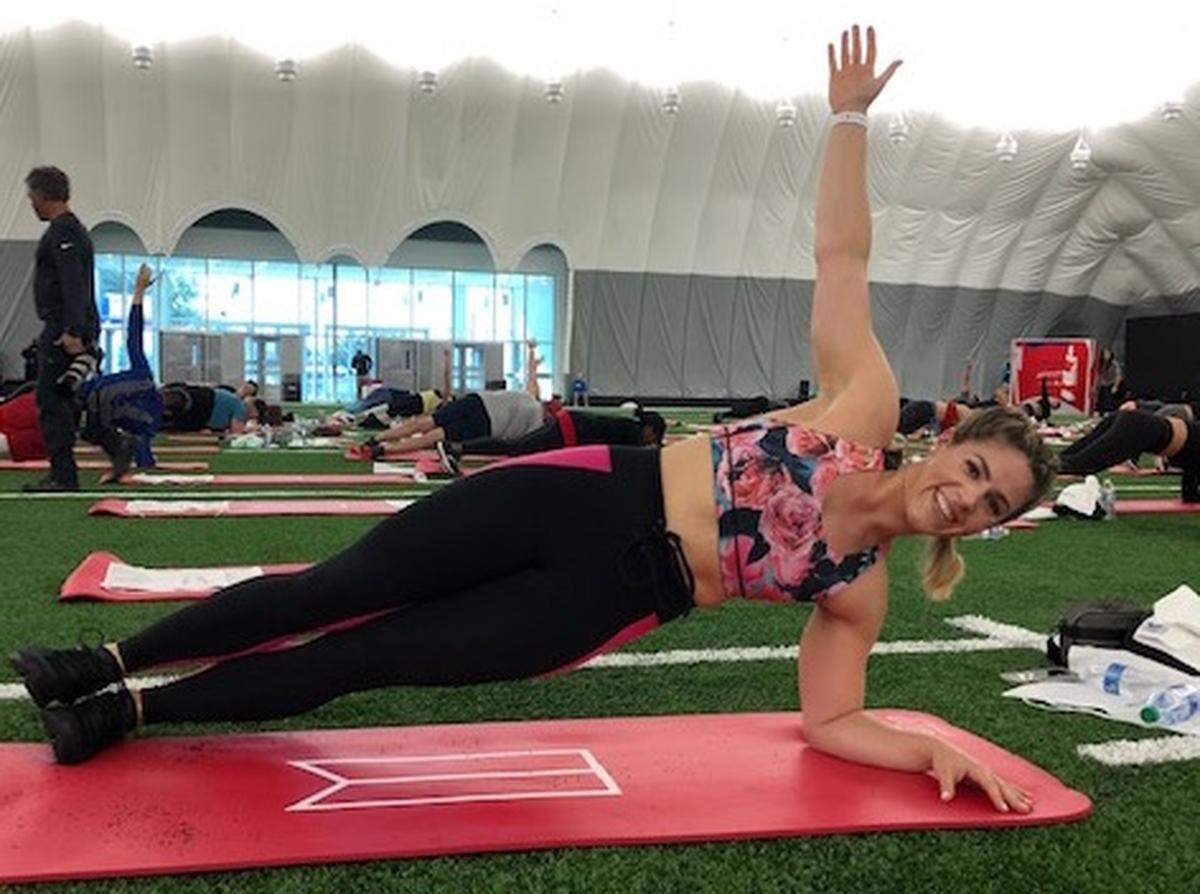
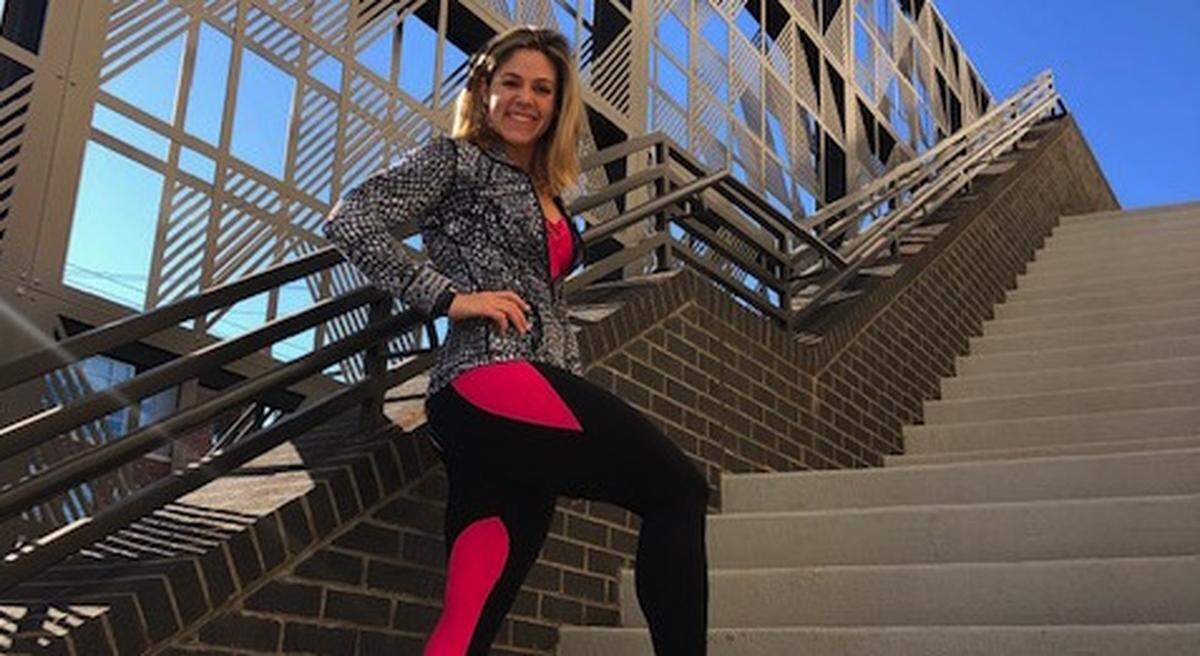
Krysta Huber, trainer and nutrition coach
Instagram: @kh_fitnessfix
What are some goal-setting tips or strategies for keeping it manageable but challenging? How do you set a plan that works for you?
I have two pieces of advice. The first is breaking it down, and the second is focusing on creating new habits. There’s nothing wrong with setting a BIG goal to keep it challenging, but it can also be very daunting. I advise my clients to approach their goals in phases — pull that big goal apart into two, three, maybe even four smaller ones.
Let’s say your goal is to lose 20 pounds — and you want to do that by the beginning of April because you’ve planned a spring break trip to the beach. That particular event might be instrumental in building your motivation, so it’s not necessarily a bad idea to set a timeline.
The first step is understanding and acknowledging that a healthy weight loss approach is (very generally speaking) about one pound per week. That can sound slow, especially with today’s unrealistic fitness and dieting standards, but it is a general guideline. There are 12 weeks between Jan. 1 and April 1. So how can you lose 20 lbs in 12 weeks?
I ask my clients to think about what they can feasibly accomplish and what they are willing to accomplish. Rather than centering those accomplishments on weight loss benchmarks, I ask them to consider changes in their behavior. Can you commit to a month of zero alcoholic drinks? Can you eat out two times per week instead of five? Those are changes that become habits, and the habits that drive results. Once we’ve determined what changes they are willing to make, we can break it into smaller weekly or monthly goals.
What are some simple tricks that can make a big difference?
This might not be new, but it’s something I’ve personally seen a big change in over the past two years: Get your steps in. I transitioned from a much more sedentary desk job to fitness training about a year and a half ago and have seen a clear, measured difference. There’s a term called NEAT, which stands for non-exercise activity thermogenesis. It’s a fancy-sounding term that really just encompasses the physical activity we do outside of our regularly scheduled and programmed workouts, fitness classes, etc.
Working out twice a day isn’t going to speed up the weight loss process. Instead, you’re better off spending your time getting the one tough workout in, and going for a walk at some other point in the day to increase your step count.
What if you’re in a rush? Out to dinner or at a party?
I love this question because this is real life. At some point in nearly every day we will be in a rush. How do we deal with that? We take the time when we’re not rushing to plan. As a coach, my suggestions for planning look like this:
1. Meal prep: take whatever day is your least busy day and get some items prepped and ready in your fridge. For that moment when you’re rushing and Chick-Fil-A sounds easier than turkey roll ups, Greek yogurt and berries, you’ll be happy you did.
2. Track your food in advance: If you’re using tools like MyFitnessPal or similar apps out there, why wait to track your food as you go about your day? Before you go to bed, plan tomorrow’s meals entirely. It may sound rigid, but it’s necessary to form new habits. It doesn’t mean you can’t adjust it in the moment, but you’ll have a framework.
3. Plan for dinners and parties in advance: Look up menus before you go. When that’s not possible, evaluate the options you have and make the best possible choice. When you’re able to plan in advance and have an idea of what you’re eating, you’re also able to make better decisions as it relates to your food earlier in the day. And remember, one “wrong” meal isn’t going to ruin everything.
How and how often do you evaluate your progress?
I step on the scale regularly, and advise my clients to do the same. Here’s the kicker — it’s not to actually evaluate the number every single day. The purpose is to track weekly averages. Here’s why: If you step on the scale every Monday after a weekend of restaurant meals, alcohol and maybe some other choices you wouldn’t typically make during the week, I’m pretty confident your exact weight on that Monday morning will be higher than the Friday before that weekend. As a result, if you continue to weigh in only once a week and always on a Monday, you’ll probably get very discouraged. Our bodies fluctuate weight so frequently (I mean literally throughout the course of the day) so consistency and frequency are imperative.
I also love physical measurements and progress photos.
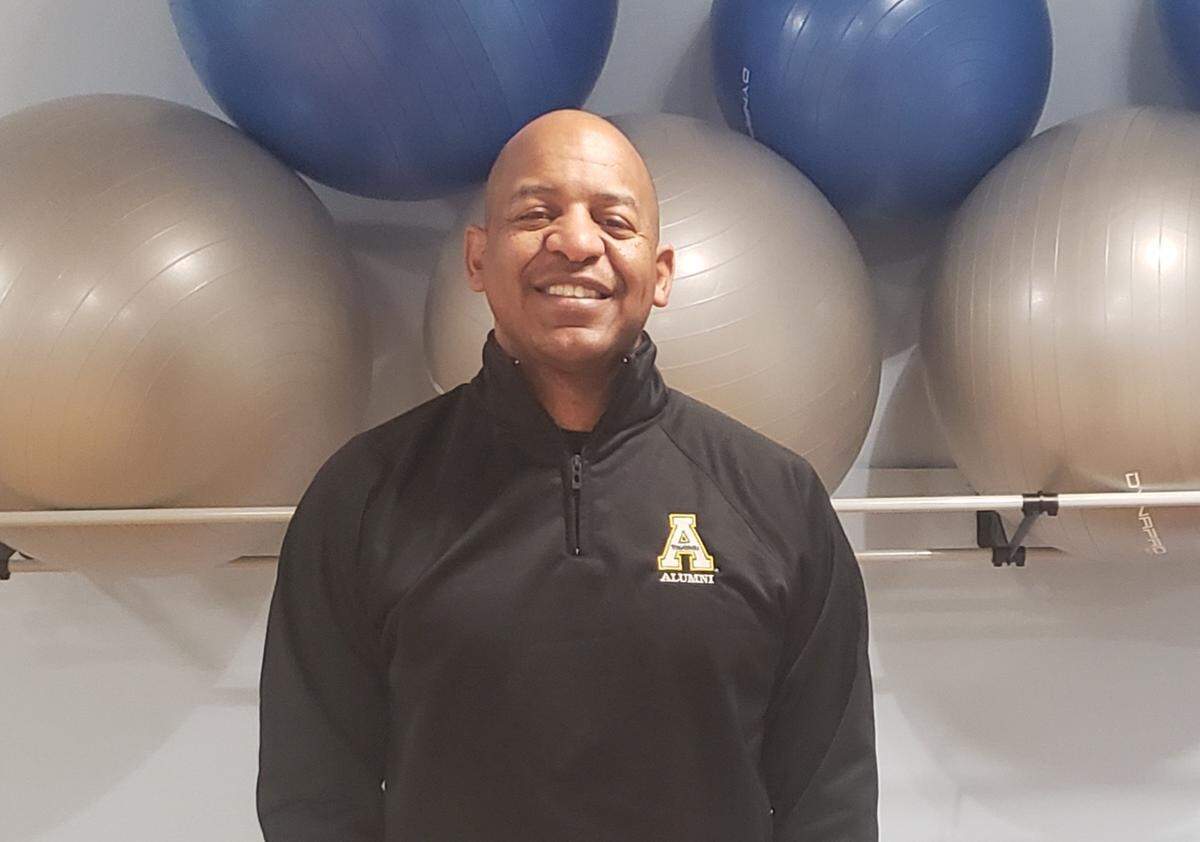
John Moss, fitness service provider at OPRC, Fitness Fusion LLC owner
What are some goal-setting tips or strategies for keeping it manageable but challenging? How do you set a plan that works for you?
I encourage clients to use the S.M.A.R.T goal setting strategy.
Specific: What is your precise goal?
Meaningful: Why is this goal important to you?
Actionable: What steps will you take to reach your goal?
Realistic: Is your goal reasonably attainable?
Timely: What is your time frame date goal for reaching your goal?
What are some simple tricks that can make a big difference?
When it comes to health and fitness, time management is key. If you can’t make it to the gym, don’t let it be an excuse. Body weight calisthenics at home can take missed workouts out of the equation.
I also suggest keeping a set of workout clothes and shoes in the car so you’re prepared to jump in on any last minute plans or active opportunities. Bring a healthy lunch from home, and invite your co-workers to go for a walk at lunch. Dynamic movement exercises (think of a swimmer warming up their arms) can be performed in a cubicle space. Bottom line: no excuses.
Additionally, keeping a journal is a very effective tool. Write everything down from the workouts you perform to the food and drinks you consume. Plan ahead for classes and document them.
What are the best ways to hold yourself accountable?
The best way to hold yourself accountable is by sharing your goals and your journey with others. Whether you hire a personal trainer, take a class at a facility or have a designated workout buddy, having a community of support is key. Believe me, someone will ask how it is going. Use that person or that group to help keep you on track.
How and how often do you evaluate your progress?
Before you start any program or routine, record your baseline stats. Use a tape measure to measure your waist, hips, stomach, arms and legs; step on a scale and record your weight; and take beginning photos from the front, side and back. Then update your weight once per week and your measurements and photos monthly. Tracking in this way allows you to see your progress on multiple levels. It also allows you to look back on your methods and results and see what worked for you and what didn’t.