We’re not just texting now. Coronavirus has brought the phone call back to Charlotte.
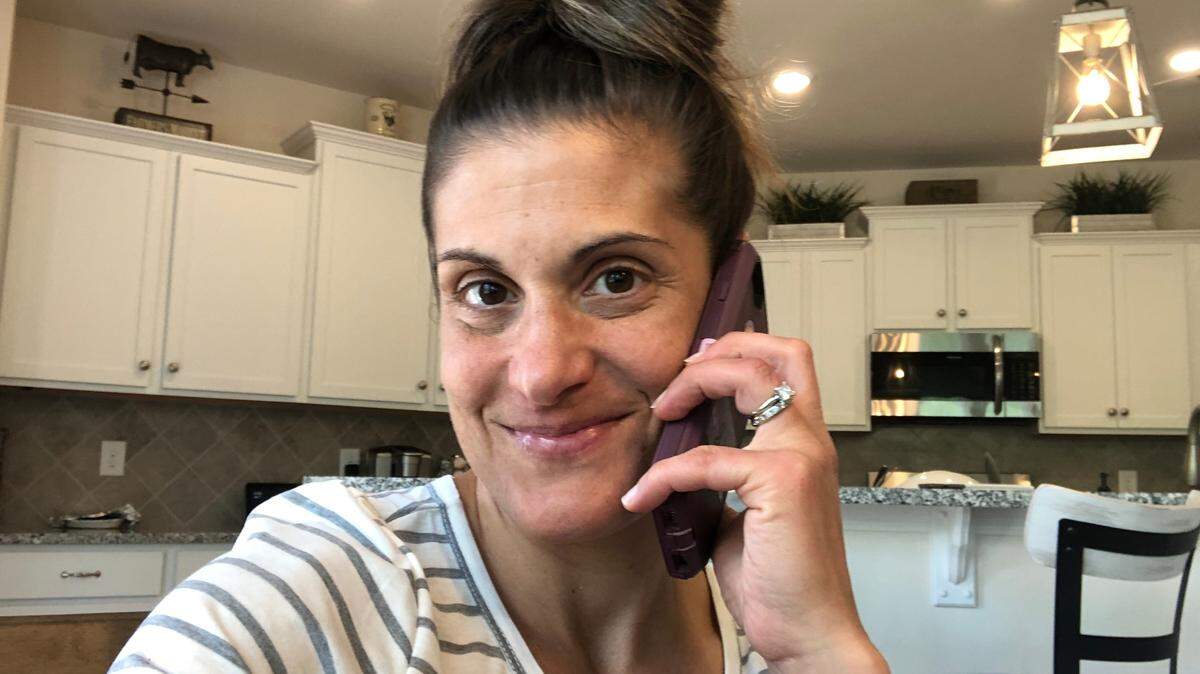
After Karyn Collette Johnson, 44, moved to Fort Mill from Connecticut in October 2019, she would keep up with friends and family back home with quick text messages.
That was before the novel coronavirus arrived. “It’s funny because I used to avoid calling because I didn’t want to be stuck on the phone for long,” Johnson told CharlotteFive.
“But now, I’m actually finding myself calling without even thinking about it.”
COVID-19 has brought an instant new way of life, one full of social distancing, self-quarantines and isolation. In Mecklenburg County, we are under a stay-at-home order through the end of the month. A meme is going around that sums up many of our feelings: “It’s like I’m 16 again. Gas is cheap, and I’m grounded.” However, the meme missed the other part of feeling like a teenager again: The return of using the phone as — gasp — a phone.
When we were younger, dialing up your BFF meant picking up the phone receiver from the hallway and stretching the cord as far as you could under the bedroom doorway for some privacy. Hours flew by as day became night, then late night, with your dad eventually picking up the other extension to yell at you that it was past your bedtime.
These days, it may be your dad himself that you are calling. Or your best friend, your boyfriend, or even that childhood BFF that you haven’t found time for in years.
Why is the phone so popular again?
Johnson said she feels calling is what she needs during this time. “It’s comforting and helps me feel connected.”
Johnson was recently laid off from two jobs as a fitness coach, with Orangetheory Fitness and the YMCA. Her home life has also turned upside down, between her husband working from home, her children’s e-learning and a lack of quiet time to focus on her own projects. “I thrive on structure and routine, and with the lack of it, it’s been a challenge to feel some normalcy.” The phone calls offer a connection to the outside world.
Since cities all over the country began adopting stay-at-home and shelter-in-place orders, people everywhere are picking up their phones in the more traditional sense.
The Wall Street Journal wrote about it last month: “What’s more, the people they’re calling are actually picking up,” stated the author, Katherine Bindley.
As of April 14, AT&T customers were calling on Wifi 78% more and dialing in 22% more voice minutes than a typical Tuesday. As of April 15, Verizon customers were picking up the phone 25% more than a pre-COVID typical day.
These days, my time is spent going to the grocery store, running or hiking — at a distance — with a friend, or diving into the next “it” Netflix show.
Pre-pandemic, I always preferred the coziness of home accompanied with nice walks in nature, so you’d think isolating would be easy. But now that I’m forced to distance myself, I’ve felt an unease of looming isolation.
In the past, a group text or an email to those I don’t see every day would have sufficed. Now, I find the need to make calls to my family and friends more often and not wait — everything is uncertain and limited now, especially my ability to see the significant people in my life.
Video chatting is having a moment, as well
This need for connection could also explain the surge in video chatting. Skype, Zoom and FaceTime are hotter than ever. Zoom was downloaded 600,000 times on March 15, its biggest day ever, The New York Times reported. Up to Wednesday, April 15, two of the top three iOS and Google Play apps downloaded for the week were Zoom and Houseparty. (The other in the top three was TikTok, but that’s a whole other trend ...)
To connect more with people from the outside, I have set up regular Zoom chats for a ladies night with friends from my hometown and a Zoom health and fitness accountability group so we don’t fall into the abyss of ice cream.
We want to connect more because we all realize we’re vulnerable and want to support each other in need, said Dr. Russell H. Greenfield, director of integrative medicine at Novant Health. “In a time of uncertainty, misinformation, and a number of unknowns — and the sheer fact that [this crisis] is global — it has leveled the notion that we are in this together no matter age and race,” Greenfield told CharlotteFive.
“We’re not meant for isolation, and technology has distanced us,” Greenfield said. “When all our plans were set and secure and now these plans are in question, we want to hear someone’s voice rather than read the words or see someone by Skype, for example. We want to look in someone’s eyes — even 6 feet away — which is a very different concept than a Facebook post or a Tweet.”
“We have an innate need for community,” Greenfield said. “When that freedom is taken away from us, even though it’s for our own good, that is tough for us.”
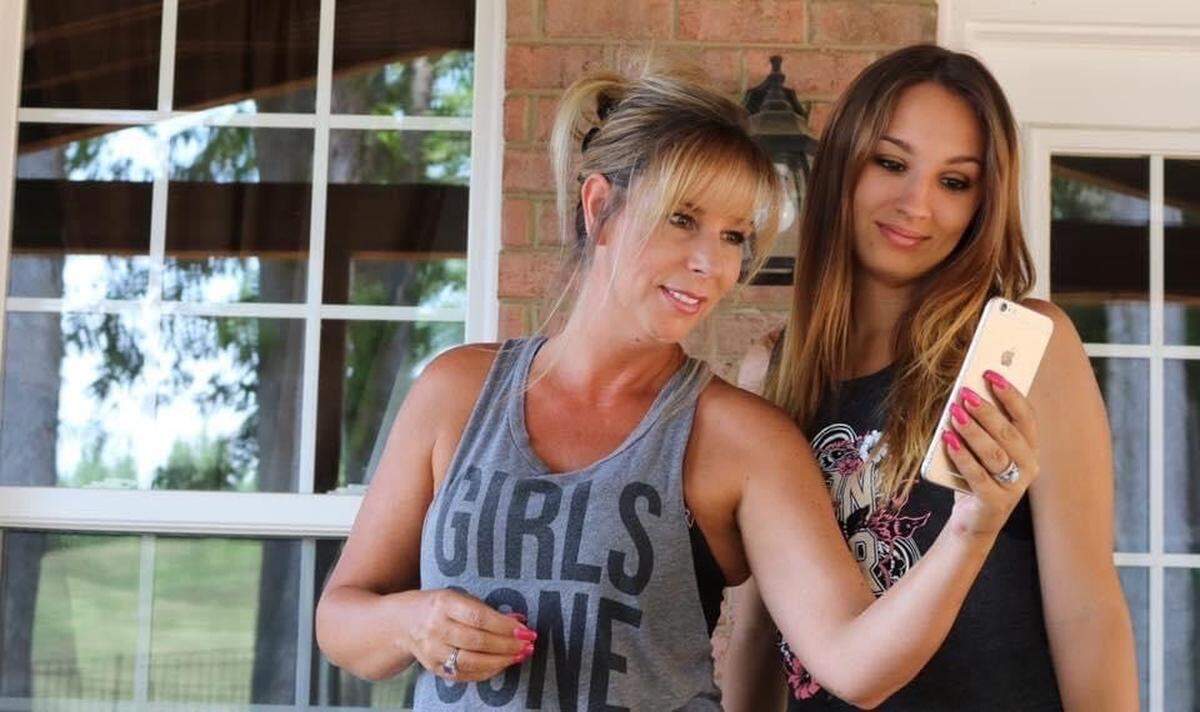
The limited physical connections have made Steele Creek resident Kristina Arshad, 44, want to make more time for the virtual ones. “We usually have such busy lives that we take our visits for granted,” Arshad said. Having an elderly mother and not being able to see her has been the most difficult. “She is getting more depressed from loneliness as each day passes. FaceTiming her daily has helped raise her spirits,” Arshad said.
Worrying more about friends and family is a part of the need to reach out, too, Arshad said, “Some are facing horrible financial hardships. Being able to FaceTime them and see them smile for a few minutes is an amazing feeling.”
Arshad, who does social media for a car dealership, says her job, fortunately, hasn’t changed too much since the pandemic started. Her husband’s reduced hours have been the biggest household change.
Arshad has set aside time with friends and family to hang out with them. “We have been doing silly things, like playing charades and having drinking games. We figure that if we can’t hang out at the bars, we can still hang out virtually.”
Even the office doesn’t offer a connection, from 6 feet apart
“My communication has definitely changed,” said Eastland-Wilora Lake resident Mahdi Dorgham, 24, who works for Zeiss Group in technology manufacturing. “I see people keeping their distance at work when not working from home. I went to the grocery store and didn’t have to squeeze by anybody once.”

With all the isolation, Dorgham said he is calling, video chatting and texting more because — like a lot of people he knows — he is uncomfortable being home right now. “I used to enjoy being home and only went out one or two nights a week. Now, we’re forced to stay home, and we feel trapped,” he said, referring to himself and his housemates.
Normally, he and his friends would have a drink or meet up for dinner, but instead, they are having trivia nights and use video chat to communicate. “I don’t normally do that as I usually meet up in person. But we’re trying to stay home and stay alive,” Dorgham said.
For some Charlotteans, texting is still king
Not everyone is picking up the phone more often, though. Fort Mill resident Jen Wetzel, 40, said she hasn’t needed to change her methods to stay connected. “While I can see that people have the need for more connection with the outside world, I find I can still get that from texting and messaging others. Plus, the beauty of texting is it’s on both my time and their time rather than calling someone only to bother them when they are in the middle of something like work or e-learning.”
Wetzel is now simultaneously juggling being a mom, teacher, entertainer and buddy to her and her husband Brian’s 7-year-old son, Max. Her real-estate career has slowed during the pandemic, but she still is still working, showing homes to clients through videos and then closing contracts with her clients and an attorney over the phone. “It’s just unreal,” Wetzel said.
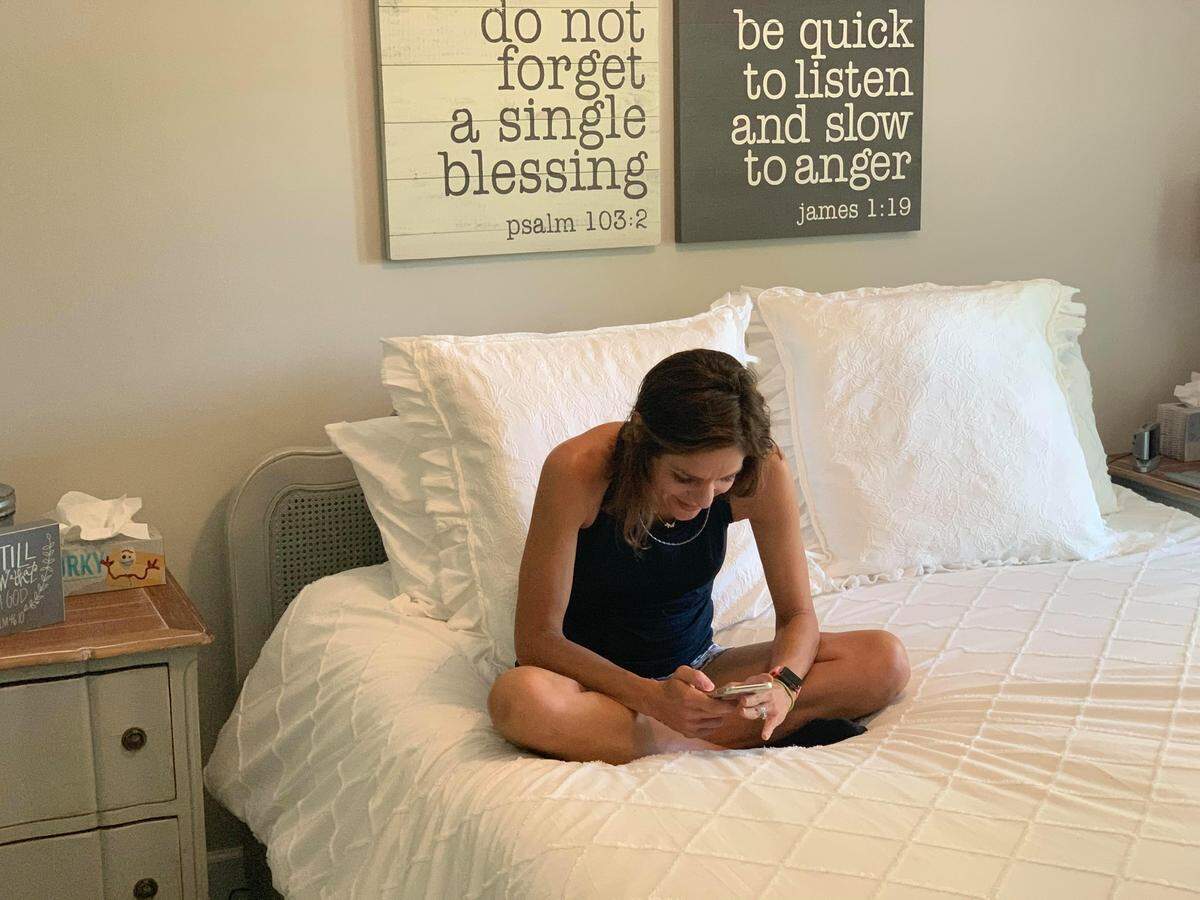
Wetzel said her son FaceTimes his grandparents, and she has noticed this form of communication is something they seem to need, but not so much herself. “There’s a possibility I’m missing out on something by not calling others, but I’ve never been one to be chatty anyways,” Wetzel said.
“I can say what I need to say, as well as invoke what needs to be done, felt, or inspired through texts and emails.” Wetzel said the busyness of having kids at home also makes texting and email still preferable during this time. “It’s been quite an experience, and I’m giving my son and I grace as we navigate through all of this.”
How to adjust to feelings of isolation
How do you know you’re feeling disconnected? Greenfield said to watch out for the following signs:
Anxiety
Depression
Difficulty sleeping
Over-eating
Drinking too much alcohol
Greenfield offers simple and effective ways to reconnect:
- Be kind to yourself.
- Reach out to friends/family or people you haven’t talked to in a while.
- Online counseling.
- Livestreaming yoga and meditation.
- Get outside to engage in nature while staying socially distant.
- Watch an inspiring movie or piece of music.
- Write/journal.