Charlotte will close some streets to allow social-distance exercise during COVID-19.
Coronavirus closed your gym and crowded your favorite park, so now what?
As more Charlotteans turn to outdoor exercise amid the state’s stay-at-home order to prevent community spread of COVID-19, a new dilemma has emerged: How do we socially distance while passing another pedestrian on a sidewalk? A standard sidewalk width is 4 feet, making 6 feet of social distancing near impossible without at least one person darting into a road/grass/bush/tree.
Almost anyone who has taken to enjoying our city’s spring weather in the past several weeks is likely all-too-familiar with the awkward dance of “who goes left, who goes right?” to keep from breathing on each other in passing.
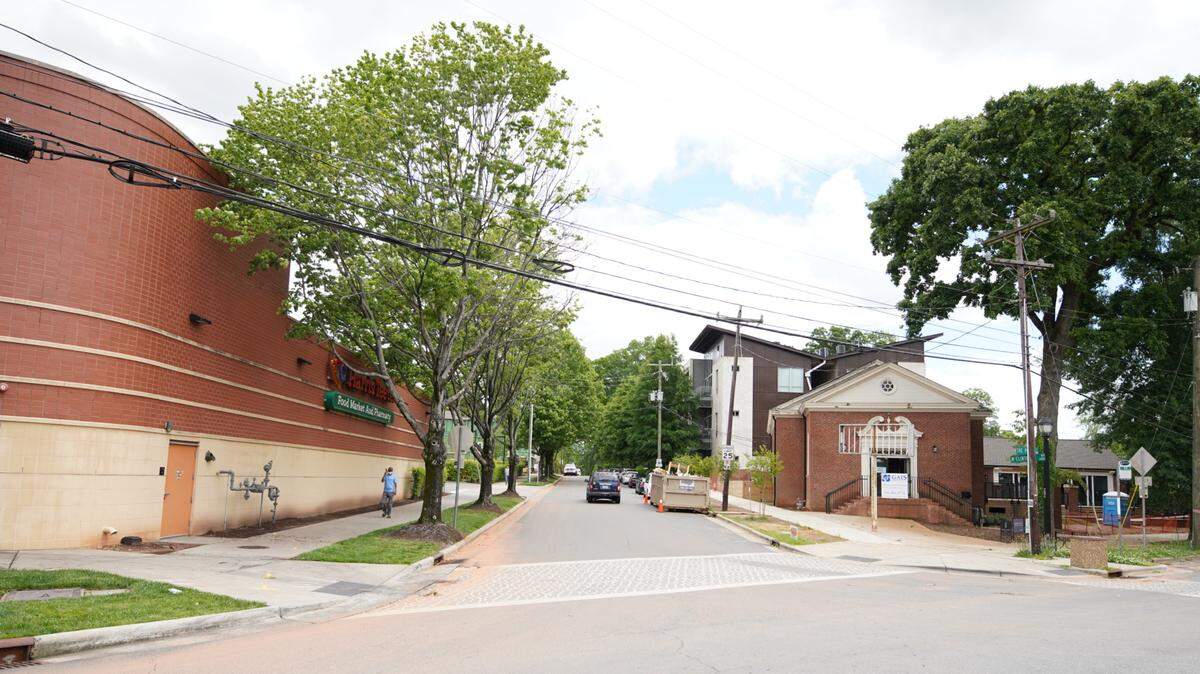
The City of Charlotte has come up with one possible solution with the announcement of its new Shared Streets program. “Shared Streets is intended to support outdoor exercise; create a safer environment for people walking, wheelchair rolling, and biking; and promote physical distancing of at least 6 feet by identifying low-speed neighborhood streets as ‘Shared Streets,’” the city stated on its web site.
Participating streets will be closed to thru-traffic, though emergency vehicles and resident vehicles will be allowed access.
Smart Streets, Phase 1
Beginning May 9
- McClintock Road from The Plaza to Morningside Drive
Romany Road (Bike Route 11) from Euclid Avenue to Kenilworth Avenue
Jameston Drive/Irby Drive/Westfield Road from Freedom Park to Brandywine Road
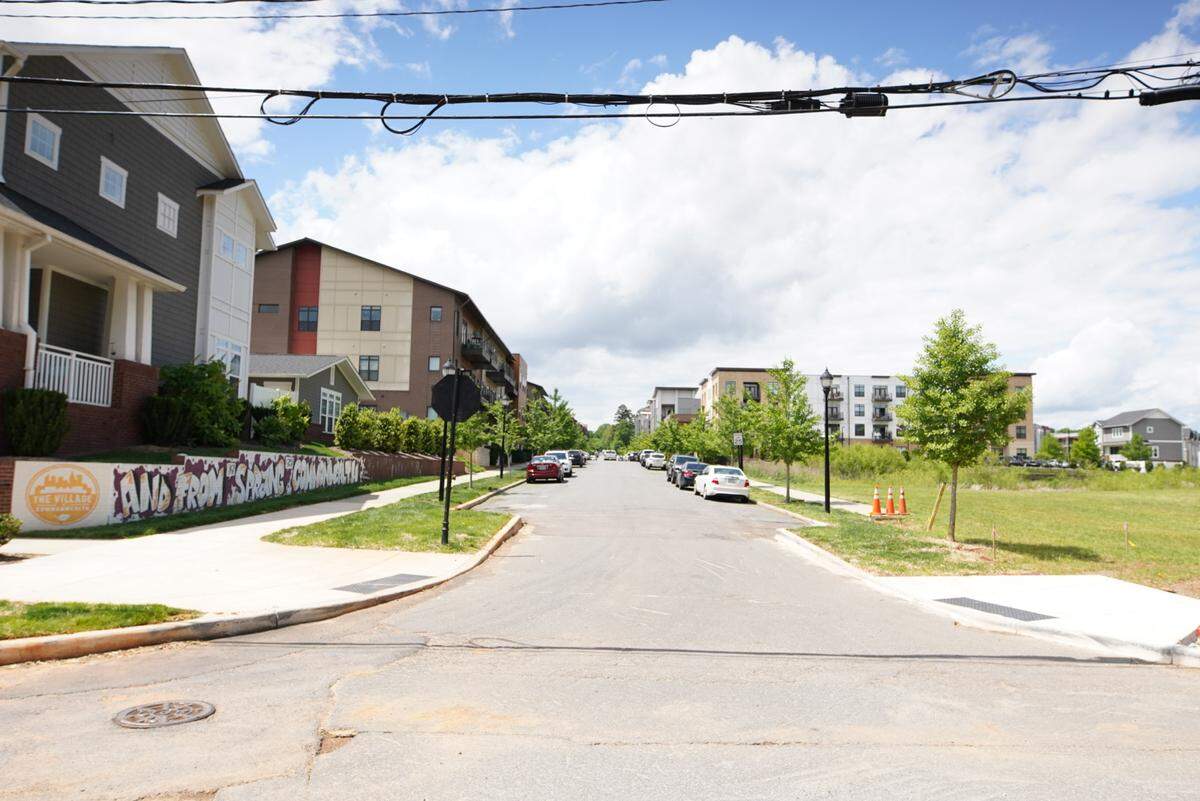
Future potential Shared Streets locations
Which type of streets will be considered?
ELIGIBLE STREETS: To start, only streets with 30 mph traffic or less that are non-thoroughfare will be considered for the program, the city stated on its web site. Eligible streets should serve as an existing bike route/greenway connector or provide a nearby route to an existing park or a greenway. Streets should be at least ½ mile long.
INELIGIBLE STREETS: Exempt from consideration are streets that provide access to hospitals, health services and emergency services; streets that provide curbside pickup, parking access or loading for essential services that are still in operation; transit routes; streets that provide essential access to commercial development projects; streets with active construction or utility projects; and NCDOT-maintained streets, per the city.
Sustain Charlotte has been an advocate for the Charlotte Department of Transportation in its Shared Streets program. “We are thrilled that the city is joining the more than 100 cities nationwide in making more room on our streets for residents to walk and bike for exercise, fun, and transportation,” Sustain Charlotte founder and executive director Shannon Binns told CharlotteFive. “For years we have been advocating for a more equitable allocation of our largest public space — our street network — and the pandemic has made the need for safe streets for walking and biking more urgent than ever.
“We applaud the city for this step and hope the county will partner closely with them to ensure a network of shared streets in all parts of the city,” Binns said.
Feedback from community
When Charlotte Running Club and Charlotte Bike Commuters posted about the city’s Shared Streets plan, responses were mixed. Some runners and cyclists stated that the program was a good idea to alleviate pedestrian congestion. Others feared that it would draw crowds to the chosen streets, creating parking and overcrowding issues that some of the neighborhoods surrounding parks experienced a few weeks back.
“ ... right now, we (personally) are jumping on and off the sidewalk and having to avoid parks or greenways to maintain social distancing. At the best, this alleviates some of that congestion, and at the least it gets more people outdoors near their homes to cope in a healthy way. Especially in a county with documented deficiencies in residents’ proximity to parks,” Franklin Keathley commented.
“These streets are already quiet and easy to walk or bike. I can almost guarantee you that if you close them, people will flock to them. Because of the novelty, they will quickly become overcrowded. And where will all these visitors park? Right, in the surrounding neighborhoods,” Jeff Viscount stated. “Where have we seen this become a problem? Oh yeah, in every neighborhood surrounding our public parks when the parking lots were closed to reduce overcrowding. An action that only created tension in otherwise quiet neighborhoods and did nothing to reduce overcrowding.”
What do you think of the city’s Shared Streets program? Email charlottefive@charlottefive.com and let us know your thoughts. We may include it in upcoming coverage.
This story was originally published April 30, 2020 at 2:39 PM.