How to wear a mask, what to look for when you’re buying one in Charlotte during COVID
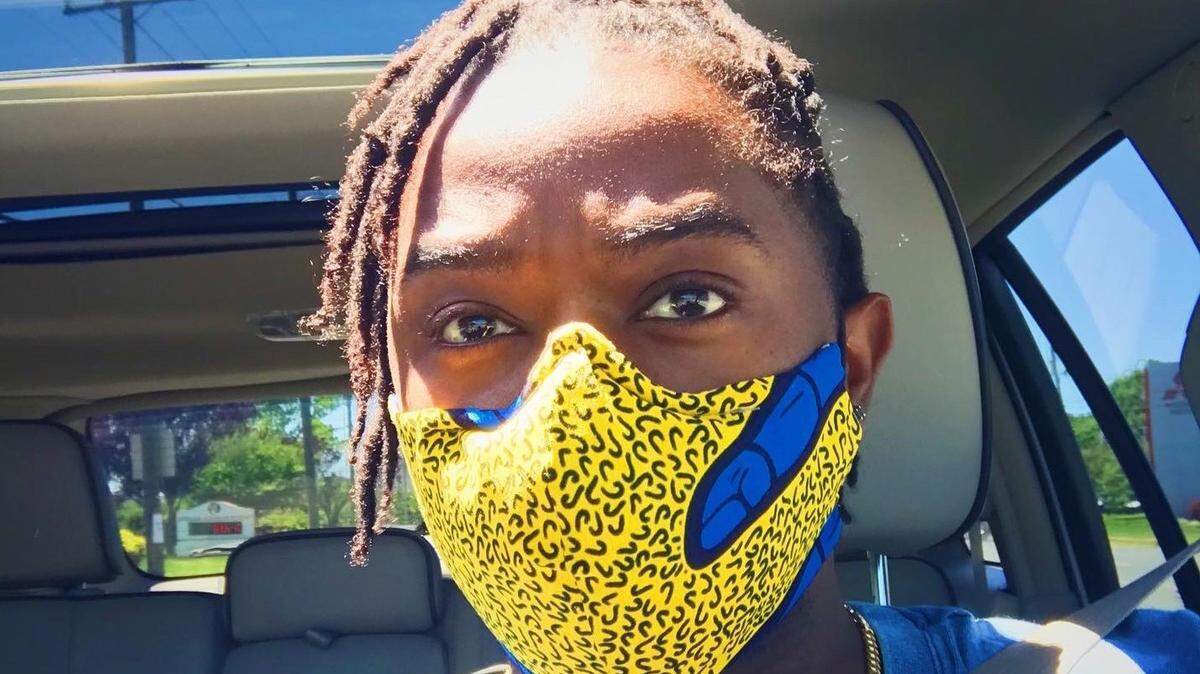
Phase Two of reopening from COVID-19 stay-at-home orders starts Friday at 5 p.m. in Charlotte, with the reopening of restaurants and some other previously closed public spaces. Yet despite the threat of the virus, North Carolina and Mecklenburg County do not require the use of face masks in public areas.
The CDC recommends wearing cloth face coverings in public settings — even when social distancing — to slow the spread of the virus and its transmission.
“Wearing a mask not only helps to protect yourself from COVID-19, but it also helps to protect others,” said Yolanda Enrich, a family nurse practitioner at Novant Health Adult Primary Care. “Think of wearing a mask as a selfless act, one in which we are each taking responsibility and doing our part to help protect the most vulnerable members of our community.”
In other words, just wear the mask. Earlier, we shared where to purchase masks locally. But what should you look for in a mask? CharlotteFive talked to Dr. Lucinda DeMarco, chief medical officer of the Carolinas at UnitedHealth Group, to get her professional opinion.
Material and Composition
“Cloth” is a broad term when it comes to selecting a mask material — from cotton to flannel to silk and synthetic materials. But according to DeMarco, material does matter.
“Make sure it is breathable. Remember, the thicker the cloth, the harder it may be to breathe” she said. “But also, make sure that it has a tighter weave pattern, so that it is more likely to catch smaller particles. If you hold it up to the light and can see the individual fibers, it’s probably not an ideal fabric.”
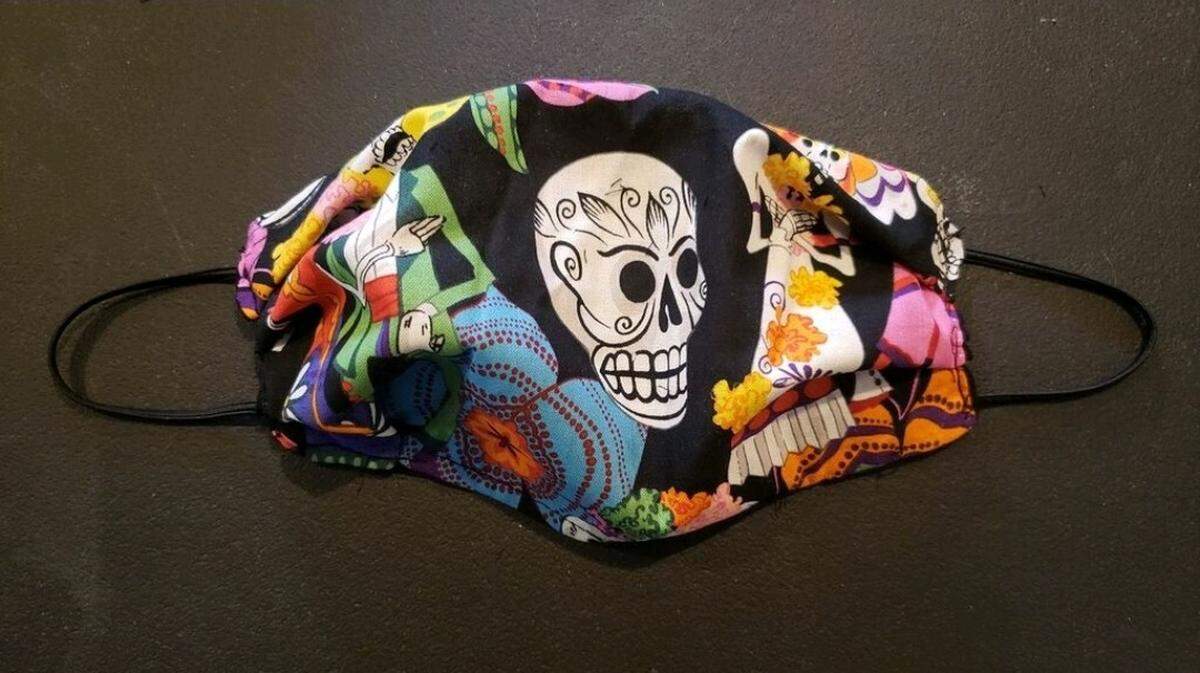
DeMarco recommends that masks have multiple layers for added protection, which is mirrored by the information from the CDC and supported by research. In a recent study by Argone National Laboratory and the University of Chicago, researchers found that combinations of various commonly available fabrics could provide significant protection against aerosol particles, which they used to determine material effectiveness. They found that layering cotton with silk, chiffon and flannel were especially effective in protecting against aerosol-sized particles.
Furthermore, your mask should have a filter pocket.
“Adding a filter allows another layer of protection, particularly for aerosol-sized particles,” DeMarco said. “An effective face mask filter will allow good airflow while also capturing more of the virus’s particles.”
So what’s the best filter to use?
“You can use HEPA filters, such as those found in household appliances like air conditioners and furnaces,” DeMarco said. “Multiple layers of coffee filters or paper towels are also options, and some masks already come with filter pockets sewn in.”
Proper Use and Care
We’ve seen a few mask-use-blunders, from leaving noses or chins exposed to fully pushing the mask underneath the chin.
DeMarco said the safest way to wear a mask is to ensure it fits snugly to your face, including on the sides.
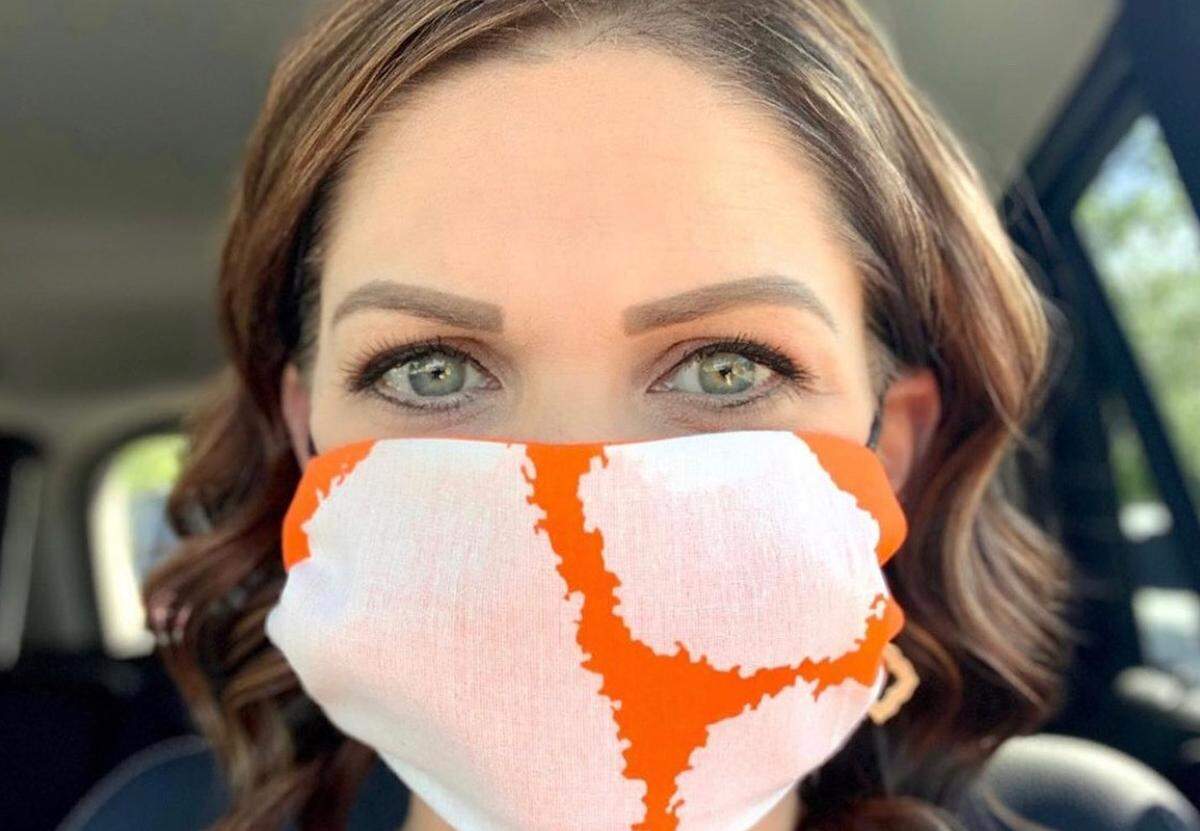
“A proper face mask should cover from the bridge of your nose to under your chin. You want to be sure that it covers your nose and mouth,” she said.
For those who wear glasses, fogging may present an issue when wearing the mask properly. To avoid this, DeMarco recommends tucking the mask under your glasses or tightening the straps around your ears to ensure the mask is snug to your face.
“You can also use a mask that has a wire or pipe cleaner that you can bend over the nose for a tighter fit,” she said.
The Novant Health face mask guide advises that you should never touch the front of your mask, as it might be contaminated. Instead, use the ear loops or ties on the back when removing your mask. Furthermore, once you take your mask off, always keep the “clean” side of your mask in, and wash your hands before and after each use.
Both the CDC and Novant Health recommend washing your mask regularly, as well.
“It really depends on the use, but to be safe, wash your mask after each use,” DeMarco said.
Create Your Own
There’s plenty of places to purchase a mask locally, or you can also create your own at home. To prepare your own mask, you can follow the CDC guide or this guide from Novant Health.
This story was originally published May 21, 2020 at 12:03 PM.