Charlotte greenways too crowded to COVID distance? Here are 6 quieter trails nearby.
.jpg "Kings Mountain Gateway Trail")
The pictures are a bit horrifying on the weekends: Packed parks and greenways in Charlotte where few people are wearing masks and there’s barely any room to walk, nevertheless breathe and keep proper COVID-19 social distancing measures.
“It’s overwhelming,” said avid hiker David Kernodle. “In some places, I’ve never seen crowds like that before. It can be frustrating to share trails or parks with that amount of people — especially with folks who don’t exhibit proper trail etiquette.”
One solution: You can drive less than an hour outside of Charlotte and find hundreds of miles of peaceful and fairly empty wilderness trails.
Carolina Thread Trail
The Carolina Thread Trail is an ambitious effort to connect 1,600 miles of trails, greenways and blueways across the 15 counties in the greater Charlotte region.
Currently, there are 300 miles of trail open to the public and 170 miles of blueways, which are trails along waterways with places to launch canoes, kayaks and more. More than 20 miles of trail were added in 2019 alone.
“Most of the trails are natural surface trails, so it gives you that direct connection to nature,” said Vanessa Covington, volunteer and engagement manager for Catawba Lands Conservancy. “That’s really important for us especially during this time. I love that you can really feel away from it all and encompassed by nature from a 15 minute drive from Charlotte. That’s really important for our well-being right now.”
The Catawba Lands Conservancy is the land trust for six counties around Charlotte and serves as the lead agency for the Carolina Thread Trail. The mission of the Catawba Lands Conservancy is to protect and preserve natural spaces for the health and protection of water quality, habitat protection and restoration, agriculture and to facilitate the development of trails within the Thread Trail system. There are currently 16,500 acres of conservation in place.
“Each (trail) offers a unique experience,” said Bret Baronak, director of the Carolina Thread Trail. They can offer up a level of solitude and connection to nature that many people are seeking to detach themselves from the grind of the daily stresses which have only been heightened by COVID-19.”
Since North Carolina’s coronavirus stay-in-place orders were issued in March, more people have been learning about and using the trails. There is a concern, however, of avoiding scenes like we see on busy weekends in Charlotte.
“Last weekend, I took a quick trip to the Uwharrie Forest for an overnight hiking trip. All the trailheads were cluttered with cars. The roads were lined with overflow parking,” Kernodle said.
“It’s reassuring to see so many people recognize the benefits of trails and greenways,” Baronak said. “But during this unique situation, it is important that users are frequently reminded that they must follow appropriate guidelines to ensure minimal potential to spread the virus – obviously adhering to social distancing guidelines is critical.”
6 must-try trails within an hour of Charlotte
The interactive map on the Carolina Thread Trail website provides great information on all of the trails, including length, type of trail, parking and some unique facts. You can choose trails based on hiking, biking, paddling or even horseback riding. There are multiple trails regardless of which direction you head out of Charlotte.
“I enjoy ALL trails as each one of them provides a unique experience, whether basking in a natural outdoor setting or experiencing the character of our region’s cities and towns; large and small,” Baronak said.
We put him on the spot and asked for a few of his favorites. On the weekends and other peak times, you may want to check how full the parking lot is when you arrive to make sure there’s space for everyone to move.
(1) Lake Whelchel Overmountain Victory Trail in Gaffney, SC
This is a seven-mile long natural surface trail with topography that circumvents Lake Whelchel. It provides beautiful views of the water and a bit of a mountain experience without long driving times, and it’s great for hiking and mountain biking.
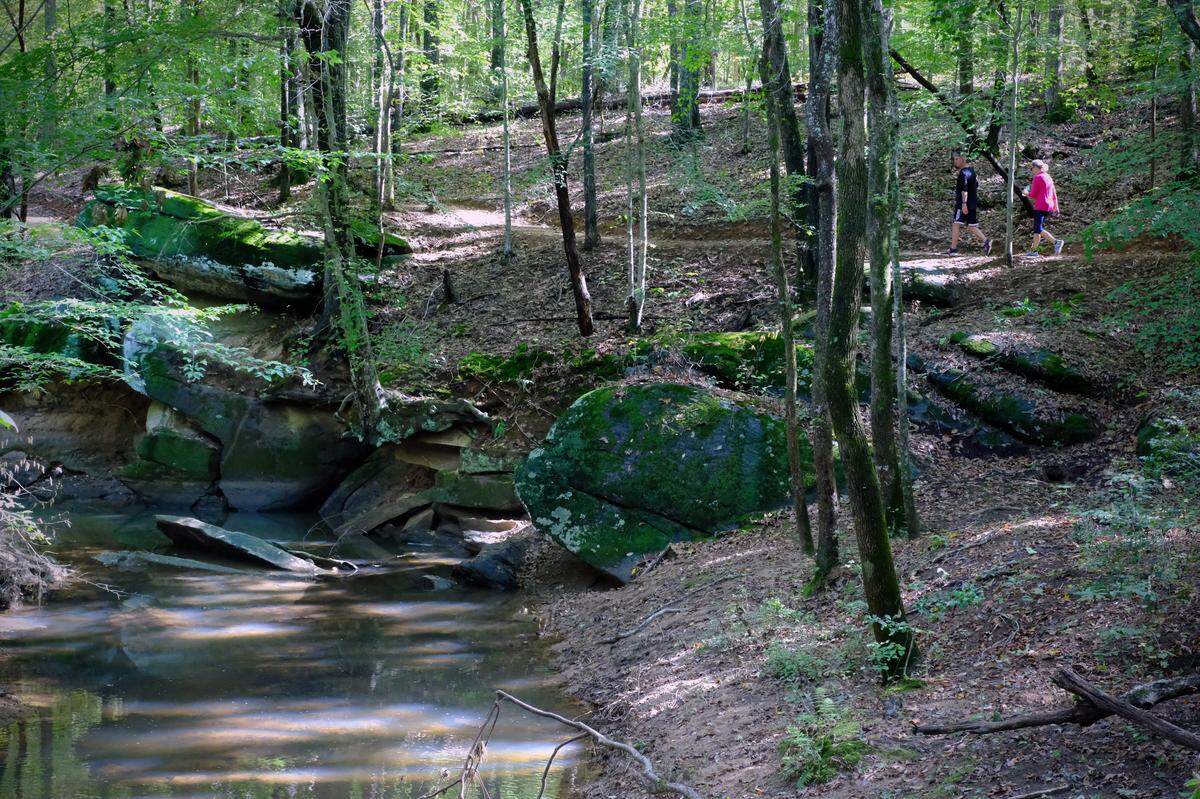
(2) Kings Mountain Gateway Trail
This wide, compacted gravel surface affords great views of Crowder’s Mountain and accommodates a variety of cycling skill sets. This five-mile long trail will ultimately connect downtown Kings Mountain to Kings Mountain National Battlefield, Kings Mountain State Park, Crowders Mountain State Park and the Overmountain Victory.
%20Credit%20Nancy%20Pierce.jpg "Gateway Trail_016 (1) Credit Nancy Pierce.jpg")
(3) Masons Bend/Founders/Piedmont Medical Center Trail in SC
This trail is a combination of natural surface and paved greenway connected system that runs adjacent to a spectacular portion of the free-flowing Catawba River in York County, SC.
(4) Falcon Trail
A natural surface trail that is a nice mix of both woods and fields and is embraced by a very small community in Stanly County. It’s a 2.7-mile long trail that connects Pfeiffer University and Richfield Park.
(5) Blue Star Trail at Anne Springs Close Greenway in SC
This 7.2-mile natural trail in Fort Mill, SC, allows for hiking, biking and even horseback riding. This trail is part of the larger Anne Springs Close Greenway network of trails totaling 40 miles. Right now, only Greenway members are allowed entry on Fridays, Saturdays and Sundays to limit crowding for proper distancing. Daily usage fees for nonmembers are $6 for adults and $4 for ages 5-12.
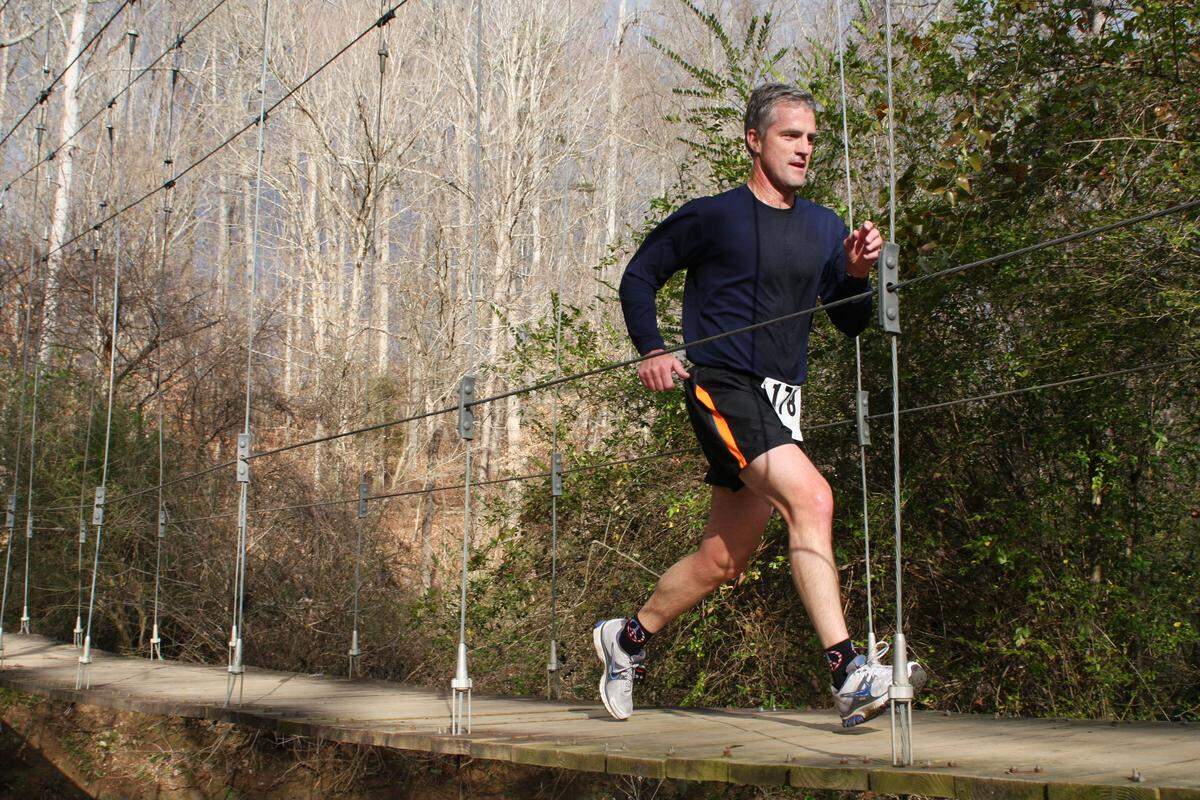
(6) Hornets’ Nest Girl Scout Trail
This two-mile natural surface trail weaves through a 358-acre preserve. The trail resides within the Girl Scouts’ Dale Earnhardt Environmental Leadership Campus at Oak Springs in Iredell County.
Trails/Conservancy more important than just recreation
While this network of trails and rivers create a natural outdoor playground, preservation of these lands is much more than for recreational purposes.
“Preservation of the natural environment is critical in so many areas, not the least of which is the protection of water quality. Natural buffers along our waterways minimize and absorb pollutants and help to control stormwater runoff,” Baronak said. “Additionally, preservation helps to protect our fragile ecosystem, ensuring that our native plant and animal communities are not only secure but can have the opportunity to thrive.”
The Conservancy is constantly trying to thread together more lands for preservation and to meet the goal of adding hundreds of more miles of trails.
“We have gaps in the system that in some places could mean the difference between having two or three miles to eventually having 10-11 continuous miles,” Baronak said. “Developing these connected and longer distance corridors are critical to maximize recognition and support for trails, but also bringing needed support to continually expanding the system and helping to protect the natural environment.”
How you can help while you’re on the trails
The volunteer and engagement program remains all but shut down due to COVID-19. That doesn’t mean you can’t help, however.
“I’ve received a number of emails from folks on how we can help,” Covington said. “Even if you’re not a volunteer, take a trash bag with you and pick up trash along the trails. It’s a great way to enjoy the outdoors and provide a service.”
She also said there’s an increase of people “plogging.” This is a concept that started in Sweden in 2016 to encourage people to pick up trash while they’re jogging.
For avid hikers, the reasons for getting out on the trails are simple.
“I like being outside, getting away from the noise, and exploring new places. The hike itself is merely an avenue to adventure (unique views, camping locations, conversations with friends),” Kernodle said.
This story was originally published May 21, 2020 at 3:55 PM.