
More Black people are reaching out for mental health help, Charlotte providers say
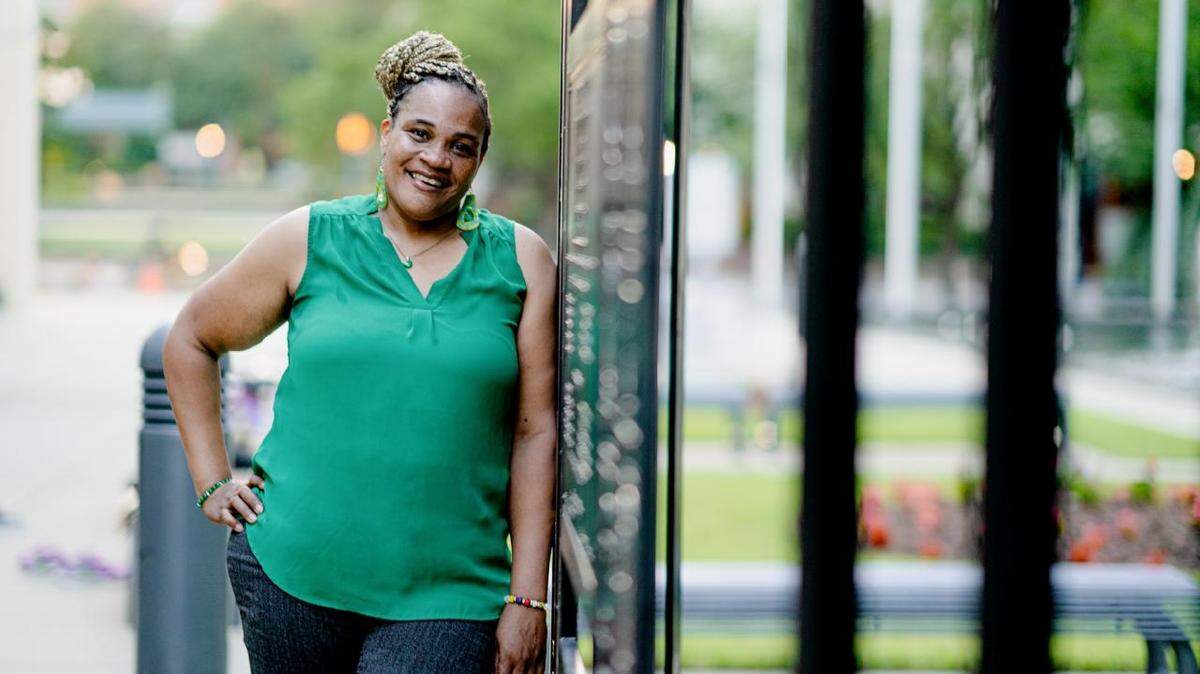
In the early days of June, when a recording of Minneapolis police officers killing George Floyd sparked widespread daily protests, Aura Davis felt compelled to act. As the founder of Wilson Oasis, a Charlotte-based provider of counseling and mental health resources for Black men, Davis saw the grief and rage of demonstrators and decided to provide mental health support. She painted “Wilson Oasis Care Bear” on the side of her truck, loaded it up with bottled waters and offered refreshment and a listening ear to anyone who passed by.
One gentleman, dressed in office attire, was walking down the street apart from the marchers.
“He was screaming and cursing at the top of his lungs,” Davis recalled. Davis approached him, offered water, and encouraged him to talk out his frustrations. The man was upset at being harassed by police on the way to his car. In the course of the conversation, he began to cry. Turns out, he’d recently lost a loved one. Periodically as he spoke, he would interrupt his line of discussion. “I know [the police and other people around] think I’m crazy,” he fretted.
Davis told him not to worry about what anyone else thought, to just keep going and get it all out. The man yelled, cried, drank water and eventually calmed down.
“That night made me see it wasn’t even about the police, they were just the trigger,” Davis said. “Afterward, he said he appreciated me. He needed to be heard. That right there is the biggest thing for men — just to be heard in a safe space where they won’t be judged.”
Davis, who came to her mission through surviving her own trauma, is one of several Charlotte mental health services providers who are seeing an uptick in Black residents seeking support right now.
A heavy weight on Black Americans
Across the spectrum, people are struggling. The stress and fear of the global COVID-19 pandemic, accompanied by its financial impact, childcare needs, social distancing and the political turmoil of our times has Americans in sharing in a collective grieving period. This is especially true for people of color, who must also contend with the anxiety and personal trauma of witnessing or experiencing racialized trauma. Fortunately, this also means more conversations about mental health are occurring.
“We’re seeing an increase in depression and anxiety as people transition from a work to a home setting,” said Dr. Saidat Kashimawo-Akande, a psychiatrist at Hopeway, a mental health services provider. She cited the 173,000 deaths and over 5 million cases of coronavirus that have been confirmed since March, as well as the unprosecuted police-involved killings of Floyd, Breona Taylor, Ahmaud Aubrey, the shooting of Jacob Blake that has left him paralyzed, and others.
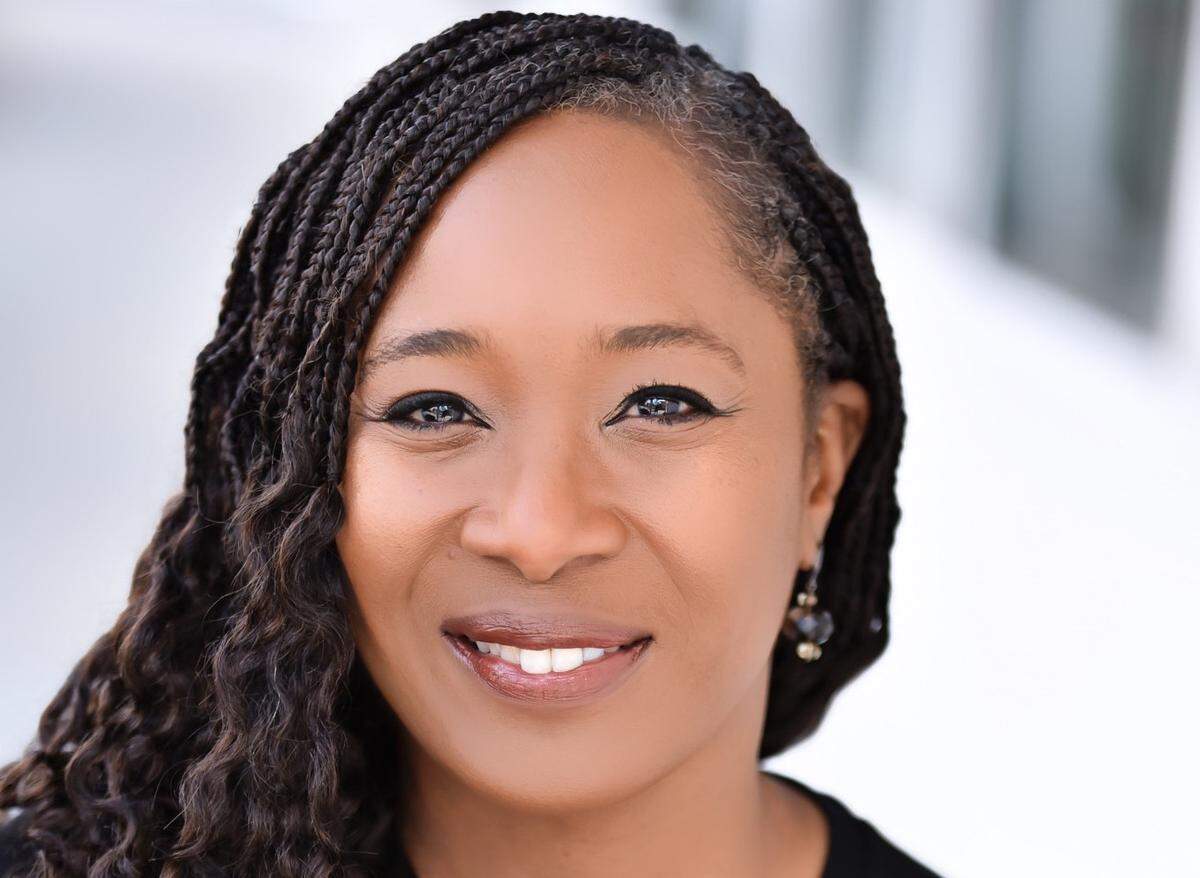
“It’s the uncertainty of the times, the economic climate and social unrest. And watching the recording of George Floyd’s death or other individuals of color around the country is like going through it yourself. It has affected our collective emotional well-being.”
Dr. Taren Coley, a colleague of Kashimawo-Akande’s, agreed. “Our community as a whole is dealing with so many stressors. These topics are at the forefront of the mind for many, but there are ways to address them through therapy or meditation.”
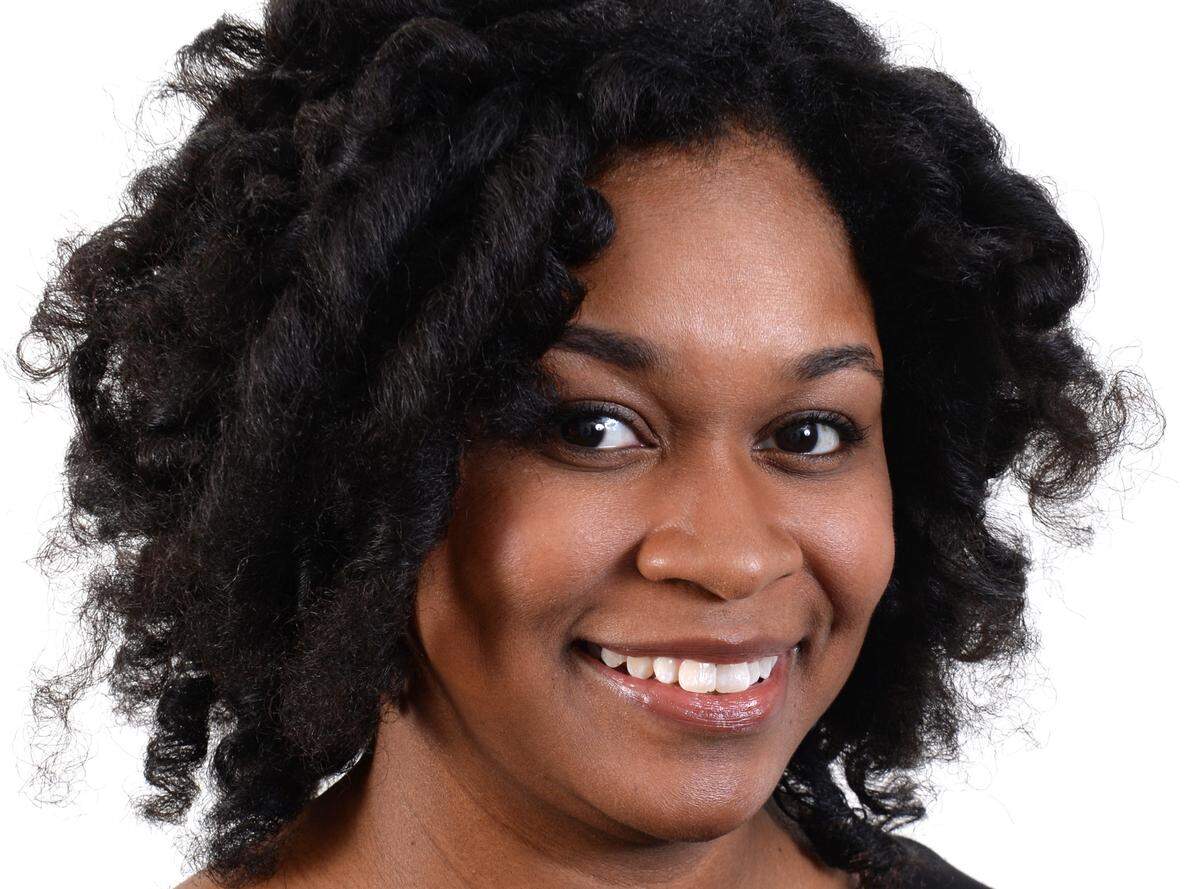
African Americans have been more reluctant to seek mental health care support than people in other demographics, for many reasons. From a history of nonconsensual medical experimentation to systematic biases among healthcare professionals that lend to worse outcomes, to the challenge of finding care providers who relate to them, this legitimate cultural distrust has been hardwired for decades. Feeling safe with a provider, clinician or therapist has been challenging for some individuals. But things anecdotally appear to be changing, doctors report.
“As more of us are experiencing this trauma at the same time, it appears there’s more of a willingness to seek help,” Kashimawo-Akande said. “Mental health conditions don’t discriminate based on color, gender or identity. These challenges are universal, and the more we’re collectively educated, the more individuals will be able to identify early symptoms of more than typical reactions to stressors.”
Reaching out for help
The stigma of mental illness means people tend to hold off seeking care, often not using outpatient services or waiting for conditions to get to an emergency room or inpatient level before serious help is sought.
“Many people want help, but it takes a lot to actually get people in counseling,” Davis said. “I talked to one person for a year before they kept an appointment. They kept scheduling, but on the day of they’d find a reason not to go.”
Much research has been devoted to the phenomenon of Superwoman Syndrome among African American women: resilient, driven, selfless — and, according to the American Heart Association, prone to stress-related illnesses such as heart disease and strokes. Davis found similar correlations among Black men. One Black man told her that he felt Black men carry the expectation to operate at a 10 at all times.
“He had to always be stronger, smarter, make more money, be there for his family. White men can temporarily operate at a 6 or 7 and that’s acceptable, he said, but he didn’t feel like as a Black man he could say, ‘I’m sad,’ or ‘I’m not feeling well.’ They have to front and wear the mask,” Davis said. “If he’s hurt he can’t talk about it or cry about it, and he can’t show emotions because he will be seen as weak. This expectation is in mainstream society and within the culture. We want men to be the leader, the guide, the fixer, and if they’re not, they’re made to feel like less of a man.”
Davis hopes to raise the awareness that it’s OK to open up in a safe environment and get advice from experts, not just friends. Sometimes the access barrier is a simple lack of knowledge, rather than reluctance. Wilson Oasis provides opportunities to learn how to ask for resources, where to go, what it entails.
“It’s a process,” she said. “You have to talk to the counselor. It may not work out, and that’s OK. We can find you another counselor. Offering mental health support isn’t like giving away Jordans, where people would be lined up around the block. It takes vulnerability and trust and undoing a lot of damage and damaging patterns. Undoing that culture of ignoring issues is key to getting people to realize that mental health is important.”
A safe space
Wilson Oasis offers socially distanced outdoor group discussions, as well as rural retreats, a self-care series, financial stability classes, and fitness and yoga sessions.
“We just offer our space as a safe for Black men to process some of the experiences they’re facing during this time. With COVID-19 and police brutality, and the number of killings happening in Charlotte, the mass shooting this summer, people need to process,” she said.
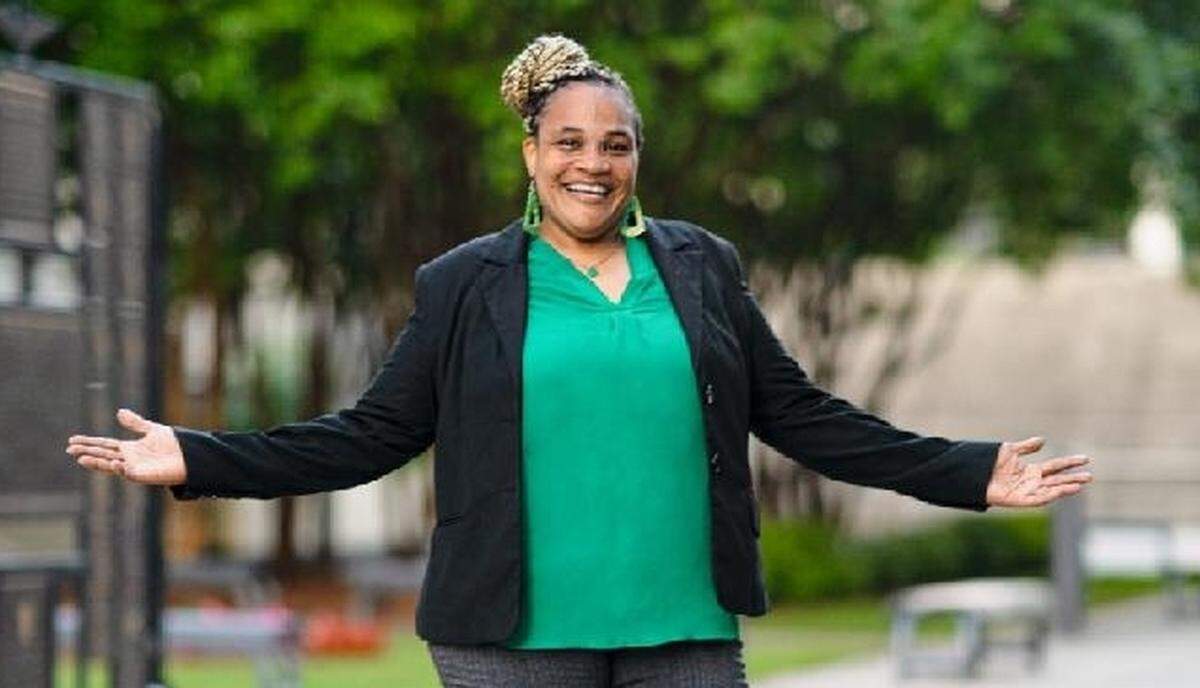
“The biggest thing is that we continue to educate ourselves and raise more cultural awareness,” Coley said. “People of color have these challenges and shouldn’t be ashamed to talk about mental health.”
If you or a loved one are struggling
Signs you or a family member may need help include:
withdrawing or not communicating
more irritable or angry
changes in eating or sleep patterns
overuse of substances
inability to stay focused
marked increase or decrease in weight
excessive worry impressed with hopelessness, sadness, thoughts of death or dying
Children may complain more about physical issues such as stomach or headaches, or exhibit behavioral changes such as disinterest in things that once brought them joy.
Anyone can have a bad day or week. But if the behavior is interfering with day-to-day functions, you can learn about symptoms, treatments at the National Alliance of Mental Illness (Charlotte chapter, 704-333-8218, www.nami-charlotte.org). It has a screening tool to evaluate the symptoms of family members or yourself to see if they rise to a level of concern.
Hopeway
1717 Sharon Road West
1-844-HOPEWAY
Instagram: @hopewayclt
Wilson Oasis
3030 Allen Road South
(Offices are located inside Christian Family Missionary Baptist Church, but Wilson Oasis is not a religiously affiliated organization.)
704-942-5270
Instagram: @wilson_oasis
This story was originally published August 26, 2020 at 9:56 AM.
.jpg)