
The co-owner of Haberdish speaks out about her crippling anxiety—and the drastic lifestyle change that has helped her cope
“It’s such an ugly thing. It’s ugly.”
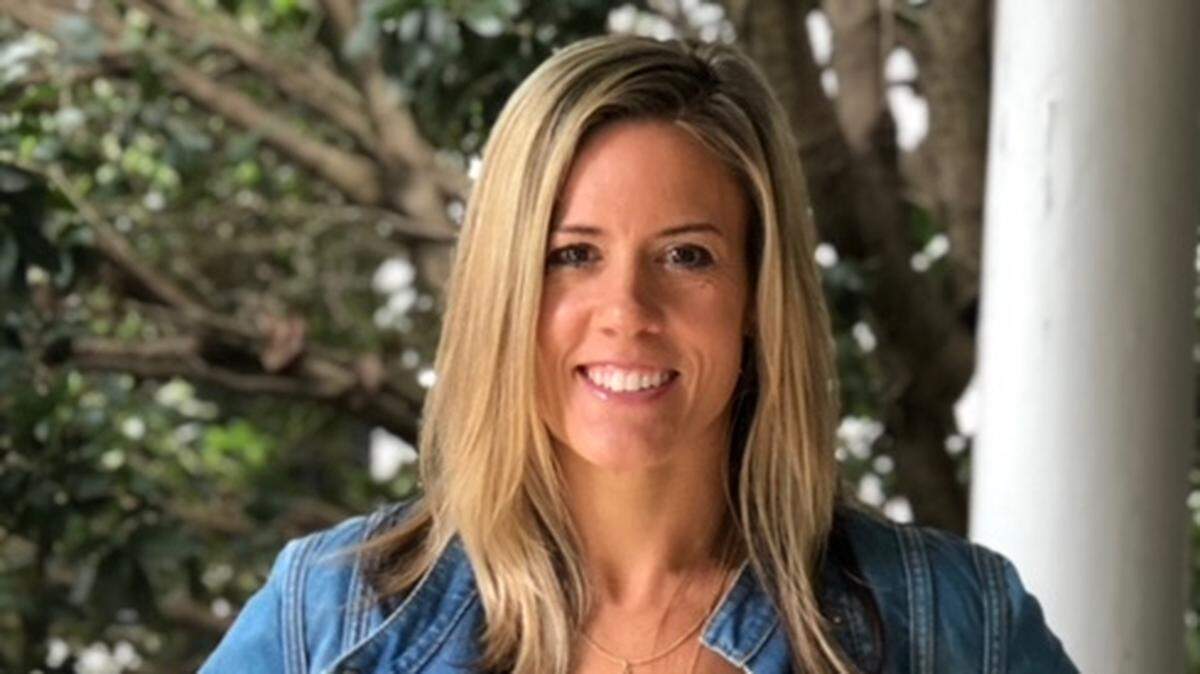
Jamie Brown — who co-owns popular food and beverage concepts like Haberdish, Crepe Cellar, Reigning Doughnuts and Growlers Pourhouse in NoDa with her husband Jeff Tonidandel — is fresh from a hair appointment when she grabs a bubbly water and a seat at Lincoln’s Haberdashery. She looks tall, blond and stunning and… well, like she has it all.
On paper, she does. At age 41, she has a happy marriage, a booming business model, three healthy kids, and five children’s books under the brand Bea is for Business on her resume. She’s surrounded by beautiful food.
But in her mind, it’s been different. It’s been darkened by that “ugly thing” — crippling panic attacks and anxiety.
For the first time in her life, Brown was knocked down by a wave of panic attacks that unexpectedly reared up on Easter Sunday 2018. Her husband had made duck tacos, handcrafted corn tortillas and cocktails. Some friends came over.
Brown’s hands and feet started to tingle and go numb. Her chest tightened up, and her mind clouded over with severely dark thoughts. She left the group and went to lie down on her bed.
“I didn’t know what it was, I had no idea what was going on,” Brown said. “It’s an awful feeling, you feel completely out of control.”
She thought she was going crazy. Or that she had “mommy issues,” or that she was feeling stressed by various work projects and her recent inability to work out due to chronic foot pain.
As the spring season continued, so did her panic attacks.
She’s not the only one. Anxiety disorders, the most common mental illness in America, affect 40 million adults each year, according to the Anxiety and Depression Association of America. Reportedly, only 36.9 percent of people affected receive treatment.
Brown’s panic attacks hit faster, lasted longer.
“Some of them drop you so fast into severe depression and sadness and anxiety, and there’s a leading up to it,” said Brown, who would notice a tightness in her throat before the attacks struck.
Brown went to a doctor and got blood work done — did she have throat cancer, she wondered?
According to medical tests, she was fine. She started regularly seeing a therapist to manage her panic attacks. She started writing gratitude lists to brighten her thoughts, and she fervently used the Daily Calm app.
“If this was going to be my life, I’ve got to find a way to cope,” Brown told herself.
But nothing improved. “There were days I would use the Daily Calm for six hours a day, just to get through the panic,” she said. “I remember one Friday walking the whole day with my hand on my chest, just to hold me in place. Just because you can’t let your brain get away from you, you know?”
Memories like this still bring Brown to tears.
Especially because, as she tried to take slower days and expect less of herself with her overall workload to reduce stress, she missed out on the parts of her life she already identified as beautiful. “They were things that always gave me joy before,” she said. “I love going — I love doing stuff, I love being engaged with people and being at the restaurants.”
As of today, her panic attacks are gone.
An internet search and the conviction that her body was trying to expel some sort of toxin led her to her current theory: That she has leaky gut syndrome, caused by increased intestinal permeability.
According to WebMD, “That could happen when tight junctions in the gut, which control what passes through the lining of the small intestine, don’t work properly. That could let substances leak into the bloodstream.”
Some believe this introduction of toxins in the blood can create anxiety, or autoimmune responses like migraines, irritable bowel, fatigue and food allergies.
Unfortunately, the leaky gut diagnosis is not taught in medical schools, and is not a widely accepted phenomenon in the medical community. It is, however, often acknowledged in the realm of holistic wellness.
Whatever the case may be, Brown is determined to take charge of her health — body and mind. She has self-imposed an autoimmune protocol (AIP) diet, intended to alleviate inflammation in the body and stop symptoms of autoimmune disorders. The diet is a stricter version of the Paleo diet (which emphasizes meat, fish, veggies, nuts and seeds). She believes that the AIP diet can aid in the healing of holes in her gut and prevent food from leaking through her intestines.
Practitioners of the AIP diet follow it for multiple weeks, before gradually reintroducing the foods they eliminated. Eliminated foods include grains, dairy, nightshade vegetables, alcohol and sugars — while recommended foods include meat and fish, certain vegetables, small amounts of fruit and bone broth, as well as avocado, olive and coconut oils. See a complete list of foods to avoid and foods to consume on the AIP diet here.
Panic-attack-free, Brown believes that the AIP diet is working for her. She feels strong again — “The empowerment of knowing Jamie’s not going batty in the f***ing head,” she said.
Three weeks into the diet, sipping water at Lincoln’s Haberdashery, she said, “I feel like me again. I feel excited again. I feel joyful.”
And yes: for the woman known for dropping off doughnuts at people’s offices, for sampling fried and rich goodness at her various restaurants, for gathering friends and family around beautiful meals, the dietary switch has been a struggle.
“Food is such an emotional experience,” she said. “It’s time together, it’s enjoying around the table, sharing things, it’s having something to do, making things for somebody, showing somebody that you love them by making them cookies or muffins, delivering them doughnuts.”
But she said it’s so much worse to be afraid that her next bout of crippling anxiety is around the corner. She’s trying to be positive about it, from cooking bright trays of AIP-friendly meals in her kitchen to admiring the aroma of foods she can’t have.
About seven weeks in, now, Brown still can’t consume the full AIP diet (fruits trigger her anxiety, for example), so she is soon traveling to a clinic in Cleveland to assess possible food allergies.
But the journey has given her time to reassess, to transform her outlook on eating, on the restaurant experience. At least for now.
She said, “It’s hard to strip food out of a dining experience, because isn’t that the main reason you’re there? And it is, but it’s not. You’re there to be there with people, you’re there to share and talk, and enjoy the experience around you.”
This story was originally published October 31, 2018 at 12:00 AM.