Dining out the right way: How to balance health and happiness at restaurants

As the summer arrives, so does the desire to go out. So it’s no surprise that the warmer the weather, the more restaurant reservations are added to our calendars. You might want to enjoy your favorite seasonal dishes, celebrate a special occasion, or maybe you just don’t feel like cooking. Of course, dining out isn’t just about food — it’s a chance to indulge in the pleasures of good company and conversation.
To get the best tips for dining out with health in mind, we consulted with Brittany Werner, a Registered Dietitian Nutritionist and director of coaching at Working Against Gravity.
Menus can be overwhelming, but they don’t have to be
The temptation to splurge or throw caution to the wind when eating out can be all too real, especially when faced with huge menus and desserts not designed for the faint of heart. It’s easy for our intentions of eating well to take a back seat, leaving us feeling torn between treating ourselves and prioritizing wellness.

But who says you can’t have the best of both worlds? If you recently set new health goals or don’t want to lose progress you’ve already made, with a little menu know-how, you can take part in the joys of dining out while still making choices that support your well-being.
Plan ahead for success
Werner suggests that planning ahead can set you up for success when faced with a menu that reads like a novel. “If you know where you’re going to be dining, try to scout out the menu ahead of time and narrow your choices,” she advises. This way, you avoid the pressure to make a quick decision once you’re in the restaurant, allowing you to stay aligned with your health goals.
Focus on a variety of whole foods and protein
Instead of fixating on restrictions, view the menu as a canvas of flavors that can be mixed and matched. It’s easier than you think to find dishes that offer a balance of nutrients while still honoring your cravings.
Werner recommends prioritizing protein, as it helps fill you up and stabilize blood sugar levels. “By prioritizing protein, we can minimize the risk of overeating and focus on enjoying the meal,” she says.
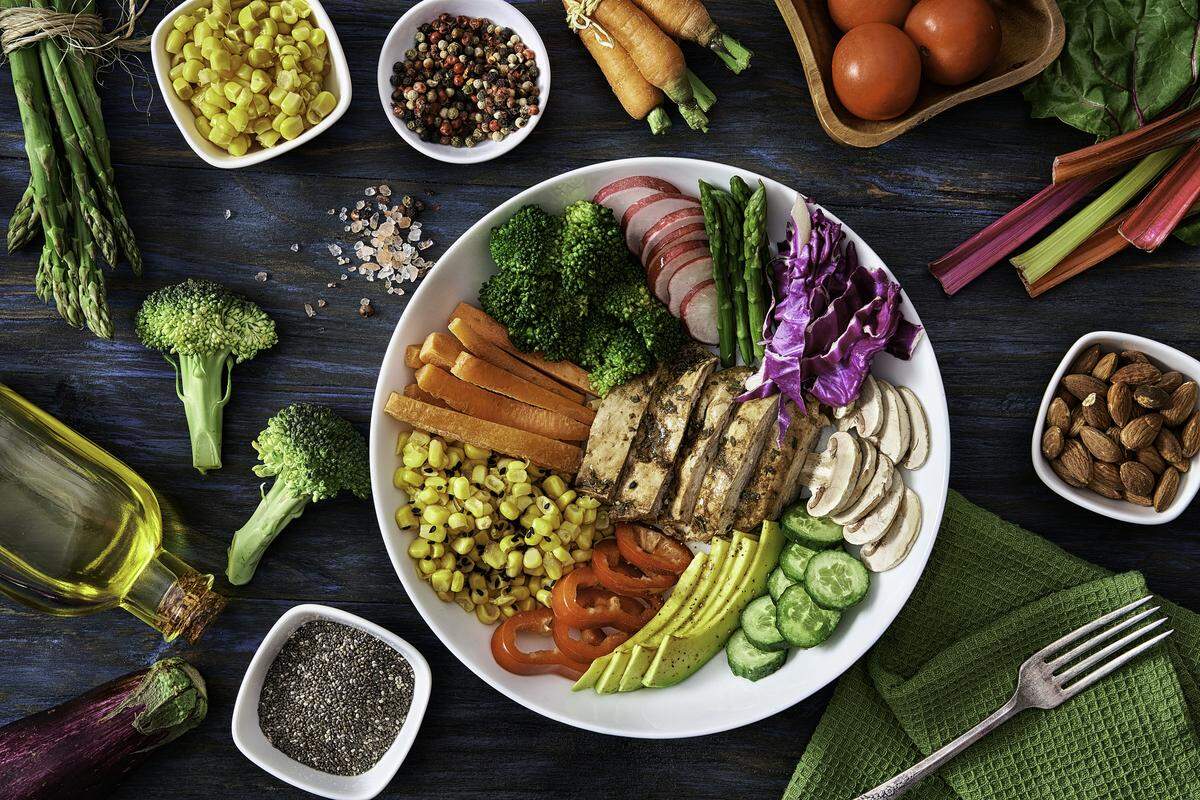
Look for dishes that include a variety of colors and components such as vegetables, fruits, carbohydrates, fiber, and healthy fats. Whole, natural foods that have not been modified or processed will be your best friend — if it exists in nature, it’s a fine addition to your plate.
Practice intentional ordering
The abundance of choices and large portions at restaurants often tempt us to over-order, resulting in more food than we can comfortably finish. Werner emphasizes the importance of mindful ordering, suggesting that diners focus on lean proteins like steamed or grilled chicken, fish, and lean cuts of beef. “Look for plant-based protein options such as beans, lentils, or tofu,” she adds.
Werner also highlights the significance of how we think about dining out. “Often, we forget to look at our dining experience as a whole. When we take into consideration the appetizers, the bread basket, entrée, desserts, and possibly drinks, we end up with considerably more calories than we are used to consuming in a typical meal. While all of those individual components might be a quality choice, when we add them all together, it’s far too much for one sitting,” she says.
If your entrée is large, consider skipping the appetizer or split a dessert to avoid over doing it. Sharing dishes with dining companions or setting some food aside to take home for leftovers can also help you savor the flavors without feeling weighed down by excess.
Most meals are customizable
Restaurant menus can be filled with buzzwords like “farm-to-table,” “gluten-free,” or “organic.” While these labels can guide you, they shouldn’t be the only factor in your decision-making process. One of the best parts of dining out is the ability to customize your meal.
Werner says diners should not be afraid to ask for modifications. “Ask how your protein is prepared and if it’s fried, request for it to be grilled or steamed instead. You can also request dressing and sauces to be served on the side.”

Slow eating increases satisfaction
Eating is an experience that’s meant to take time — focus on engaging your senses and appreciate the uniqueness of each dish. When dining out, it’s easy to get caught up in conversation and switch into auto-pilot mode. Taking moments to check in with yourself or pause can help prevent overeating and by consequence, not feeling your best when the meal is over.
In addition to enhancing your enjoyment, slower eating helps your brain signal to the rest of your body when it’s time to stop.
“Eating slowly allows our digestive system time to process our food and can reduce symptoms of indigestion and bloating,” she says.
Balancing health and happiness
It’s no secret that going out to eat is one of the joys of life. And it’s also true that your health is one of your greatest assets.

You shouldn’t have to give up one for the other — by embracing variety, making mindful choices, and valuing each bite, you can navigate restaurant menus with confidence. Thank you to Brittany Werner for sharing her smart and reasonable strategies with us.
*This article contains general health information and is intended for educational purposes only. It is not a substitute for professional medical advice, diagnosis, or treatment. Always consult a qualified healthcare provider if you have medical questions and before making any decisions or changes related to your health.
This story was originally published June 3, 2024 at 4:39 PM.