Sweat and shiver: How saunas and cold plunges can be really good for your health
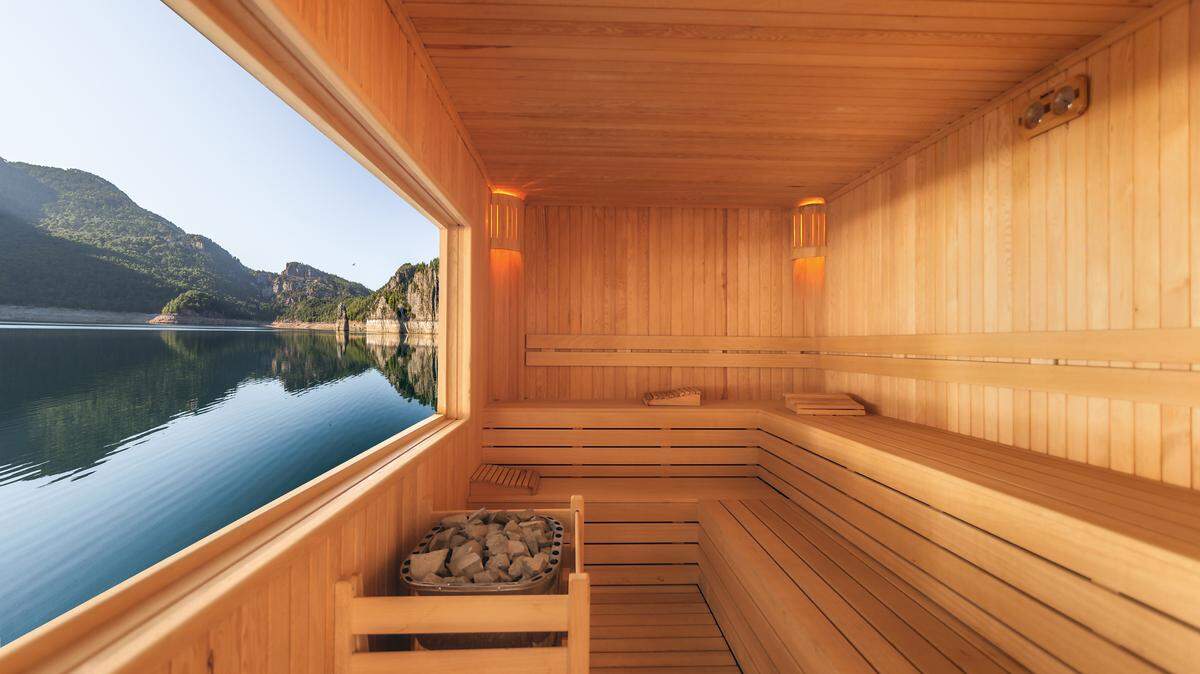
Saunas and cold plunges have been around for a long time, but similarly to trends like red light therapy, these practices have begun making big waves in the holistic health world. Opposites in some ways but alike in others, saunas and cold plunges offer contrasting yet complementary benefits.
We spoke to Christopher Norman, a Holistic Nurse and reviewer for the National Council on Aging (NCOA) to get his thoughts on the major differences between heat and cold exposure, how each affects your body and best practices to follow. The more you know ahead of time, the more confident you can feel adding temperature therapy into your wellness routine.
Let’s break it down:
Saunas: Benefits and best practices
Saunas provide a consistent hot and humid environment, which induces sweating that helps detoxify the body.
Norman explains that “in the sauna, heat exposure causes your blood vessels to widen, improving circulation and increasing blood flow to the skin. This can help with muscle relaxation and help you remove toxins by sweating.”
The heat allows your blood to deliver oxygen to your body’s tissues more effectively. Norman said that regular sauna use can support cardiovascular health, promote muscle recovery, and boost the immune system. It can even improve skin elasticity and texture by opening up the pores. No wonder so many people choose to unwind in the sauna, especially after a strenuous workout.
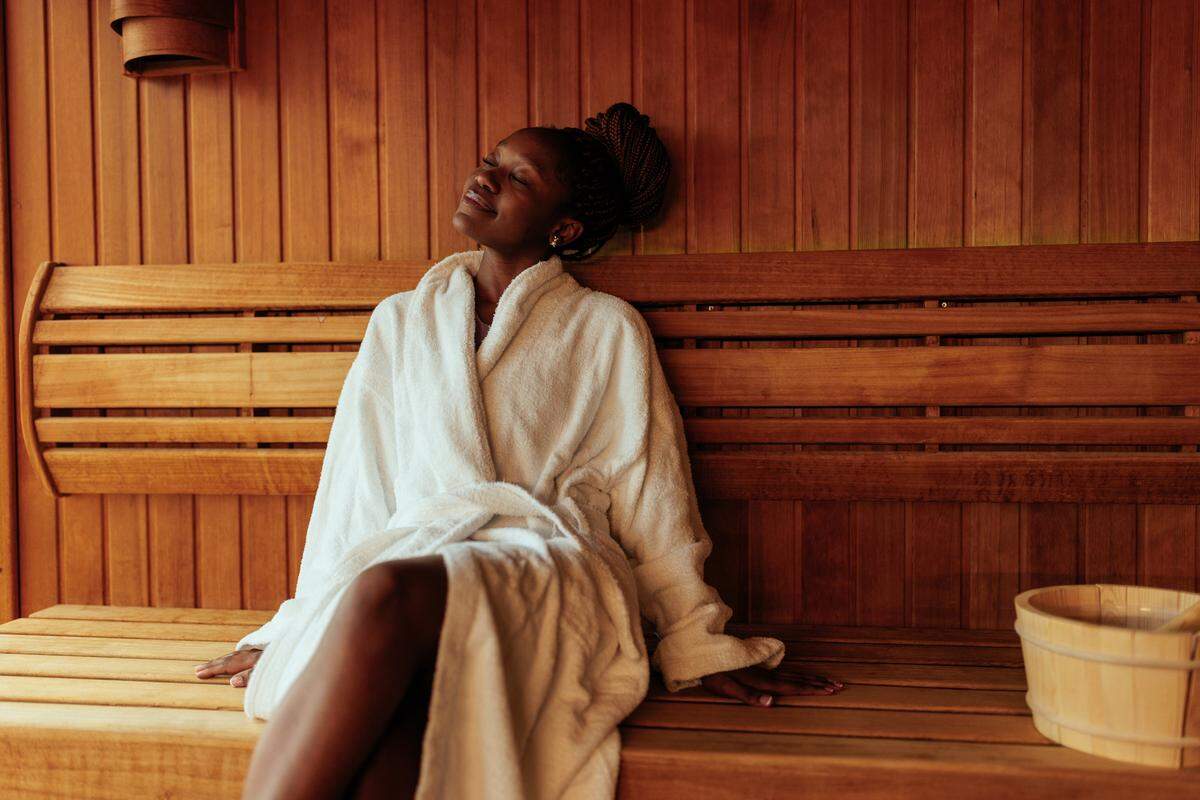
To get the most out of your sauna sessions, it’s recommended to limit each session to 15-20 minutes to avoid dehydration — drinking plenty of water before and after using the sauna is essential. The optimal temperature is between 150°F and 195°F (65°C to 90°C) and using the sauna 2-3 times per week is ideal. Be sure to allow your body to cool down gradually to avoid sudden temperature changes.
Cold plunges: Benefits and best practices
Most of us would agree cold plunges are a bit more dramatic than saunas, but they may well be worth the initial discomfort. Norman highlights that cold exposure is usually popular among athletes for recovery purposes, as they “cause your blood vessels to tighten from the cold temperatures, which may help reduce inflammation and lead to a refreshing feeling, as well as possibly boosting your immune system.”
According to PBS, cold immersion stimulates brown fat activation, boosting your metabolism and helping to balance your blood sugar levels. Plus, taking a dip in the icy water will definitely clear your mind and kickstart your body.
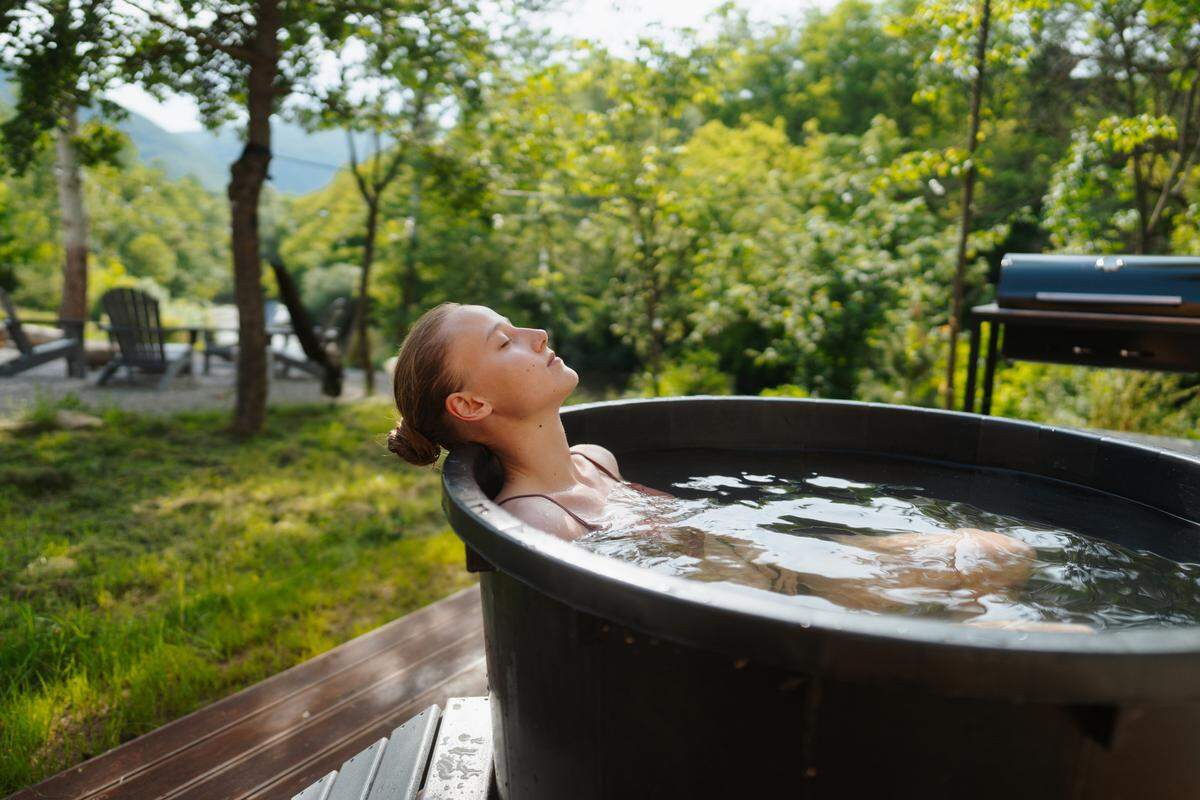
It’s a good idea to start with shorter cold plunge sessions and gradually increase the time as your body gets used to it.
“For cold plunges, limit the time to a few minutes especially when starting out to avoid hypothermia or shock to the system. Never immerse yourself in a body of water you cannot easily get out of, and never force yourself to stay in the cold if you feel dizzy, nauseous, or uncomfortable pain,” Norman said.
Focusing on controlled breathing during the plunge can help your body acclimate to the cold. Like saunas, cold plunges can be done 2-3 times per week and warming up gradually afterward is important to avoid too much shock to the system.
Combining hot and cold for holistic health
Alternating between saunas and cold plunges can give you the best of both worlds. Norman advises starting with a sauna session to sweat and relax the muscles, followed by a short cold plunge to refresh and reduce inflammation. This cycle can be repeated a few times, as long as you are paying attention to your body’s signals — if you start feeling significant discomfort, it’s best to stop.
“Those with heart or blood vessel conditions should talk to a health care provider before using saunas or cold plunges, as both can put stress on the heart and blood vessels. Saunas may be safer for those with joint pain or chronic muscle pain, but cold plunges might be better for those looking to reduce acute inflammation or temporarily increase mental alertness,” Norman said.
Where to find saunas and cold plunges
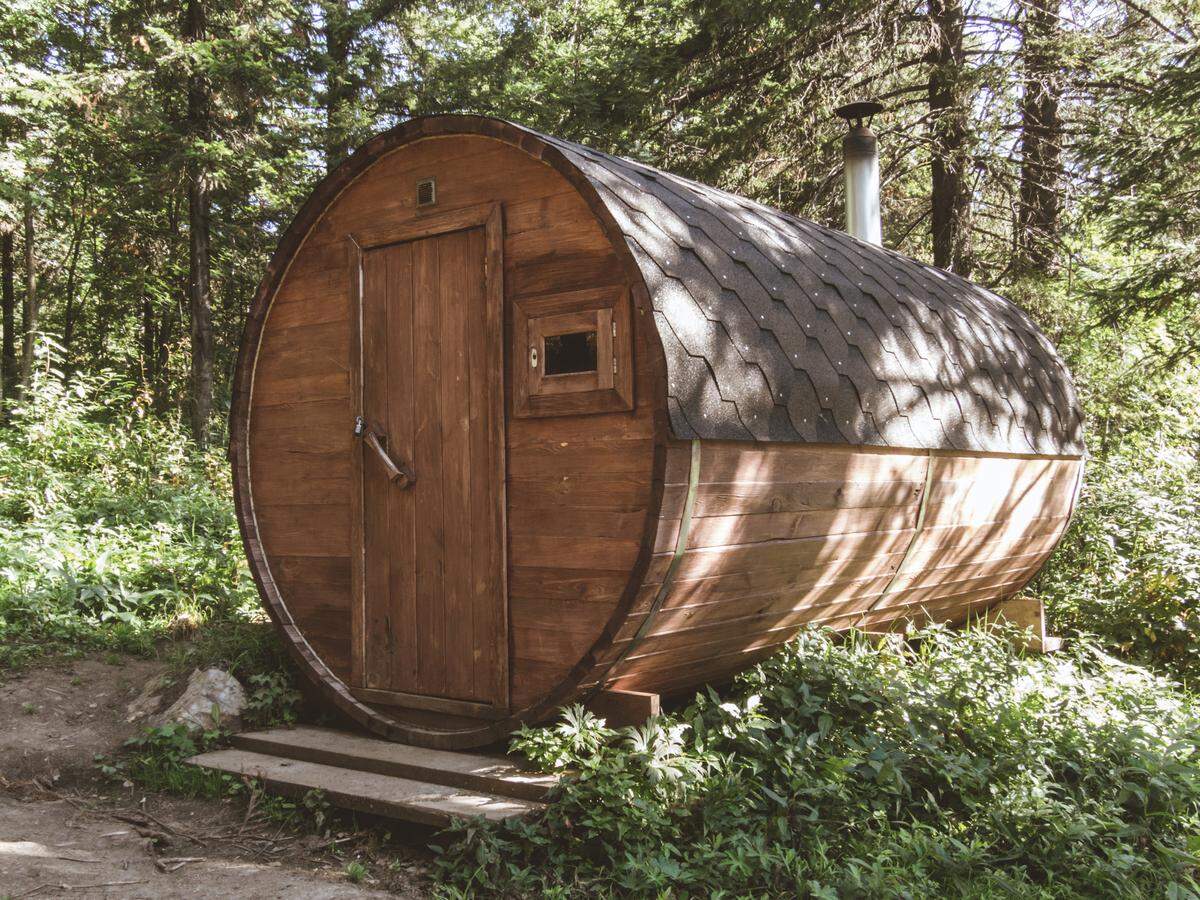
Saunas can be found in lots of settings, from fancy spas to fitness centers. Japan Travel writes that in some countries like Finland and Japan, it’s common to find saunas at the center of many important cultural and social experiences. If you’re a real sauna enthusiast, portable and home-installed saunas are becoming increasingly popular too.
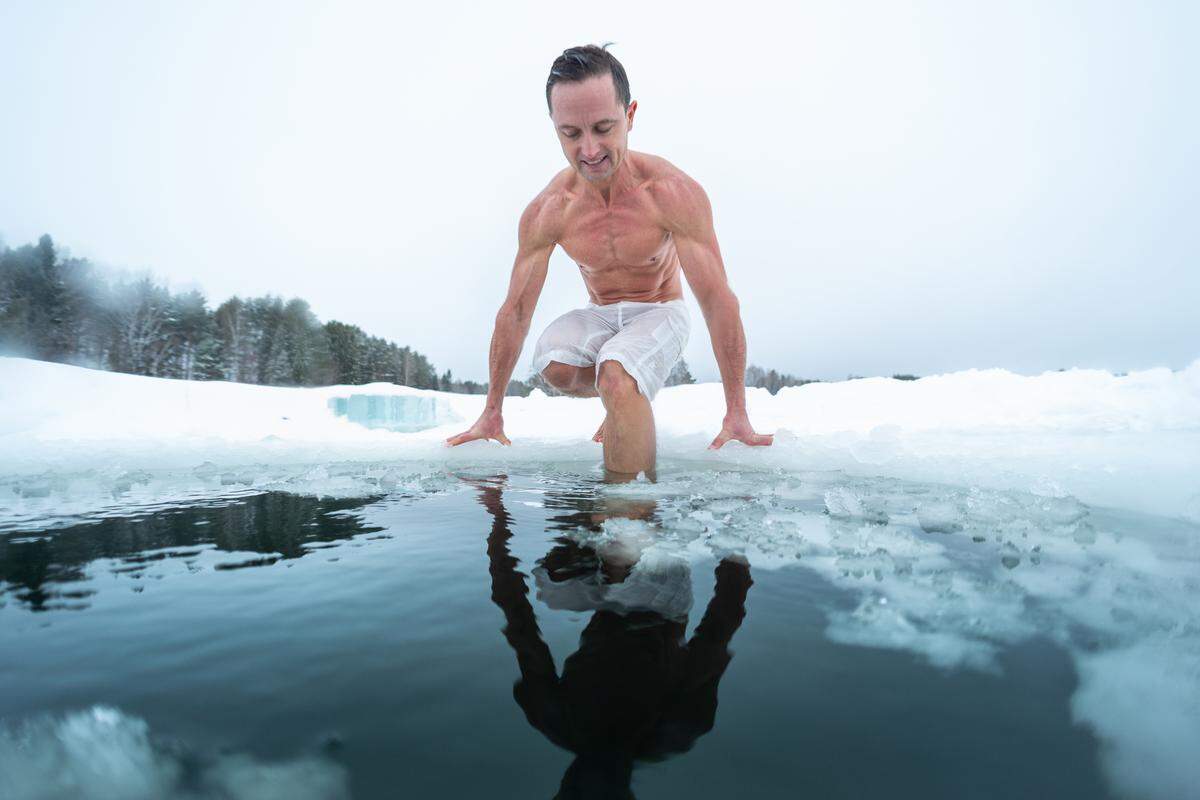
Cold plunges can also be located at spas, where they might be part of hydrotherapy sessions or at cryotherapy centers specializing in cold immersion. However, cold water is often available for free — natural bodies of water such as lakes, rivers, and oceans provide opportunities for cold plunges in a beautiful outdoor setting. At home, setting up an ice bath is a convenient option in a pinch.
Emerging trends in temperature therapy
When we asked about emerging trends surrounding sauna and cold plunge use, Norman said that “alternating between hot and cold temperatures may potentially aid in enhancing recovery, improving cardiovascular health and boosting mood. The potential mental health benefits of regular cold exposure, such as reducing symptoms of depression and anxiety, are also a growing area of interest.”
Whether you choose to go hot, cold or somewhere in between, safely incorporating saunas and cold plunges into your wellness routine can provide a range of physical and mental health benefits. Thank you to Christopher Norman for providing us with his thoughtful insight and guidelines.
*This article contains general health information and is intended for educational purposes only. It is not a substitute for professional medical advice, diagnosis, or treatment. Always consult a qualified healthcare provider if you have medical questions and before making any decisions or changes related to your health.
This story was originally published June 20, 2024 at 9:04 PM.