Here’s what you need to know about returning to work as COVID-19 lingers in Charlotte

Like so many employees in Charlotte, Sarah Mason, a 43-year-old lead transitional toddler teacher at Providence Preparatory School, left work in mid-March when schools and businesses closed under the threat of the COVID-19 pandemic. When the child development center decided to reopen its doors on June 1, Mason had mixed feelings.
“I was excited to get back to my relationships with my ‘school kids’ and my co-teacher after being gone so long, but would they be different after being out of routine? What had quarantine been like for their families? Had they treated this seriously and been safe? How many children would even come to school? What about my co-workers?” she said.
Mason’s concerns are typical of most workers who find themselves either re-entering the workplace or anticipating the switch back at some point down the line.
As the wax and wane of COVID-19 numbers continues throughout the country, many North Carolinians are being faced with some potentially nerve-racking decisions about moving back into the workplace.
Report: Only 4% of people want to return to the workplace
A surprisingly small percentage of people around the world actually want to return to the workplace after having worked from home, according to a recent report from Business Insider.
“Only 4% of over 750,000 workers from over 100 global companies across major industries want to return to their office full time after the pandemic. This number has been significantly dropping since survey results from April. At the start of that month, 33% reported they wanted to return,” the report stated.
While Charlotte businesses continue to monitor COVID-19 numbers in Mecklenburg County, employers are surveying employees about their concerns and needs as they transition from remote work to the workplace.
Larger corporations in Charlotte are phasing employees back into offices, but are doing so slowly. The Charlotte Observer reports that many top employers in the city are pushing back return dates to the office. Bank of America won’t return many of its nearly 16,000 employees to the office until at least Sept. 7.
Wells Fargo is operating similarly. The bank will continue to have the majority of its 200,000 employees (about 27,000 in the Charlotte area) work remotely through at least Oct. 1 and then begin phasing employees back into offices, according to Corporate Communications Manager Josh Dunn.
Other major companies in Charlotte, such as Ally, LendingTree and more, have said employees should expect to remain home at least through the end of this year.
Going back to the workplace
For employees with concerns about health risks, changes in workplace protocol, work productivity and general contagion, the idea of returning to the office can be daunting. Uncertainty and the continual change of restart dates has many employees trying to patiently wait it out.
“This is really hard. People are actually traumatized right now,” said career and talent development consultant Latesha Byrd, who has been counseling many of her clients over their fears about returning to the workplace.
“The biggest thing here is that this is about public health,” said Byrd, the founder and owner of Byrd Career Consulting in Charlotte.
“People are concerned. Are their co-workers and colleagues going to be social distancing? Everyone is concerned about being exposed. A lot of people work in teams, so making sure the social distancing guidelines will be met is important to them. Many of them are taking public transportation. People have expressed that they’re scared and nervous in the corporate space.”
Chris Jolley had to make a decision about his working conditions as well, and he based his choice on the amount of exposure in his workplace. The 55-year-old vice president of special assets at First National Bank has been working in his SouthPark office during the pandemic. While he had the option to work from home back in March, Jolley chose to remain commuting to the office when he realized that he would be the only individual in the space.
“I think the younger generation feels more comfortable working remotely. Because of the nature of my job and the paperwork, I feel less comfortable at home,” he said.
However, Jolley’s company is now implementing a plan for workers to return to the offices with an A/B team plan (alternating weeks), allowing for fewer workers to be in the space at once.
For Jolley, this means once again sharing the space with others. While he has had to weigh some decisions as First National has said employees may remain at home, Jolley estimates that only a small percentage of people will return, and he has been very pleased with the company’s handling of the situation.
“From an employer perspective, this company has done an incredible job with doing the right thing. You must wear a mask, and they have been strict about enforcement of those kinds of things,” he said.
Jolley also said the building management had done a good job with mask mandates in public areas of the building, self-sanitizing door pads and non-touch doorknobs. But he is not without concerns for what may change.
“I feel reasonably comfortable being in the office now, but if we were to go back up to, say, 50 percent capacity, I might not feel as comfortable.”
‘Slow and surreal’ return
Mason, the Providence Preparatory teacher, said her return to the workplace in June was at first “slow and surreal.” But she soon reacclimated to what she called the new normal.
“My employer was great,” Mason said of the communication at the school. “We had several team calls prior to opening with all employees to ask questions and voice concerns before we came back into the building. We always have to follow strict guidelines and sanitation regulations to maintain our 5-star rating, so that was easy for us to continue. We had tons of communication about changes in protocols, proactive measures to keep everyone safe and requests for feedback.”
%20copy.jpeg "image0 (2) copy.jpeg")
What should I do if I’m not comfortable?
But while both Mason and Jolley had positive experiences, many employees worry theirs won’t be.
As a career counselor, Byrd stressed the importance of employers being transparent with their employees, and welcoming open dialogue. “I wish that companies would be better about how they’re easing employee concerns,” she said.
So what can returning employees do to make sure their concerns are fully addressed? Byrd says employees should speak up. “I encourage my clients to have conversations with their leadership and look at the COVID-related policies,” she said.
“In the work that I do as a coach, I want people to feel like they have the control and feel valued. Employees should check employment laws and talk to HR,” she said.
Concerns about working with the public
Dontonius Lindsey couldn’t imagine what he would be walking into when he decided to return to his job at Ross Dress for Less in May. COVID-19 cases were on the rise, and Lindsey, who is also an instructional assistant at a Charlotte elementary school, needed to get back to work for the summer months.
“Working at Ross can be very challenging, and just like everyone else, I had my concerns,” he said.
Lindsey worried about how the corporation would manage both the customers and the employees, and he had serious concerns about working with the public during a pandemic.
“All the logistics of reopening were very confusing,” he said. “But Ross turned all of my fears around and made sure that their employees were safe first — then business.”
The chain of discount department stores moved quickly to provide proper signage, spacing markers and PPE, and it even set up an employee hotline.
%20(1).jpeg "image0 (1) (1).jpeg")
“The hotline was provided for staff to call if they had any issues with bills or had any stress going on with themselves or their families,” Lindsey said.
This level of communication with employees helped Lindsey to feel comfortable returning to work after what he described as isolation at home. “The experience I had returning to work was actually liberating.”
Byrd, the career consultant, points out the importance of communication from employers in general, but particularly during a health crisis.
“People need to ask if companies are going to be transparent when people are in the office if someone has been exposed, or if someone has been in contact with someone sick,” Byrd added.
‘Widespread community spread’
But in Mecklenburg County, health officials are having a difficult time figuring out how people are contracting the virus.
“We’ve got widespread community involvement. Widespread. Trying to figure out where individuals actually picked this up is very hard to do,” Mecklenburg Public Health Director Gibbie Harris told the Charlotte Journalism Collaborative, which includes The Charlotte Observer.
There are several challenges when trying to contact trace, including an unwillingness to provide private information, lengthy turn-around time for tests, a shortage of investigators and contact tracers, and widespread community transmission of COVID-19, Dr. Meg Sullivan, medical director for the county, told the Observer.
How does this translate to the workplace? Sullivan cites responsibilities on the part of the employer to put the necessary precautions in place regarding the work space (social distancing, cleanliness etc.).
“The first thing that needs to be put into place is that an expectation needs to be set by employers regarding administrative and engineering controls within the workplace,” Sullivan said. “I’d suggest employees and employers discuss [these] controls, and see if there are modifications which need to be made.”
In addition, employees need to know and understand the expectations and not come in if they are exhibiting any symptoms, she said.
“We always say that employees returning to the workplace need to be familiar with the virus and what they can do personally to reduce the risk of spread,” Sullivan said.
“Ideally, we say to employers that if they put into place the appropriate precautions and employees act on the guidance appropriately, contact tracing should be relatively unnecessary.”
If contact tracing within the workplace needs to take place, Sullivan said the health department will work closely with employers to make sure that confidentiality is stressed.
What to expect from office accommodations
“At least half of the potential client calls we get these days are directly COVID-19 related, and most of those relate to unsafe working conditions,” said Charlotte employment law attorney Josh Van Kampen.
Employees in North Carolina are protected by the federal Occupational Safety and Health Act, which requires employers to provide PPE, Van Kampen said.
“Under both federal and NC OSHA law, employees are entitled to a workplace free from recognized hazards. In the pandemic, the provision of PPE, mask requirements and social distancing would all likely be required by OSHA,” he said.
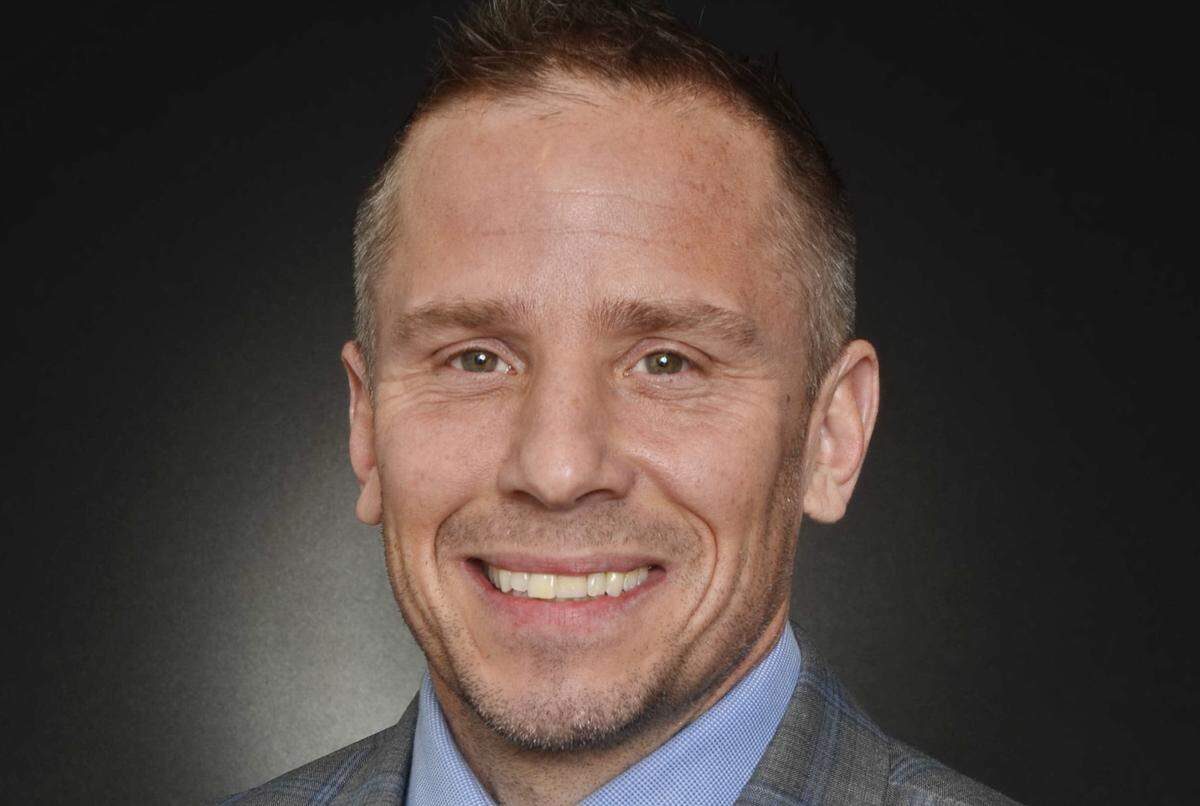
However, this requirement will vary depending on the industry in which the employee works. Workers who don’t work with the general public may not be provided with PPE, but most likely the employer will be required to provide soap, hand sanitizer, disinfectant and other cleaning products.
OSHA standards also dictate that employers must follow Center for Disease Control and Prevention guidelines regarding the number of occupants in the workplace at once.
Van Kampen suggests that in addition to monitoring workplace conditions, employees should also advocate for each other within the workplace.
“The employee should also articulate the safety concerns on behalf of his co-workers (i.e., the collective) because doing so can also trigger protection under the National Labor Relations Act,” he said.
What if I get sick or I’m exposed to COVID-19?
For most employees who expect to return to the workplace, the biggest concerns are about becoming ill with increased exposure to others.
If an employee feels sick or shows any symptoms of illness, the first thing to do is to follow guidelines for COVID-19 quarantine, Van Kampen said.
CDC recommendations would require that employees with symptoms should not report to work in general business settings.
“These guidelines are not law and can’t protect you if you choose to stay away from work against your employer’s wishes,” he said. However, employees are granted protections for certain types of medical leave under the Family Medical Leave Act (FMLA), and in the case of an existing disability under the Americans with Disabilities Act (ADA).
New legal protections have also been passed that are directly related to COVID-19.
“Division E of the Families First Coronavirus Response Act, which is the Emergency Paid Sick Leave Act, or EPSLA, entitles employees of employers with 500 or fewer employees to take up to two weeks of paid sick leave for qualifying absences related to the COVID-19 pandemic,” Van Kampen said.
Concerned your employer can make you leave work if it’s suspected you have COVID-19? Van Kampen said the short answer is they probably can, and it may depend on whether you are asymptomatic or symptomatic.
CDC guidelines would require you to go home if you are symptomatic. If asymptomatic, Van Kampen said an employer may require an employee who has been exposed to someone with COVID-19 to go home, and it most likely does not violate the ADA’s “regarded as” clause because the ADA does not cover conditions that are “transitory and minor.”
Childcare and flexibility
Employees facing concerns about childcare should know that while employers are not required to provide childcare options, the Families First Coronavirus Response Act affords employees up to 12 weeks of paid “expanded family and medical leave.” The caveat: it’s at two-thirds pay, but the provision can buy some time for those who can’t work or telework due to children being at home.
“With schools set to return on a limited basis, the pre-eminent issue on people’s minds now is whether they can be fired because they are stuck up at home caring for school-age children and unable to physically report to work,” Van Kampen said.
With many Charlotte-area schools operating on full distance learning, parents are scrambling to figure out childcare and how to navigate working with kids at home.
“There are issues going on at home that impact my clients’ decisions,” Byrd said. “They’re thinking, ‘How am I going to balance taking care of my kids and making sure they are getting their education needs met, as well as showing up to work?’ Some people are also taking care of older family members.”
Tough Decisions
One of the bottom-line questions Van Kampen sees from clients is “Can I be fired if I refuse to return to work?” Van Kampen said the answer is yes.
“You can be fired unless you have requested a reasonable accommodation under the ADA or if you have engaged in “protected activity” under the law by — for example, lodging a legitimate health and safety complaint, which the employer refused to address,” he said.
“Expressing safety concerns, such as concerns about COVID-19 in the workplace, would fall within the definition of protected concerted activity as long as you raise the issues on behalf of a group. If you are discriminated or retaliated against for raising a group safety concern, you may have a claim under the NLRA,” he said.
Byrd says there’s a lot to take into account when re-entering the workplace. “It’s really a case-by-case basis. Ask the right questions.”
A client recently sought Byrd’s advice about returning to the workplace. “Her colleagues began returning to work. She was nervous about going back, but she did it anyway,” Byrd said.
“She ended up putting tape down in her office for social distancing, bringing her lunch and sitting away from everyone … she (said she) felt like everyone was looking at her like she was the crazy one, but she had to do what made her comfortable,” Byrd said.
“We all have the right to make sure our workplaces are set up to succeed. We have rights here, and I think it’s important to look into these instead of saying, ‘I’ll just go with it.’”
This story was originally published August 17, 2020 at 10:59 AM.