
Here’s what happened after Charlotte restaurateurs started paying a living wage.
Olga Guervera begins her day by joyfully greeting her coworkers and checking the list of what she needs to prep before lunchtime.
A seasoned nine-year veteran of Charlotte Restaurant Group’s Crepe Cellar Kitchen & Pub and Growlers Pourhouse, Guervera started out as a dishwasher and has since moved into prep cooking. She is known as “the glue” of the team, and she won MVE (Most Valuable Employee) for back-of-house across all of the group’s restaurants.
“I started the job, and I loved the environment Crepe Cellar has,” Guervera said. “Everyone treated me very well. The owners treat me with so much respect that Crepe Cellar has become my second home.”
But for many restaurant industry employees like Guervera, working at your second home may not always pay the bills at the first. Minimum wage in Charlotte is $7.25/hour. But a living wage? That’s $12.57.
That’s why Charlotte Restaurant Group owners Jamie Brown and Jeff Tonidandel are making the move to a living wage pay structure for all employees. This change will occur across all of their current and upcoming restaurants: Haberdish, Crepe Cellar Kitchen & Pub, Growlers Pourhouse, Reigning Doughnuts and soon-to-open Supperland.
It’s important to note that all of Charlotte Restaurant Group’s employees were making more than the federal minimum wage from the beginning, but 24 individuals earn below the living wage at the group’s various NoDa restaurants — about a quarter of the company’s staff. Raising the living wage for those workers will also shift the earnings of other employees to keep positions in line.
“We’ve wanted to do this for a while, but we needed to be in a place revenue and profitability-wise to actually execute this initiative,” Brown said. “With the culmination of a tightening labor market, and also wanting to reward our amazing people, we decided it was time. A few months back, we decided to push to achieve this goal by the end of 2019.”
Wages and living expenses are out of balance in Charlotte, and the city is known for having poor upward mobility.
“Certainly the federal minimum wage isn’t even close to what people need to live in Charlotte,” Brown said. “We want to be a part of alleviating that problem.”
A focus on employees

Brown shared that she and Tonidandel wanted to build a company that put high value on employees — and prioritize their happiness and well being.
“We’ve watched firsthand how some of our staff take it upon themselves to raise money for others on our staff — and we want to continue to encourage that selfless behavior,” Brown said.
When making business decisions, Brown and Tonidandel said they look at what can be gained by the whole team, not just the company.
“These are the individuals who show up day after day to make the whole system work. Without them, our restaurants don’t have a heartbeat,” Brown said. “We want to keep our people, give them an uplifting workplace and give them a beneficial starting point from which to rise.”
Employee retention is one of the key factors in Charlotte Restaurant Group’s success, and the owners said they want to continue to build a company that’s also a family.
“Ideally by offering higher wages, we not only financially become a more enticing place to work, but we also create a stronger family unit across our businesses that elevates the whole ship,” Brown said.
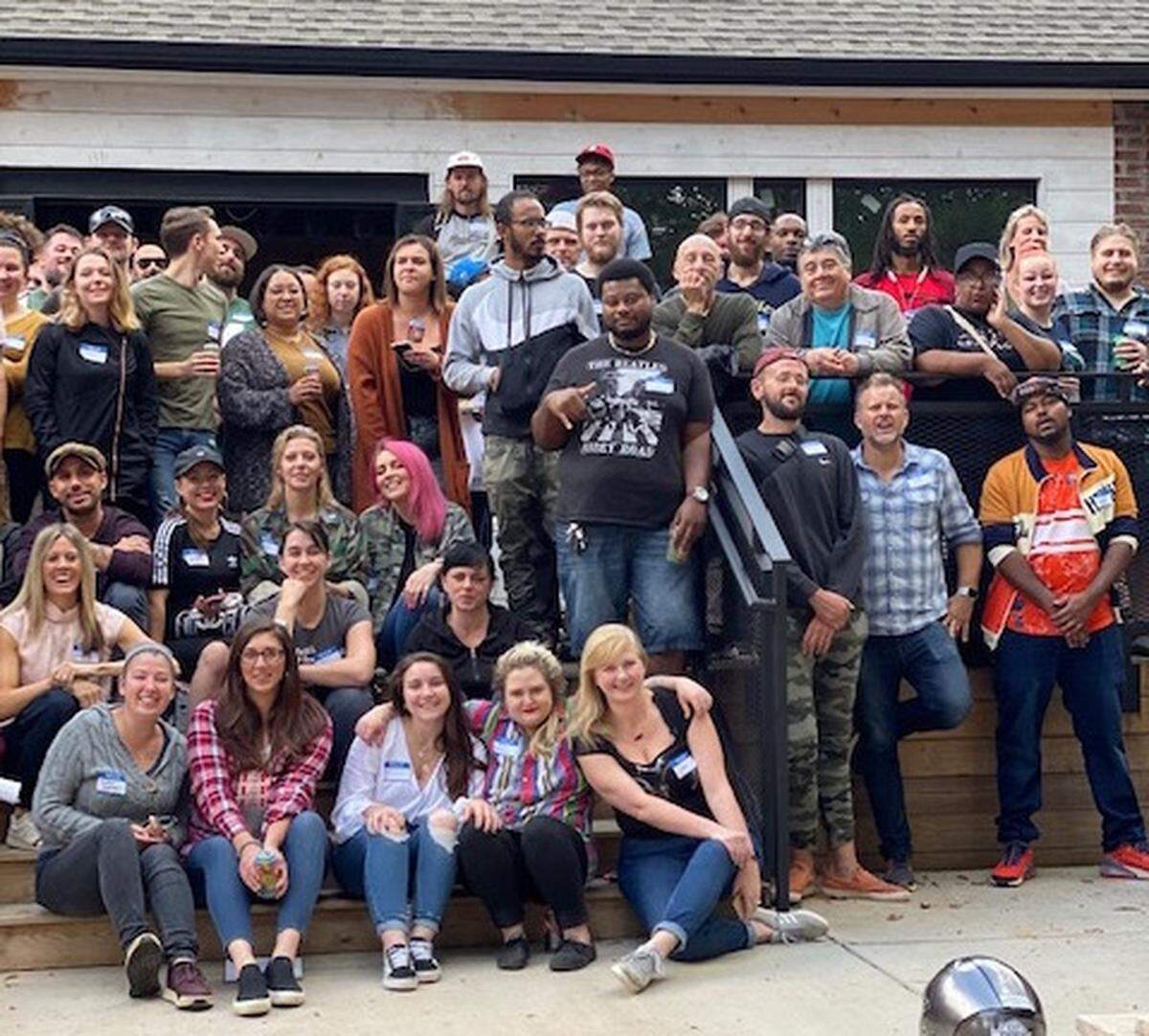
The move to higher wages was announced at a company-wide meeting at the site for Supperland in late October.
“The whole room burst into applause about the change, but I don’t think everyone really understood the change until Jeff sat down with them individually and told them what their new pay was going to be. That’s when it became real. That’s when you realize how much a change like this can impact a single person’s life,” Brown said.
“The wage increase has been a blessing,” Guervera said. “I’m able to save money to send my family and help my kids with their studies, and also have enough to pay the bills. It’s been a stress reliever for my family. I’m very grateful.”
More than just pay: Summit Coffee offers healthcare
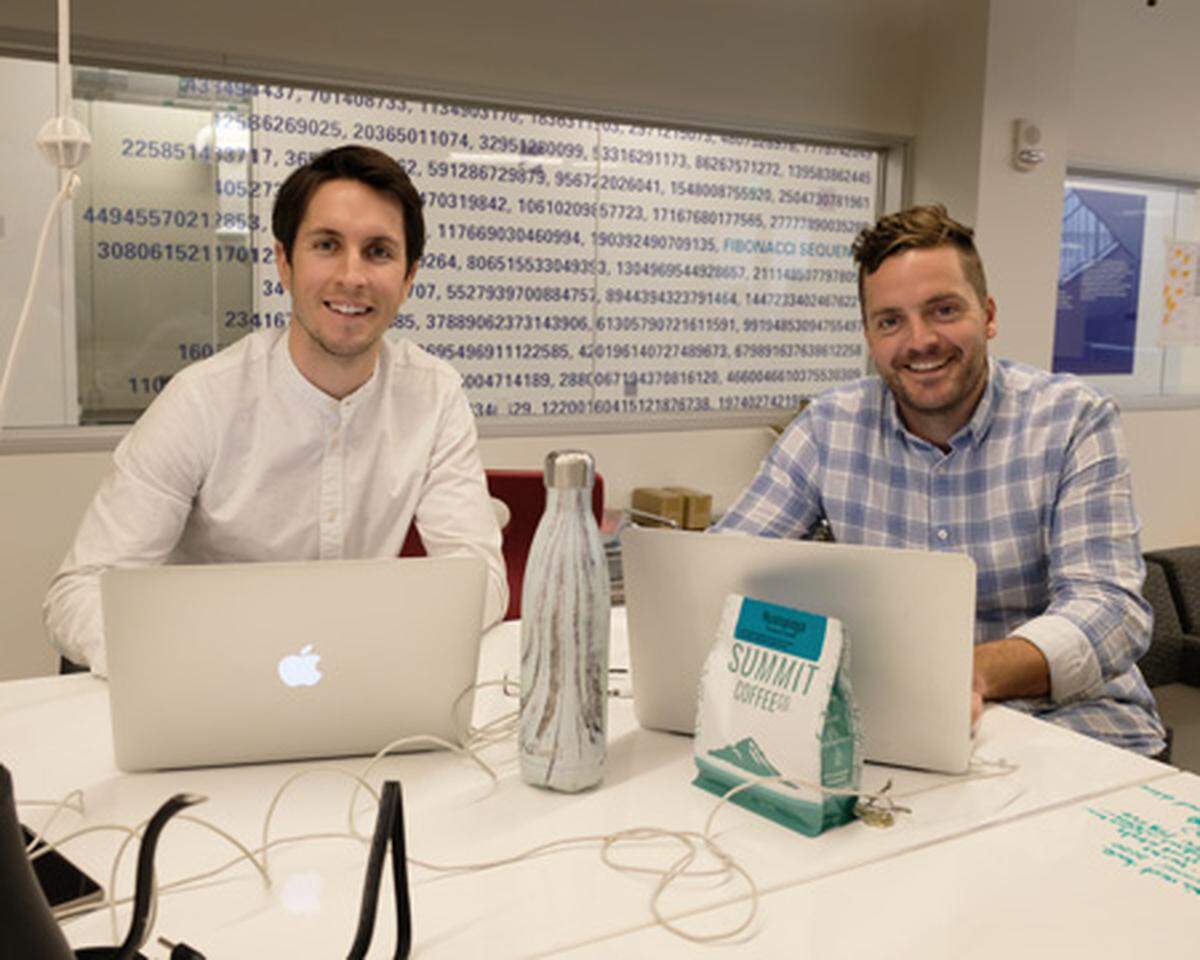
Summit Coffee Co. is also raising the bar when it comes to employee benefits. The company recently announced that it will begin offering healthcare to full-time employees, including baristas at all three cafes and individuals who work at the headquarters and roasting warehouse.
More than 60% of Summit’s employees are currently considered full time. The coffee company also offers IRAs for full-time employees and funds a company account that they can draw from to pursue educational opportunities and community service.
“Caring for your team means providing them a safe work environment, a place where they can flourish, where they can be themselves, and where they may continue to grow,” said Brian Helfrich, owner of Summit Coffee Co. “And also a place that offers them a means to live. The service industry, most especially the barista life, isn’t recognized for being a place you can have a career. But we’ve set out to change that, constantly thinking of newer and better ways to enrich what it means to work for Summit and hopefully inspire some other small businesses along the way.”
It’s not a sacrifice
As with many business decisions, allocating funds to one initiative also means taking them away from another. But Helfrich doesn’t like to use the word “sacrifice” in regards to the company’s decision.
“When you own a business, it’s an inherent privilege to make these kind of decisions. With health insurance, it’s always been cost prohibitive, a scary consideration. We run a small business, and people count on us to spend Summit’s money wisely. But the bottom line is: We just can’t think of a better way to spend our money,” he said.
When the new offering was announced, Helfrich said the responses from the staff “ranged from gratitude to some expletives to tears.”
“It was a nice moment. It’s not like I am making everyone a millionaire, but I think there’s an appreciation for prioritizing an important need such as healthcare.”
Dora Callahan, director of retail operations at Summit Coffee Co., noted that the small business always made her feel cared for.
“It will help take the stress away from many of us paying for healthcare, and that’s an incredible feeling,” she said.