Here’s why you should support Black-owned businesses in Charlotte and elsewhere
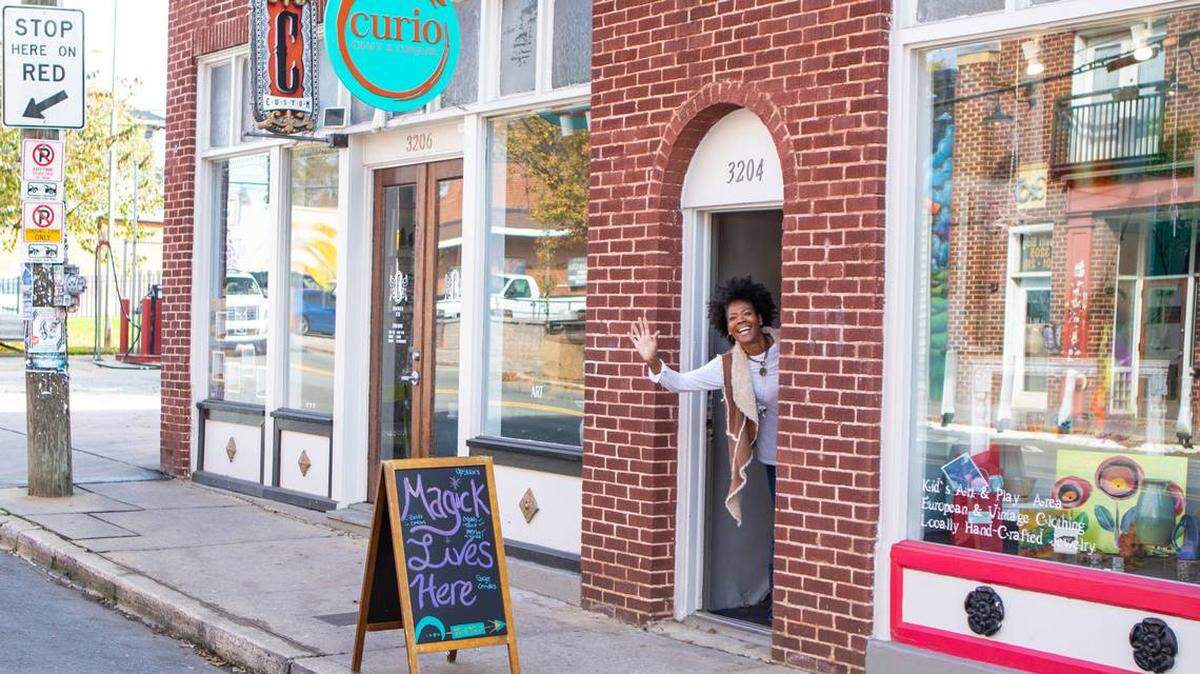
As a journalist who highlights Black-owned businesses not only in Charlotte but around the world, I’m often asked the question, “Why does it matter if the business is Black owned?” While some may feel it’s a bit divisive, bringing visibility to Black-owned businesses on larger platforms often helps them to sustain business and continue providing to their respective communities when the odds are often against them.
There has been a long history of Black business communities rising, thriving and later erased by non-Black counterparts in our country. The most notable occurrence was seen during the era of Tulsa’s Black Wall Street.
Around 1905, a cluster of self-sufficient Black businesses sprung up in Tulsa’s Greenwood neighborhood. The neighborhood had everything from doctor’s offices and real estate firms to a grocery store and barbershop. As the race riots of 1921 unfolded, many of these businesses were burned and destroyed, while others simply couldn’t sustain themselves economically. Although the community managed to rebuild to a degree, it never fully recovered.
The rise and fall of Charlotte’s Brooklyn community
What many Charlotte residents don’t know is that we, too, once had our own thriving black communities. The historic Brooklyn neighborhood was our city’s most prominent and leading black neighborhood from around 1900-1968.
The area — now Second Ward — was home to the state’s first free library for Black people, as well as Myers Street School, the first Black grade school for Mecklenburg County. There were upscale and slum houses, churches, doctor’s offices and a host of other businesses — it was its own city within the city.
.JPG "Brooklyn Savoy Theater (observer).JPG")
“It was Black Main Street,” Tom Hanchett, historian-in-residence at the Charlotte-Mecklenburg Library, told CharlotteFive. “People could walk to work, to church or even the state’s first Black library.”
In 1958, the Charlotte-Mecklenburg Planning Commission began looking for areas within the community to revamp as a way to receive federal funding from the government, sparking an “urban renewal” that began dismantling the community.
Sound familiar?
“The funds were used to blight or clear out areas in cities across the country,” Hanchett said. “This often meant areas with the least political power within a city.”
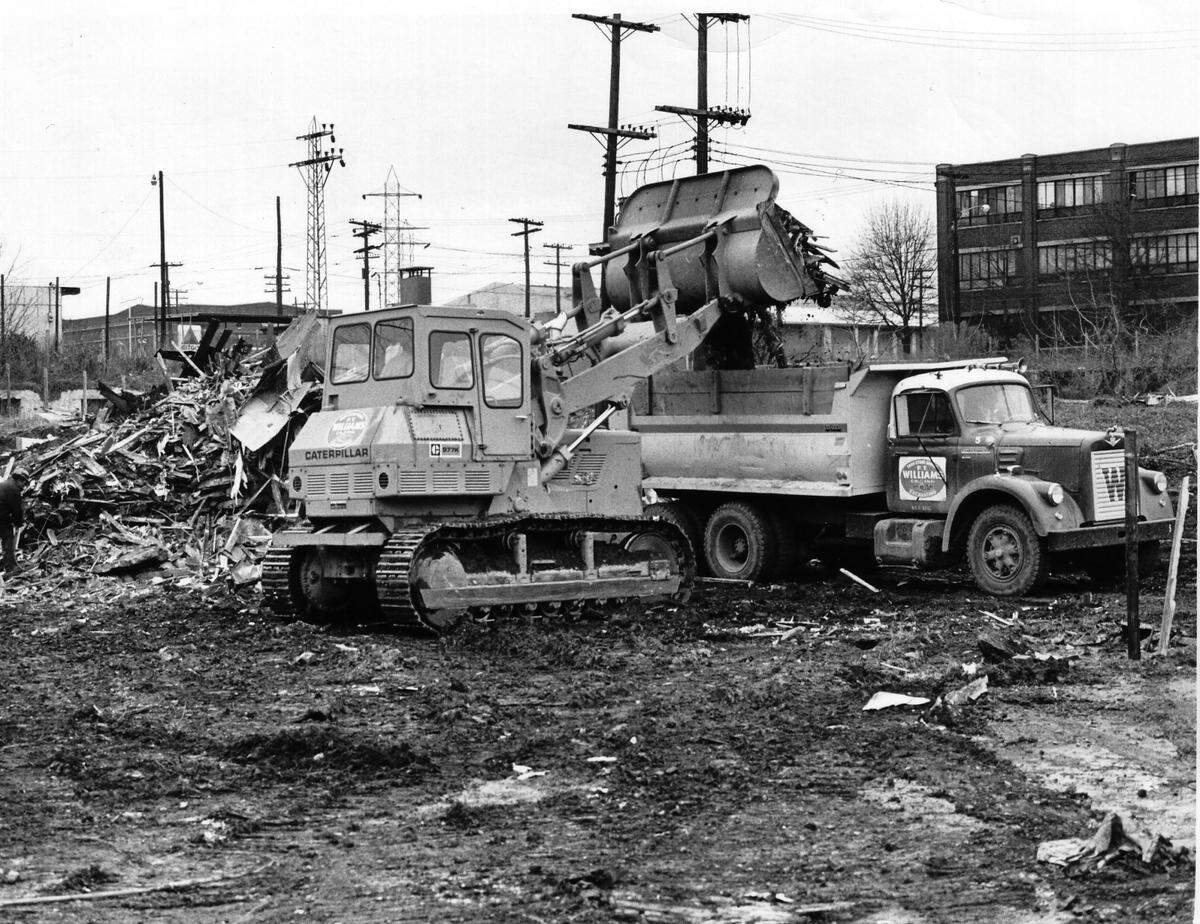
Brooklyn, as well as the Greenville neighborhood and parts of Dilworth, were completely bulldozed. Residents were pushed out with the promise that once the community was rebuilt, they would be able to return. That never happened.
Over 1,000 families and a dozen churches were displaced outside of uptown, while nearly 200 businesses closed. That marked the end of Brooklyn.
Black businesses struggle with receiving funding
A 2017 study conducted by Stanford’s Institute for Economic Policy Research found that Black entrepreneurs are less likely to seek funding from a bank due to fear of being rejected and noted past research found lending discrimination.
What this ultimately means is that many black businesses and entrepreneurs must self-fund and/or rely on funding from friends and family to get their passions up and running. They put their all into creating a business that will hopefully one day create a lasting legacy for generations to come.
This is why it is important as a community to support and highlight Black businesses as often as we can. It’s not to say that we shouldn’t support other minority groups or local businesses, too, but we need to be intentional about pouring into those who may not otherwise get the same backing simply because they fall into a certain racial group.
Ready to help? Here are 50 Black-owned shops, restaurants and studios in Charlotte, and look back for an update with even more businesses soon. You can also find more resources here:
How to support Black-owned businesses in Charlotte (Charlotte Agenda)
List of Charlotte Black-owned restaurants for take-out and delivery (QC Metro)
This story was originally published June 3, 2020 at 4:10 PM.