Will Charlotte distilleries have to pay a $14,000 fee for making hand sanitizer?
Brad Shell spent the first Monday of the year rifling through paperwork and searching his inbox.
It wasn’t how the founder of The Unknown Brewing Co. wanted to start his year, but he — like so many other distillers — is trying to track down more information regarding the Food and Drug Administration’s proposed $14,060 fee for distilleries producing hand sanitizer in 2020 to help combat COVID-19.
News of that fee came via a notice from the FDA on Dec. 29. Then, on New Year’s Eve, the Department of Health and Human Services issued a statement on Twitter.
“I’m pleased to announce we have directed FDA to cease enforcement of these arbitrary, surprise user fees,” chief of staff Brian Harrison said in the tweet. “Happy New Year, distilleries, and cheers to you for helping keep us safe!”
Still, Shell and other distillers are having trouble finding any prior notice of the proposed fee or the necessary forms to deregister as sanitizer manufacturers so as to avoid the same fee for 2021. To this day, he said, he’s yet to receive any communication regarding the fee (redacted or otherwise).
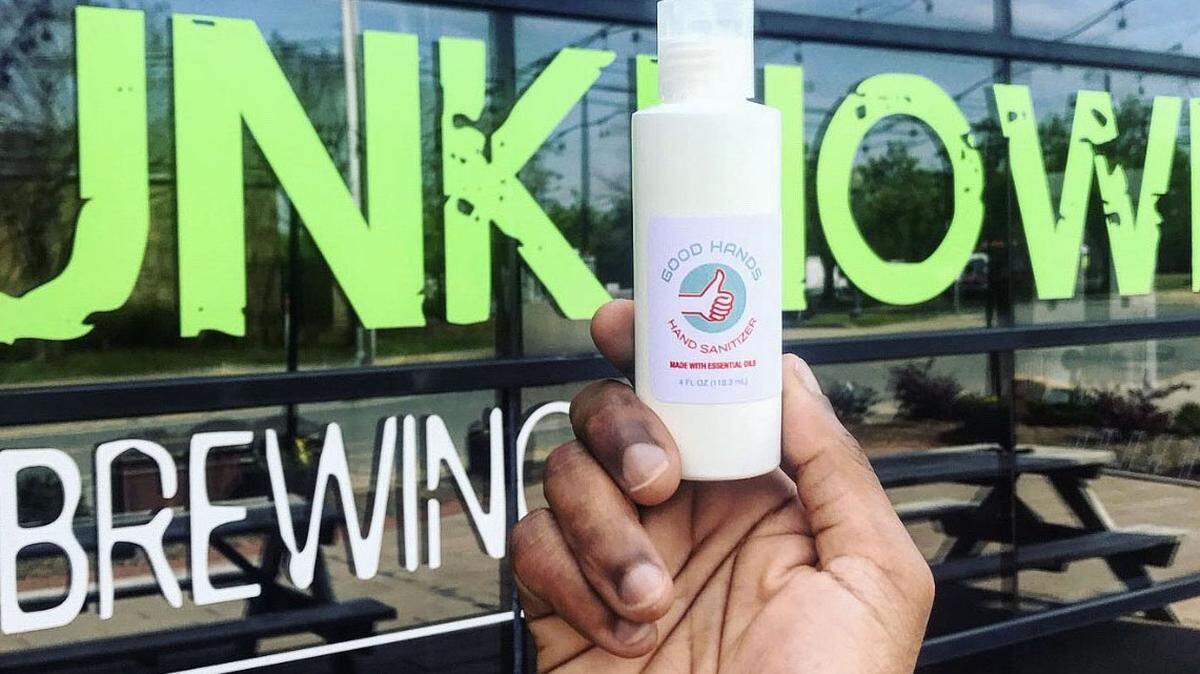
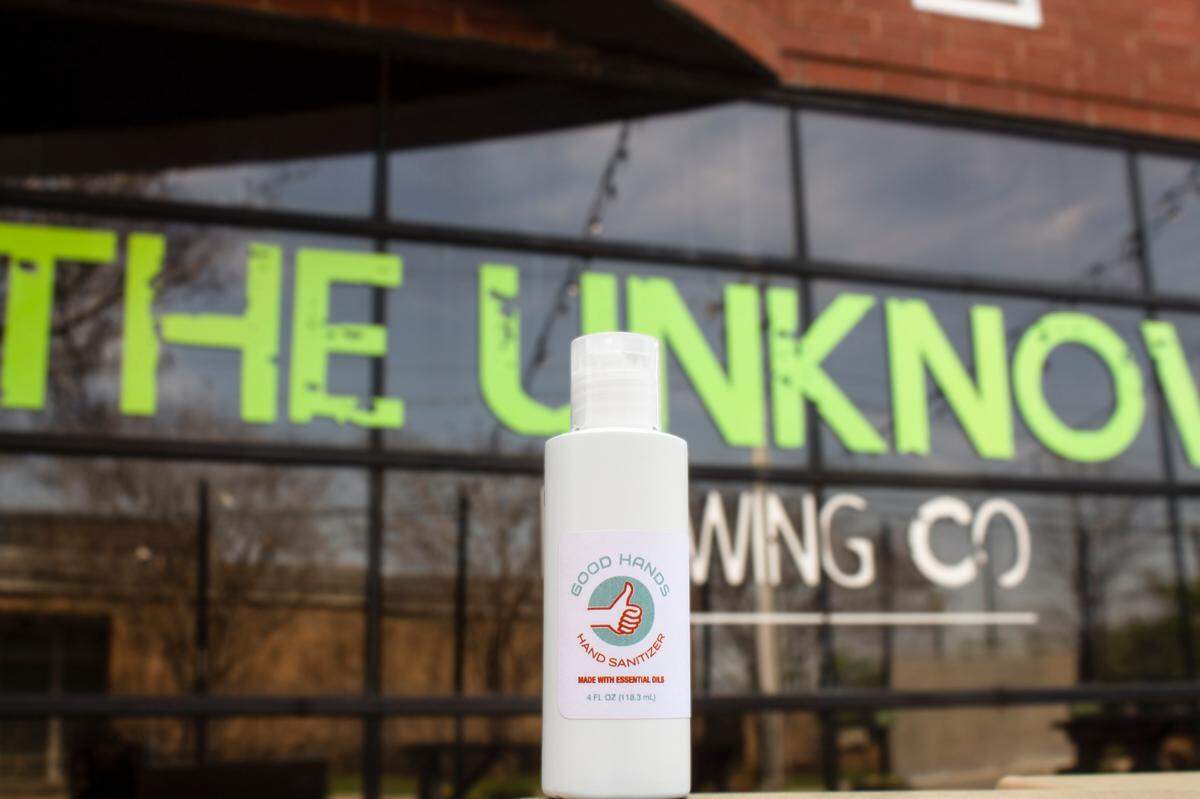
Back in March, the federal Alcohol and Tobacco Tax and Trade Bureau, approached small distillers and asked them to help produce hand sanitizer, as it was a critical need to fight the coronavirus — especially for frontline workers. The brewery’s distillery, Wood & Grain Project, had yet to release any small-batch spirits. Shell probably didn’t expect that hand sanitizer would be his distillery’s first release, but that’s exactly what happened. His team pivoted quickly and was soon getting bottles of Good Hands Hand Sanitizer to local police departments, hospitals, homeless shelters and nursing homes.
Later in the year, larger manufacturers were able to shift production to help. But early in the pandemic, smaller and more agile distilleries played a critical role in getting sanitizer out at the community level during COVID-19.
“We were up making sanitizer within four days, and within a month we were working with all the distilleries in town and working together to create an organization that was getting it out in the community,” Shell said. “We were so proud that during 2020 we did something awesome.”
Then, in the final hours of 2020, Shell and other distillers were blindsided by the news that, as over-the-counter drug manufacturers, they must pay a fee of $14,060. And not only that, they must also pay the same fee in 2020 unless they deregistered as sanitizer manufacturers.
No profits to pay fees
While Shell is proud of his team’s efforts in the COVID-19 fight, he notes that financially it amounted to a “break-even business.”
“It kept some people employed,” Shell said. “It was able to help our community, which was outstanding. And it kept us busy and kept our minds busy during a really horrible time. But by no means were we even able to create $14,000 in profits to pay for $14,000 in fines.”
He was especially frustrated at the idea he would need to deregister in the final hours of the year, when his team was off and he wasn’t able to find or fill out the necessary paperwork.
“It’s the end of the year,” Shell said. “Our employees are getting off, and at the last hour of the last day of the year, ‘Oh, by the way you got two hours or it’s going to cost you $14,000.’”
And, of course, he’s been unable to reach anyone in the FDA, as they have been off, as well.
Shell thinks part of the problem is that government officials see things in black and white: A distillery is producing a prescription drug or an over-the-counter drug, and it should pay those fees accordingly.
“It’s not black and white in this case,” Shell said. “There’s a pandemic. You told us to do something to help your country — our country — out and now you’re going to charge us a fine.”
Shell has spoken with other distillers, and he says they’re all scratching their heads right now over whether they’ll be charged a fine for 2021. Yet as frustrating as it was to end the year with this news, he is still proud of all his team accomplished in 2020.
“At the end of our day, our business is still alive,” Shell said. “We still helped our community no matter what. We’re still proud to be Americans. I’m not that worried about it. At the end of the day, I’m not paying it.”