
Payment Plans, Credit Cards, or Savings? How to Pay for Major Dental Work
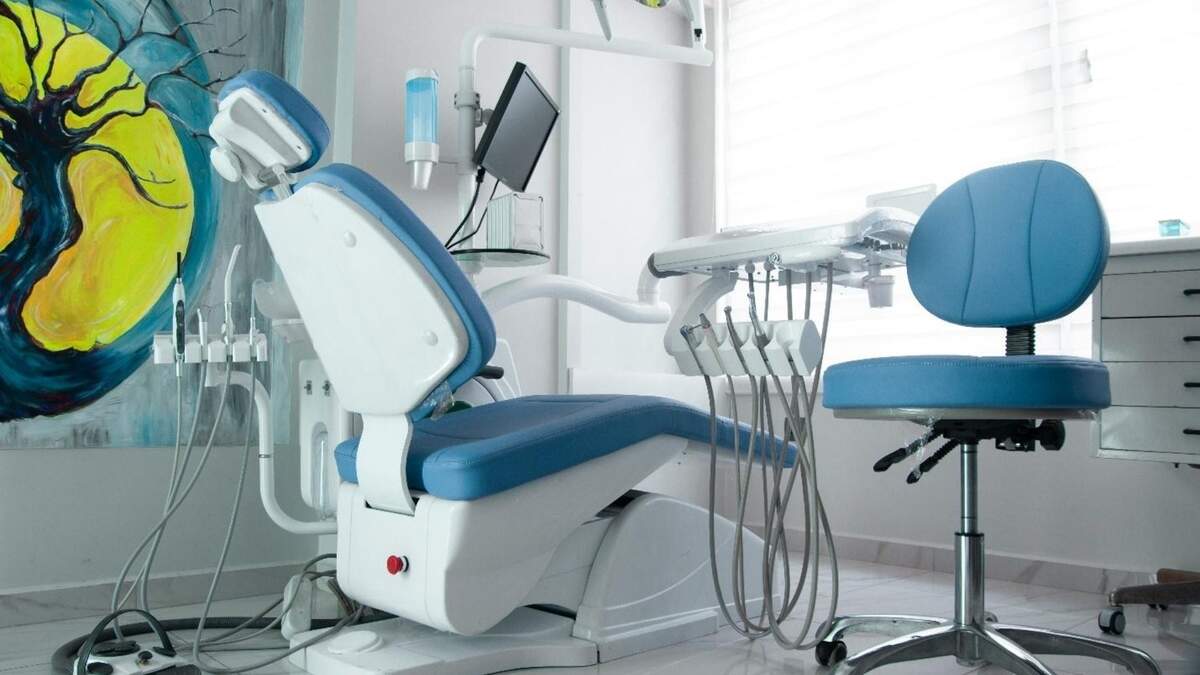
Dental care is among the healthcare expenses that Americans often pay for out of pocket. Unlike many other medical services, routine dental coverage is often limited, and procedures such as crowns, implants, or orthodontic treatment can quickly reach thousands of dollars.
For many families in Charlotte and across North Carolina, that leaves a difficult question: how do you pay for major dental work without straining your budget?
The answer often comes down to understanding the available payment options and choosing the one that best fits your financial situation.
Why dental costs can add up quickly
Dental care costs have been rising steadily in recent years. National dental spending reached about $189 billion in 2024, with a significant share paid directly by patients rather than insurers.
Insurance often helps with the cost of regular checkups, but it may only pay part of the bill for more complex treatments. Things like root canals, crowns, or implants can take several visits, need lab work, and require extra care after the procedure.
Access to dental care can also be uneven across North Carolina. According to the North Carolina Oral Health Collaborative, 93 of the state’s 100 counties contained at least one Dental Health Professional Shortage Area as of 2024, meaning there are not enough providers to meet local demand.
Workforce challenges also affect insurance coverage options. According to state data, less than half of dentists in North Carolina accept Medicaid. This makes it hard for many people to get affordable dental care. Because of this, patients often go to private dental offices, where major treatments may mean paying out of pocket or finding financing.
When large bills arise, patients usually consider one of three main ways to pay: savings, traditional credit cards, or financing plans designed specifically for healthcare.
Paying with savings or cash
For many people, the simplest way to pay for dental treatment is to use savings.
Paying upfront avoids interest charges and long-term financial commitments. Some dental offices even offer small discounts to patients who pay the full cost of treatment up front.
However, this approach is not always practical. Major procedures can cost several thousand dollars, and few households keep that much money set aside specifically for dental care.
Using savings can also create tradeoffs. A large dental expense might reduce an emergency fund or delay other financial goals.
Because of this, many patients look for ways to spread the cost over time.
Using traditional credit cards
Credit cards are a common way to manage unexpected healthcare expenses. They offer convenience and flexibility, allowing patients to pay the bill immediately and repay it gradually. Some cards also provide rewards programs or introductory interest rates.
But credit cards can become expensive if balances are carried for long periods. Interest rates are often significantly higher than those of other types of loans, which means the total cost of treatment may increase substantially over time.
Many financial experts suggest being careful when using credit cards for medical or dental bills, unless you know you can pay off the balance soon.
Dental financing plans and healthcare credit cards
Many dental offices now offer financing options tailored to healthcare services. These programs may allow patients to split the cost of treatment into smaller monthly payments rather than paying it all up front.
In some cases, patients may encounter healthcare credit cards accepted by participating dental providers.
While these plans can make care more accessible, they also require careful review. Some financing programs offer promotional interest-free periods, but charge deferred interest if the balance is not paid within the specified timeframe.
Understanding the terms and repayment schedule is essential before committing to any financing agreement.
Questions to ask before choosing a payment option
Before agreeing to a payment method, it is worth asking your dentist a few practical questions.
Start by requesting a full estimate of the procedure, including consultations, lab work, and follow-up appointments. This helps ensure there are no unexpected costs later.
You may also want to ask whether treatment can be staged over multiple visits. By scheduling procedures over a longer period, patients can manage costs more easily and may not need to depend as much on financing.
You can also ask if the dental office offers its own payment plans. These in-house options are sometimes more flexible than using outside financing.
Planning for dental expenses
Dental care is often easier to manage financially when patients plan.
Regular checkups and preventive care can help identify issues early, before they become larger and more expensive problems. Some employers also offer flexible spending accounts (FSAs) or health savings accounts (HSAs) that allow workers to set aside pre-tax money for medical and dental costs.
More broadly, the conversation around dental costs highlights the importance of oral health to overall well-being.
Key things to consider before paying for dental work
Before choosing how to pay for a major dental procedure, patients may want to keep a few key points in mind:
- Understand the full cost of treatment. Ask your dentist for a complete estimate that includes follow-up visits and lab work.
- Take time to compare your payment options. Savings, regular credit cards, and healthcare financing plans each have their own features.
- Look closely at the terms of any financing. Promotional interest periods and deferred interest policies can change how much you end up paying.
- Ask your dentist about other options. Some offer staged treatment plans or in-house payment arrangements that could make costs easier to manage.
Taking time to review these details can help patients choose a payment strategy that fits their budget and avoids unexpected costs.
Choosing the option that fits your budget
There is no single best way to pay for dental treatment. The right choice depends on your financial situation, the size of the expense, and how quickly you can repay it.
Some people choose to save up and pay for dental care all at once. Others use credit cards or payment plans to divide the cost over several months.
It helps to know the pros and cons of each payment option before you decide. If you plan ahead and talk openly with your dentist, even large dental bills can feel easier to handle.
This article is for informational purposes only and does not substitute for professional medical advice. If you are seeking medical advice, diagnosis or treatment, please consult a medical professional or healthcare provider.
The information provided in this article is for general informational and educational purposes only. It is not intended as financial or professional advice. Readers should not rely solely on the content of this article and are encouraged to seek professional advice tailored to their specific circumstances. We disclaim any liability for any loss or damage arising directly or indirectly from the use of, or reliance on, the information presented.
Members of the editorial and news staff of charlotteobserver.com were not involved with the creation of this content. All contributor content is reviewed by charlotteobserver.com staff.