
25 things to know about the McColl Center as the Charlotte arts site turns 25
From the ashes of a burned-down church to Charlotte’s preeminent art incubation center, the McColl Center celebrates 25 years this season. Below are 25 stories and tidbits about the center’s quarter-century impact on Charlotte and its art community.
1. In 1926, the building the McColl Center would eventually take over served as the First Associate Reformed Presbyterian Church at 431 North Tryon St. The church was constructed by local architect James Mackson McMichael. Though he also built theaters, courthouses, hotels, and homes, McMichael was widely known as the preeminent church architect across North Carolina.
2. The church was designated as a local historic landmark, but sat vacant for 16 years until a fire in 1984 destroyed much of the interior and the roof. “One of our homeless neighbors had moved in and sought refuge, and one night, was trying to keep warm, and found an old wooden chair and lit it on fire to try to keep warm,” said Armando Bellmas, interim president and CEO of the center.
3. Former Bank of America chairman and CEO Hugh McColl, whose office overlooked the rubble, believed it could be put to better use. “Since his mom and his sister were both artists, he thought it would be a great urban arts colony that would really spark Charlotte as a creative city, as an artistic city, and would spark an artistic rising from the ashes in downtown Charlotte,” said Bellmas. “As a result, all these organizations, years later, would start popping up downtown, like the Mint and the Bechtler.”
4. In 1995, Bank of America purchased the building and commissioned FMK Architects to craft the vision for revamping the church into a new arts facility. The goal was to create multiple studio spaces and maximize the flexibility of the space, without disrupting the historic character.
5. Certain vintage Charlotteans will remember the McColl Center’s original name: the Tryon Center for Visual Art.
6. The center is home to multiple labs, from ceramics and welding, to woodworking, printmaking and digital media.
7. Hosting three terms per year, the McColl Center’s Artist-In-Residence program has welcomed over 500 photographers, visual artists, sculptures, printmakers, muralists, and more, from all over the world. The program began in 1999.
8. The center’s artists-in-residence have come from 36 countries, including Vietnam, Japan, Uganda, China, Cuba and New Zealand. “We like to have artists here from around the world and around the block, because it’s really important for artists from elsewhere to come and have this unique residency experience. But also for artists who are in Charlotte or from around Charlotte to have that same kind of experience,” said Bellmas. “The two of them meet and exchange ideas.”
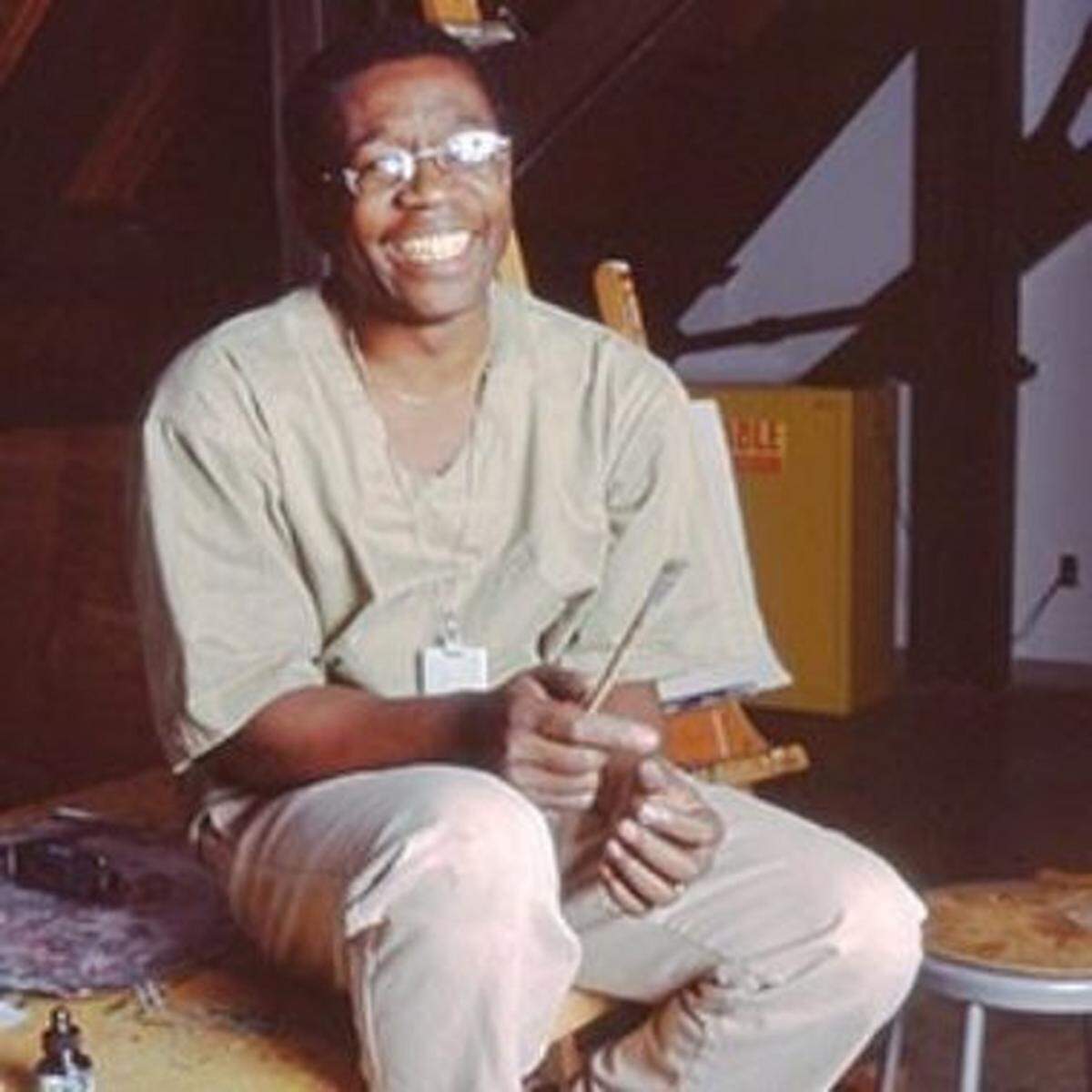
9. Originally from Poland, multi-media artist Marek Ranis moved to Charlotte as part of the first cohort of artists-in-residence at the center. He moved to the Queen City and now teaches art at UNC Charlotte. In 2020, he participated in a collaboration with scientists on a National Science Foundation project that examined climate change on the breakdown of rocks and cracking of mountains. The book “Subcritical: Third Culture Field Notes,” published in early 2024, presents the group’s findings.
10. In 2020, as part of the center’s newly adopted strategic plan, leadership reworked space on the third floor and launched new studio spaces for area artists. By happenstance, the move coincided with the COVID pandemic, which allowed for time to focus on intimate workspaces for Charlotte-area artists.
11. In early 2024, the center launched its first art-collecting club, The Contemporaries. Every year, the public is invited to purchase memberships. The McColl Center commissions works from its artists-in-residence, alumni and friends who are artists. “Everybody in the club gets a piece of artwork by the artists,” said Bellmas. They started with 25 collectors. “We also have a supporter group that doesn’t get art, but they get to participate in all the art reveals and events that we do with The Contemporaries,” said Bellmas. “So far, we’ve commissioned four artists to create artwork for the collectors and we’ve had two reveals.” The next reveal is Nov.. 12, with another in February.
12. Since the center’s inception, the Knight Foundation has been a key partner. “Whether it’s upfitting the gallery space several years ago or helping us with the technology initiatives, the Knight Foundation has been critical in helping us seed ideas that have been pivotal for the organization,” said Bellmas.
13. Atrium Health also has supported the center’s efforts since the beginning. Every year, the hospital system partners with a McColl Center artist-in-residence, usually local, to work on a specific for-display project. Past projects have appeared in cancer wards and other sites.
14. McColl Center artists’ work can be found across Charlotte, not only in Atrium facilities but also along the Charlotte Area Transit System. Along the light rail, near 7th Street Station, for example, three-time artist-in-residence Shaun Cassidy installed some ironworks. “They almost look like the veins of the leaves, but instead, they’re grids of several parts of Charlotte,” said Bellmas.
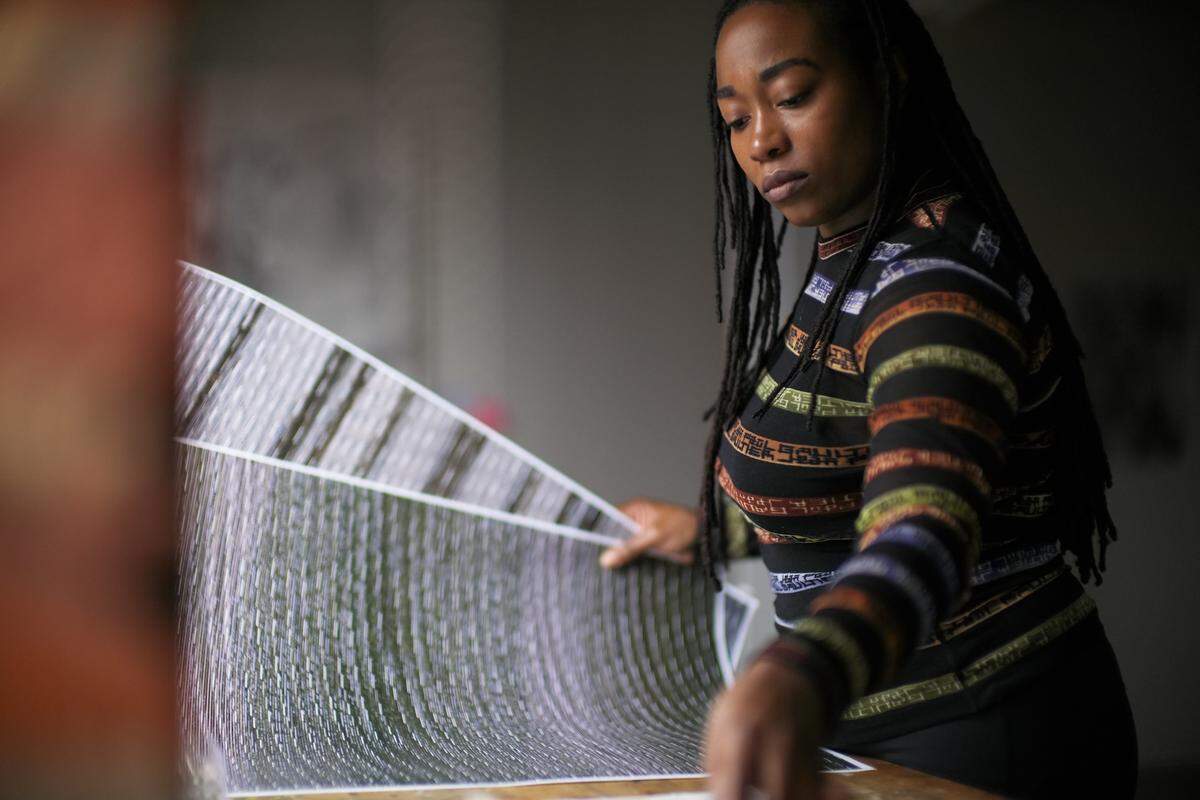
15. A 2017 artist-in-residence, Rebecca Kamen, installed an interactive sculpture with patients at the Levine Children’s Hospital.
16. Susan Harbage Page, a 2004 resident artist, drew from her own experience as a breast cancer survivor to work with women undergoing treatment at Atrium Health. The artist pulled from women’s journals and photos to produce a tapestry, “Lives in Flux.” Murals and other works can also be found throughout the hospital system.
17. The center’s only annual fundraiser is an auction of McColl artists’ work. “The artist outright donates the piece to us, and we split the proceeds,” said Bellmas. “That’s another opportunity for an artist to get paid, and for the McColl Center to raise some vital funds.” The live auction takes place every February, and begins with a silent auction a couple of days prior. The next auction will be Feb. 22, 2025.
18. Bellmas has his own story with the McColl. Originally from Miami, his family moved to Charlotte in 2004. He couldn’t have foreseen that his own experiences with the center’s free community programming would set him on his path to eventually leading the administration. “They were hosting open studio Saturdays, and I needed something to do with my young kids on a Saturday afternoon,” he said. “We would come here and look at art, meet artists, and they would work on little art projects in each artist’s studio. My wife and I started coming to the openings, and before you know it, you’re working here, you’re part of the joint.”
19. Family Days take place on the second Saturday of each month and include activities with the artists-in-residence.
20. A few years ago, the center launched its summer high school and college internship program, geared at high school or first-year college students who want to be arts administrators.
21. In 2022, the center launched a summer parent and educator residency, to support artists who also are parents or teach art throughout the school year and can’t commit to the fall or winter/spring residencies.
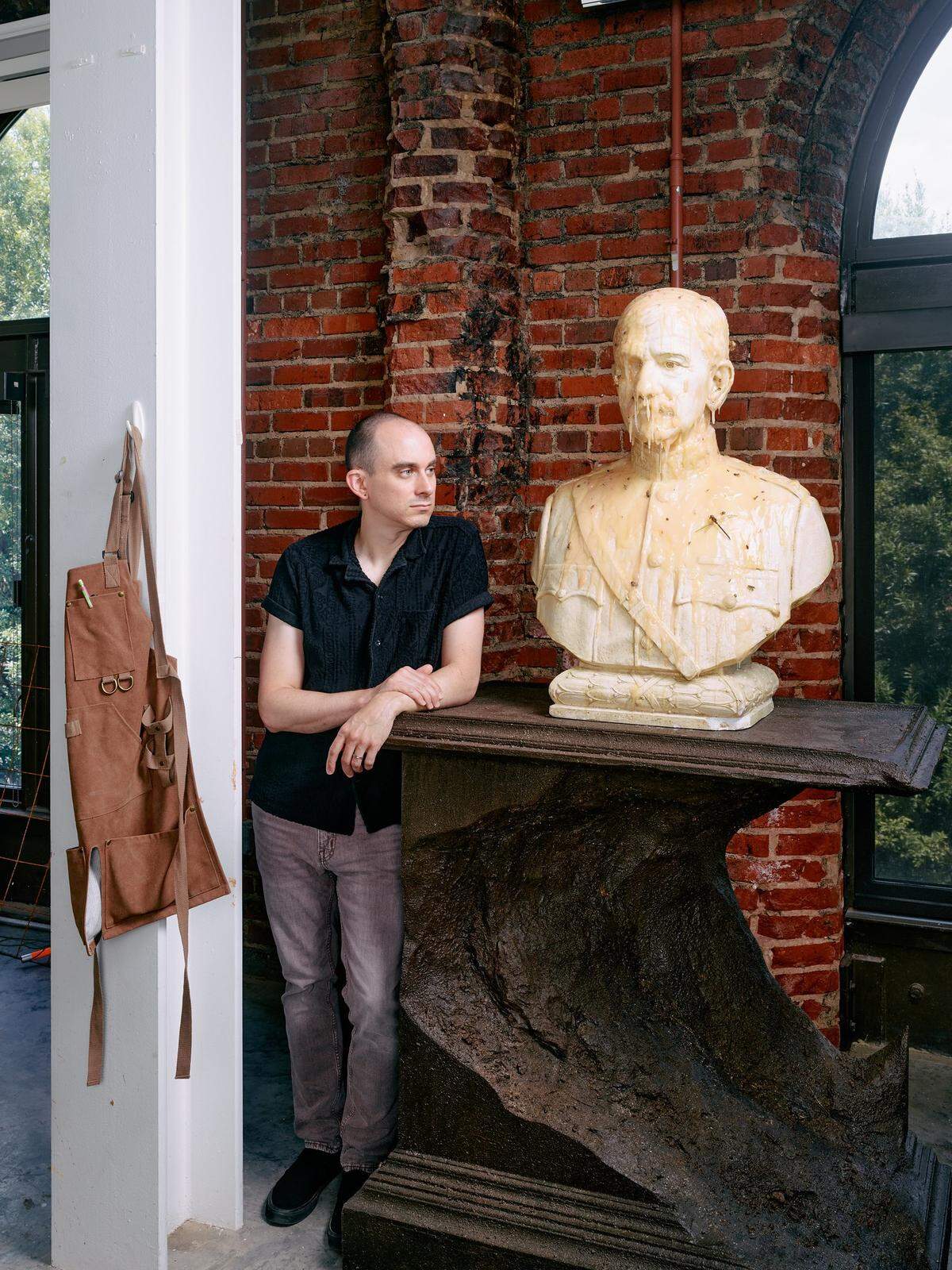
22. The McColl Center hosts a robust summer camp program, for rising 2nd through 8th graders. Each week, a practicing teaching artist leads a camp with disciplines including fashion design, digital illustration, ceramics, printmaking, and more. Scholarships are available
23. On Nov. 14, the center will feature “Ties That Bind: Portraits by Mitchell Kearney of Artists at the McColl Center, 1999-2008.” The idea for the exhibit came from the McColl’s archive. “We found some binders with every residency cohort,” said Bellmas. “In each binder were sleeves of negatives and photo slides. We started looking at them, and there were all these artists. Each one of them said Mitchell Kearney.” The center’s founding president, Suzanne Fetscher, had asked Kearney to capture the creative process. “We showed him all of the slides, and he said, ‘I haven’t seen these in 20 years,’ so we came up with the idea of putting together this exhibition.” The exhibition will include 36 images framed, with the remaining 180 on screens.
24. One of the featured works will highlight one of the first artists-in-residence, Marcus Schubert, who stacked up chairs and lit them on fire in a performance piece at the McColl Center’s opening ceremony.
25. In this season of celebration, the McColl Center invites the community to share memories. For more information, visit mccolcenter.org/25.
Uniquely Charlotte: Uniquely Charlotte is an Observer subscriber collection of moments, landmarks and personalities that define the uniqueness (and pride) of why we live in the Charlotte region.
More arts coverage
Want to see more stories like this? Sign up here for our free, award-winning “Inside Charlotte Arts” newsletter: charlotteobserver.com/newsletters. You can join our Facebook group, “Inside Charlotte Arts,” by going here: facebook.com/groups/insidecharlottearts. And for all of our Fall Arts Guide stories in one place online, go to charlotteobserver.com/topics/charlotte-fall-arts-guide