‘She’s a showgirl’: Charlotte Ballet’s bold ‘Carmen’ takes audiences to Las Vegas
Charlotte Ballet’s penultimate presentation for the 2024-25 season brings “Carmen,” with the troupe dancing a contemporary retelling of this timeless tale that showcases themes of passion, seduction and betrayal.
Most Carmen opera or ballet productions draw the story from the 1854 novella by French writer Prosper Mérimée — and generally are set in 19th century Spain. The story arc, anchored by George Bizet’s famous musical score, focuses the narrative on Don José, the Spanish soldier who falls for the wily Carmen and her charms.
As Carmen plays games with his heart, she gets into altercations and other transgressions. In the end, she meets a violent demise. Carmen is a rebel working in a cigarette factory, living by her rules and often vilified, but is she really as bad as cast?
Enter choreographer Andrea “Andi” Schermoly, originally from Johannesburg, South Africa, who shifts the narrative in Charlotte Ballet’s adaptation. A major change in her approach is setting the story in 1973 Las Vegas. However, Schermoly also places a sharper lens on the “bold” and “bad-ass” woman that Carmen really is, and why.
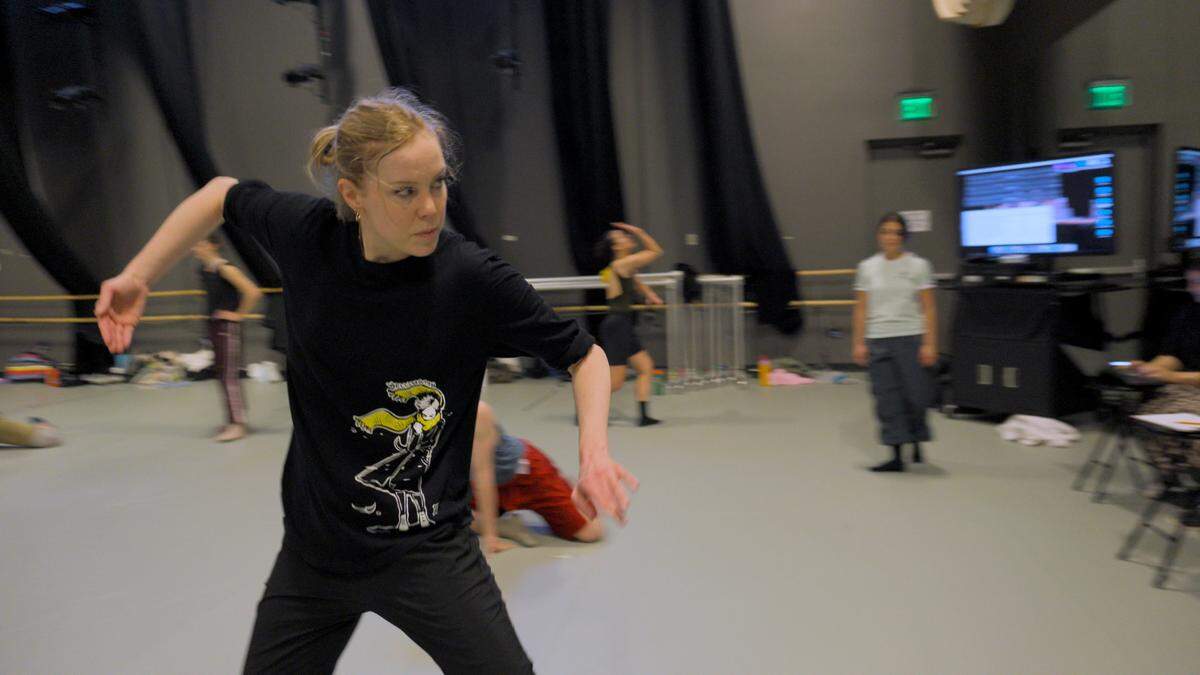
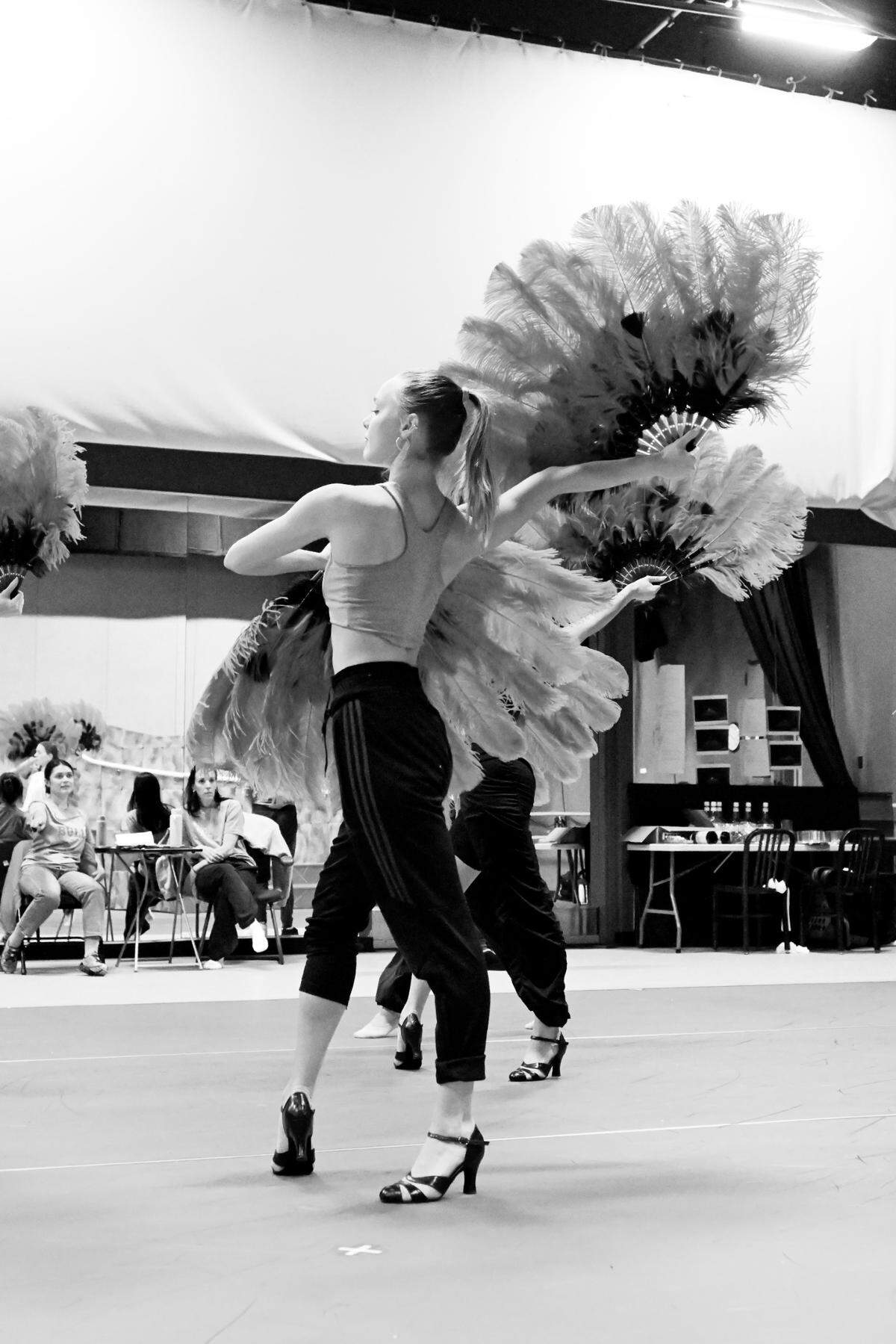
In this version, Carmen is a showgirl — headdresses, fishnets, feathers, sequins — in a modern world, set in a lively casino and the Vegas strip, resulting in an action-packed story. The staging includes built-from-scratch sets, hand-made costumes and even an “Elvis-like” character.
The Charlotte Symphony Orchestra accompanies the production relying on the “Carmen Suite,” score by Rodion Shchedrin — with excerpts from Bizet’s score mixed in.
“I’m trying to do this from Carmen’s perspective, so that we understand her motivations,” Schermoly told The Charlotte Observer, noting that it’s challenging. “She becomes more of the lead character.
“It’s a definitely slightly more raw version of what a traditional ballet would be. I think it’s very accessible. I think if you didn’t know dance and you came in, the story is very evident, and the depth at which the characters are presented to the audience is very evident.
“And they’re both fun. The music is fun. There’s a lot of upbeat, high-energy dancing that’s very entertaining and accessible. And then there’s an underbelly that’s very dark and somewhat confronting and hard, but easy to watch.”
Ahead of the premier on May 2, the Observer interviewed Schermoly who shared more about what audiences can expect from the unique reinterpreting of this full-length work.
Responses have been lightly edited for clarity.
‘Carmen’ adapted with a bold message
The Charlotte Observer: What’s the message that you want audiences to gain or learn from this?
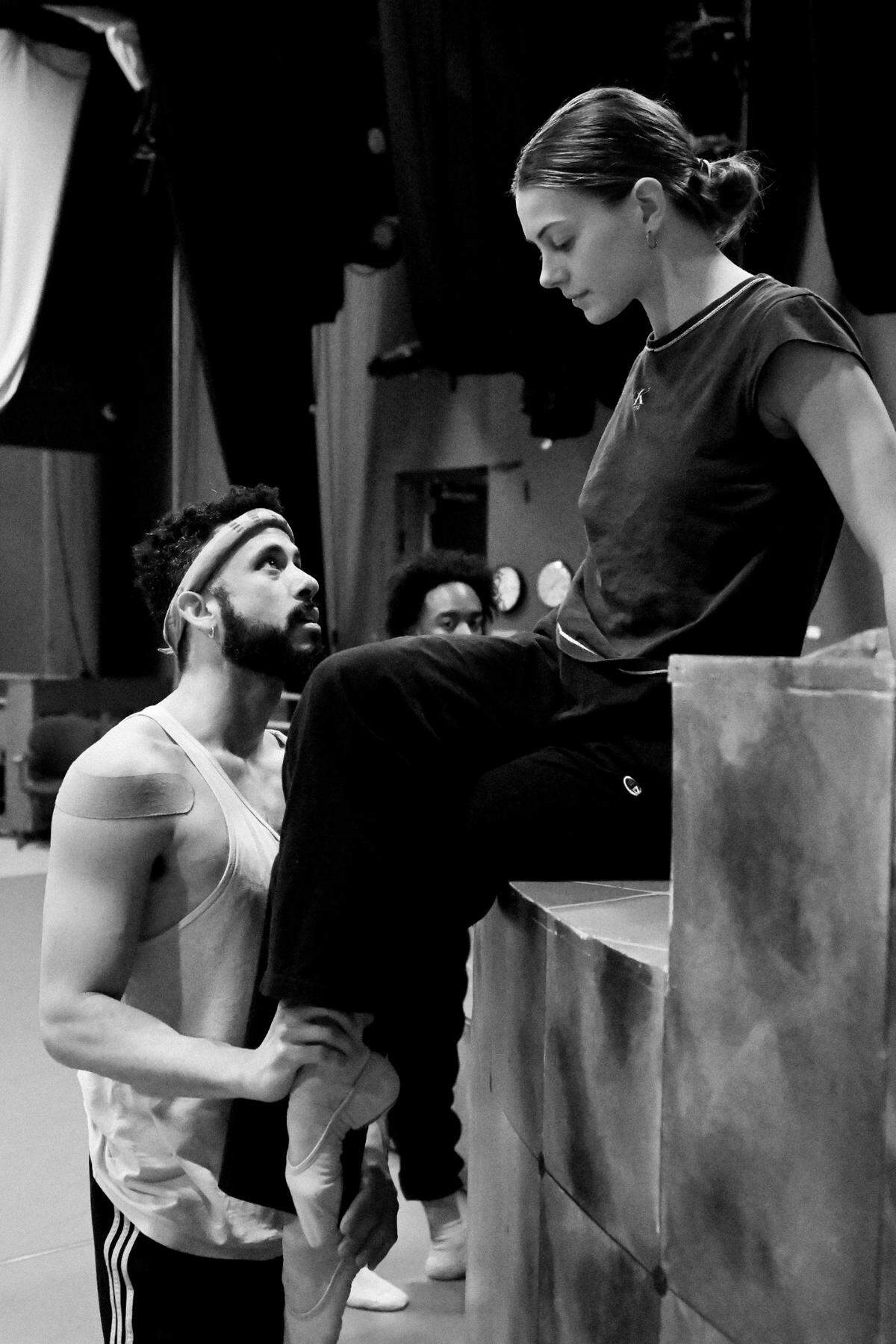
Andrea Schermoly: I‘m trying to make it about Carmen more than anything, and then to understand why she chose the way she did. Which (leads) to the message, I really, personally, would like to dissect or emphasize and remind people that even if a woman is full-blooded in her own ambitions and her own intentions, and perhaps not the norm of what we decide as the conservative woman in life, that there’s nothing that warrants violence towards her. I don’t want to glorify the violence … I want to sympathize with her in the end, and she is allowed to be exactly who she wants and these men are using her. She was vilified and crucified, essentially for being the bold, bad-ass woman that she was.
TCO: Why this adaption? Why this way?
AS: I think it was important not to do a Spanish narrative on this only because I’m not Spanish and I didn’t want to appropriate any culture that I’m not. I felt it hard to insert myself into the story and find my portal in, unless it came from something I could relate to. I felt the time period is not as significant as trying to find parallels that make sense, that I could understand.
I really enjoy mafia movies ... so, I wanted to find a heightened, exaggerated style that suited a novella.. But it’s set just so that it’s still believable, and has gravitas.
TCO: How does this adapted version enhance the traditional story or other parallels?
AS: There’s nothing more over-the-top than Vegas. I thought that that parallel made sense as well as in the original. You know, we don’t use the word gypsy anymore, but she was a Romani.
The (cigarette) girls actually were not enslaved. It was paid work. It was actually one of the few places that women could work and earn a living. They were quite empowered. They weren’t in the military. They weren’t doing nursing, necessarily. These girls were able to go to the cigarette factory and make money. There was already a parallel for me. She’s a show girl in the Vegas story.
They’re living this gig life that’s a little on the fringes of life. They certainly didn’t go through school. They’re maybe not coming from the best tracks of life. They’ve got talent and skill, but they’re in a slightly lower-brow place in life, but they’re still earning their money, you know, with honor. It epitomizes a lot of femininity (too), which the Romani girls did as well.
TCO: Who is Carmen in this version?
AS: The original Mérimée story, along with Bizet, is that you really have these two political things happening, which is military, and with us, it’s the cops, which really encapsulates power. And then you have these other people that are kind of living on the fringe of societies that really represent freedom — that they each want. The military or the cops are our structure and power and corporate and colonialism, really. And then you’ve got this other, the dancers of life, are kind of free gypsies. They’re doing their own thing ... but it’s a hard life too.
She’s trying to find her way up. She’s looking. She’s ambitious. She wants to have things in life. She wants to have someone. She wants real love, but she also wants more than what she has. And so (she) will to try find that through men and use her powers of seduction that she has. She realizes what her powers are.

Want to go?
What: Charlotte Ballet, “Carmen”
When: May 2-11
Where: Knight Theater, 430 S Tryon St., Charlotte
Tickets are available at Charlotte Ballet.
More arts coverage
Want to see more stories like this? Sign up here for our free, award-winning “Inside Charlotte Arts” newsletter: charlotteobserver.com/newsletters. And you can join our Facebook group, “Inside Charlotte Arts,” by going here: facebook.com/groups/insidecharlottearts.
This story was originally published April 23, 2025 at 5:56 AM.